What a seriously impressive fragrance Angel is, for a scent like this to be released in 1992 - this was way ahead of its time. You may love it or hate it, but this pioneered the subfamily of gourmand fragrances which would become one of the most popular scent profiles in today’s market. At its core, this is a chocolatey patchouli fragrance - it’s got a surprisingly dark element with this creamy, delectable earthiness. To counter this, there’s noticeable warm spicy touches from nutmeg and cumin, alongside an overwhelming sweetness coming from honeyed florals, sweet vanilla, sticky caramel and an array of fruits. There’s so much going on here it’s hard to pick things out, but that spicy, chocolatey patchouli is what sticks out most to me. It’s not really my style of fragrance if I’m honest, but I can’t deny the influence and impact this had on the perfume industry; making it a true modern classic.
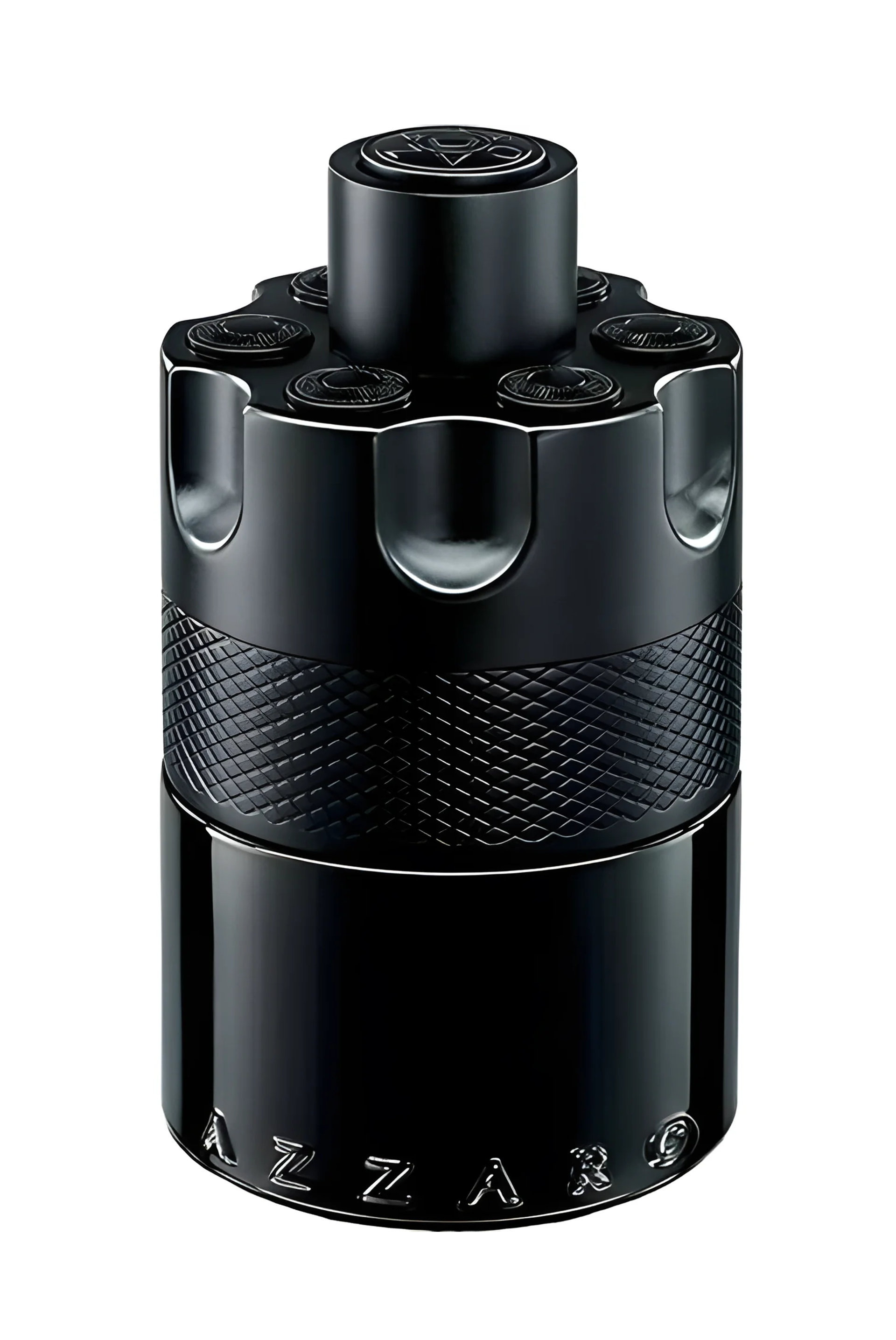
The Most Wanted, ironic name because I couldn’t possibly want this fragrance any less. Is this seriously what passes for good on the designer market these days? I honestly cannot imagine someone over the age of 15 even considering wearing this dreadful scent. A very simple note breakdown, with toffee at its core. I have to give it credit, it does smell of toffee, although it’s almost sickly sweet. Combined with an obnoxious amount of amberwoods though, and it ruins the whole scent with its scratchy soapiness. It’s somehow sweet and fresh at the same time; I can see why that would be desired amongst teenagers. It just reeks of adolescence and immaturity, which is fine if you’re of that age, but no adult should be wearing this.
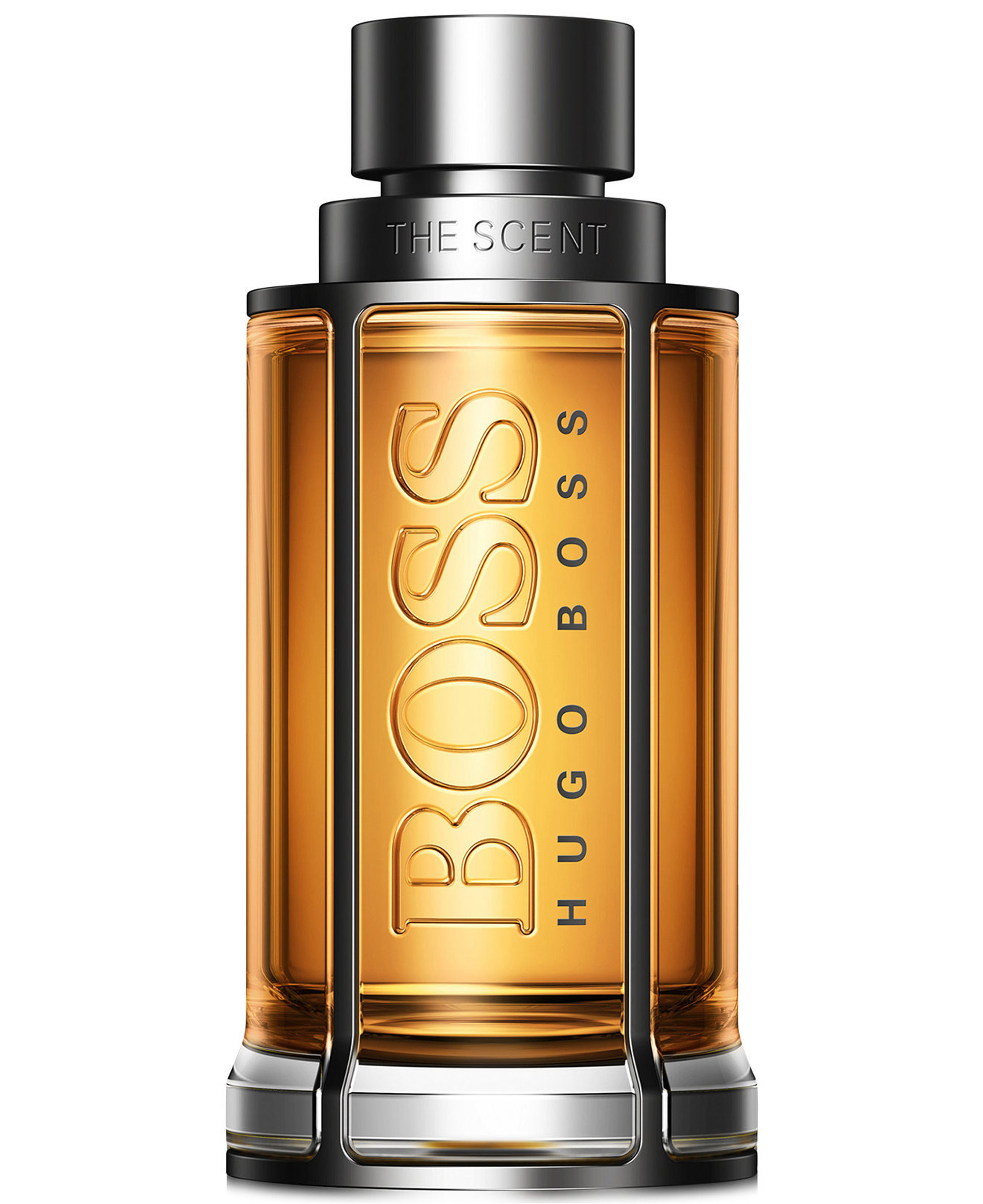
With a name as absolute as ‘The Scent’, you would expect something groundbreaking - as though this is THE only scent a man could need. You would be dead wrong, this is The Scent every man should avoid, unless you want to smell like the most boring person on the planet. It’s a sort of fresh, citrusy lavender thing with sharp, scratchy bursts of ginger and horrible synthetic-smelling woods. There’s some sense of coherence, but very little; it’s just shy of a total disaster. It’s the same generic fresh scent profile we’ve been smelling for years now on the designer market. When will these brands stop repackaging the same scent into new bottles? Probably never as they wouldn’t be doing it if it didn’t sell, clearly something about this horrid DNA works for a lot of people. I can’t wrap my head around it.
Straight up Autumn Potpurri for me: Nutmeg, Clove, Vanilla and Gingerbread with a distinct tobacco top note. Could be a nostalgic scent for the holidays.
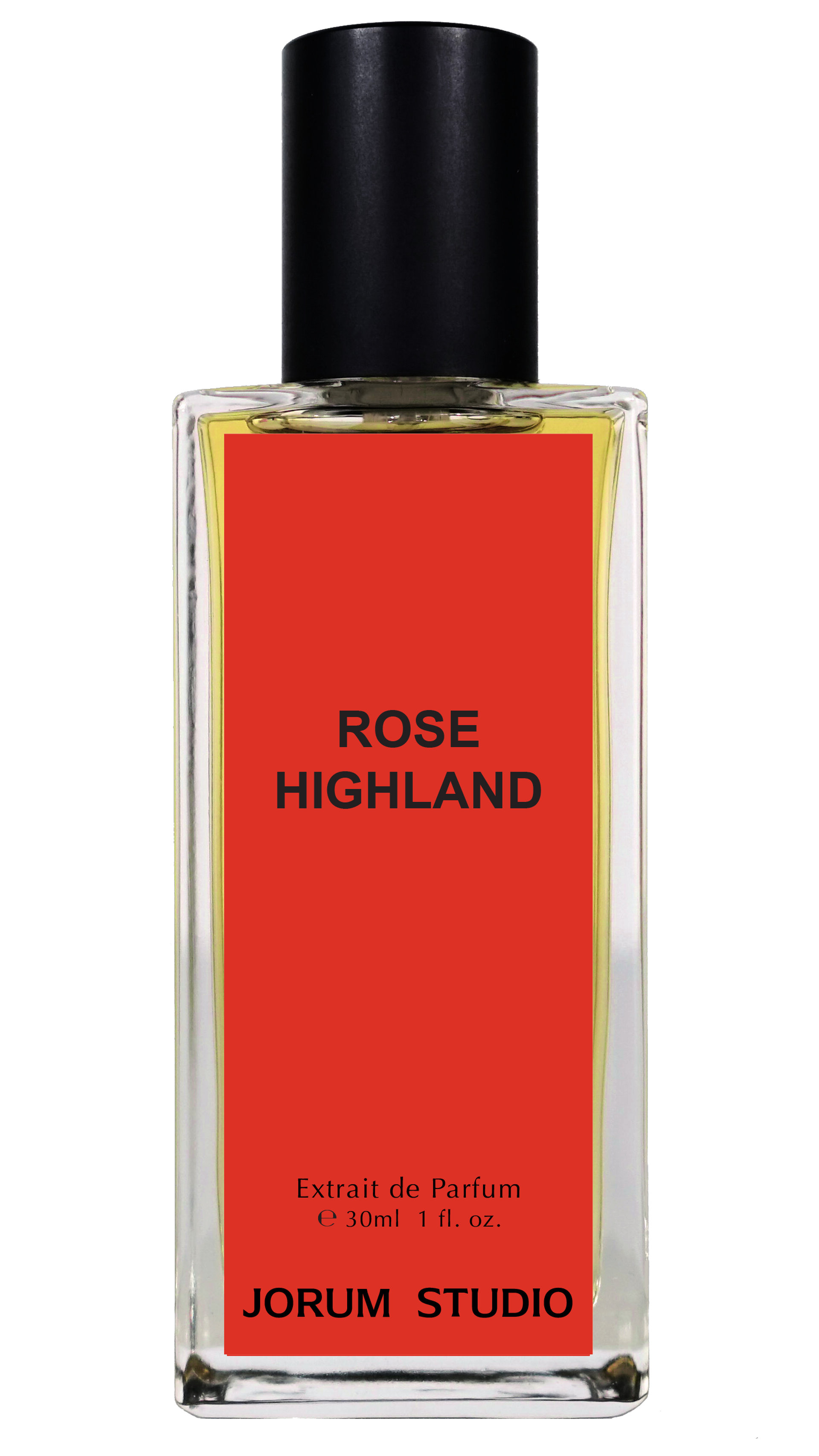
Early on in my fragrance journey, I thought of rose scents—along with most florals, really—as something outside my wheelhouse. Despite being theoretically opposed to the idea of gender in perfume, in practice I still tend to gravitate towards more unisex or masc-coded smells. However, I’ve become increasingly interested in the idea that wearing a rose fragrance could be a cool flex for me and I’ve been seeking out weirder” roses (whether green, earthy, peppery, salty, or otherwise) that read as “unisex” to me. Of the ones I’ve found, Jorum’s Rose Highland might be my favourite. It’s a cool, bracing scent that opens with a startlingly realistic ocean breeze, salty and mineralic, surrounding the impression of wild rosebushes with herbaceous notes that vividly transport you to a Scottish cliff carpeted with scrubby, flowering heather, overlooking the ocean. Basil imparts an aromatic green touch as sharp pink pepper and cloves spice up the rose’s supporting florals (geranium, rhododendron, and jasmine). This isn’t some pampered hothouse rose, it’s a rugged, thorny one, with just a handful of dark-red blooms. It has a forlorn, solitary flavour, bleak but romantic, perfect for gazing longingly out to sea while swathed in a shaggy Shetland sweater and tartan scarf, listening to plaintive Scottish indie pop. As it dries down, the oceanic notes recede and the rose blooms seem to dessicate into dried petals wrapped in a woody, grassy vetiver, still salty, maybe a little tear-stained. It’s a beautiful, evocative scent that I find very unisex, and it’s also an extrait with impressive stamina: like a cliffside shrub, it’s built to last and won’t be uprooted by inclement weather. Quite possibly my overall favourite Jorum creation (though their recent release Boswellia Scotia is also a top contender).🌹 🥀 🌹
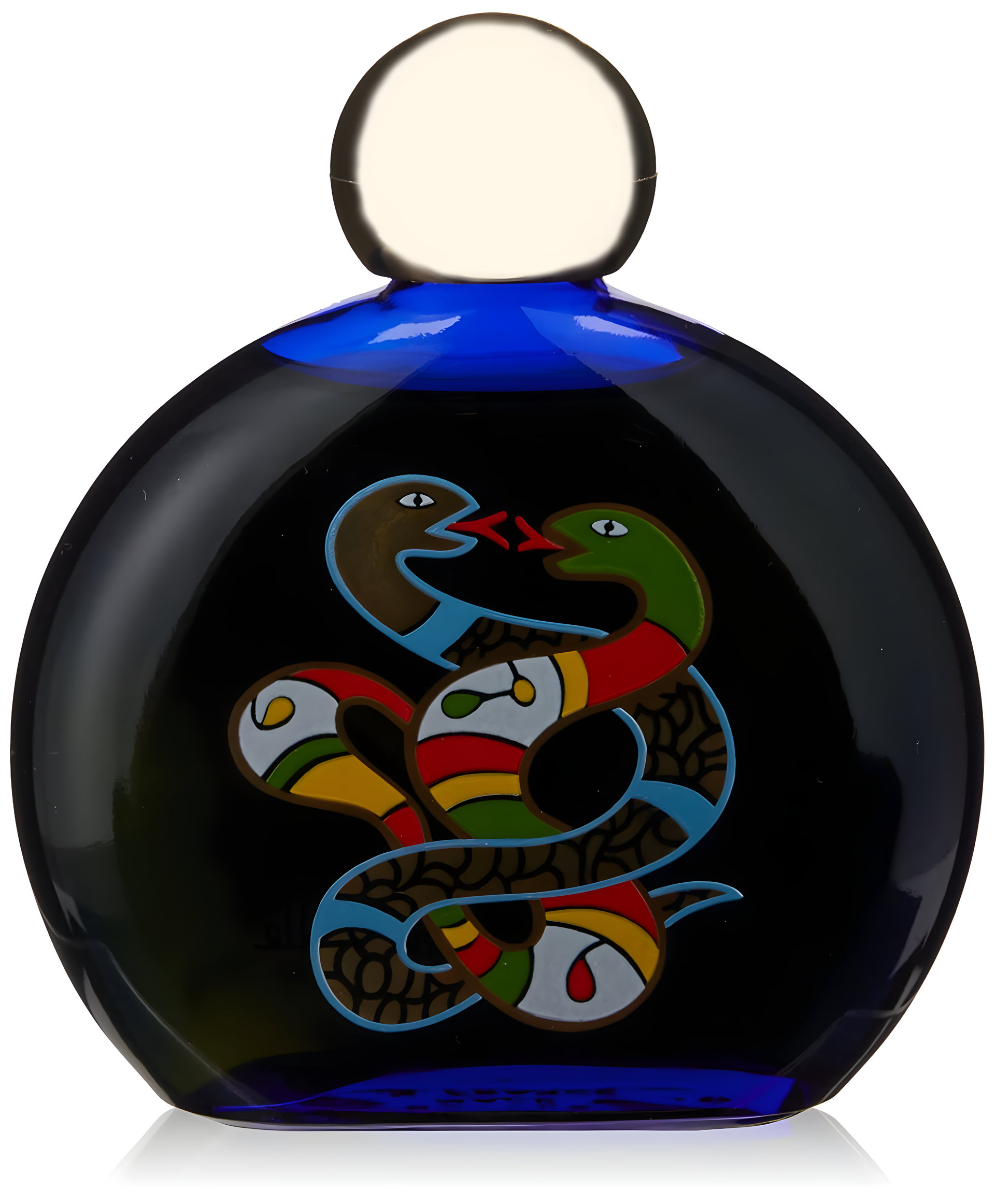
Though I've had this bottle of Niki de Saint Phalle for years, I've been avoiding pinning down my thoughts on this one. I am not sure how much the woman had to do with the creation of the perfume, but Niki de Saint Phalle was a French-American artist and filmmaker renowned for her distinctive sculptures of voluptuous vividly colored, giant, joyously conquering women. The perfume was launched in 1982 but it smells like my imaginings of the early 70s It's a delicately spicy, mossy green-leafed potion, with notes of wormwood, carnation, leather, peach, and soft aldehydes. It's complex, yet eerily balanced and I can't get a handle on any one note. It makes me think of a meandering, plotless arthaus film that you loved for the visuals and the atmosphere and the score, and even though you didn't understand a thing that was going on, you're still daydreaming about it decades later.
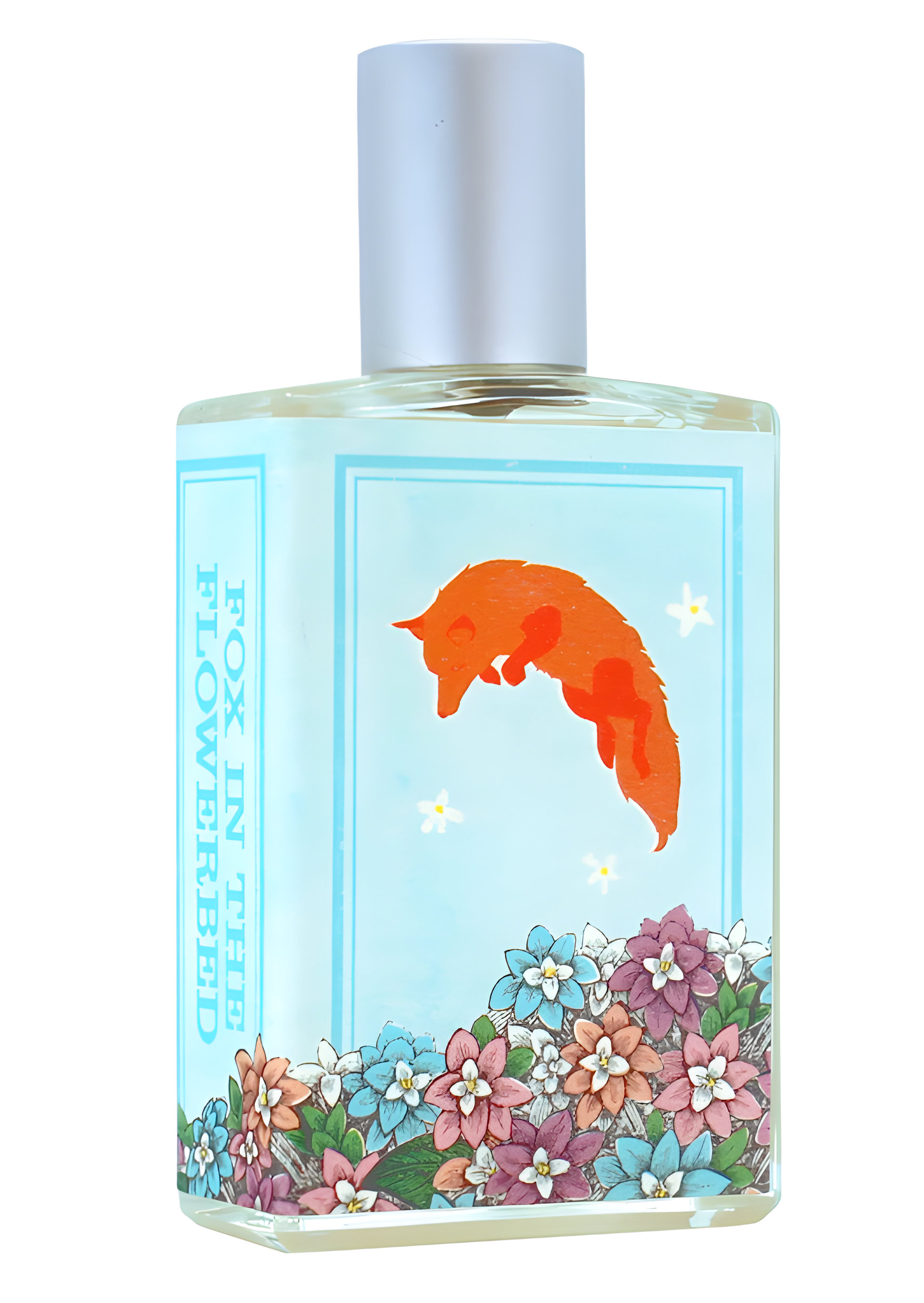
Imaginary Authors Fox in the Flowerbed is all fluttering spring petals, light feathery wings on a playful breeze, and unsettlingly intimate musks. Even the honeyed jasmine, usually so heavy, heralding summer's muggy fug, feels like a gossamer dream on a cool, April evening. In a philosophical sense, it makes me think of that poet from antiquity musing on whether he is a butterfly dreaming he is a man, or a man dreaming he is a butterfly. In a more carnal sense, however, it is a perfume that conjures the beautifully tender, kinky lepidopteran weirdness of The Duke of Burgundy's bizarre love story. I know a fragrance inspired by the film already exists, but somehow Fox in the Flowerbed does a more proper and true job of it.
I first tried Anne Pliska ages ago and it didn’t really speak to me then, but also I think that maybe I wasn’t ready to listen. Now I am all ears. Or nostrils, I guess. This is an amber-vanilla fragrance that has a very low-key time-traveling vintage vibe, it’s almost a cross between Obsession and Shalimar, but it’s not as muscle-bound aggressive an amber as the former and it’s not the prim, fussy powderiness of the latter. The notes of orange and bergamot eventually appear for me, in the form of a creamy citrus –not a juicy slice of fruit, but rather a soft, subtle molecular gastronomy desert-type thing, foam piped in filigrees and dusted with bitter chocolate flakes and vanilla salt. Oddly enough, before that, I get the weirdest hint of plums and pencils and an odd combination of purple stone fruit and cedar shavings that are briefly beautiful and then completely disappear as if they had never been there at all. For all the incoherent amalgamation of things I have described, this is a wonderfully easy-to-wear fragrance that is perfectly lovely. Not exactly cozy, it’s a mite too peculiar for that, but for all its eccentricities it’s somehow incredibly comfortable for me to wear? I guess when finally listened to what Anne Pliska had to say, it turns out we speak the exact same quirky language.
Inspired by the Huysmans novel, and meant to transport the wearer to “Saint Sulpice church in Paris's 6th Arrondissement uprooted and transported to NYC's upper east side, ” I think I can...eventually... smell all of these inspirations in Là-Bas. However, this scent opens on a bit of an iffy note for me and it’s initially not what I expected: it’s a fruity rose that thinks pretty highly of itself and makes me think of Rita Skeeter’s platinum curls, bejeweled spectacles, and crimson nails. I don't love it at this stage. But in the blink of an eye, it becomes this profane, unholy fog of oakmoss, birch tar, musky leather, and smoky vanilla black mass of a thing, and it truly does conjure visions of disillusioned writers, gothic horror, and mystical murders. Imagine if Rita Skeeter unzipped her human suit and out stepped a glamorous, chain-smoking demon tabloid reporter who writes decadent, scandalous musings about all the astrologists, alchemists, fortune-tellers, mediums, faith healers, exorcisers, necromancers, wizards, and satanists of the time. Gossip is the devil’s telephone and all that, and if this fiendish, fascinating fragrance is ringing, I am gonna take that call every time.
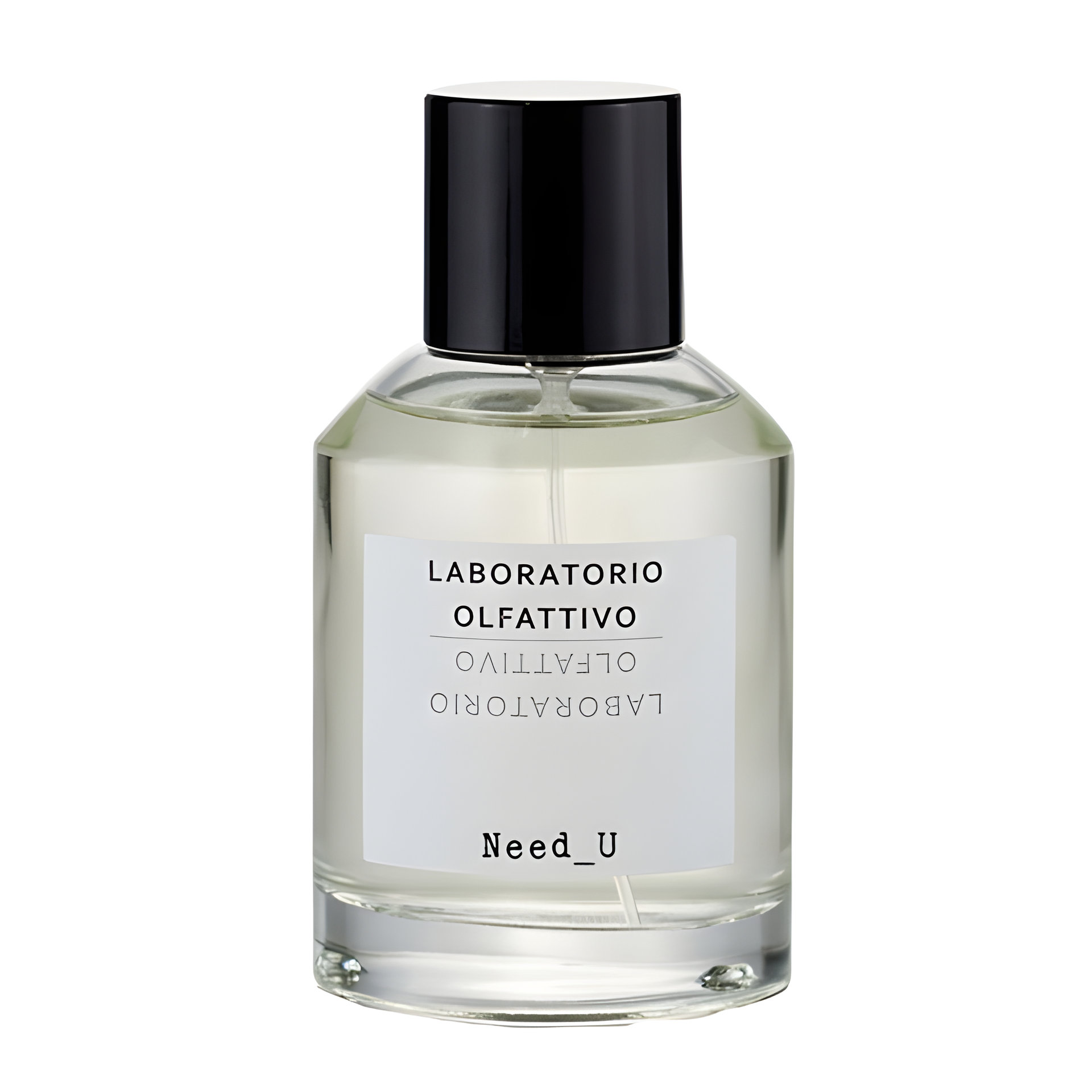
Laboratorio Ollfattivo's Need_U is a slight, subtle scent of bitter citrus peel and aromatic zest accompanied by mildly piney juniper berries and the nostril-singing sting of effervescence. I am not sure what they need here, is it a Campari and soda? I mean, I can certainly relate to that. But I don’t know that I need a whole perfume about it.
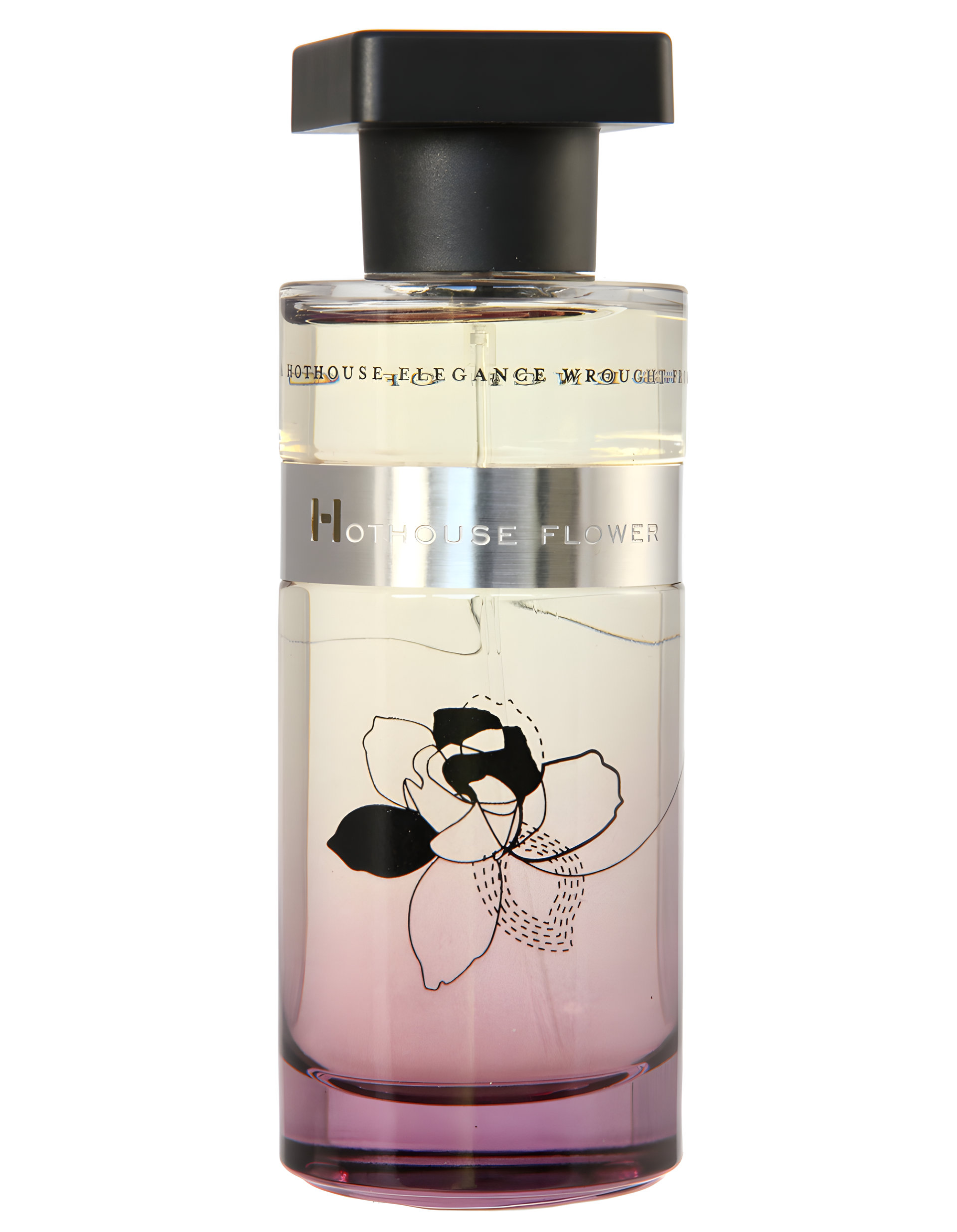
Ineke’s Hot House Flower is a gardenia soliflore that smells like a cybernetic tropical bloom, green foliage that has become self-aware, and the simulation of lushness accompanied by cool circuitry. Like if Skynet’s neural networks got hooked on plant haul videos on YouTube and went into botany instead of killer robots.
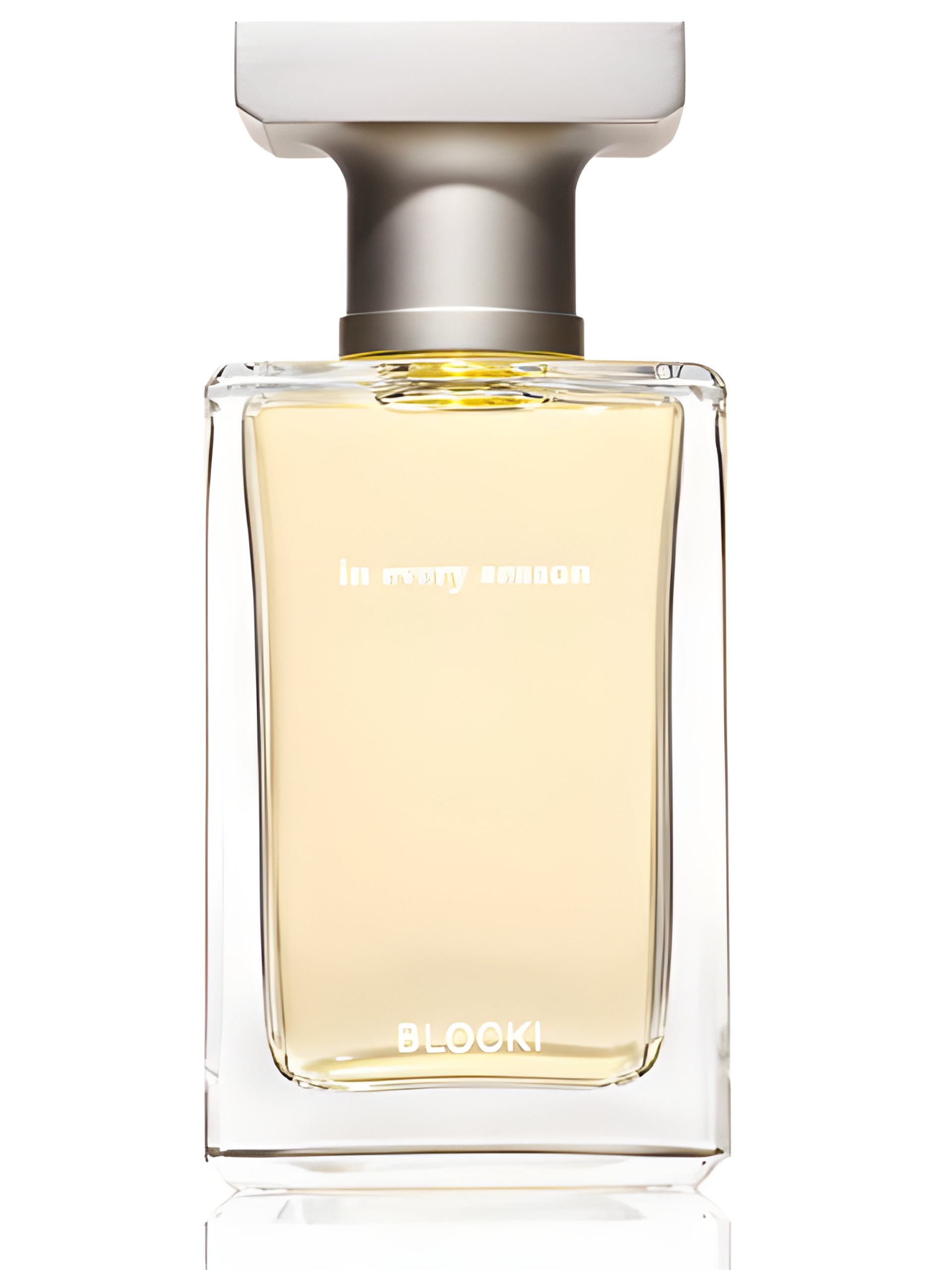
Blocki's In Every Season is the gorgeous zing and fizz of pink grapefruit, balanced with the elegance and gravitas of precisely cut green stems, jasmine and tuberose’s floral summer opulence, tempered by the shadows of early spring violets peeping through the melting snow, and wound round with gauzy musk that smells like starlight on your skin. This is probably the most lovely and perfect white floral composition I have ever smelled, despite the next association I am going to throw out there. It conjures a stepmother in a VC Andrews novel, a strikingly handsome, chilly blonde from old money with impeccable taste, and unimpeachable manners. She lives in a big, fancy house, there’s this whole big screwed up family, this generational saga of dysfunction and trauma and next thing you know her husband shows up with a teenage girl from a previous marriage about which he has just decided to confess. So now here’s this surprise daughter, a young woman from a desperate situation, who dreams of better life and works, struggles, and schemes to achieve these dreams. And then when she finds herself under the cruel, calculating, controlling gaze of her beautiful blonde stepmother, she comes to realize that her dreams come true are actually worse than the life she just escaped. So…what am I saying? I don’t know. A good perfume can make you smell nice, but a great one can cover up a multitude of sins? I don’t think that’s how it works, but In Every Season should be the great one we reach for to try it this theory out.
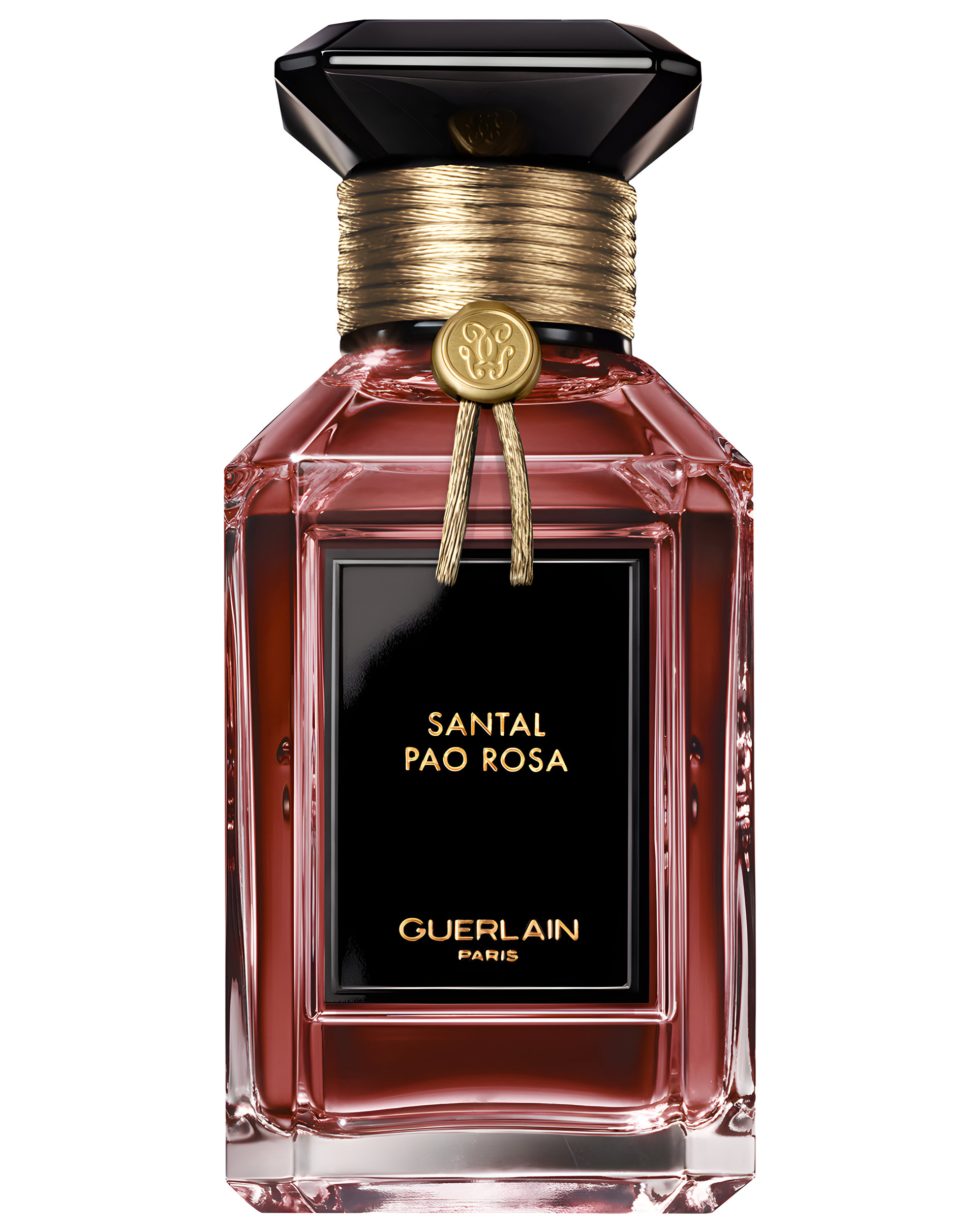
Fully synthetic smelling. No oud, as with other Guerlains. If they're using oud, it's trace amounts just to say it's there, and this one doesn't smell remotely like oud. People who talk about "the oud" in this perfume haven't smelled oud. Very strong cardamom (like the opening of Épices Exquises) with some fig and patchouli and an enormous whack of sandalwood aroma-chemicals (I'm getting a LOT of stemone and probably janavol). This type of thing is fine, but the price is criminal considering you can buy perfumes with real oud and real mysore sandlewood in them which smell infinitely more beautiful and special and which cost the same or less per ml.
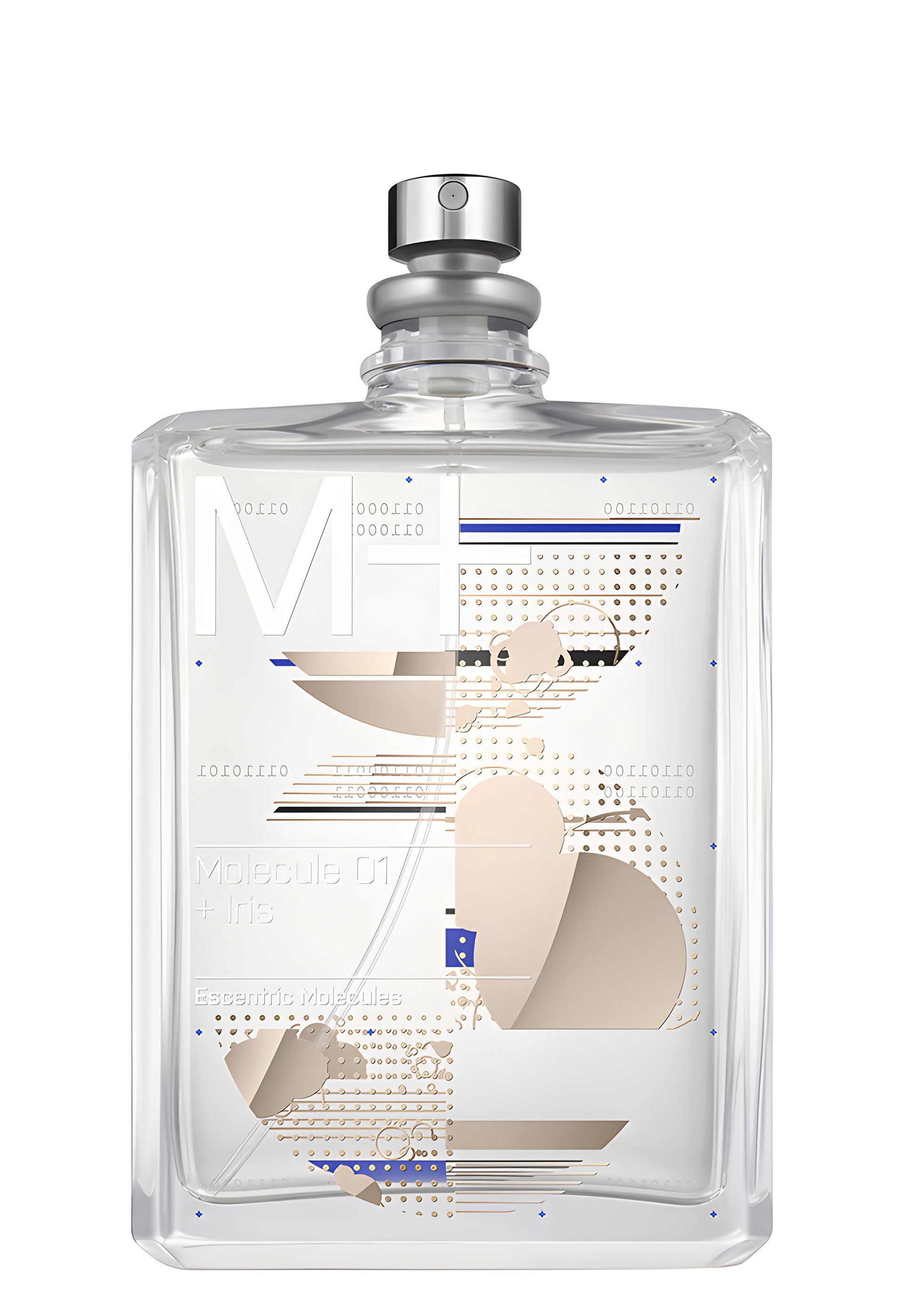
The perfume that made me love iris again. Although there are more complex and more beautiful iris scents, this i would recommend to anyone who is averse to the note.
An absolutely stunning fragrance. Amber done right.
Opening is a little aromatic and herbal with lavender, and a slight touch of citrus.
The warmth is apparent straight away. The resinous labdanum, benzoin and vanilla are ridiculously smooth and warm and create the perfect amber accord.
It is comforting and sensual and luxurious.
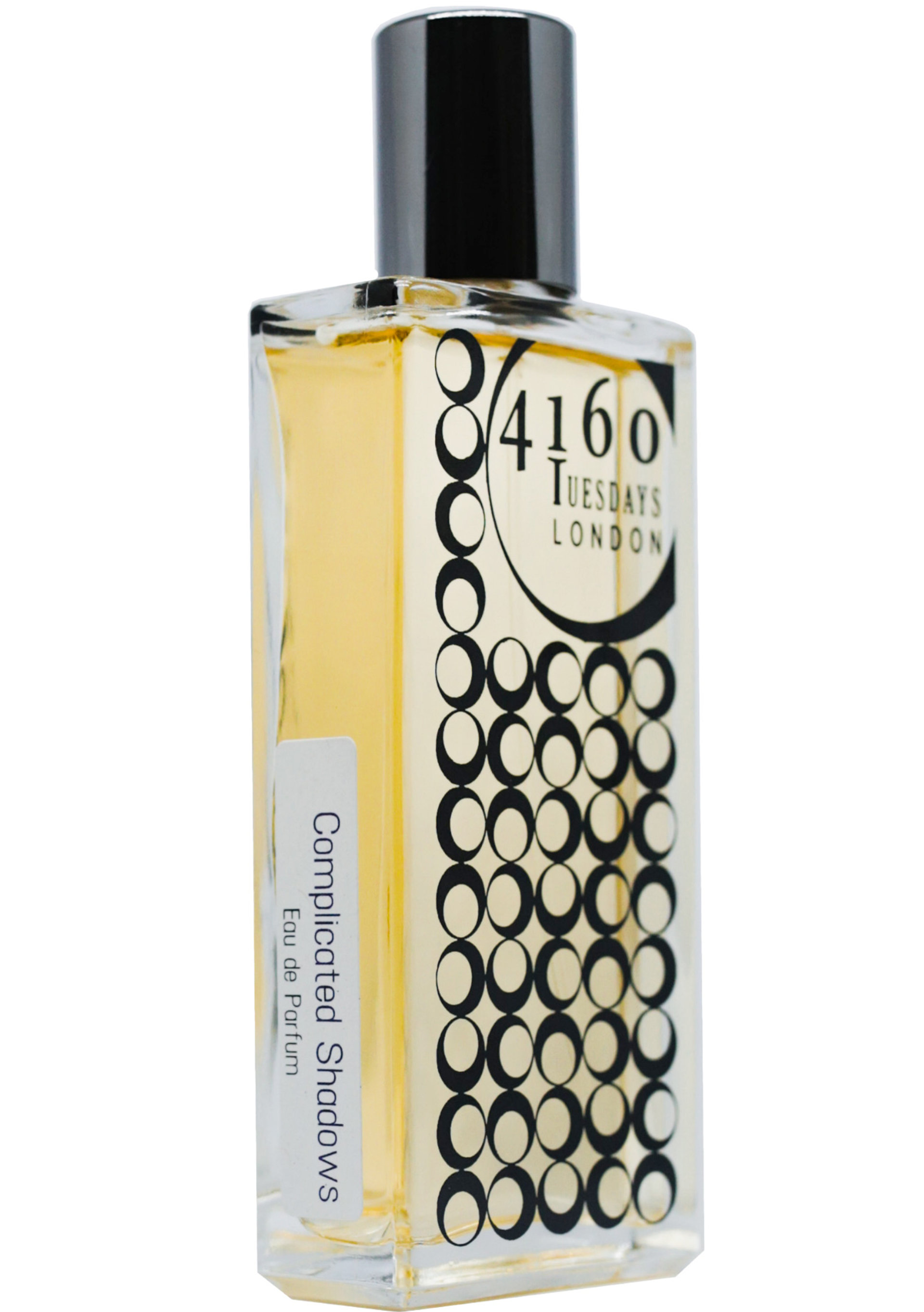
Complicated Shadows from 4160 Tuesdays is a perfume for the insomniac hours, late-night strolls wandering through the deserted streets of your hometown, familiar landmarks strangely distorted by the play of moonlight and shadow. The warm, velvety sandalwood whispers in contrast to the chilling "shade" note, evoking the breathless hush of liminal, in-between spaces. The iris and narcissus here are shrouded in mystery, their earthy floral murmurations laced with a tang of acrid irony, simmering existential angst below the surface of introspective ponderings. Veiled in a bitter vanilla mist, it's the uncanny reverie, nocturnal glooms, and haunting landscapes of the dreamless, lost in the dark.
I don't like comparing perfumes to each other, especially comparisons of something a niche or indie creator has made, to something from one of the big houses...and I hear artists of all ilks, all the time, bemoaning how they hate being compared to other artists. So apologies in advance to my beloved artists amongst us here, but I know that sometimes comparisons to something you are already familiar with can be helpful in evaluating something new.
That said, my first impression of Complicated Shadows was one of cool, dusky elegance... and there's a definite kinship with Guerlain's L'Heure Bleue, that melancholic masterpiece shrouded in powdery twilight. However, Complicated Shadows sheds the heavy cloak of powder, revealing a more approachable, contemporary feel. L'Heure Bleue, as much as I want to love it, has never been my cup of tea. But Complicated Shadows? I could drink it by the bucketful. In the dark. In the middle of a deserted road. At the stroke of midnight.
A deeply gothic glamour amber, a musky murky chypre-adjacent fragrance that smells simultaneously like the figure in the white nightdress running from the manor house with the lone candle lit in the window at midnight and the surprise succubus that this figure is secretly possessed by--it's all the iconic tropes of Avon Satanic Romance novel, and it's perfect.
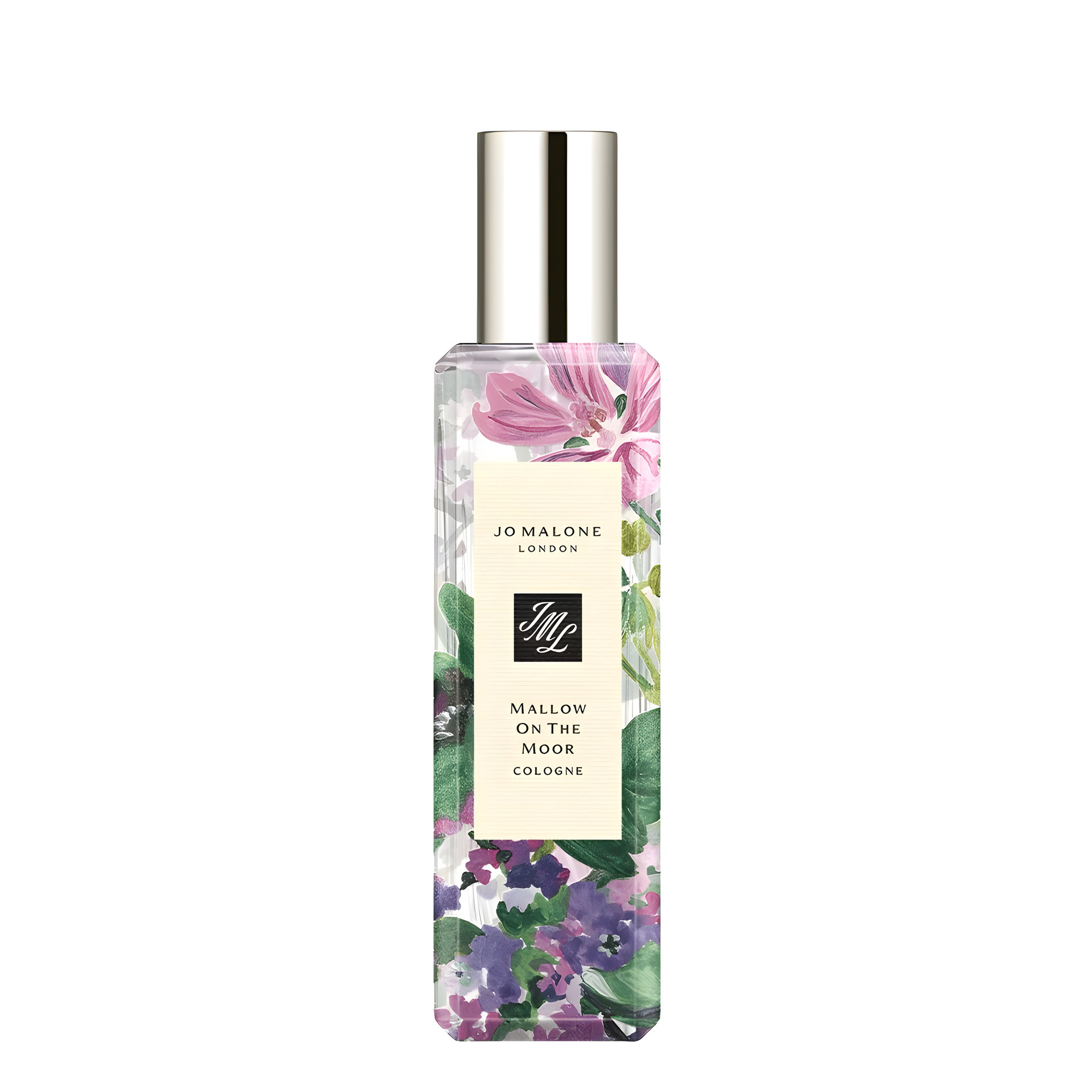
Jo Malone’s Mallow on the Moors is a fragrance I hoped might smell a little haunted. Well. It does...sort of? Not really in the way I was expecting, though. More like a parody from someone who didn't realize they were writing a parody, which some might look at as a little unfortunate for their creation (no one wants to be unintentionally funny, you know?), but hey, it could also be fun, right? Imagine you’re a buttoned-up gothic novelist who’s never even taken a lover, and fate has led you straight into the arms of a rakish lothario, a real Bluebeard type. Imagine swoons, sighs, ghosts, old gothic castles, manor grounds, bodies buried in the poison gardens, dead wives in attics, and all that jazz. And then the camera pans out, and this is a Hammer horror production directed by Anna Biller starring Lana del Rey, and it’s trying real hard to be ethereal and phantasmal and misty moors and mossy castles, but somehow it is all high camp and glinting artifice, real Real Housewives of Manderley energy. As to what it smells like, imagine the luminous violet powder of broken, scattered Guerlain Meteorites and the brassy hairspray, champagne-tossed-in-your-faceness of Tom Ford Jasmine Rouge. Imagine all of that sprayed on Dita von Teese in La Perla clutching a guttering candelabra channeling Frau Blücher.
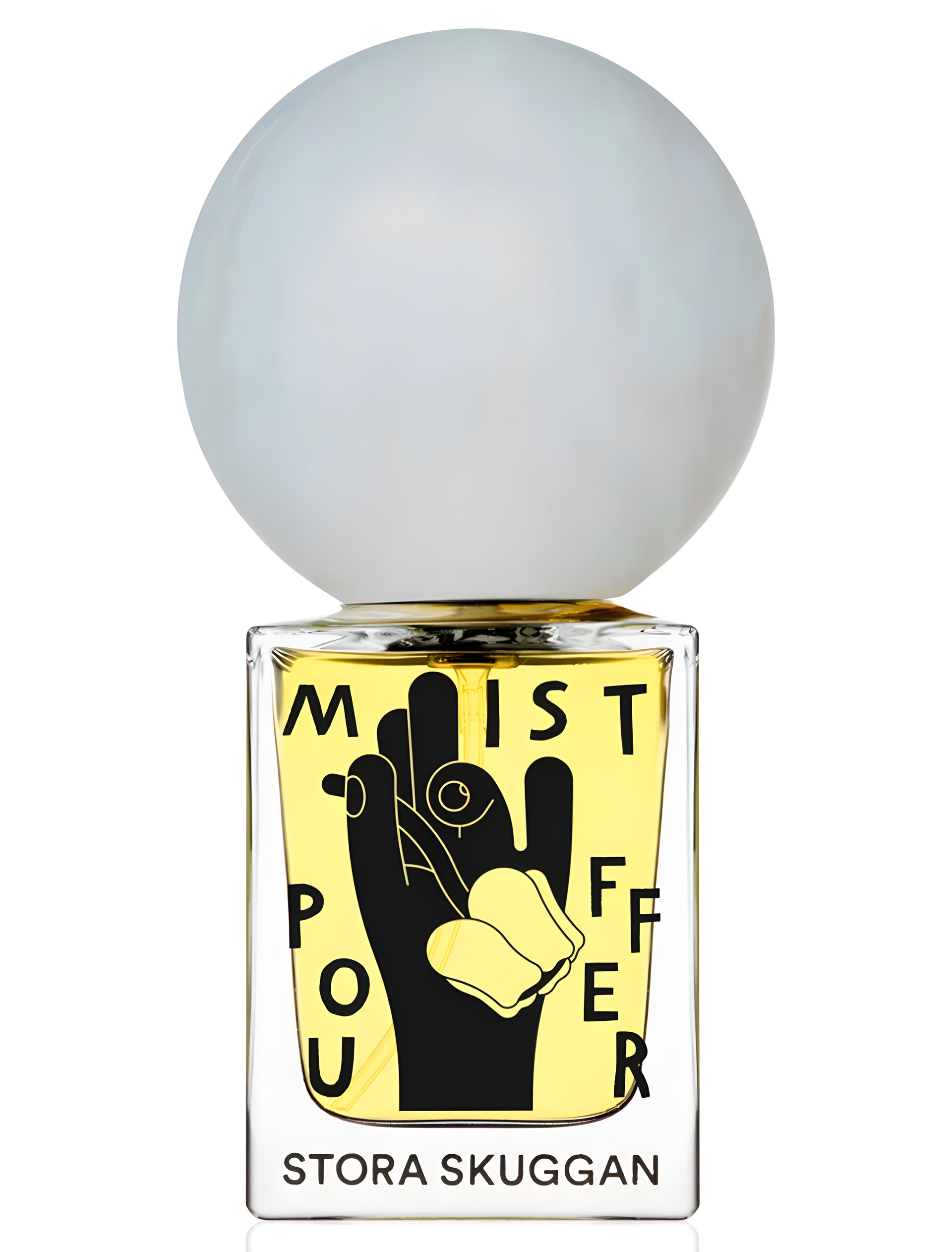
Mistpouffer from Stora Skuggan smells of cool, sweet, powdery porcelain, dainty and delicate like a small ivory sculpted ballerina on a shelf, but there’s a weirdly mineralic, off-kilter herbal note as well, wrapped up in a bit of foggy fluff, almost like a little gossamer candy-floss salted black licorice bouquet. Ultimately it reminds me of the ceramic Broken Ladies of artist Jessica Harrison--charmingly feminine figurines, bloodied with intricate anatomical horrors--perhaps a bit too much for sensitive types, but those of you who dig macabre delights will love these twisted ceramic beauties. And I think that’s what Mistpouffer is, too: a soft, subtly twisted beauty.
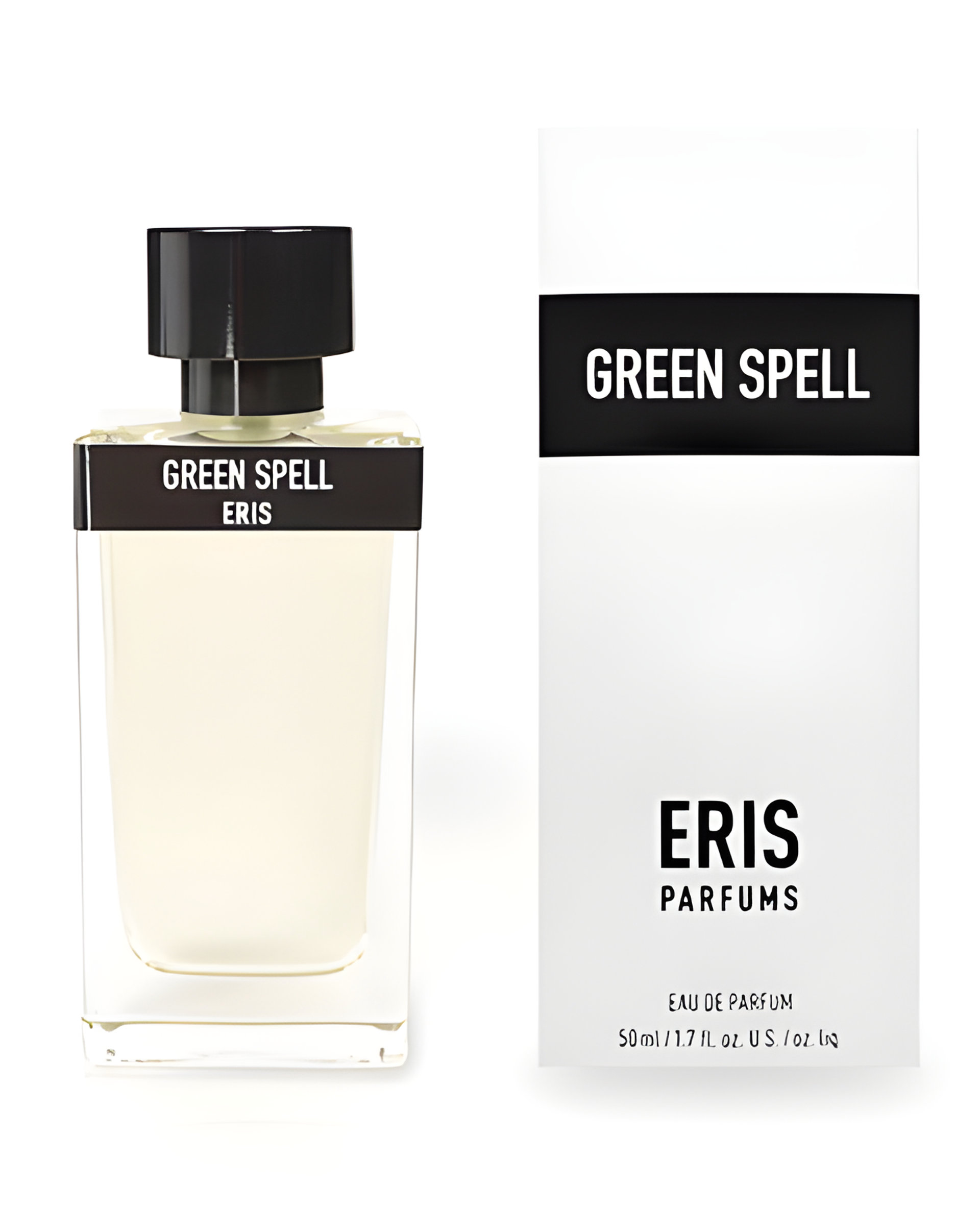
Green Spell from Eris Parfums is as if a celestial being of 100% chlorophyll descended from the heavens, its wings a crushing flutter of many leaves, broad and flat, delicate and curled, waxen, rubbery, pliant, radiating every variation of veridian. In a voice like seeping moss, like eroding rock, like insect wings disintegrating into the earth, it whispers to you, "Like, be not afraid, or whatever." It's the endless trailing succulent stem of a bittersweet pennywort patch through the soil until you reach a darkly massive gnashing malachite rootball nightmare. You awake with emerald scratchings on your palm and jade lashings of fern in your teeth.
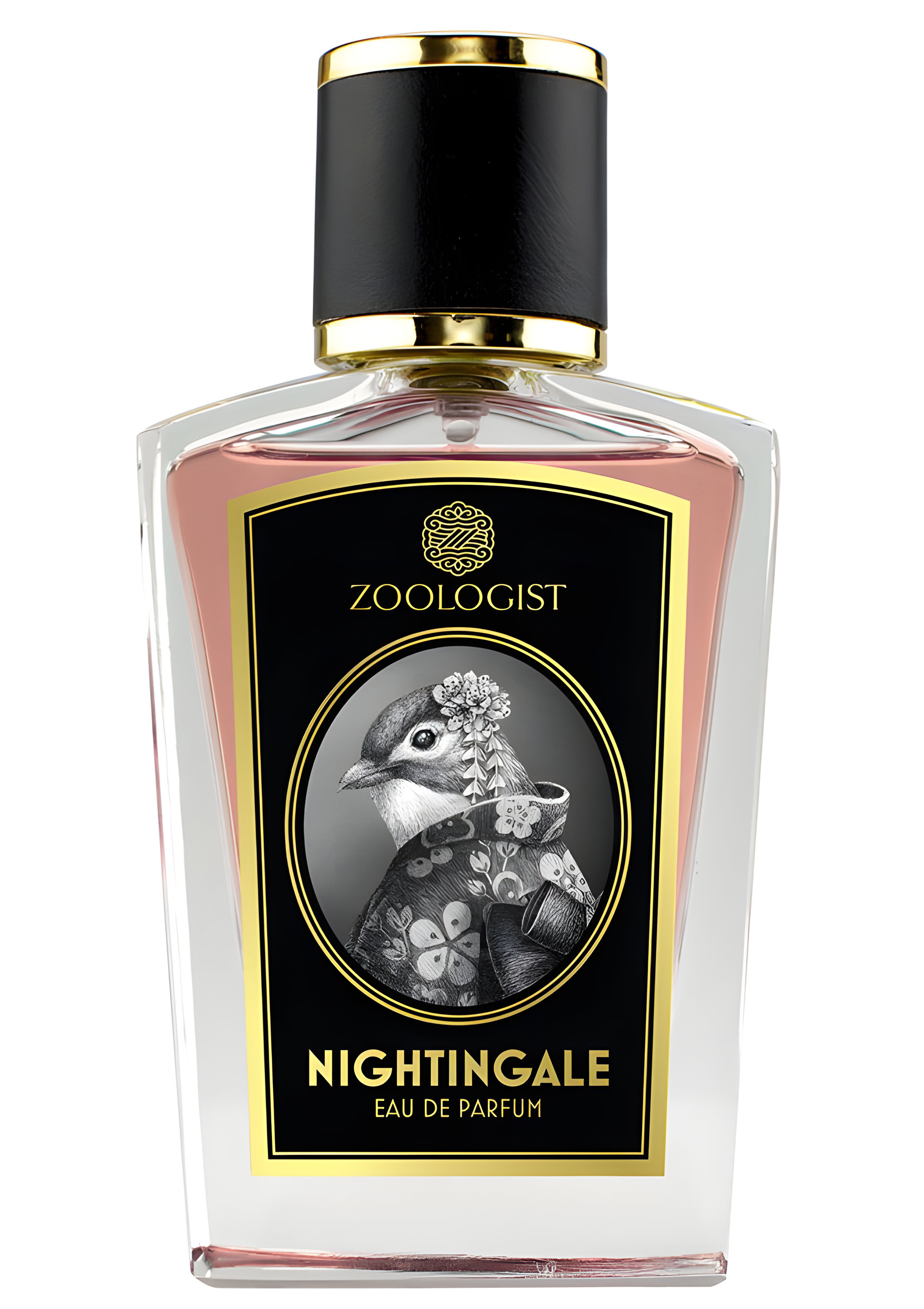
Nightingale from Zoologist is, on paper, something I initially wouldn’t have thought my cup of tea--but that just goes to show what I know. This is an opulent mossy plum blossom with bitter, earthy oud, and hints of a sour, lemony geranium–like rose. It’s being referred to as a pink floral chypre which, probably because of my associations with all things pink, rings frilly and frivolous for what turns out to be a breathtakingly stunning fragrance with an unexpected complexity that translates into something profoundly emotional. In reading an interview with the perfumer, I learned that the inspiration for this perfume was an ancient poem written by Fujiwara no Kenshi, sister to the empress at that time. The empress was apparently trading her imperial duties for Buddhist vows, and upon her departure, her sister gifted her an agarwood rosary wrapped in a box with ribbons and a branch of plum blossom and read to her a poem she had written: “Soon you will be wearing a black robe and enter nunhood. You will not know each rosary bead has my tears on it.” I truly do get a sense of love, loss, sisterhood, and yearning, and somehow, through that perspective, I even experience an existential sadness regarding the transient nature of time and existence. What a beautiful and evocative fragrance
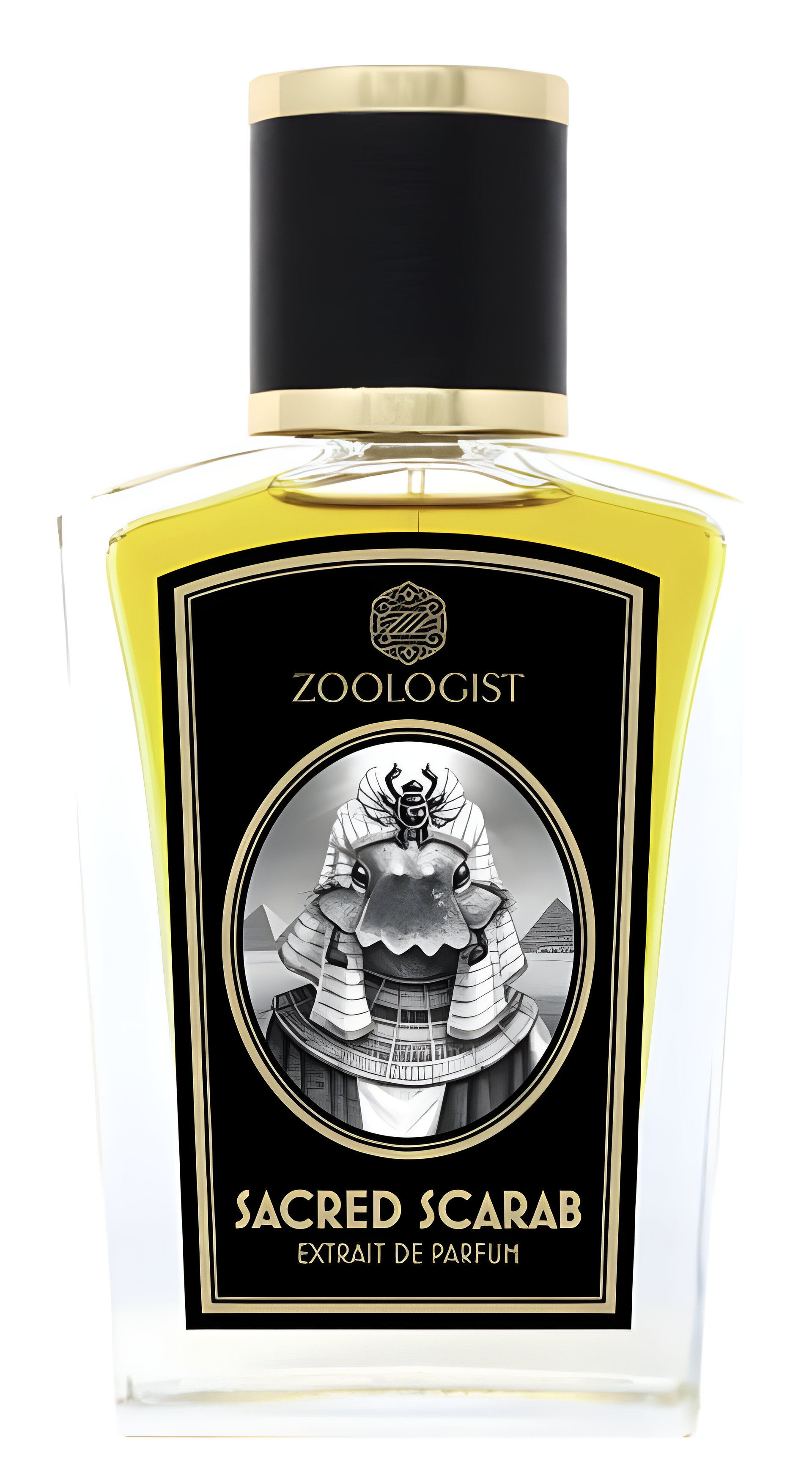
Sacred Scarab is a scent of bitter, lemony aldehydes and earthy, murky, dusky musks, and when I say earthy, I don’t mean damp, loamy garden soil, but rather dusty clay, and subterranean strata of sedimentary rock, digging so far down into the earth you encounter tenebrous geological formations and stygian crystalline structures ostensibly connected to the earth’s deep history–and yet to your unbelieving eyes or mine, wholly alien and otherworldly. It’s a fragrance that evokes at least a minor feeling of, if not the reality of a crumbling collapse of space and time, the prelude to the ecstatic rites of an ancient mystery cult of earth and stone. That initial mineralogical melodrama is breathtaking, and I probably enjoy those 15-20 minutes of the fragrance best, but the next stage and the dry down, a sort of "burnished date/sticky raisin resin incense scattered in the dry wood of a smooth cedar dish" vibe, is lovely as well and worth the wait, if you find the early sniffs are too overwhelming. I can’t decide if this scent is a prayer or a protest, a comfort or a curse, and I deeply love the unknowable mystery of that.
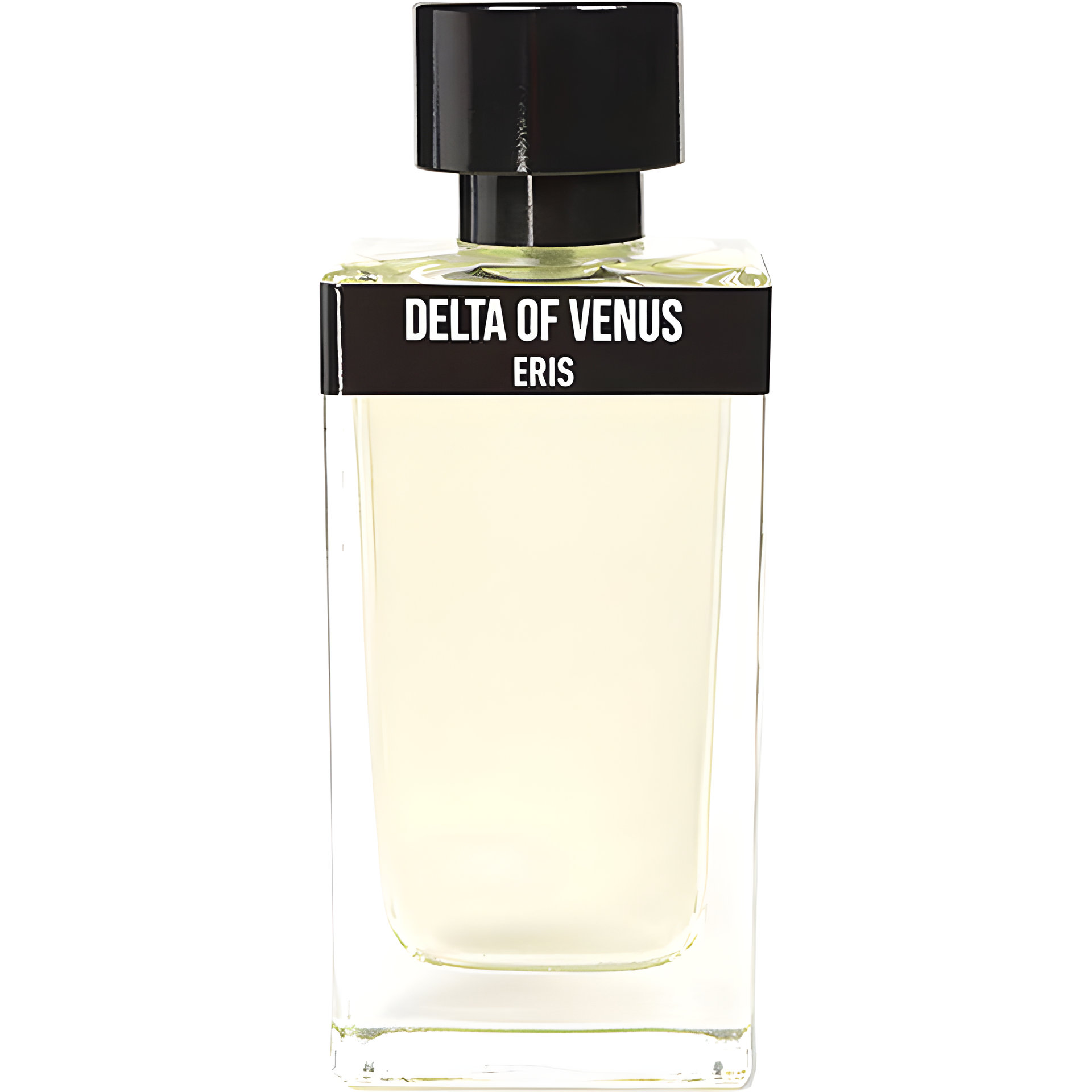
Delta of Venus is built around guava, and here’s a confession: I have never smelled or tasted guava, so it’s not for me to say how realistic it is, but here’s another confession: I don’t come to fragrance for realism, so who cares! What I do experience is a fragrance ravenously lush and rosy-glowing with exuberance, a thronging pulse of velvety sunset mango, the tart-tinglingly bright shiver of pineapple, and the bittersweet toe-curling juicy astringency and vaguely funky musk of pink grapefruit. There’s nothing dark about this scent, but there’s an underlying luxe, shadowy floral that I can’t help but associate with black velvet in a way, in gorgeous contrast to those invitingly vibrant tropical fruits. In my mind’s eye, this is a brooding black velvet vanitas painting with a prismatic profusion of soft fruits tumbling lusciously off the canvas.
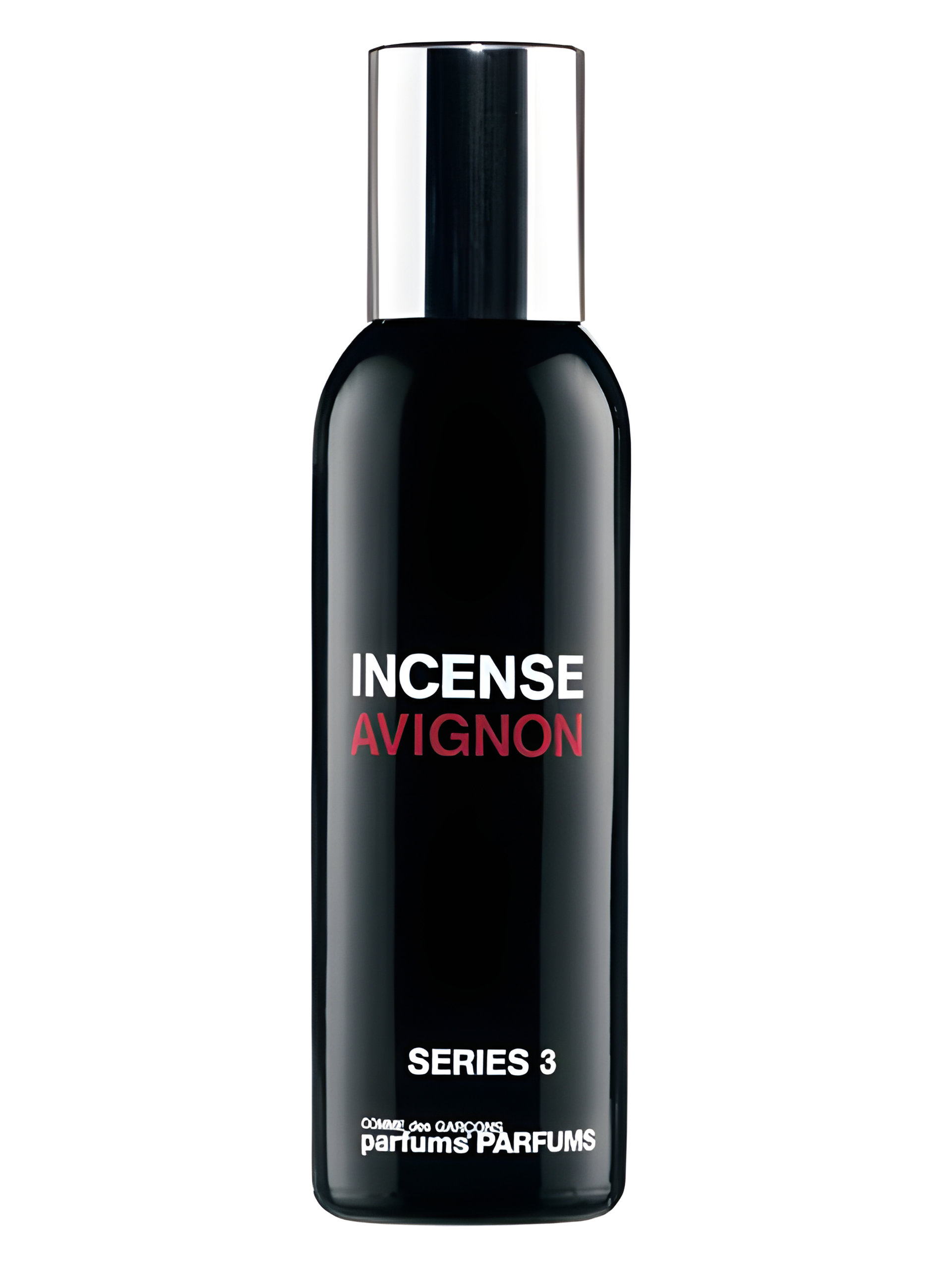
The first time I sampled Avignon, it was sweltering high summer and I was not prepared to appreciate it. I found it too clean and thin—it initially made me think less of the wooden pews, stone walls, and soaring vault of a cathedral and more of a spotless church bathroom. Being accustomed to the woodier notes of the other fragrances in CDG’s Incense series, I was a little confused by its airy, fizzy, vanilla-cola sweetness. (Having attended catholic mass exactly once in my life, I also had next to no familiarity with church incense itself). I rated Avignon as my least favourite of the series, with the caveat that I still haven’t sampled Jaisalmer. How things have changed! Now that the chill of autumn has set in, I’ve been craving warmer, sweeter, resinous aromas and seeking out more amber and incense perfumes. I’ve grown very fond of the incense bases in CDG 2 Man and Eris’ Scorpio Rising, in which incense is blended with leathery notes—also the case in Trudon’s Revolution and CDG Zagorsk, both of which I enjoy. Trudon Mortel is a dark, spicy (but still woody) take on church incense that led me down the path of appreciating ecclesiastical frankincense and myrrh as the focus of a fragrance, and Jovoy’s Liturgie des Heures is an even purer church incense with a rich, musky, slightly boozy amber sweetness. But coming back to Avignon in this frame of mind revealed a completely new experience. In cold weather, its chilly austerity unfolds its celestial wings, clean and pure. It’s relaxing and meditative, with a fine, rarefied sweetness that develops from the sparkling elemi/aldehyde c-12 opening into a subtle, resinous vanilla. The blending of the various notes (chamomile, labdanum, ambrette, cedar, patchouli, rosewood, oakmoss) is superbly smooth and unified, like the harmony of voices in a Gregorian chant—I salute Bertrand Duchaufour’s mastery! I’ve gone from being intrigued to borderline obsessed, craving a sniff of aldehydic olibanum even on days when I feel like wearing a different fragrance. I still have a list of other church-incense frags to try (with Filippo Sorcinelli at the top), but now I get why Avignon is such a revered reference. I’m a convert. 🙏