Articles
Ricevi la Fragletter
Nuove storie e selezioni di fragranze nella tua casella di posta. Puoi disiscriverti quando vuoi.
Nuove storie e selezioni di fragranze nella tua casella di posta. Puoi disiscriverti quando vuoi.
Nuove storie e selezioni di fragranze nella tua casella di posta. Puoi disiscriverti quando vuoi.
Nuove storie e selezioni di fragranze nella tua casella di posta. Puoi disiscriverti quando vuoi.
Nobody buys a bottle blind. By the time you spray anything, the house has already told you what to think — through the flacon, the price, the copy on the box, the face in the campaign. That isn't a scandal, it's the job, and it's worth knowing how the job gets done.
A perfume house sells you a scent second. First it sells a position: who you'd be, wearing this. Pretending otherwise is naive.
Houses used to make fragrance and let the shop floor do the talking. Now the story lands before the juice does — the packaging, the campaign, the founder's origin myth, even the weight of the cap. Some of that is craft. A lot of it is theatre, and the theatre often costs more than what's inside the bottle.
The honest version: a brand is a promise about how a fragrance should make you feel, made before you've smelled a drop of it. Good houses keep the promise. The rest just repeat it louder.
Pro tip: Read the story a house tells about itself, then check whether its fragrances back it up. Plenty don't.
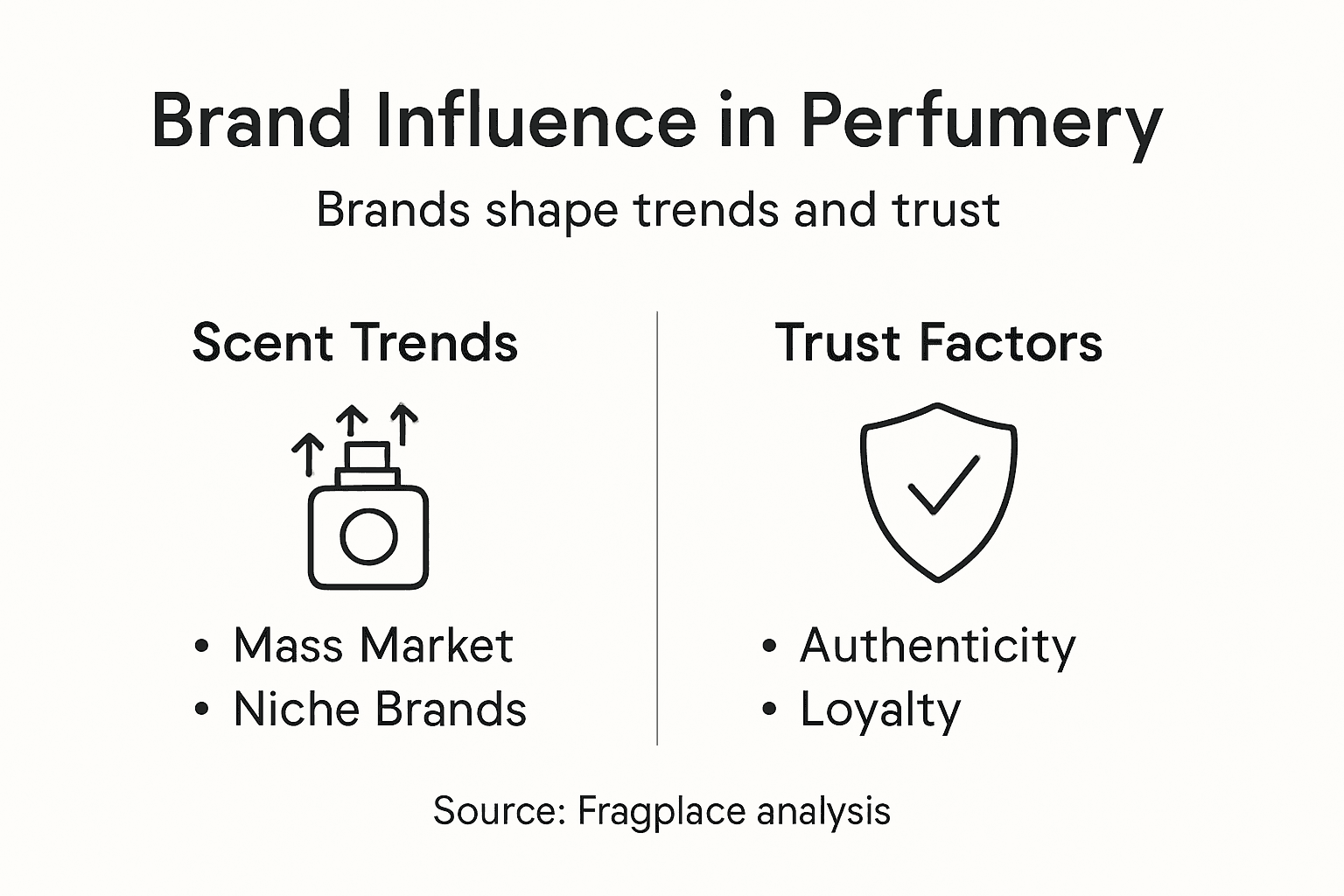
Mass, luxury, niche: three price brackets that have learned to describe themselves as philosophies. The split is real, though, and it decides what gets made.
Mass-market houses chase the widest possible agreement, which is why so much of that shelf smells like a clean shirt — inoffensive by design, and priced so you don't think twice. Luxury sells scarcity and a narrative, with the composition built to justify the number on the till. Niche is where the genuinely odd ideas get funded, and also where the worst value hides: a small house with a tight story can charge designer-plus for something thin. Category is a clue, not a guarantee. And none of these brackets sit still — they move as taste moves.
Geography pushes back on all of it. Asian markets lean lighter and fresher, Middle Eastern buyers tend towards richer, more complex oriental compositions, and European taste runs to layered blends of the traditional and the contemporary. A house selling into all three has to be fluent in all three, which is harder than the marketing makes it sound.
Pro tip: Work out which category a house is playing in before you judge the price. It explains most of what a fragrance is trying to do.
How the three brackets compare, and what each signals to a buyer:
Brand identity does a fair chunk of the smelling for you, and you should know that going in. A name on a bottle sets your expectations before the sprayer moves, and expectation is a powerful ingredient.
People wear perfume as a statement about themselves, so houses write the statement in advance. Luxury brands are the best at it: attach a fragrance to aspiration and status for long enough and buying it starts to feel like joining something. That's how a mediocre composition with a great story outsells a brilliant one with none.
Influencer marketing sped the whole thing up. A partnership turns an abstract brand promise into a person you already follow, and that builds credibility faster than any advert. It also burns out. When the same bottle turns up in forty near-identical clips, the recommendation stops reading as taste and starts reading as a media buy. The partnerships that survive are the ones where you'd believe the person would have bought it anyway.
Pro tip: Ask whether an influencer's enthusiasm would survive without the fee. The answer tells you how much of a launch is real.
Brand authenticity is the most-claimed and least-earned word in perfumery. It isn't a slogan about craft. It's whether a house says the same thing for a decade and then does it.
Reputation gets built out of unglamorous things: heritage, consistent quality, staying recognisable. An old house can lean on its archive as evidence it knows what it's doing, and that credibility is often deserved — a century of practice isn't nothing. It's also the easiest asset to coast on. A heritage name that quietly thins out a classic and says nothing spends decades of goodwill in a single production run, and the people who notice are exactly the customers it can least afford to lose.
Loyalty comes from the boring version of authenticity. The bottle smells the way it did last time. The story hasn't been rewritten to chase a trend. The house talks to you like an adult. Do that for years and buyers stop shopping around. The rest is decoration.
Pro tip: Check whether a house's message has held steady over the years. Consistency is a better loyalty signal than any heritage claim.
The dimensions that keep buyers coming back:
Digital transformation did to perfume marketing what it did to everything else: made it faster, cheaper to target, and much harder to escape.
Segmentation is the whole game now. Data, social platforms and hand-picked partnerships let a house speak to twenty audiences at once, so the launch you see is rarely the launch anyone else sees. Done well, that's genuinely useful — you hear about the releases that suit you. Done lazily, it's the same three adjectives rotated per demographic.
Sustainability, ethical production and transparent storytelling have become selling points in their own right, and that's mostly progress. Treat the claims with a raised eyebrow until a house shows its working, because words like 'clean' and 'responsible' do a lot of unspecified work in a campaign. The houses worth your money name the sourcing, the supplier or the change they made. The others print a leaf on the box.
Pro tip: Judge a marketing campaign by what it can prove. Vague values talk is decoration; specifics are a commitment.
Cultural symbolism is where perfume stops being a product and becomes a signal. Scent carries memory and belonging, which is why fragrance crosses borders better than most consumer goods.
Houses act as translators here. A Middle Eastern attar tradition and a Western designer launch are doing similar work in different dialects — marking occasions, announcing who you are, saying the thing you'd rather not say out loud. The better brands learn the dialect before they borrow from it.
The borrowing is where it goes wrong. Chasing universal appeal can flatten a specific tradition into a marketable accord, and the culture it came from gets a line in the press release and nothing more. When it's handled with care, though, a house does move ideas between places, and that influence is real rather than decorative.
Pro tip: Look at how a house handles cultural references — borrowed with credit, or lifted for atmosphere. It tells you what kind of company you're buying from.
Brands are useful shorthand. Category tells you what a fragrance is trying to be, and a house with a consistent record is worth paying a little more for, because it's the one that won't disappoint you twice. But narrative is the cheapest thing a company can manufacture, and the gap between a beautiful story and a good perfume is wider than the industry likes to admit. Trust the houses that repeat themselves. Stay sceptical of the ones forever reinventing what they stand for.
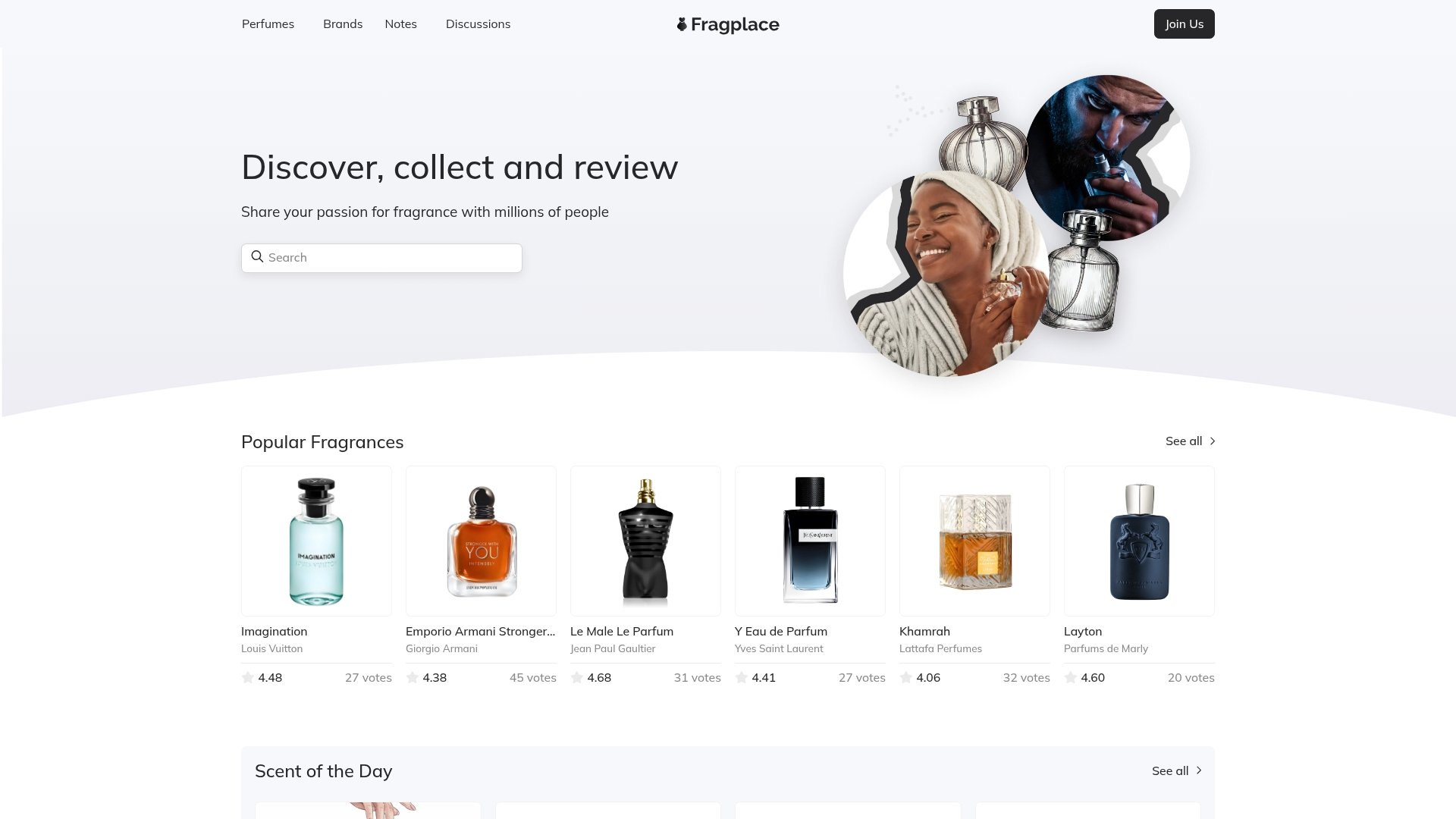
Want to test the pitch against the bottles? Start with Most Popular Brands to see which houses people actually keep returning to, then join the conversation at Fragplace for note breakdowns, reviews and honest disagreement from people who buy on more than the advert.
Brands set your expectations before you smell anything. They build narratives and identities around a composition, so half the emotional response is shaped by the time the fragrance reaches your skin.
Mass, premium and niche each chase a different buyer, and that choice drives the scent profiles they commission. Trends spread when one bracket copies a success from another.
Because trust is the one thing that survives a weak launch. Consistent messaging, a heritage that means something and quality that doesn't drift are what turn a single purchase into a repeat one.
Digital targeting and personalised storytelling decide which fragrances you ever hear about. That framing shapes what you prefer long before scent gets a say.
| Point | Details |
|---|
| Role of Brands | Brands in perfumery act as cultural architects, curating narratives that connect scents with emotions and personal identities. |
| Brand Categories | The perfumery market is divided into mass, luxury, and niche categories, each influencing scent trends and consumer targeting. |
| Consumer Preferences | Brand identity impacts consumer perceptions, with successful storytelling and emotional engagement shaping purchasing behaviours. |
| Cultural Impact | Perfume brands serve as cultural ambassadors, translating diverse societal experiences through scents and narratives. |
| Brand Category | Key Features | Target Audience | Typical Scent Profile |
|---|
| Mass Market | Affordable, broad appeal | General consumers | Simple, fresh, versatile |
| Luxury | Premium pricing, rich narratives | Aspirational, status-focused | Complex, exclusive, refined |
| Niche | Artistic focus, limited editions | Connoisseurs, trendsetters | Unconventional, bold, unique |
| Branding Factor | Influence on Loyalty | Example Brand Practice |
|---|
| Heritage Narrative | Builds trust over time | Celebrates historic milestones |
| Emotional Storytelling | Fosters deep engagement | Uses meaningful brand symbols |
| Consistency | Ensures consumer confidence | Maintains scent quality and design |
| Authenticity | Strengthens lasting relationships | Upholds transparent communication |