Articles
Hol dir den Fragletter
Neue Duftgeschichten und Empfehlungen in deinem Postfach. Jederzeit abbestellbar.
Neue Duftgeschichten und Empfehlungen in deinem Postfach. Jederzeit abbestellbar.
Neue Duftgeschichten und Empfehlungen in deinem Postfach. Jederzeit abbestellbar.
Neue Duftgeschichten und Empfehlungen in deinem Postfach. Jederzeit abbestellbar.
Eine Flasche für jede Situation ist das Duftäquivalent dazu, denselben Anzug ins Fitnessstudio und zu einer Beerdigung zu tragen. Ein Duft-Wardrobe behebt das: eine kleine Auswahl an Düften, die für die Orte ausgewählt wurden, an die du tatsächlich gehst, anstatt für das, was im Geschäft am lautesten gerochen hat. Wenn du es richtig machst, hörst du auf, Flaschen zu kaufen, die du nie benutzt.
Ein Duft-Wardrobe ist kein Regal mit Flaschen, die du zufällig angesammelt hast. Es ist eine kuratierte Auswahl an Düften, die für verschiedene Stimmungen und Anlässe geeignet ist, nach dem gleichen Prinzip wie ein Kleiderschrank: Du möchtest Optionen für den Raum, in den du gehst, nicht ein Outfit, das jeden Job schlecht macht.
Duft war nie nur eine Abdeckung für Körpergeruch. Parfümerie ist ebenso ein psychologisches Geschäft wie ein chemisches, und Duft trägt kulturelle und persönliche Narrative neben der Vorliebe. In allen Kulturen verwenden Menschen es, um eine individuell spezifische Duftmischung aufzubauen - ein Signal dafür, wer du bist, nicht ein Deodorant.
Ein umfassendes Duft-Wardrobe deckt typischerweise einige strategische Rollen ab:
Die Belohnung ist nicht, in fünf verschiedenen Arten gut zu riechen. Es ist Kontrolle. Duft moduliert, wie du wahrgenommen wirst, und bewusst zu wählen bedeutet, dass du entscheidest, welche Version von dir durch die Tür kommt - die ruhige um 9 Uhr, die lautere um 21 Uhr.
Hier ist ein Vergleich der Kategorien des Duft-Wardrobes und ihrer idealen Anwendungen:
Pro-Tipp: Kaufe Proben, bevor du Flaschen kaufst. Trage jede über einen längeren Zeitraum, damit du sehen kannst, wie sie mit deiner eigenen Körperchemie funktioniert, anstatt wie sie auf dem Papier wirkt.
Duftfamilien sind ein Ablagesystem, kein Persönlichkeitstest. Flüchtige chemische Verbindungen erzeugen unterschiedliche sensorische Profile, und sie zu gruppieren gibt dir eine Möglichkeit, über Duft zu sprechen - und zu erkennen, wann du dasselbe viermal gekauft hast.
Die primären Duftkategorien umfassen typischerweise:
Die Produktion teilt sich zwischen natürlicher Extraktion und synthetischer Zusammensetzung. Natürliche Düfte beinhalten die Extraktion ätherischer Öle aus botanischen Quellen; synthetische Versionen sind so konzipiert, dass sie spezifische Effekte nachahmen oder verstärken. Behandle "100 % natürlich" als Marketinglinie und nicht als Qualitätsmerkmal - viele der Zusammensetzungen, die die Menschen am meisten lieben, setzen stark auf synthetische Stoffe, weil einige Dinge einfach kein Öl abgeben.
Die Kenntnis der Familien ist hauptsächlich als Einkaufsfilter nützlich. Wenn dein Regal drei Holzarten tief ist, ist die Lücke in deinem Wardrobe offensichtlich, und du wirst aufhören, den vollen Preis zu zahlen, um etwas wiederzuentdecken, das du bereits besitzt.
Pro-Tipp: Probiere über Kategorien hinweg, die du für unangenehm hältst. Die Familie, die du aus Prinzip ausschließt, ist normalerweise die, die dein nächster Favorit versteckt.
Saisonale Regeln sind Richtlinien, keine Gesetze - trage das Oud im Juli, wenn du willst. Aber es gibt einen Grund, warum die Konventionen bestehen geblieben sind: Wärme drängt einen Duft stärker, und Kälte schluckt alles Zarte.
Die saisonale Duftrotation erfordert durchdachte Überlegungen:
Die Auswahl von Düften für spezifische Anlässe folgt klaren Richtlinien:
Die Bürosregel ist die, die die Leute am häufigsten brechen. Wenn ein Kollege deinen Duft vom nächsten Schreibtisch aus identifizieren kann, ist es der falsche Duft für diesen Schreibtisch - bewahre ihn für nach sechs auf, wo die gleiche Intensität als Absicht und nicht als Eindringen wahrgenommen wird.
Um bei der Auswahl von Düften für jede Saison zu helfen, hier eine Referenztabelle, die die Duftmerkmale zusammenfasst:
Pro-Tipp: Halte eine vielfältige Sammlung mit 2-3 Düften für jede Saison und jeden Anlass, um maximale Vielseitigkeit zu gewährleisten.
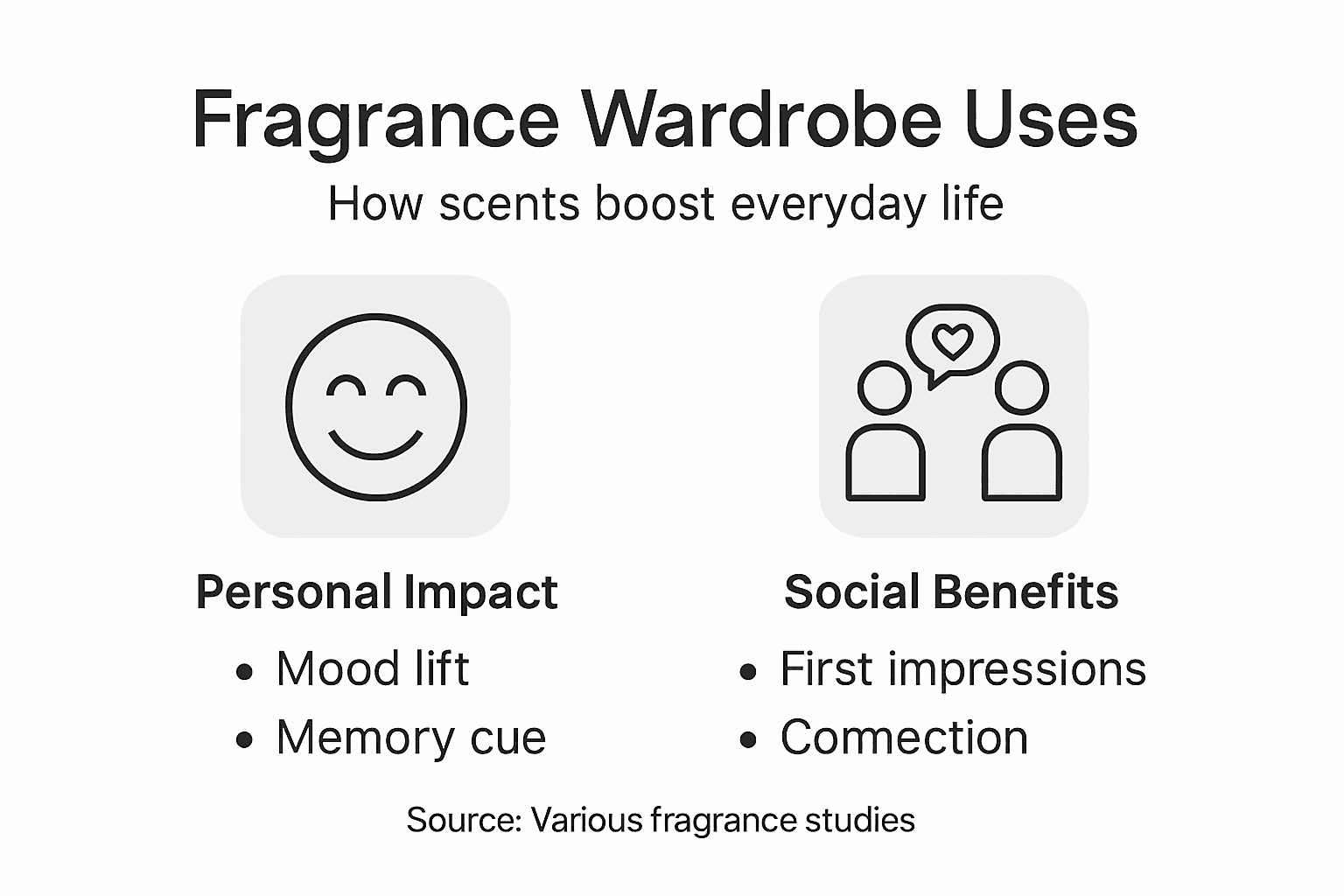
Der ehrliche Vorteil ist der, der dich zuerst erreicht. Duft verändert, wie du dich selbst trägst, bevor er die Meinung anderer beeinflusst.
Die praktischen Vorteile einer strategischen Duftauswahl umfassen:
Psychologische Forschung betrachtet Düfte als Kommunikation und nicht als Dekoration - Werkzeuge zur Navigation in sozialen Umgebungen und zur Steuerung deines eigenen emotionalen Zustands. Das ist eine faire Beschreibung dessen, was ein gutes Wardrobe im Alltag tut.
Es ist jedoch kein Abkürzungsweg. Duft wird kein schlechtes Vorstellungsgespräch retten oder Charisma erzeugen, das du nicht hast. Was es tut, ist, eine Variable zu entfernen: Du bist nie die Person, die riecht wie die Bar von letzter Nacht, weil es die einzige Flasche im Regal war.
Pro-Tipp: Investiere in Probiergrößen, um zu experimentieren, bevor du dich für volle Flaschen entscheidest - es ist der günstigste Weg herauszufinden, dass der Duft, den du im Geschäft geliebt hast, nicht der ist, den du um 8 Uhr morgens tragen möchtest.
Die meisten Duftenttäuschungen sind Anwendungsprobleme, keine Flaschenprobleme. Die Leute geben dem Saft die Schuld, wenn der Fehler in der Technik oder dem Schrank liegt, in dem er gestanden hat.
Häufige Duftfehler umfassen:
Technische Anwendungsstrategien helfen, diese häufigen Fehler zu mindern:
Überanwendung ist die teure und am schwersten zu erkennende. Du wirst lange bevor der Raum es tut, geruchblind für deinen eigenen Duft, sodass die Anzahl der Sprühstöße, die sich für dich richtig anfühlt, normalerweise die Anzahl ist, die alle anderen stört. Korrigiere auch die Lagerung - ein Badezimmerfensterbrett ist der schnellste Weg, etwas zu ruinieren, für das du bezahlt hast.
Pro-Tipp: Bewahre Duftproben in einer speziellen kühlen, dunklen Schublade auf, um ihre Integrität zu bewahren und vorzeitige Zersetzung zu verhindern.
Hier ist das Urteil. Verfolge kein Wardrobe mit zehn Flaschen. Hol dir drei, die ihren Platz verdienen - eine, die leise genug für die Arbeit ist, eine schwerere für die Abende, eine leichte für den Sommer - und füge von dort saisonal hinzu. Fast jeder wäre mit diesem Trio besser bedient als mit einer weiteren Impulsflasche aus derselben Familie wie die letzten vier.
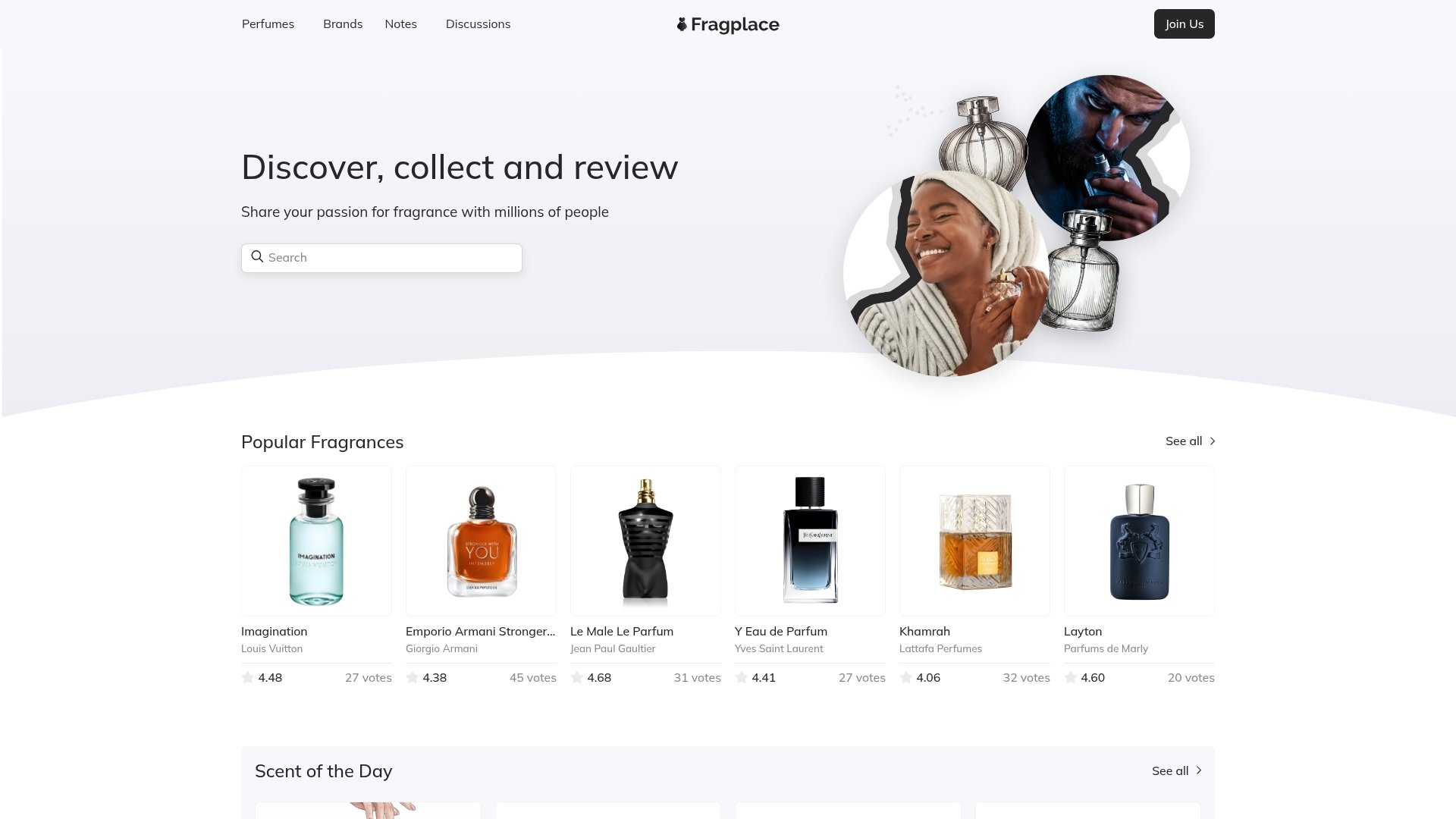
Auf Fragplace.com kannst du die Grundlagen erledigen, bevor du etwas ausgibst: Lies die vollständigen Notenanalysen, sortiere die ehrlichen Bewertungen von der Hype und frage Leute, die die Flasche besitzen, um die du kreist. Es ist der Unterschied zwischen dem Aufbau einer Sammlung und dem Ansammeln einer.
Beginne auf Fragplace.com, indem du die Lücke in deinem eigenen Regal suchst - die Saison oder den Anlass, für den du nichts hast. Schreibe dann eine ehrliche Bewertung der Flasche, die du am häufigsten greifst, und hilf der nächsten Person, einen Fehler zu vermeiden, für den du bereits bezahlt hast.
Eine kuratierte Auswahl an Düften, die verschiedenen Stimmungen, Anlässen und Ausdrucksformen zugeordnet sind - die gleiche Idee wie ein Kleiderschrank, angewendet auf deinen Schminktisch.
Weil ein Duft nicht jede Aufgabe erfüllen kann. Verschiedene Düfte passen zu verschiedenen Räumen, beeinflussen, wie Interaktionen verlaufen, und lassen dich den Ton für das Event setzen, an dem du tatsächlich teilnimmst.
Gehe leichter und frischer, wenn es wärmer wird, und schwerer, wenn es kühler wird: Zitrus für den Sommer, warme Orientalen für den Winter, florale Düfte für den Frühling, würzige Noten für den Herbst. Es folgt sowohl der Stimmung als auch dem Wetter.
Überanwendung, falsche Lagerung, Sprühen auf trockene Haut, Ignorieren von Pulsstellen und Reiben nach der Anwendung. Korrigiere die Technik und dieselbe Flasche funktioniert deutlich besser.
| Punkt | Details |
|---|
| Wichtigkeit des Duft-Wardrobes | Ein Duft-Wardrobe verbessert die persönliche Identität und soziale Interaktionen, indem es Düfte für verschiedene Anlässe und Stimmungen bietet. |
| Strategische Duftauswahl | Wähle Düfte bedacht basierend auf saisonalen Veränderungen und spezifischen sozialen Kontexten für eine effektive persönliche Ausdrucksweise. |
| Praktische Vorteile | Ein kuratiertes Duft-Wardrobe kann das Selbstbewusstsein stärken, die soziale Anziehung verbessern und bei der Stimmungskontrolle helfen. |
| Anwendungstechniken | Vermeide häufige Fehler wie Überanwendung und falsche Lagerung, um die Duftleistung und -haltbarkeit zu optimieren. |
| Kategorie | Beste Verwendung | Typischer Duftstil |
|---|
| Signaturduft | Tägliches persönliches Tragen | Zeitloses, ausgewogenes Profil |
| Berufsduft | Arbeitsumgebungen | Subtil, niedrige Projektion |
| Abend/Formal | Besondere Anlässe | Reichhaltige, komplexe Akkorde |
| Lässiger/Wochenend | Freizeit und Entspannung | Einfache, zugängliche Noten |
| Saisonale Variation | Anpassung an das Klima | Leicht oder warm, saisonal basierend |
| Saison | Bevorzugte Noten | Sensorischer Effekt |
|---|
| Sommer | Zitrus, aquatisch, grün | Kühlend, energetisierend |
| Herbst | Würzig, holzig, gourmand | Behaglich, reich |
| Winter | Orientalisch, tief holzig | Luxuriös, wärmend |
| Frühling | Blumig, grün, sanfte Kräuter | Frisch, erhebend |