Articles
Hol dir den Fragletter
Neue Duftgeschichten und Empfehlungen in deinem Postfach. Jederzeit abbestellbar.
Neue Duftgeschichten und Empfehlungen in deinem Postfach. Jederzeit abbestellbar.
Neue Duftgeschichten und Empfehlungen in deinem Postfach. Jederzeit abbestellbar.
Neue Duftgeschichten und Empfehlungen in deinem Postfach. Jederzeit abbestellbar.
Citrus is the most overworked idea in fresh perfumery, and it's still the part most compositions fumble. It owns the opening and then leaves — so a lazy citrus accord sours everything that follows it. With citrus top notes accounting for more than 40 percent of fresh fragrance launches each year, you'll meet plenty of both kinds.
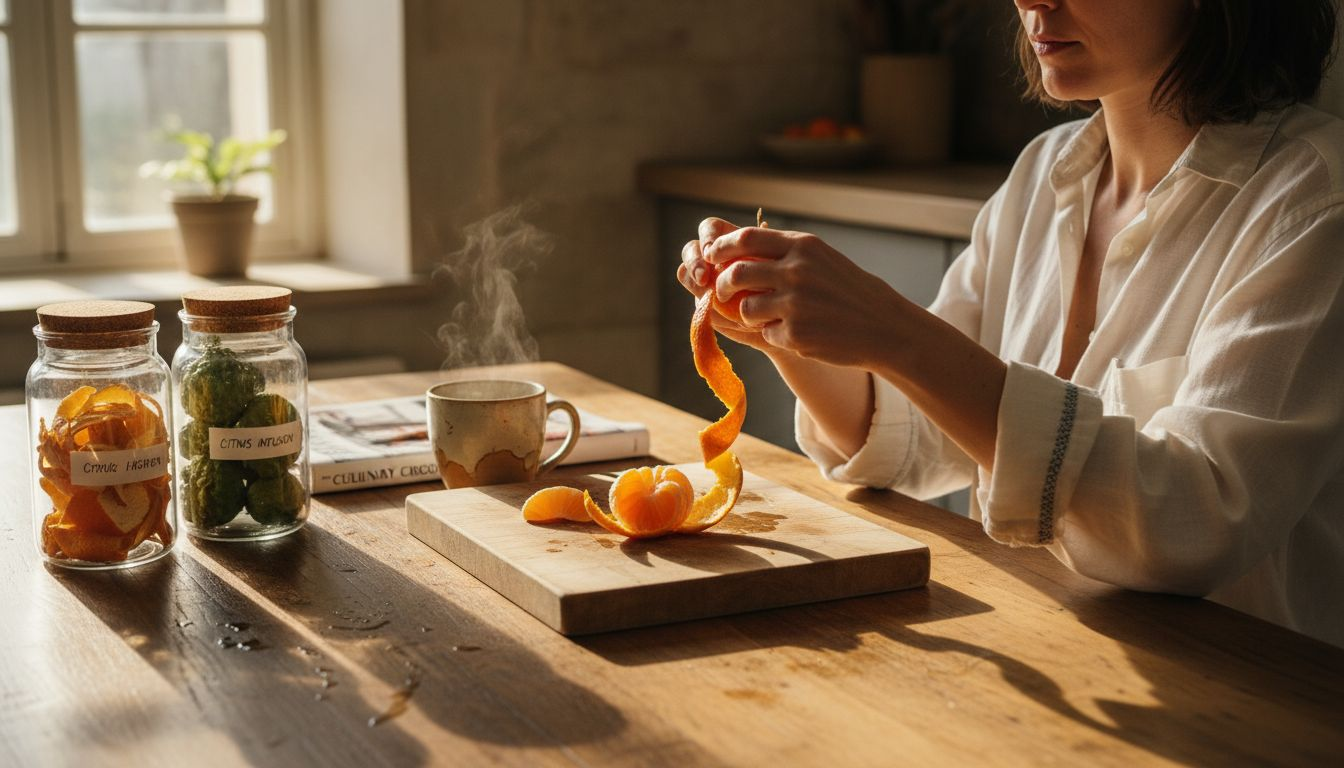
Citrus does the loudest work in a fragrance and gets the least credit for it. These are top notes — the volatile material that hits first, sets your expectations, and then clears out before the composition has properly begun. Bergamot, lemon, orange and grapefruit are the usual sources, and the job is a zesty first impression sharp enough to keep you sniffing.
That assertiveness is the whole point. Citrus is what makes a scent read crisp and clean from the first spray, and no other note category does the job as fast. But brightness on its own is thin. What separates a properly built citrus opening from a supermarket one is what's waiting underneath — the heart and base a perfumer constructs to catch the citrus as it falls away.
So treat citrus as a promise the rest of the fragrance has to keep. It dissipates rapidly, yet it dictates the personality of everything that follows, and a composition that spends its budget on the opening will feel hollow twenty minutes later. Judge a citrus-forward scent on the handover, not on the spray.
Pro tip: Give a citrus-forward fragrance 15-30 minutes before you decide anything. The opening is the sales pitch; what follows is the product.
"Citrus" covers far more ground than most note lists admit. Sweet orange, sour orange, mandarin, grapefruit, pummelo, lemon and lime all sit under the same label and behave nothing alike, which is why two "fresh citrus" launches can smell like different genres.
Sweet orange comes across as honeyed and rounded — the friendly one, used when a composition wants warmth rather than snap. Lemon and lime go the other way with a sharp, crisp brightness that's electric at the top and the quickest to tip into floor cleaner if the dose is off. Grapefruit is the interesting one: that slightly bitter edge gives citrus somewhere to go beyond fresh, which explains why it's such a favourite among contemporary perfume designers.
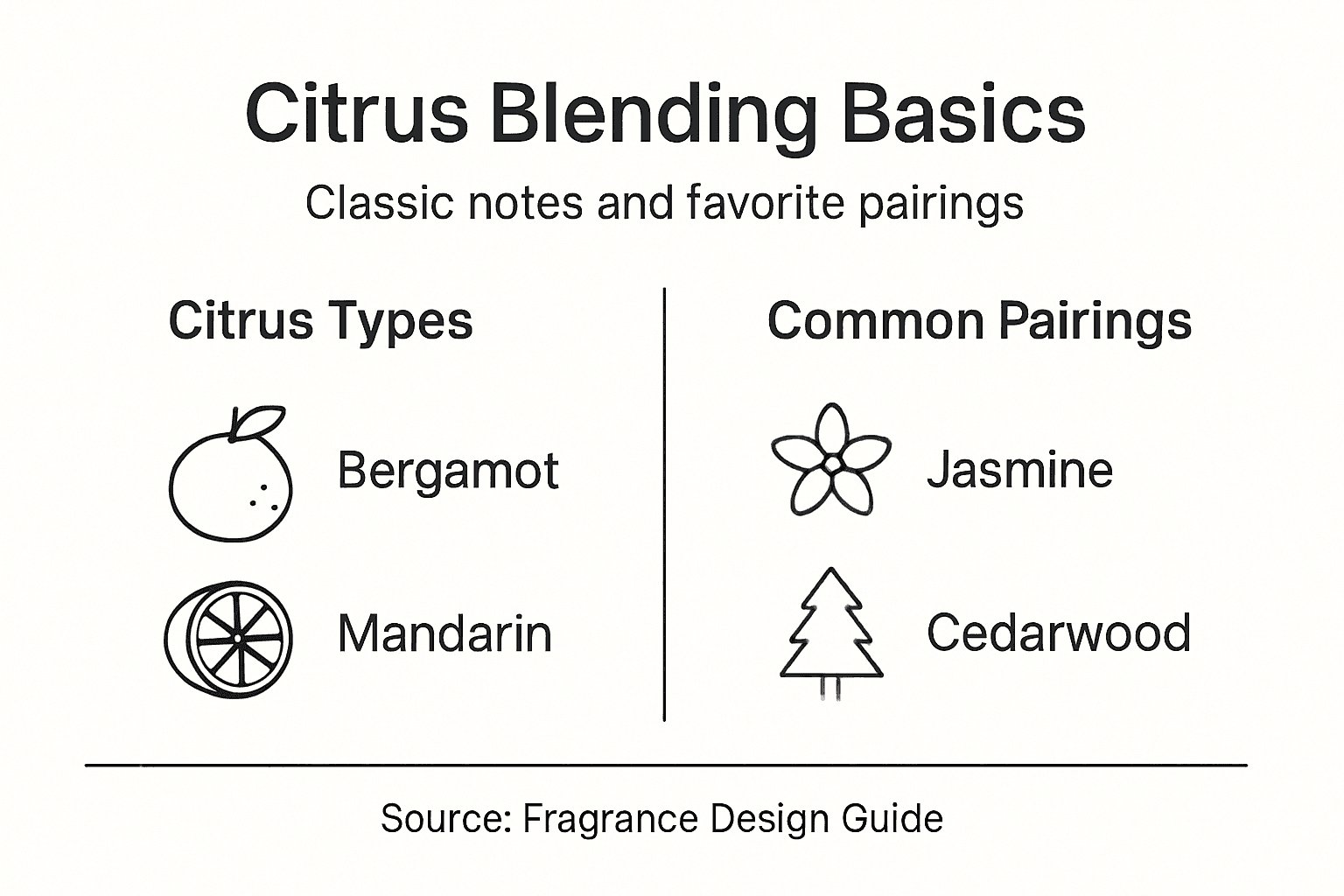
Mandarin is the quiet option, sweet-tart and lighter than the rest, and it works where lemon would shout. Bergamot is the workhorse — elegant with a slightly spicy undertone, familiar from Earl Grey tea, and the natural bridge between raw citrus and the more complex aromatic structures behind it. It's also become shorthand for "classy opening" to the point of cliche, which doesn't make it worse, only harder to notice.
Pro tip: Sample different citrus varieties at different times of day, and against your own body chemistry — the same lemon accord that reads bracing in the morning can feel abrasive at night.
Here's a comparison of popular citrus notes and their distinctive aromatic contributions:
A fragrance is layered on purpose, and citrus is almost always the layer doing the introductions. As top notes, citrus essences create the first impression, grab the wearer's attention with an immediate burst of freshness, and set the terms for everything the composition wants to say next.
They evaporate fast. That's not a flaw — it's the mechanism. The citrus opens a gateway, prepares the palate, and steps aside for the heart and base, and a perfumer who understands this will use that sharp clean profile as contrast against warmer, more sustained material rather than as the main event.
Think of citrus as a bridge rather than a decoration. Its ephemeral quality is what lets a composition feel crisp and complex at once: the initial spark gives way to more intricate development, and the citrus stops being a simple top note and becomes a structural decision. When a fragrance falls apart, this is usually where — the spark burns out and nothing catches.
Pro tip: Pay attention to the transition, not the opening. How the citrus hands over to the next layer tells you more about the perfumer's skill than the first spray ever will.
The table below summarises how citrus notes interplay with fragrance structure:
| Fragrance Layer | Citrus Role | Typical Impact on Scent |
|---|---|---|
| Top Notes | Provide initial freshness | Immediate brightness |
| Heart Notes |
Citrus is difficult to blend precisely because it won't sit still. Perfumers combine natural and synthetic materials to counterbalance that volatility, and the craft lies in setting the immediate brightness against something that lasts long enough to make it matter.
The pairings are well established for good reason. Jasmine and neroli soften citrus with a romantic counterpoint. Cedar and sandalwood give it a floor to stand on. Pepper or ginger introduce an unexpected warmth, and that friction between sharp and spicy is what pushes a citrus accord past merely fresh — if you find most citrus scents forgettable, the spiced ones are where to look.
The rest is technical. Fixatives and solvents extend the citrus notes' longevity, while musks and synthetic molecules anchor those volatile compounds so the opening slides into the middle and base instead of dropping off a cliff. Done well, this molecular choreography turns citrus from a fleeting top note into a foundational element of the composition. Done carelessly, you get a bright ten seconds attached to something else entirely.
Pro tip: Layer citrus blends deliberately and note how the combinations develop over a full day — the interesting behaviour rarely happens in the first minute.
Too much citrus doesn't smell luxurious. It smells like cleaning products, and that's the single most common failure in the category — the volatile oils overwhelm everything around them and leave a sharp, one-dimensional scent with no depth to fall back on.
There are practical constraints too. Some citrus essential oils carry potential phototoxicity risks, meaning skin sensitivity when exposed to sunlight, which is a real consideration and not a marketing footnote. The rapid evaporation forces strategic blending: fixatives and complementary notes to extend longevity, plus woody and musky base notes to anchor the composition and stop the citrus disappearing before the fragrance has said anything.
The best citrus work treats the fruit as an accent, not a headline. Precise dosage, careful layering, bright top notes balanced against complex heart and base material — it takes an intimate understanding of how citrus essences interact with everything else in the formula. Get it wrong and the scent fatigues you within the hour. That's the honest risk with this category, and plenty of releases fall into it.
Pro tip: Give a citrus fragrance at least 30 minutes on skin before judging it. Snap verdicts on the opening are how people end up with bottles they stop wearing.
Here's the verdict. If you're building a citrus wardrobe, start with bergamot and grapefruit — bergamot for its slightly spicy elegance, grapefruit for the bitterness that keeps it from going generic. Sweet orange and mandarin are the softer, safer picks if sharpness isn't your thing, and lemon and lime are the hardest to wear well, because the line between crisp and antiseptic is thin. Whatever you choose, the real test is the handover into the woods, musks and florals underneath, and that's the part you can only learn by paying attention over hours rather than seconds.
So do two things. Join Fragplace to track how your citrus-forward bottles develop, read detailed notes analysis, and argue the finer points with people who care as much as you do. Then read 7 Essential Popular Unisex Scents 2025 for Everyday Wear for where to point your nose next.
Citrus notes are aromatic compounds drawn from fruits like bergamot, lemon, orange and grapefruit. They sit at the top of a composition, delivering the immediate burst of freshness you get on the first spray.
They create the first impression and set the fragrance's character before the middle and base notes take over. Their volatile nature is what supplies the brightness and energy up front — and why the transition out of them matters so much.
Bergamot, lemon, sweet orange, grapefruit, mandarin and lime are the usual suspects. Each contributes a different profile, from the sharpness of lemon to the warm sweetness of sweet orange, which is why "citrus" tells you far less about a fragrance than people assume.
Balance them against deeper heart and base notes so they don't swamp the composition. Dosage has to be precise, and fixatives are needed to extend the longevity of these volatile compounds into something rounded rather than fleeting.
| Point | Details |
|---|
| Citrus Notes as Top Notes | Citrus notes serve as important top notes in fragrances, providing an immediate burst of freshness and establishing the fragrance's character. |
| Diversity of Citrus Aromatics | Various citrus types, such as bergamot and grapefruit, offer distinct profiles that enhance fragrance complexity and depth. |
| Balancing with Other Notes | Skilled perfumers harmonise citrus with heart and base notes to create a well-rounded finished scent. |
| Caution in Usage | Overuse of citrus notes can lead to undesirable scents, so careful dosage and blending are essential for sophisticated compositions. |
| Citrus Type | Aromatic Profile | Common Usage in Perfumes |
|---|
| Bergamot | Elegant, slightly spicy | Classic colognes, fresh blends |
| Lemon | Sharp, crisp, vibrant | Energising top notes |
| Sweet Orange | Warm, honeyed, rounded | Softening and sweetening scents |
| Grapefruit | Bitter, sophisticated | Modern and complex fragrances |
| Mandarin | Delicate, sweet-tart | Lighter compositions, subtler scents |
| Lime | Zesty, intense | Brightness and freshness |
| Transitional and bridging |
| Evolution to softness |
| Base Notes | Anchoring and longevity | Retains subtle freshness |