Articles
Hol dir den Fragletter
Neue Duftgeschichten und Empfehlungen in deinem Postfach. Jederzeit abbestellbar.
Neue Duftgeschichten und Empfehlungen in deinem Postfach. Jederzeit abbestellbar.
Neue Duftgeschichten und Empfehlungen in deinem Postfach. Jederzeit abbestellbar.
Neue Duftgeschichten und Empfehlungen in deinem Postfach. Jederzeit abbestellbar.
Vetiver is the quickest way to stop smelling like everyone else in the queue. It's a root — dug up, dried, steam-distilled — and it smells like one: cool damp earth with a bitter green edge and a mineral snap underneath. If you want a fragrance that reads as grown-up without shouting, is the note to learn first.
Vetiver oil comes from the roots of Chrysopogon zizanioides, a hardy grass grown primarily in Haiti, Indonesia, and India. The roots are dug up, cleaned, dried, and steam-distilled — a labour-intensive process, which is part of why nobody wastes it as filler. What comes out is one of the most complex single materials a perfumer can work with.
The range is the point. In a single drop you can find:
Origin matters more than most marketing lets on. Haitian vetiver tends to be brighter, smokier, and more citrusy, while Indonesian ("Java") vetiver leans darker and more roasted. Perfumers choose accordingly, sometimes scrubbing the oil into a transparent, almost silvery material and other times leaving it raw and dirty.
Because it's naturally rich and tenacious, pulls double duty: it can sit up top as a fresh green burst or anchor the base with hours of earthy depth. That's why it turns up in crisp summer colognes and brooding winter woods alike.
Vetiver flatters almost everyone, which is a strange thing to be able to say about a note this blunt. It is:
It's also generous with company. Pair it with for lift, or for spice, for structure, or a lick of when the brief calls for drama.
We've organised these by price, starting cheap and climbing into niche territory. The cheap one isn't a consolation prize — it out-argues several bottles that cost many times more.
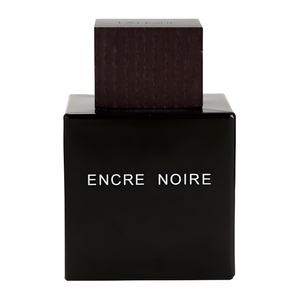
If you buy one affordable vetiver, make it by . It's a dark wrapped in and musk, and that's the entire idea — no fuss, no filler. Cool, slightly damp, almost gothic: wet stone and shadowed forest. For something that routinely sells for a fraction of designer prices the quality is startling, which is how it became a cult favourite. The catch is that it does one thing. If you want charm or sparkle, this is the wrong bottle.
Best for: Evenings, autumn and winter, maximum atmosphere for minimal spend.
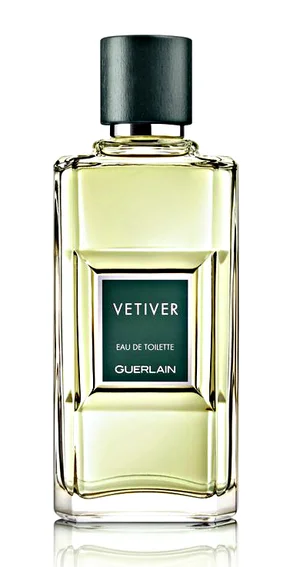
First released in 1961, is the benchmark others get measured against. built it around a clean, aromatic vetiver lifted by citrus and dusted with pepper and tobacco — barbershop-fresh, and refined without trying to prove it. It's the scent of a crisp white shirt and a good shave. Be honest with yourself first: if your reference points are modern sweet woods, this will read old-fashioned rather than classic, and no amount of heritage will fix that for you.
Best for: Daily wear, warmer months, lovers of classic, polished style.
rebuilt the note for a contemporary audience with . Bright and open it before everything settles into a polished, faintly powdery vetiver with woods and orris. It's the most conservative pick here, and that cuts both ways: nothing about it will embarrass you, and nothing about it will surprise you either. Buy it as an interview scent, not as a personality.
Best for: A refined all-rounder; anyone who finds raw vetivers too rugged.
Not a pure vetiver, but you can't leave it off an earthy list. from sets a mineral, flinty vetiver base against zesty orange and a peppery kick. Jean-Claude Ellena built the whole thing on contrast — bright citrus over dry, dusty earth — and it's become one of the best-selling men's fragrances in the world. Which is the one real drawback: it's so widely worn it's edging into signature-scent cliché. Wear it anyway if the sunlit twist is what you're after; just don't expect anyone to ask what it is.
Best for: Crowd-pleasing versatility, spring and summer, first-time earthy-scent buyers.
Part of the Les Exclusifs line, is at its most understated. Smoky, dry vetiver, textured with sandalwood and a hint of tobacco, put together so seamlessly it feels weightless despite the depth. Restraint is the whole argument here, and many enthusiasts call it the finest smoky vetiver going. If you measure value in projection, that restraint will feel like a bad trade at this price. If you measure it in quality, it won't.
Best for: Connoisseurs, cooler weather, the platonic ideal of smoky vetiver.
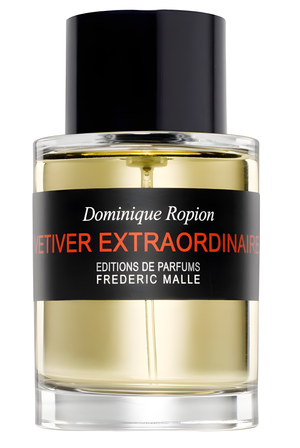
The name is the brief. by is built on an unusually high concentration of the material, showing it off in full rooty, form, with and a touch of pink pepper for lift. Loud, confident, long-lasting — a full-throated tribute rather than a polite nod. Go easy on the trigger in an open-plan office; this one has no interest in being discreet.
Best for: Committed vetiver fans who want the note front and centre, projection lovers.
took the note somewhere darker and stranger with . Here sits in incense, pepper, and warm woods, and the result is smoky, nearly leathery, with an unmistakable temple-like aura. It trades freshness for mood. That's a real trade: this isn't a compliment magnet or a warm-weather scent, and it will divide a room. If that's the point for you, it's the most distinctive thing on the list.
Best for: Fall and winter, incense lovers, a signature that stands apart.
Rounding out the luxury tier, by is the brightest and most summery of the expensive options. Zesty and ginger open onto a clean, green vetiver softened by musk — an uplifting take that never turns heavy. It's also the pick where you pay most for the least complexity, so buy it because you want breezy done immaculately, not because you want depth.
Best for: Hot-weather elegance, fresh-fragrance fans who want an earthy backbone.
Sample before you commit. The gap between a bright Haitian vetiver and a dark roasted one is wide enough to change how the whole fragrance feels on your skin, and no description — this one included — will settle that for you.
Here's the short version. Most people should start with Encre Noire and spend the difference on samples; it's the better buy of the cheap options by a distance. If budget isn't the constraint, Sycomore is the one worth the money, and knows it. Terre d'Hermès is the safe answer if you don't mind smelling it on a stranger the same week, and the 1961 still holds up if classic doesn't scare you. The rest are specialists — buy them when you know what you want from the note.
Start cheap with , then dig through the rest of on Fragplace to find the one that's yours.

 Vetiver
 Smoke
Smoke Cedarwood
 Grapefruit
 Lalique
 Nutmeg
 Encre Noire
 Pink Pepper
 Le Labo
 Guerlain
 Creed
Creed Chanel
 Les Exclusifs de Chanel Sycomore
 Grey Vetiver
 Vetiver Eau de Toilette
 Vetiver Extraordinaire
 Hermès
 Frederic Malle
 Original Vetiver
 Tom Ford
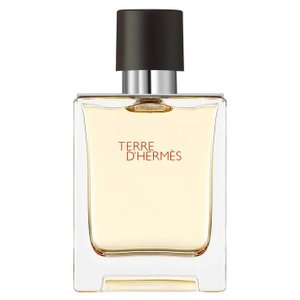 Terre d'Hermès
 Vetiver 46