EDT vs EDP vs Parfum — Fragrance Concentrations Explained
27 May 2026
If you've ever shopped for a fragrance and felt confused by labels like EDT, EDP, or Parfum, you're not alone. These abbreviations refer to fragrance concentrations — the percentage of perfume oils dissolved in alcohol. Understanding concentrations helps you choose a scent that matches your lifestyle, budget, and how long you want it to last.
This guide breaks down every concentration level so you can shop with confidence.
What Are Fragrance Concentrations?
Every fragrance is a blend of aromatic oils and alcohol. The concentration tells you how much pure perfume oil is in the bottle compared to the alcohol base. Higher oil percentages mean stronger projection, longer wear time, and usually a higher price.
The same fragrance often comes in multiple concentrations. For example, is available as an EDT, , and — each with a slightly different character and staying power.
Eau de Cologne (EDC) — 2–4% Oils
Eau de Cologne is the lightest concentration you'll commonly find. With only 2–4% fragrance oils, it's fresh, subtle, and ideal for a quick burst of scent.
What to expect:
- Longevity: 1–2 hours
- Projection: Close to the skin
- Best for: Hot weather, post-shower refresh, casual daily wear
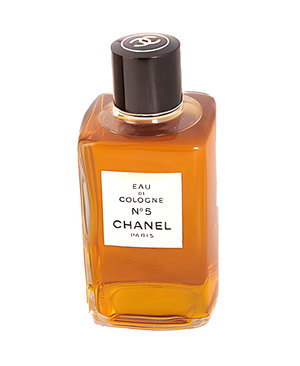
Cologne concentrations often feature bright citrus notes like and light aromatics. Classic cologne houses like built their reputation on this refreshing format. is another example of a luxury house offering this lighter concentration.
Who it's for: People who prefer understated scents or want to reapply throughout the day without overwhelming others.
Eau de Toilette (EDT) — 5–15% Oils
Eau de Toilette is the most popular concentration worldwide. It strikes a balance between longevity and lightness, making it versatile for nearly any occasion.
What to expect:
- Longevity: 3–5 hours
- Projection: Moderate — noticeable but not overpowering
- Best for: Office wear, daytime, spring and summer
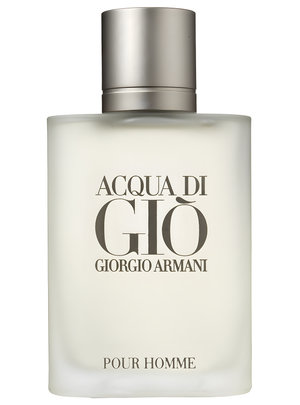
Many iconic fragrances launched as EDTs. in its original EDT form is one of the world's best-selling men's fragrances, known for its fresh, peppery character. by is another EDT classic that defined an entire era of aquatic fragrances.
Who it's for: Great for beginners and anyone who wants a reliable daily scent without heavy sillage.
Eau de Parfum (EDP) — 15–20% Oils
Eau de Parfum offers a noticeable step up in intensity and longevity. The higher oil concentration means richer development and longer-lasting performance.
What to expect:
- Longevity: 5–8 hours
- Projection: Strong — people will notice you
- Best for: Evening events, cooler weather, dates, special occasions
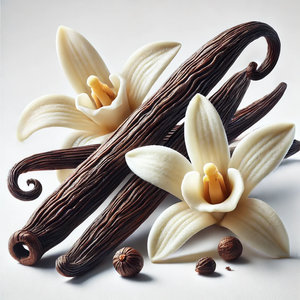
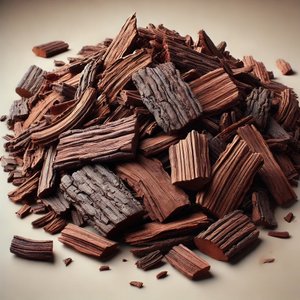
EDPs often reveal deeper base notes like , , and that lighter concentrations can't fully develop. adds more warmth and depth compared to the EDT, making it better suited for colder months.
is perhaps the most famous EDP in history, offering the full floral bouquet with impressive longevity.
Who it's for: Fragrance enthusiasts who want their scent to last all day, or anyone dressing up for an evening out.
Parfum / Extrait de Parfum — 20–30% Oils
Parfum (also called Extrait de Parfum or Pure Perfume) is the most concentrated form available. It's the purest expression of a perfumer's vision.
What to expect:
- Longevity: 8–12+ hours
- Projection: Intimate but long-lasting — sits close to skin
- Best for: Special occasions, cold weather, when you want a signature scent
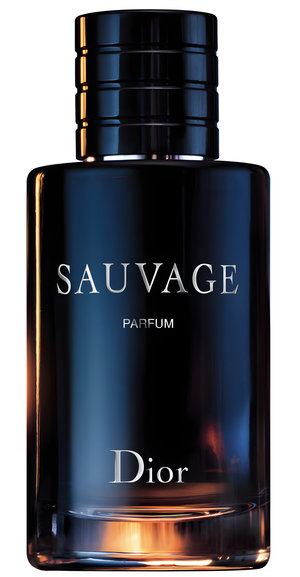
Despite being the strongest concentration, Parfum often projects more intimately than EDP. The higher oil ratio creates a smooth, skin-hugging scent that evolves slowly over hours. showcases this beautifully — it's richer and more refined than the EDT or EDP versions.
and fragrances by and are often available in this luxurious concentration.
Who it's for: Collectors, connoisseurs, and anyone who values depth, complexity, and all-day performance.
Comparison Table
Which Concentration Should You Buy?
Choosing the right concentration depends on three factors:
1. Your Climate and Season
- Hot weather: EDC or EDT — lighter concentrations won't become overwhelming in the heat
- Cold weather: EDP or Parfum — you need more oil to project through heavy clothing and chilly air
2. Your Occasion
- Office or school: EDT is the safest choice — present but professional
- Night out or date: EDP gives you confidence-boosting projection
- Formal events: Parfum provides sophistication without shouting
3. Your Budget
- Starting out: Begin with EDTs. They're affordable, widely available, and let you explore many different scent profiles
- Building a collection: Add EDPs for variety and better performance
- Investing in a signature: A Parfum or Extrait is a worthy investment for a scent you truly love
Pro Tip: Try Before You Buy
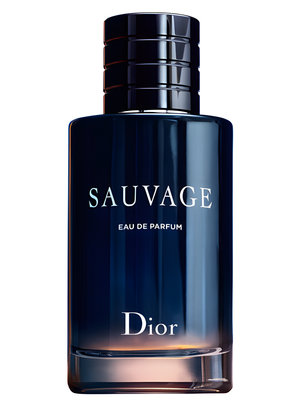
Many fragrance houses release the same scent across multiple concentrations. This lets you compare directly. Try Sauvage in EDT, EDP, and Parfum side by side, or explore how and interpret their classics across different concentrations.
Start Exploring
Now that you understand fragrance concentrations, you're ready to shop smarter. Browse fragrances on Fragplace to compare different concentrations, read reviews, and find the perfect scent for every occasion.
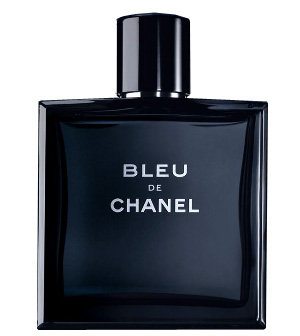 Bleu de Chanel
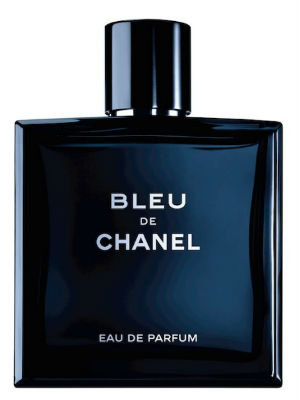 Bleu de Chanel Eau de Parfum
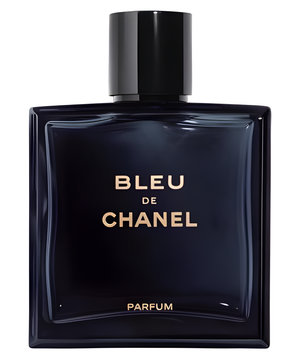 Bleu de Chanel Parfum
 Bergamot
 4711
4711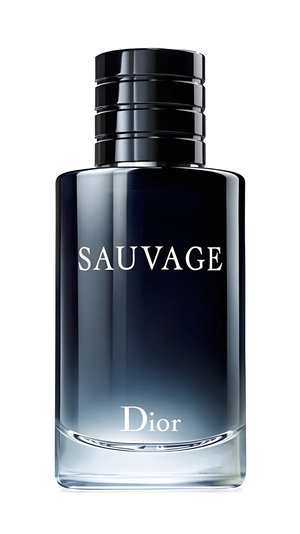 Sauvage
 Chanel No 5 Eau de Cologne
 Acqua Di Gio
 Giorgio Armani
 Vanilla
 Sandalwood
 Sauvage Eau de Parfum
 Tom Ford
 Sauvage Parfum
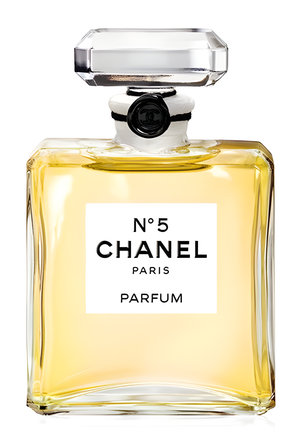 Chanel No 5 Parfum
 Musk
Musk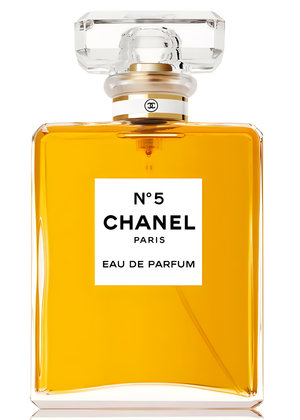 Chanel No 5 Eau de Parfum
 Creed
Creed Dior
Dior Chanel
 Versace