Articles
订阅 Fragletter
把新的香水故事和推荐送到您的邮箱,可随时退订。
把新的香水故事和推荐送到您的邮箱,可随时退订。
把新的香水故事和推荐送到您的邮箱,可随时退订。
把新的香水故事和推荐送到您的邮箱,可随时退订。
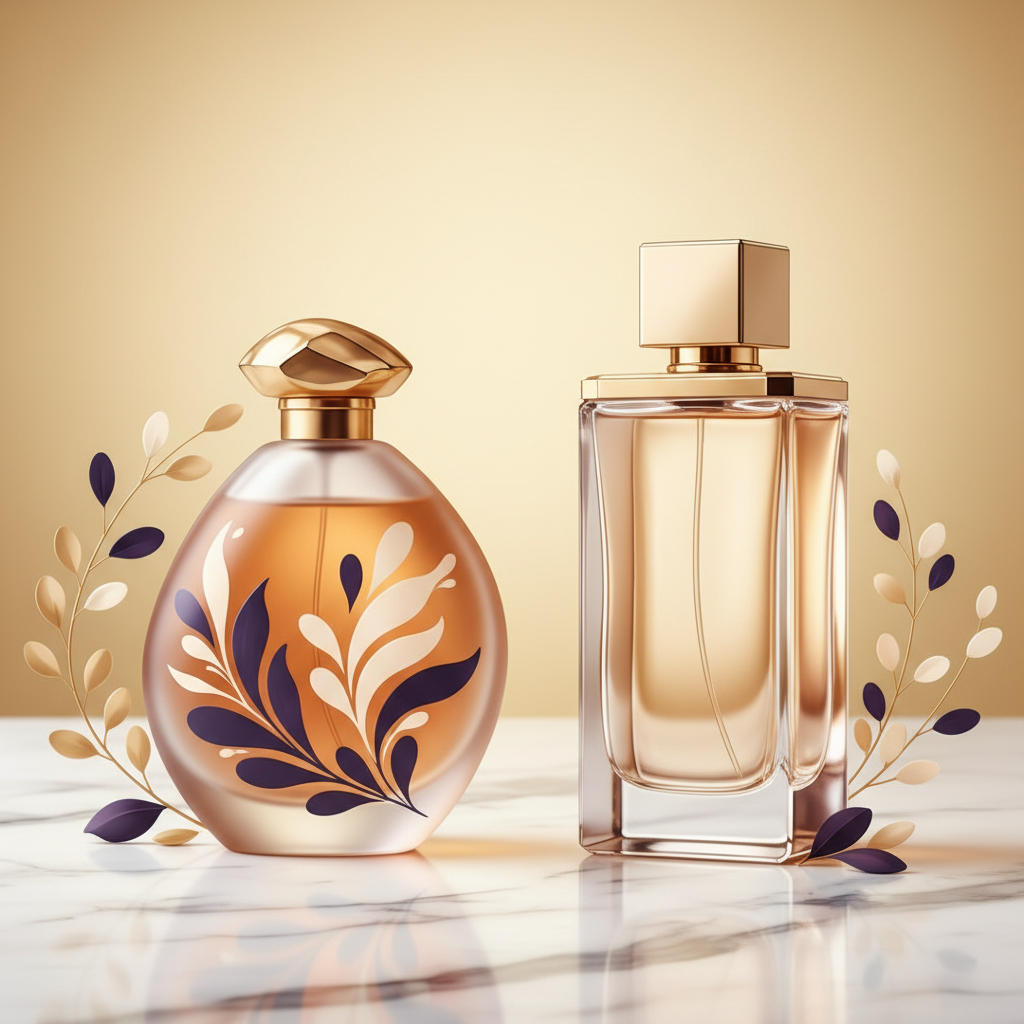
The niche-versus-designer argument gets treated like a quality ladder, and that's the first thing to unlearn. One category is built to sell millions of bottles; the other is built to sell far fewer at a much higher margin, and neither brief guarantees a good perfume. What genuinely separates them is intent, distribution, and how much of the price is actually fragrance.
Designer fragrance is a fashion house lending its name to a bottle — Dior, Chanel, Versace, Yves Saint Laurent, Prada. These brands made their reputations in fashion, accessories, or cosmetics, and scent is an extension of that lifestyle universe. A profitable one.
Designer scents are created for mass appeal. Broad market research, large focus groups, a composition tuned to be pleasant to as many people as possible. That's not the insult enthusiasts treat it as. Dior Sauvage, Bleu de Chanel, and Acqua di Gio didn't become cultural touchstones by accident — being widely liked is a genuine craft, and those three are good at it.
The trade-off is baked into the brief. A fragrance engineered to offend nobody will rarely thrill anybody.
Niche houses do one thing. Maison Francis Kurkdjian, Byredo, Le Labo, Amouage, and Parfums de Marly exist because someone wanted to make perfume, not handbags. Creed's history stretches back centuries; plenty of others are small modern operations run by independent perfumers.
Niche prioritises creative expression over mass-market appeal. A perfumer can build a whole fragrance around one strange accord — oud and saffron, leather and iris, smoky incense cut with citrus — with no shopping-mall focus group to answer to. That freedom cuts both ways. It produces the most interesting perfume being made, and also the most self-indulgent.
The gap is the first thing anyone notices. A 100ml designer bottle might cost $80–$120; the niche equivalent runs $200–$350 or more. Some of that difference is real. Some of it is confidence.
Ingredients. Niche houses lean on higher concentrations of natural and rare raw materials. Natural oud, real ambergris, good sandalwood, and Turkish rose absolute cost serious money. Designer compositions lean harder on synthetic molecules — cheaper to source at scale, and not inherently worse. Some of the finest materials in modern perfumery came out of a lab.
Production scale. Designer fragrances are made in enormous quantities and benefit from economies of scale. Niche batches are small, which pushes up the per-unit cost of materials, packaging, and labour.
Marketing. A large slice of a designer price funds advertising — television campaigns, celebrity contracts, glossy magazine spreads. Niche brands spend far less on that, though their pricing still carries boutique distribution and heavy packaging. You're paying for marketing either way. The niche version just looks like a nice box instead of a billboard.
Concentration. Many niche releases arrive as Eau de Parfum or Extrait de Parfum, with more oil in them than the Eau de Toilette format common at designer level. More raw material per bottle, more cost per bottle.
Exclusivity is the real product a lot of the time. Wear something niche and you're unlikely to meet yourself coming out of a lift at the office. For plenty of enthusiasts that alone justifies the premium, and there's no point pretending otherwise.
Designer houses are aiming at millions of bottles sold. Ubiquity is a strength — you know exactly what you're getting, and so does everyone who smells it — and a ceiling if you want a signature nobody else has. Worth remembering that exclusivity has a shelf life, though. A niche bottle that goes viral stops being exclusive the moment it does.
The line has blurred badly in recent years. Designer houses now run "private" or "exclusive" collections — Dior's Maison Christian Dior collection, Tom Ford's Private Blend, Armani Privé — that borrow the niche playbook of better ingredients, limited distribution, and higher pricing while keeping the pull of a major fashion name. Some of these are excellent. Some are a familiar accord in a heavier bottle at triple the price.
The assumption that niche always lasts longer and projects harder is lazy. It isn't that simple.
Many niche fragrances do last, because concentration and richer materials work in their favour — a well-made Extrait de Parfum at 20–30% fragrance oil can run 8–12 hours on skin with noticeable sillage through the day. But some niche scents are deliberately built as skin scents, close-wearing by design. Glossier and parts of the Le Labo range lean into that, making things meant to be found rather than announced. Quiet is a choice, not a fault.
Designer performance has also improved sharply. The EDP and Parfum flankers that brands now release alongside their EDTs can be genuinely strong — Sauvage Elixir, YSL La Nuit de L'Homme, and Chanel No. 5 EDP all show what a big house can do when it decides to spend.
So test before buying, whichever camp the bottle belongs to. Longevity and projection depend on your skin chemistry, the specific formulation, and the conditions you wear it in. Apply to pulse points, give it a full day, and don't write anything off in the first ten minutes — the dry-down is where a lot of fragrances become themselves.
This isn't an either-or, and treating it as one is how people end up with an expensive collection they don't wear. Most serious collectors keep both.
Designer fragrances might be your best starting point if:
Niche fragrances might be worth exploring if:
The boundary keeps moving, and a few trends are doing the moving:
Which means the label on the category tells you less every year. Judge the composition, how it wears on you, and whether you'll reach for it on a Tuesday. The category debate is mostly something people argue about instead of smelling things.
Sample widely before you commit to anything. Most niche houses sell discovery sets for a fraction of a full bottle, and a growing number of designer lines do the same — that's the single cheapest way to find out what you actually like, as opposed to what you've been told to like.
Here's the honest verdict. If you're early in this, buy designer: the quality-per-pound is better, you can smell it in person before paying, and a good Bleu de Chanel-tier bottle will outlast most impulse purchases. Once you own two or three of those, stop buying more of the same and put the money into niche samples instead — that's where the interesting stuff lives, and where the premium starts earning itself. The collection that works long-term usually looks like a dependable designer for work and errands, plus something stranger held back for evenings.
So: order a discovery set from a house you've been circling rather than another full bottle you already half-know. Then read the community reviews on Fragplace before you upgrade any of those samples to 100ml — other people's dry-down notes will save you more money than any buying guide.