Articles
订阅 Fragletter
把新的香水故事和推荐送到您的邮箱,可随时退订。
把新的香水故事和推荐送到您的邮箱,可随时退订。
把新的香水故事和推荐送到您的邮箱,可随时退订。
把新的香水故事和推荐送到您的邮箱,可随时退订。
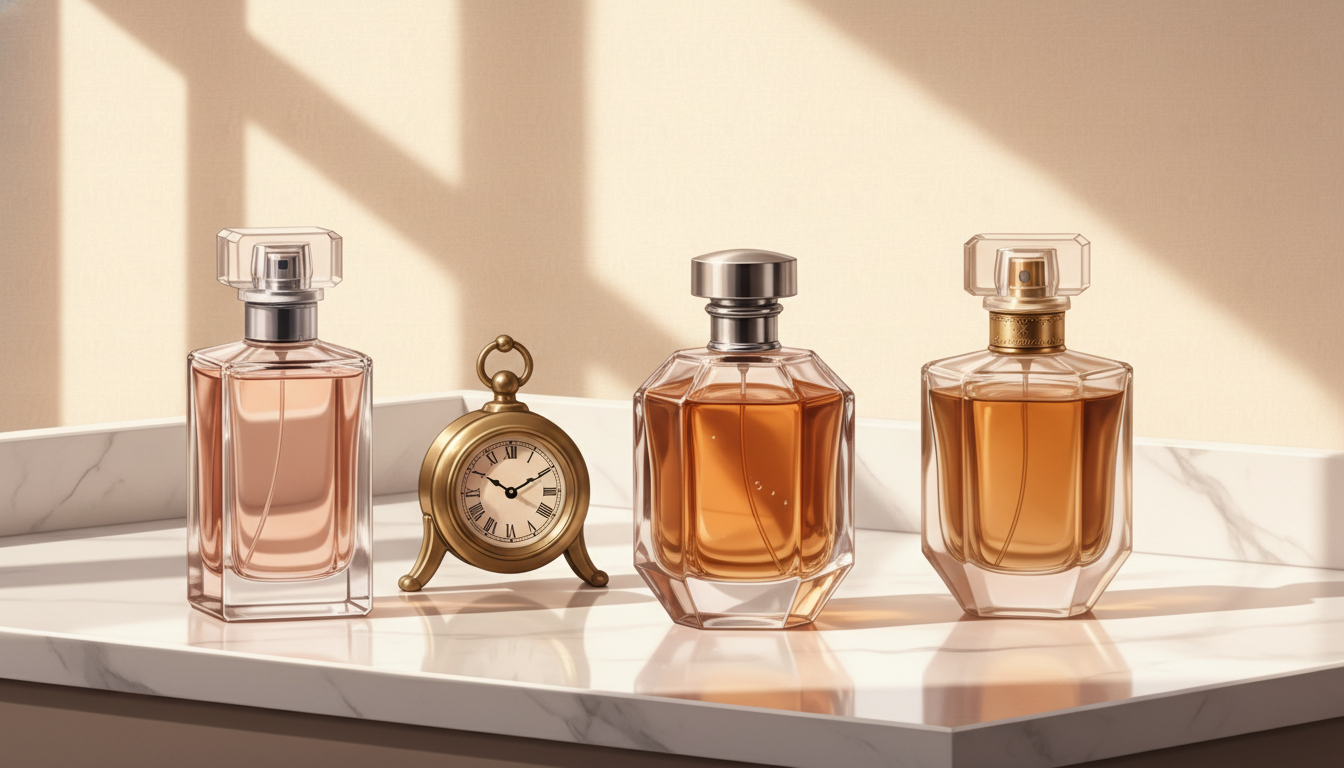
That bottle at the back of the drawer is probably fine. Perfume doesn't spoil the way milk does — it oxidises, slowly, and the sturdier compositions often get more interesting on the way down. What follows is how long you've actually got, what kills a fragrance fastest, and how to tell when one has turned.
Concentration is the main lever. More oil, more stability — that's most of the story, though what's in the formula matters too.
As a rule of thumb, most commercially produced fragrances stay at their best for three to five years from the date of manufacture. Treat that as a window, not a deadline.
Four things do most of the damage, and you control three of them.
UV breaks down the molecular structure of fragrance compounds. A clear bottle on a sunlit windowsill will deteriorate faster than the same juice sitting in the dark — no contest. If you display your collection on an open shelf because it looks good, at least know what you're paying for that.
High temperatures accelerate the chemical reactions inside the bottle. Which makes the bathroom — where nearly everyone keeps their perfume — one of the worst rooms in the house, thanks to heat and humidity spiking every time someone showers.
Oxygen drives oxidation, and oxidation rewrites the scent profile. Every time you take the cap off, a little air goes in. Spray bottles beat splash bottles here, because far less air ever reaches the fragrance.
The note list tells you most of what you need to know about how a bottle will age:
That's why the heavy oriental built on and resins outlives the bright citrus cologne. The cologne is mostly made of the parts that leave.
There's no printed expiry date, so you're reading the bottle yourself. Four signals worth knowing.
Darkening is the visible face of oxidation. A once pale-gold fragrance that's now deep amber or brownish has changed chemically. Slight deepening in an older bottle is normal; a dramatic swing usually isn't.
Your nose is the better instrument. Sour, metallic or vinegar-like where a fragrance used to read bright means it's oxidised. Others go plasticky, or simply flat. If the top notes have vanished entirely and what's left is one-dimensional, the bottle is past its peak.
Oxidised fragrance molecules can turn into skin sensitisers, causing redness, itching or a rash. A perfume you've worn for years without trouble that suddenly stings is telling you something.
Rarely, a fragrance thickens or throws visible sediment. It shows up mostly in natural and oil-based compositions, and it means the chemistry has moved a long way from where it started.
Storage is the one variable that's entirely yours, and it does more for shelf life than anything else you can do.
A drawer, a closet, a dedicated fragrance cabinet. Keep it stable and moderate — around 15–20°C (59–68°F). Windowsills, bathroom shelves and anywhere in direct sunlight are all worse than the dullest cupboard you own.
Upright bottles keep the fragrance off the spray mechanism and cap seal, which cuts the risk of leaks and oxidation. It costs you nothing.
The packaging isn't just there to look nice on a shelf. It's a layer of protection against light and temperature swings. If you care about preservation, keep the bottles boxed.
Every transfer introduces air, so don't decant without a reason. With a large collection, the sensible move is a small decant bottle for daily use while the main bottle stays sealed.
For long-term storage, a dedicated fragrance refrigerator or a wine cooler set to around 12–14°C is about as good as conditions get. Not the kitchen fridge — the temperature in there swings every time somebody wants the milk.
Mostly no, and the worry around this runs ahead of the risk. A few caveats still apply:
If you're unsure, patch test. A small amount on the inner wrist, then 24 hours before you wear it properly.
Here's the verdict. Don't buy EDT in volumes you can't realistically finish, and don't hoard the good stuff into oblivion — a citrus-led eau de toilette bought in bulk is money on a timer, while extraits and resin-heavy compositions actually reward patience. Rotate seasonally so nothing sits untouched for years, keep the boxes, and if you turn up a well-stored vintage bottle in good condition, treat it as the find it is. Plenty of them still smell magnificent.
Explore fragrances on Fragplace to find bottles worth committing to — then build around the notes that age in your favour, like , and .
 Bergamot
 Lemon
Lemon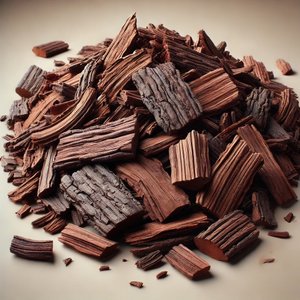 Sandalwood
 Guerlain
 Rose
Rose Jasmine
 Patchouli
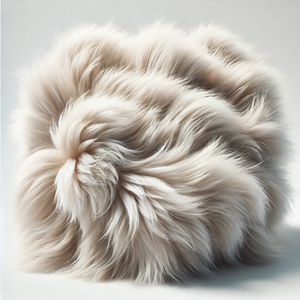 Musk
Musk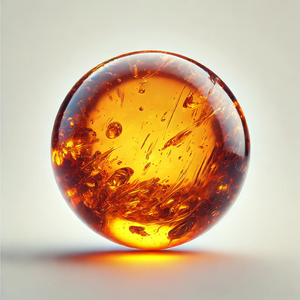 Amber
Amber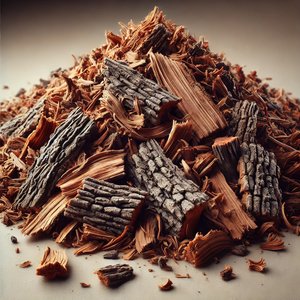 Agarwood (Oud)
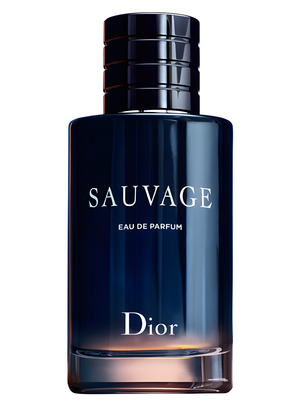 Sauvage Eau de Parfum
 Chanel No 5 Parfum
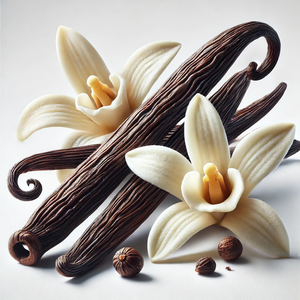 Vanilla
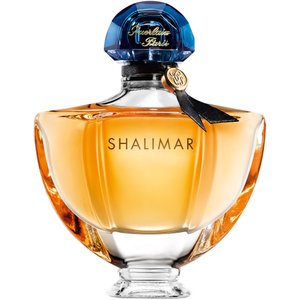 Shalimar Eau de Parfum
 Chanel No 5 Eau de Parfum