Articles
订阅 Fragletter
把新的香水故事和推荐送到您的邮箱,可随时退订。
把新的香水故事和推荐送到您的邮箱,可随时退订。
把新的香水故事和推荐送到您的邮箱,可随时退订。
把新的香水故事和推荐送到您的邮箱,可随时退订。
Earlier this month, introduced two California-inspired fragrances by independent perfumer : OJAI and ALENTO, both launched September 1. They make a timely pairing for September, when keeping a little summer warmth feels more appealing than declaring an abrupt change of season. They also offer a focused way into a perfumer’s work: two compositions, one shared inspiration, and different ideas about where warmth should lead.
The useful comparison goes beyond landscape versus skin. It asks how clearly the parts should remain visible. Would you want to notice a bright, juicy element against something darker? Or would you prefer the composition to resolve into a single impression, where identifying individual notes becomes less interesting than the feeling they create?
Those are different creative problems. Reading this pair together suggests a way to examine contrast and continuity in her work, without treating two releases as proof of a career-long signature. The interesting question is how she negotiates each brief, and whether that distinction survives the move from description to skin.
Neither answer automatically makes a better perfume. A distinct fruit impression could make the contrast itself the attraction. A more integrated effect could make the composition feel less literal. What matters is whether the relationship holds your attention, rather than whether you can tick off everything mentioned in the description.
Try recording that relationship at the beginning and again later: fruit forward, evenly balanced, or background dominant. These are prompts for a future sample, not claims about how this fragrance develops. They would help answer something the launch story cannot settle: is its landscape a sustained interplay of textures, or a sequence in which one impression gives way to another?
For this September reading, I would be especially interested in whether brightness remains perceptible as the darker impression comes forward. That would make carrying summer into autumn a question of balance within the perfume, rather than a seasonal label attached to it.
In particular, notice whether stands out as something you would name immediately, or contributes to an overall impression you struggle to divide into ingredients. Does recognising it strengthen the feeling of intimacy, or pull your attention toward a familiar flavour association?
Keep that question separate from volume. The reported skin inspiration does not establish how far the fragrance projects, how long it lasts, or whether it suits an office. A useful sample note would describe the character of the warmth first, then record performance separately. That leaves room for the composition to surprise you without asking the launch language to function as a wear test.
Together, these launches make worth watching through a precise lens: how does she make warmth interesting in two different settings?
My question for a side-by-side sampling would be simple: which holds your attention longer—the tension between recognisable elements, or the feeling of those elements coming together? For the weeks ahead, that seems a more rewarding starting point than deciding that summer is over and sweetness must take its place.

 L'Objet
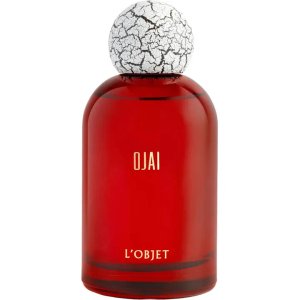 Ojai
Ojai Cécile Zarokian
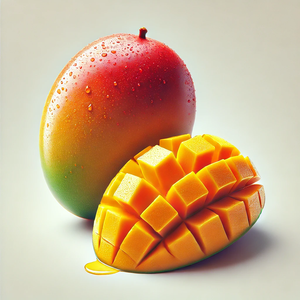 Mango
Mango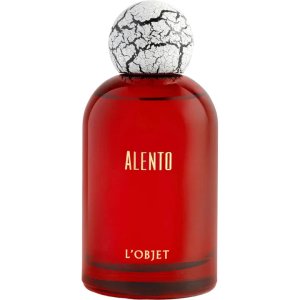 Alento
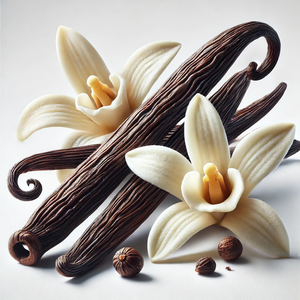 Vanilla