Articles
订阅 Fragletter
把新的香水故事和推荐送到您的邮箱,可随时退订。
把新的香水故事和推荐送到您的邮箱,可随时退订。
把新的香水故事和推荐送到您的邮箱,可随时退订。
把新的香水故事和推荐送到您的邮箱,可随时退订。
There is a bottle in millions of bathroom cabinets. It is the one teenagers discovered. The one that sold out every summer for three decades. The one that became, quietly, the best-selling men's fragrance of all time.
turned 30 this year. And it's — its decade-younger sibling — that's dominating the conversation right now.
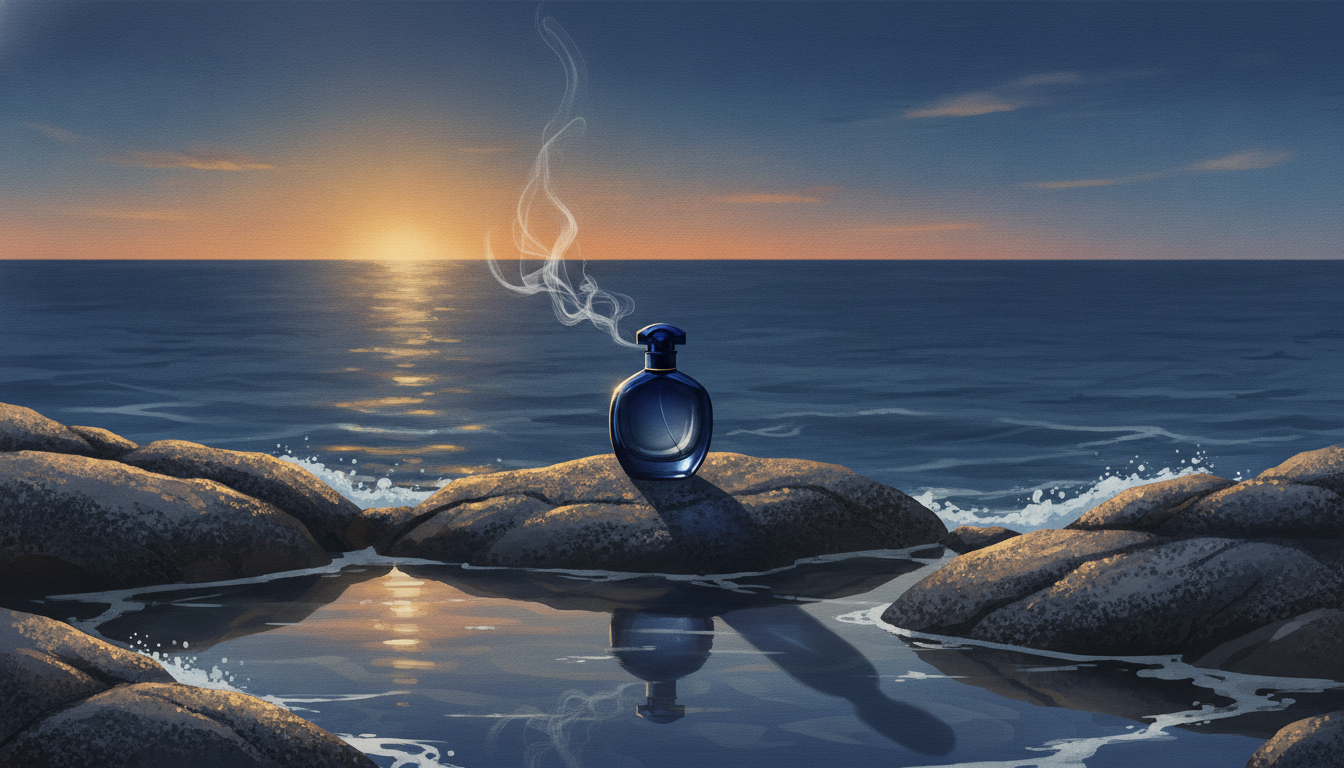
When released Acqua di Giò in 1996, it did something genuinely new: it made the ocean wearable. The Italian coastline, the mineral shimmer of , a clean opener — it was summer in a bottle and everybody bought it. Alberto Morillas, one of the great noses in the industry, created something that didn't feel like a fragrance so much as a sensation.
But familiarity is a double-edged thing. By the 2010s, Acqua di Giò had become the fragrance equivalent of a white Oxford shirt: universally acceptable, universally worn. It stopped feeling special.
In 2015, Armani answered with . Same marine DNA, completely different soul.
Where the original was about brightness and breeze, the Profumo is about depth. The is still there, but now it's filtered through — a note that shouldn't work alongside marine accords and somehow does perfectly. Underneath, adds an earthy anchor, and give it a wet-rock quality that feels genuinely aquatic rather than soapy.
The result is a fragrance that smells like a sea cave at dusk: cool, salted air, ancient stone, something burning faintly in the distance.
In peak summer 2026, the Profumo has become the scent people reach for when the original feels too light. Social media has been surfacing it with renewed energy — not because it's new, but because it represents exactly what fragrance enthusiasts call a "grower": something that rewards patience and proper skin chemistry.
The 30th anniversary of has also put the whole line under scrutiny. When people look back at what made the original remarkable, they tend to find their way to the Profumo: the version that kept the essence and added something earned.
It's also drawing comparisons to other summer fragrances with serious depth. has long been the niche answer to "what actually smells like a real beach?" — sunscreen-streaked, slightly coconutty, genuinely transportive. The Profumo comes from a different angle entirely: it skips the vacation-postcard imagery and goes straight for the elemental, the raw. Both deserve space in a summer wardrobe. But the Profumo earns its buzz because it does something rare: it makes an icon relevant without replicating it.
The opening is immediately recognizable as aquatic, but the grounds it within ten minutes. It doesn't project loudly — this is a skin scent that stays close, which makes it oddly intimate for something so clean.
Longevity is better than the original: four to six hours on skin, longer on fabric. It's not a heavy fragrance, but it's present in a way that lighter summer scents often aren't.
Best worn in the evening, when the heat breaks and a little warmth from and that incense trail does its best work. It's equally at home at a terrace dinner as it is on a long summer walk.
The conversation around Acqua di Giò Profumo in 2026 isn't nostalgia — it's a genuine reappraisal. After a decade on the market, the Profumo has aged the way good fragrances do: the discussion has shifted from "is it just a darker Acqua di Giò?" to "wait, this is genuinely special."
If you wrote off the line as mainstream and never circled back, this is the week to reconsider. The Profumo earns the noise.
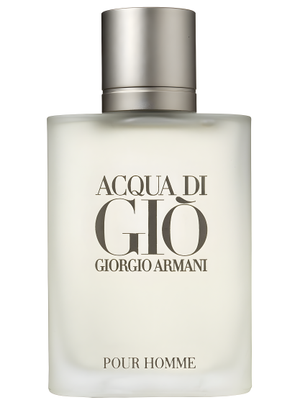 Acqua Di Gio
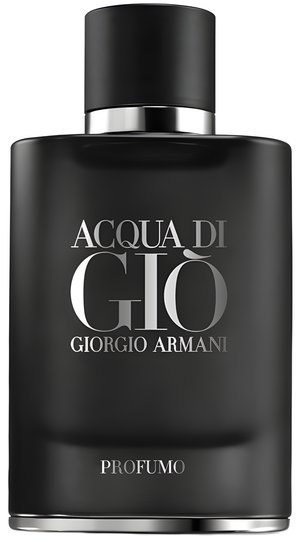 Acqua Di Giò Profumo
 Sea Water
 Giorgio Armani
 Bergamot
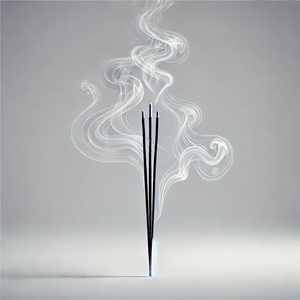 Incense
 Patchouli
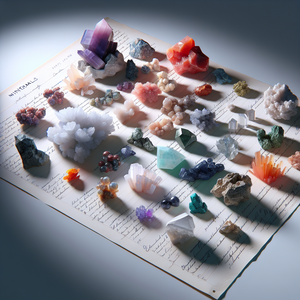 Mineral Notes
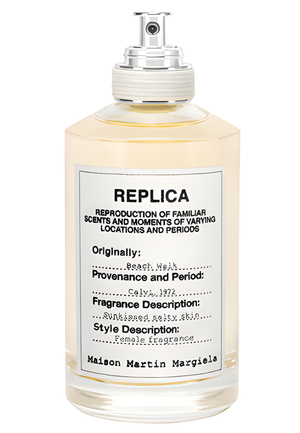 Beach Walk