Eau De Toilette Perfume Explained: Key Facts and Tips
30 Nov 2025
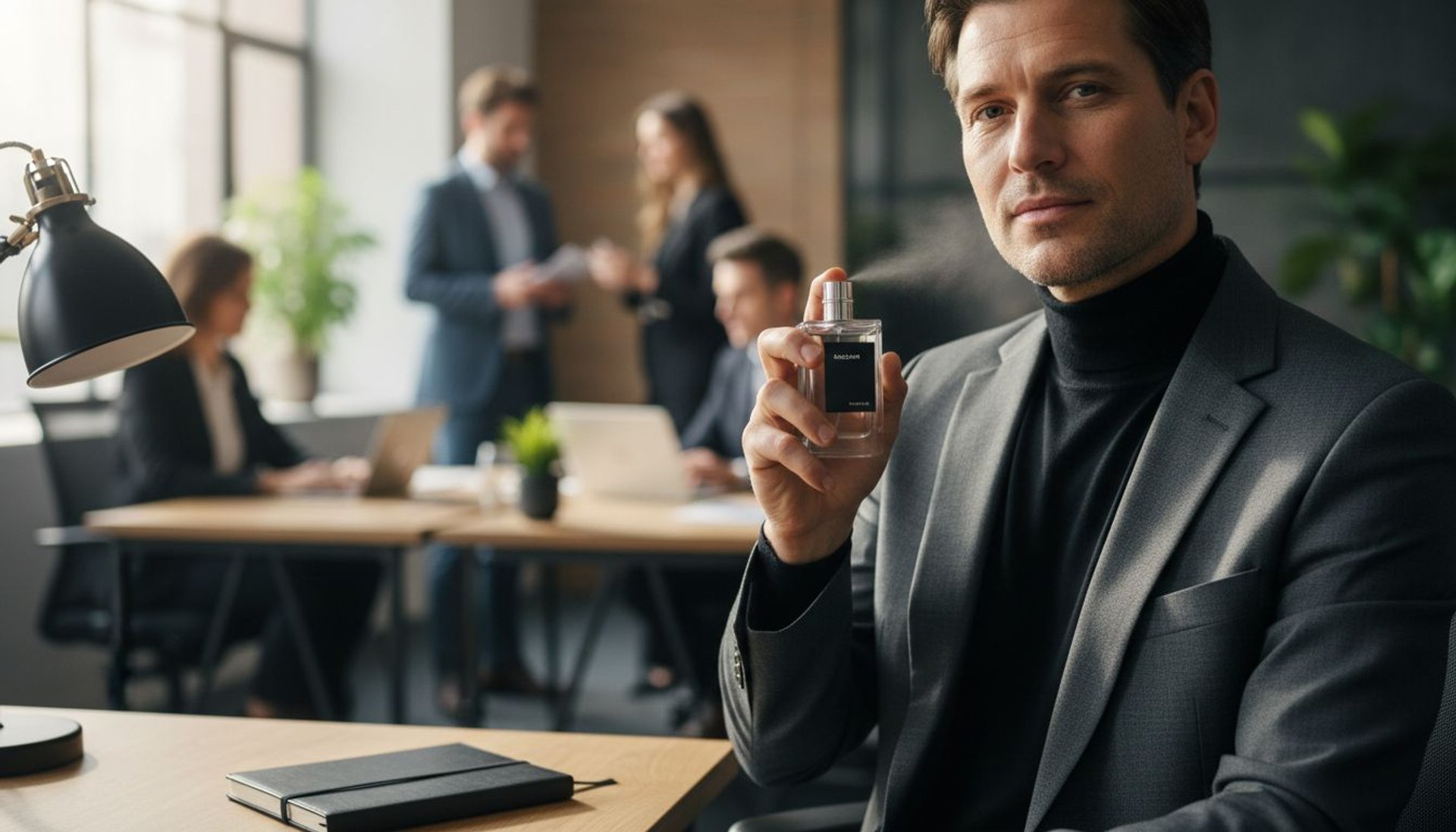
Most people are surprised to learn that the vast majority of british fragrance lovers choose eau de toilette for everyday wear. This lighter style of scent matters because it strikes the right balance between subtlety and presence, making it perfect for both the office and casual outings. If you have ever wondered why eau de toilette stands out or how it differs from parfum and cologne, understanding its unique concentration and application will help you find the right fragrance for any mood or occasion.
Contains 5-15% aromatic compounds, offering a subtle, lighter fragrance ideal for daily wear.
Comparison with Other Fragrances
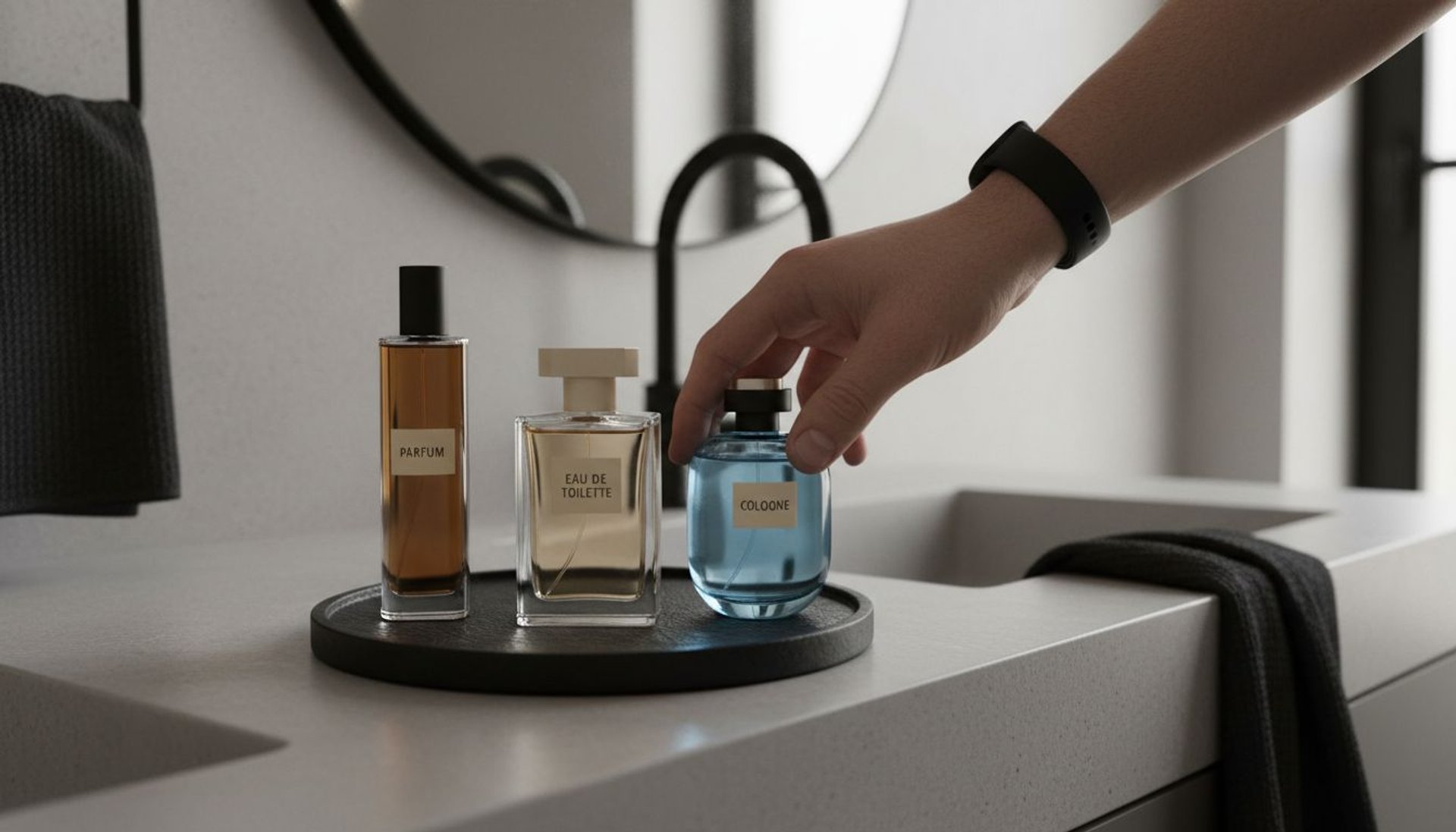
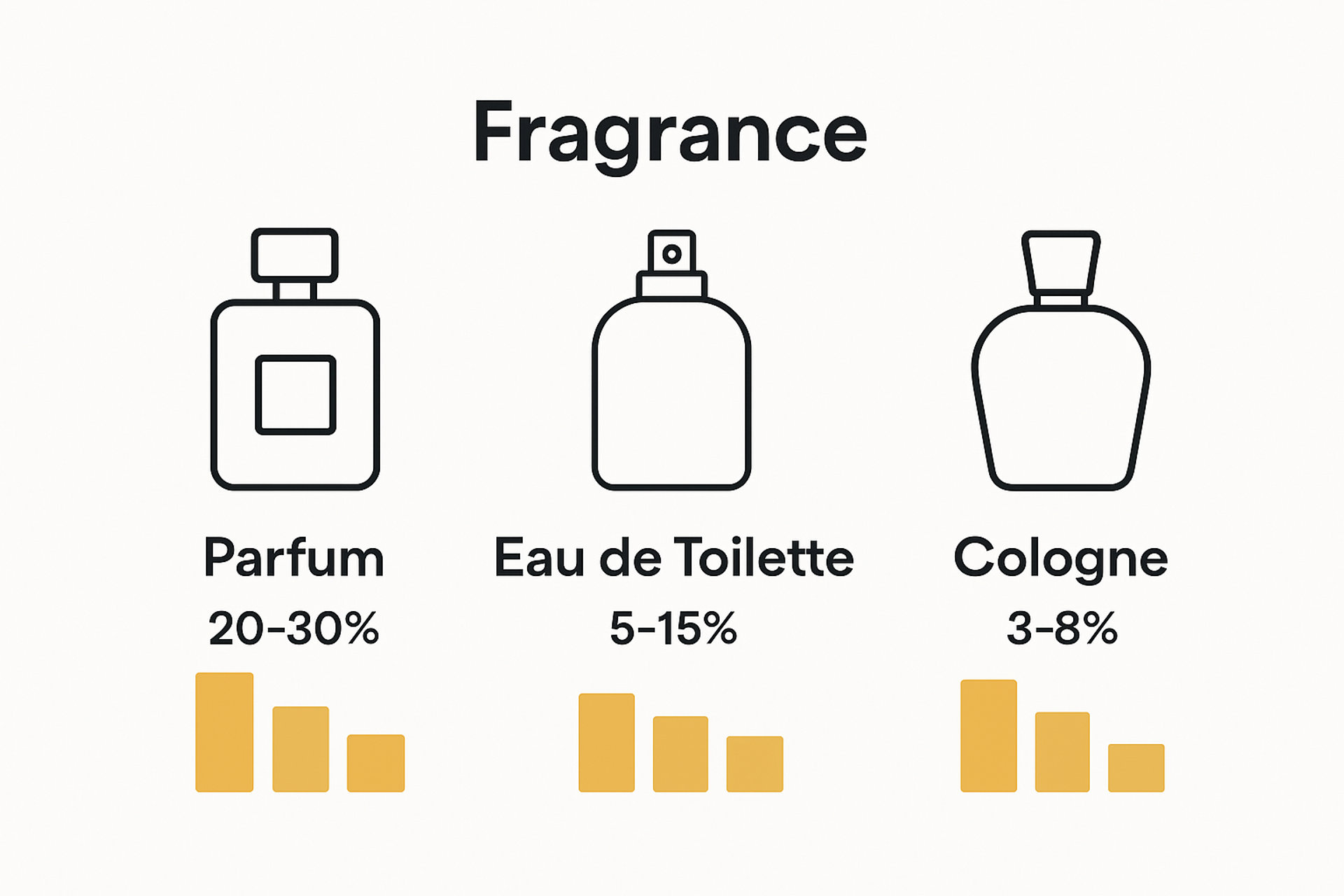
Sits between parfum (20-30%) and eau de cologne (3-8%) in terms of concentration and longevity.
Optimal Application
Best applied to pulse points on clean skin for enhanced projection and longevity without overpowering.
Myths Clarified
Eau de toilette is not gender-specific, and higher concentration does not always signify better quality; personal preference plays a key role.
Eau De Toilette: Definition and Core Meaning
An eau de toilette represents a specific type of fragrance characterised by its unique concentration and application method. According to Wikipedia, it is a lightly scented perfume traditionally applied directly to the skin after bathing or shaving, typically containing between 5-15% aromatic compounds.
The key distinguishing feature of eau de toilette lies in its delicate balance of fragrance intensity. Unlike more concentrated perfume variants, eau de toilette offers a lighter, more subtle olfactory experience. Concentration levels play a crucial role in defining its character - with aromatic compounds ranging from 7-12%, it sits comfortably between eau de cologne and eau de parfum in terms of strength and longevity.
Practically speaking, eau de toilette serves as an elegant everyday fragrance option. Its lower alcohol content and moderate concentration make it ideal for those seeking a refreshing scent that doesn't overwhelm the senses. When applied, it provides a gentle, lingering aroma that subtly enhances personal grooming without being too aggressive. Wikipedia notes that true perfumes contain significantly higher aromatic compound percentages (20-40%), positioning eau de toilette as a more versatile and approachable fragrance choice.
Key characteristics of eau de toilette include:
Lighter concentration (5-15% aromatic compounds)
Quick and easy application
Suitable for daily wear
Provides a subtle, fresh scent profile
More affordable compared to higher concentration perfumes
How Eau De Toilette Differs From Parfum and Cologne
Understanding the nuanced differences between eau de toilette, parfum, and cologne requires examining their unique aromatic concentrations and sensory profiles. Bespoke Unit provides clear insights into these distinctions, revealing that each fragrance type offers a distinct olfactory experience based on its aromatic compound percentage.
Parfum, the most concentrated variant, contains 20-30% aromatic compounds, delivering the most intense and long-lasting scent. In contrast, eau de toilette sits in the middle range with 5-15% concentration, offering a lighter and more versatile fragrance suitable for everyday wear. Diffen notes that this lower concentration results in a more temporary fragrance compared to the robust parfum.
Eau de cologne represents the lightest fragrance category, featuring just 3-8% aromatic compounds. This makes it the most ephemeral option, providing a quick, refreshing burst of scent that dissipates relatively quickly. These differences translate into practical considerations for fragrance enthusiasts: parfum is ideal for evening events requiring lasting impact, eau de toilette works perfectly for daytime and professional settings, while eau de cologne suits hot weather and quick refreshment.
Eau de Toilette: 5-15% aromatic compounds, balanced intensity
Eau de Cologne: 3-8% aromatic compounds, shortest-lasting
For those wanting to explore fragrance layers in more depth, our guide on understanding fragrance types offers comprehensive insights into these nuanced scent profiles.
Concentration Levels and Lasting Power Explained
Fragrance concentration fundamentally determines how long a scent will linger on your skin and its overall sensory impact. The Perfume Stash provides a comprehensive breakdown of how aromatic oil percentages directly influence a fragrance's performance and longevity.
According to scientific research, each fragrance category exhibits distinct lasting power based on its concentration. Parfum, the most potent variant, contains 20-30% fragrance oils and can persist impressively for 8-12 hours. Eau de parfum follows with 15-20% concentration, offering a substantial 6-10 hours of scent. Eau de toilette, sitting in the middle range with 5-15% concentration, typically provides a more moderate 3-6 hours of fragrance projection. Flavor365 confirms that higher concentrations invariably result in longer-lasting scents.
Understanding these concentration levels helps fragrance enthusiasts make informed choices about which product suits their lifestyle and preferences. Professionals seeking an all-day scent might opt for parfum or eau de parfum, while those preferring a lighter, more subtle approach would find eau de toilette ideal. The concentration isn't just about duration - it also influences the fragrance's intensity, projection, and overall wearing experience.
Practical considerations for selecting fragrances based on concentration:
Parfum: Ideal for special occasions, longest-lasting
Eau de Parfum: Excellent for evening wear and professional settings
Eau de Toilette: Perfect for daytime use and casual environments
Eau de Cologne: Best for quick refreshment and warm weather
For those eager to delve deeper into fragrance nuances, our guide on understanding fragrance types offers comprehensive insights into this fascinating world of scents.
Typical Uses and Application Best Practices
Eau de toilette presents a versatile fragrance option designed for everyday wear across various settings. Masari Shop highlights its suitability for daytime environments, particularly offices and warm weather conditions, making it an ideal choice for professionals seeking a subtle scent profile.
Bespoke Unit recommends strategically applying eau de toilette to specific pulse points to maximise its projection and longevity. These key areas include the inner wrists, neck, behind the ears, and inside the elbows - locations where body heat naturally helps diffuse the fragrance. The lighter concentration allows for more generous application without overwhelming surrounding individuals, a crucial consideration in shared professional and social spaces.
Application techniques can significantly enhance the eau de toilette experience. Experts suggest applying the fragrance immediately after showering when skin is clean and slightly damp, which helps lock in the scent. Maintaining a distance of approximately 15 centimetres when spraying ensures even distribution and prevents oversaturation. Importantly, avoid rubbing the fragrance into the skin, as this can break down the molecular structure and diminish the scent's complexity.
Key application best practices include:
Apply to clean, moisturised skin
Target pulse points for optimal diffusion
Spray from a 15 cm distance
Use 1-2 sprays for subtle daytime wear
Reapply midday if desired longer projection
For enthusiasts wanting to explore more nuanced fragrance techniques, our guide on understanding fragrance types offers comprehensive insights into sophisticated scent application methods.
Common Myths About Eau De Toilette
Fragrance enthusiasts often encounter numerous misconceptions surrounding eau de toilette that can significantly impact their purchasing and wearing decisions. The Perfume Stash debunks one of the most persistent myths: that eau de toilette is exclusively a feminine fragrance category. In reality, fragrance types are determined by concentration levels, not gender, making these scents universally wearable for anyone seeking a lighter aromatic experience.
Another widespread misunderstanding relates to fragrance quality and concentration. Flavor365 emphasises that higher concentration does not automatically equate to superior quality. While parfum offers longer-lasting scents, the ideal fragrance depends entirely on personal preference, occasion, and individual body chemistry. Eau de toilette's moderate concentration actually provides a versatile option that works brilliantly across different settings without overwhelming the senses.
Consumers frequently mistake eau de toilette's lighter profile as a sign of inferior craftsmanship. Contrary to this belief, the reduced concentration allows for more nuanced and sophisticated scent experiences. Professional perfumers carefully balance aromatic compounds to create delicate, complex fragrances that provide subtle yet distinctive olfactory expressions. The lighter composition enables more frequent reapplication and greater flexibility in daily wear, representing a strategic choice rather than a compromise.
Key myths definitively debunked:
Eau de toilette is only for women
Higher concentration always means better quality
Lighter fragrances lack complexity
One size fits all fragrance approach
Concentration determines a scent's worth
For fragrance enthusiasts eager to explore more nuanced perspectives, our fragrance discussions offer deeper insights into the intricate world of scents.
Discover Your Perfect Eau De Toilette Experience with Fragplace
Understanding the delicate balance of aromatic concentration and application methods is key to choosing an eau de toilette that complements your lifestyle and personal style. If you find yourself seeking a subtle yet sophisticated scent that fits daytime wear or professional settings, Fragplace is your go-to destination for expert guidance and community support. Dive deeper into fragrance knowledge and uncover the nuances between different scent types to find what truly resonates with you.
Join Fragplace today and unlock a vibrant community passionate about perfumes and scents. Explore detailed fragrance information, read authentic user reviews, and participate in discussions that help you master the art of scent application and selection. Begin your fragrance journey now and elevate your eau de toilette experience by visiting Fragplace for resources including our insightful guide on understanding fragrance types. Your perfect scent awaits – start exploring immediately.
Frequently Asked Questions
What is eau de toilette?
Eau de toilette is a type of fragrance that typically contains between 5-15% aromatic compounds, providing a lighter and more subtle scent compared to stronger perfumes.
How does eau de toilette differ from parfum and cologne?
Eau de toilette contains 5-15% aromatic compounds, making it less concentrated than parfum (20-30%) and more concentrated than eau de cologne (3-8%). This results in eau de toilette offering a balanced intensity suitable for everyday wear.
How should I apply eau de toilette for the best results?
To maximise the fragrance's projection and longevity, apply eau de toilette to pulse points such as the inner wrists, neck, and behind the ears. It's best to spray from a distance of about 15 cm on clean, slightly damp skin.
How long does eau de toilette last compared to other fragrance types?
Eau de toilette typically lasts for about 3-6 hours, while parfum can last 8-12 hours and eau de parfum around 6-10 hours, making eau de toilette a more temporary option for light, daily use.