Articles
Recebe a Fragletter
Novas histórias e escolhas de fragrâncias na tua caixa de entrada. Podes anular quando quiseres.
Novas histórias e escolhas de fragrâncias na tua caixa de entrada. Podes anular quando quiseres.
Novas histórias e escolhas de fragrâncias na tua caixa de entrada. Podes anular quando quiseres.
Novas histórias e escolhas de fragrâncias na tua caixa de entrada. Podes anular quando quiseres.
Florals get written off as pretty and girly, which is a fast way to ignore half the best perfumery ever bottled. The gendered split has never held up — rose gets sold to men as long as it's buried under oud, and tuberose is treated like a warning label. Here's what's worth your money, and what you can skip.
Floral notes appear in an estimated 70–80% of all fragrances on the market, which makes them less a genre than a building material. They're the connective tissue between a bright citrus opening and a warm, resinous base; strip them out and most perfumes read like a melody missing its chorus. Some of the most celebrated masculine and unisex fragrances in modern perfumery are built on floral foundations, whatever the packaging suggests.
From classic French parfums to modern niche compositions, florals can deliver depth, sweetness, sensuality or freshness depending on how they're handled. No other note family does that much work.
Skip ahead if you already know these. If you don't, this is the part that saves you money later:
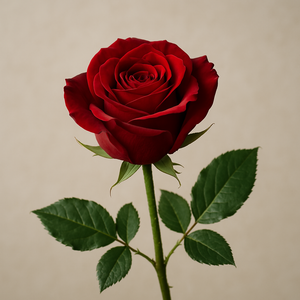
— The queen of flowers in perfumery, and the most abused note on the shelf. Depending on variety and extraction it can be velvety and romantic, green and dewy, or dark and spicy. Turkish and Bulgarian roses lean rich and honeyed; Taif roses are citrusy and ethereal.
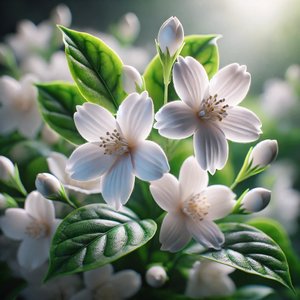
— Heady to the point of narcotic, with an almost animalic richness underneath. Jasmine sambac is sweeter and more tropical, jasmine grandiflorum creamier and more refined. Handled badly, it tips straight into air freshener.
— Often called the most intoxicating flower in perfumery. Creamy and buttery with a medicinal edge that's part of the appeal. It doesn't do subtle, and it won't learn.
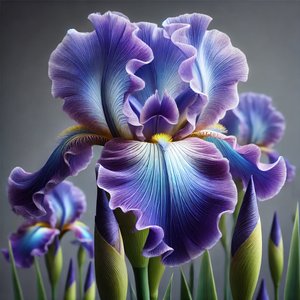
— Powdery and faintly earthy, with a mineral quality. Orris root is one of the most expensive raw materials in perfumery, which is why cheap iris usually smells like nothing at all.
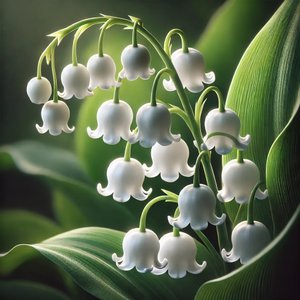
— Green, dewy, spring-morning stuff. It can't be naturally extracted, so every one you've ever smelled is a synthetic recreation. A good one.
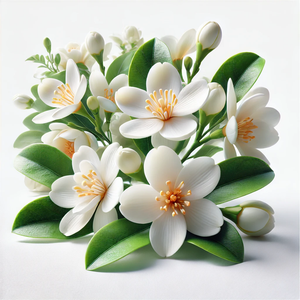
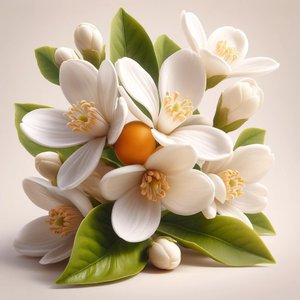
— Distilled from bitter orange blossoms, it sits right on the border between floral and citrus: bright, slightly honeyed, and a reliable mood-lifter. Technically a citrus note, but with unmistakable floral character.
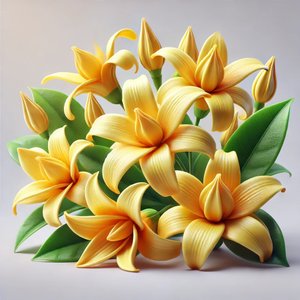
The original floral aldehyde and arguably the most famous fragrance ever created. No 5 weaves , , and over a bed of and . Nearly a century later it's still the gold standard of feminine florals — but be clear-eyed about it. That aldehydic opening reads as "my grandmother" to a lot of noses, and heritage has never once argued someone out of that reaction. Wear it because you like it, not because it's important.
Key notes: Rose, Jasmine, Ylang-Ylang, Iris, Neroli, Sandalwood, Vanilla
's full-volume white floral, built around , , and rangoon creeper. It smells like an overgrown garden rather than a tidy bouquet — rich without being heavy, though heavy is relative here. There's no dimmer switch. If white florals go soapy or suffocating on you, don't make this your first try at the genre.
Key notes: Tuberose, Jasmine, Rangoon Creeper
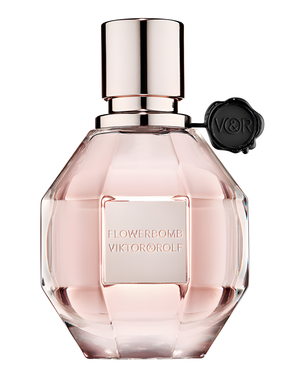
's floral explosion earns the name. , , , and get sweetened with and pinned down by . Serious longevity, and a genuine crowd-pleaser. It's also long since become a signature-scent cliche, so you will smell it on other people. Whether that's a recommendation or a warning is your call.
Key notes: Rose, Jasmine, Orchid, Orange Blossom, Vanilla, Patchouli
's bestseller parks itself between floral and gourmand. and meet praline, , and , and it's the iris doing the real work — it keeps the praline from collapsing into pudding. The result is enveloping, like a cashmere hug. It's still sweet, though, and if gourmands read as sickly to you, nothing here will change your mind.
Key notes: Iris, Jasmine, Orange Blossom, Patchouli, Vanilla, Praline
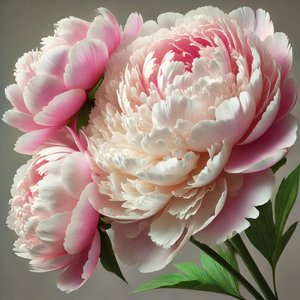
The gentlest thing on this list, and a lighter, more playful take on 's classic Miss Dior. and lead, framed by mandarin orange and soft musks. It's also the least interesting fragrance in this section — and that's rather the point. This is what you wear on a spring or summer day when you'd prefer your perfume not to become a topic of conversation.
Key notes: Peony, Rose, Mandarin Orange, Musk
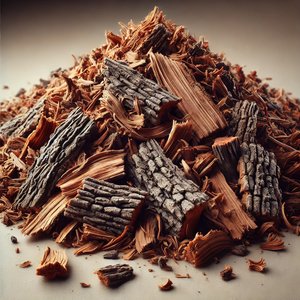
The fragrance that proved belongs on everyone. Turkish rose gets wrapped in cumin, , , and — smoky, spicy, unmistakably rose, with none of the usual femininity clichés. The cumin is the whole argument. It reads as warm skin to some people and as an unwashed shirt to others, and there is no middle position on it. Smell before you buy.
Key notes: Rose, Cumin, Cedarwood, Vetiver, Oud, Musk
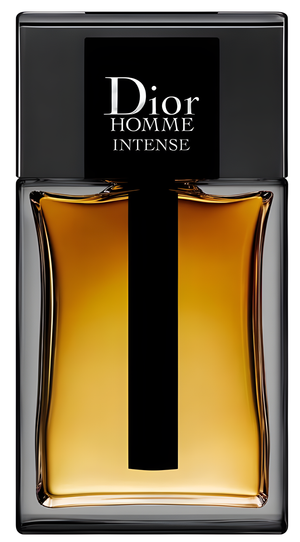
One of the finest -forward fragrances aimed at men, and a masterwork by François Demachy. Homme Intense sets powdery iris against lavender, pear, and ambrette, and the pear is the clever bit — it stops the powder going austere. If makeup-adjacent scents unsettle you, this one will, because that cosmetic quality is the point rather than a flaw.
Key notes: Iris, Lavender, Pear, Cedarwood, Vetiver
Named after the nurses of World War I, and tender rather than solemn about it. Turkish gets lifted by raspberry blossom and pink pepper, then anchored by papyrus and amber. Of every rose here, this is the easiest to wear in daylight without thinking about it. You're also paying Byredo money, and some of that is going on the story.
Key notes: Rose, Pink Pepper, Raspberry Blossom, Amber, Papyrus
Francis Kurkdjian made this specifically to celebrate men who love , which is a nice sentiment and also a marketing position — a rose is a rose. The composition holds up regardless: grapefruit for brightness, sage for an aromatic edge, amberwood for warmth. It's the diplomatic option, the rose that won't get you questioned, and consequently the least adventurous pick in this half of the list.
Key notes: Rose, Grapefruit, Sage, Amberwood
Three rose varieties against Sichuan pepper, turmeric, and , with a base adding just enough sweetness to keep it civil. The turmeric is what makes this worth discussing — dusty and savoury, it stops the roses from being polite. It's also exactly why some people bounce straight off it. Tom Ford pricing applies, as ever.
Key notes: Rose, Sichuan Pepper, Turmeric, Patchouli, Tonka Bean
There are two ways to build a floral, and knowing which you prefer will stop you buying the wrong ones.
Soliflores are built around a single flower, chasing the essence of one bloom as faithfully — or as artistically — as possible. is a lovely tuberose soliflore, and Dior Homme Intense is essentially an iris soliflore in disguise.
Floral bouquets weave several flowers into one composition. Chanel No 5 and Flowerbomb are the textbook cases — no single flower runs the show, and the blend is the point.
Neither approach wins. Soliflores give you clarity and focus; bouquets give you complexity and surprise. Ask whether you want to smell like a flower or like a walk through a garden. The answer usually holds across your whole collection.
Florals aren't a spring-only proposition, though spring is where they need the least help:
Spring: Peak floral season. Light, green florals — lily of the valley, peony, neroli — feel most natural. Miss Dior Blooming Bouquet is the obvious pick.
Summer: Go for fresh, airy florals with citrus or aquatic facets, and lighter concentrations (Eau de Toilette) in heat. Rose of No Man's Land has enough freshness to survive warm months.
Autumn: Richer florals with woods and spices come into their own. Rose Prick and Portrait of a Lady make more sense as the weather cools.
Winter: The season for opulent white florals like tuberose, and for iris over warm bases. Dior Homme Intense and La Vie Est Belle earn their keep here.
Treat all of that as guidance rather than law. Wear tuberose in July if you like — just accept that it'll be louder.
Price and quality diverge faster in florals than in most families, because the good raw materials cost real money. These three hold up anyway:
— A cheerful blend of , gardenia, and violet. A modern classic that punches well above its price, and one of the few crowd-pleasers nobody seems to resent.
— 's catalogue is a lottery, but this ticket wins. , freesia, and round out a rose that's more refined than the price suggests.
— Not a traditional floral at all: lavender and wrapped in coconut and praline, a dreamy modern read on soft florals. It's also one of the rare celebrity releases people still recommend to each other unprompted.
Florals are the most sociable notes in perfumery. What they're standing next to changes everything:
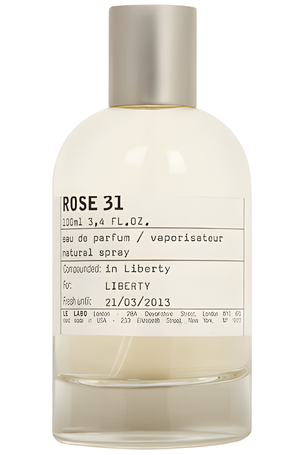
Floral-Woody: + or gives you grounded warmth. Le Labo Rose 31 sets the standard here.
Floral-Gourmand: or + and praline turns cosy and faintly addictive. La Vie Est Belle nails this one.
Floral-Spicy: + pepper or saffron adds heat and argument. Tom Ford Rose Prick and both work this seam hard.
Floral-Fresh: Florals with or come out clean and energising. L'Homme À La Rose does it with grapefruit and sage.
If you're buying one bottle off this page: Rose 31 if you want a floral that argues with you, Miss Dior Blooming Bouquet if you want one that doesn't. Flowerbomb and La Vie Est Belle are the reliable crowd-pleasers, and Chanel No 5 is a piece of history you should smell before deciding whether you want to own it. The gendered marketing is a shelf-placement decision, not a fact about the perfume.
Start with the raw material rather than the bottle — the note page will show you everything built around it. Then pick a house that takes florals seriously and work through its catalogue: is a good place to begin.
 Gucci
Gucci Patchouli
 Jasmine
 Iris
Iris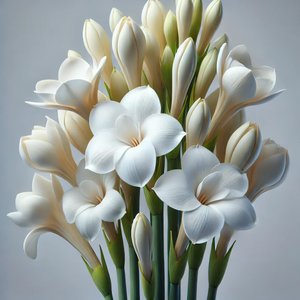 Tuberose
 Rose
Rose Sandalwood
 Chanel
 Vanilla
 Ylang-Ylang
 Lily-of-the-Valley
 Flowerbomb
 Lancôme
 Dior
Dior Le Labo
 Viktor&Rolf
 Neroli
 Cedarwood
 Orange Blossom
 Agarwood (Oud)
 Peony
Peony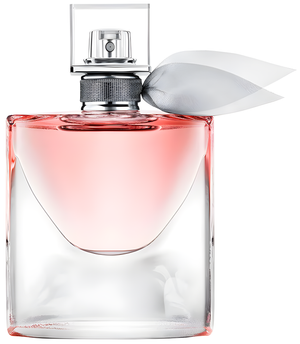 La Vie Est Belle
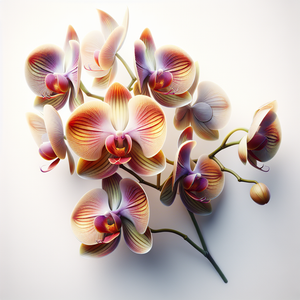 Orchid
 Tom Ford
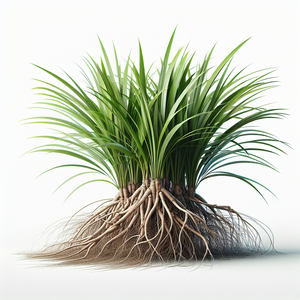 Vetiver
 L'Homme À La Rose
 Gucci Bloom
 Chanel No 5 Eau de Parfum
 Maison Francis Kurkdjian
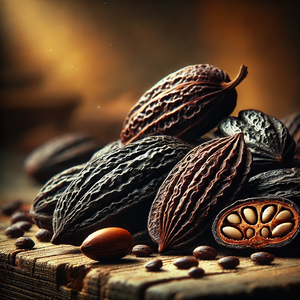 Tonka Bean
 Byredo
 Rose of No Man's Land
 Dior Homme Intense 2011
 Miss Dior Blooming Bouquet
 Cloud
Cloud Zara
Zara Bergamot
 Zara Rose
 Do Son Eau de Parfum
 Rose Prick
 Halfeti
 Rose 31
 Daisy
Daisy