Articles
Odbieraj Fragletter
Nowe historie i wybory zapachowe na Twojej skrzynce. Możesz wypisać się w każdej chwili.
Nowe historie i wybory zapachowe na Twojej skrzynce. Możesz wypisać się w każdej chwili.
Nowe historie i wybory zapachowe na Twojej skrzynce. Możesz wypisać się w każdej chwili.
Nowe historie i wybory zapachowe na Twojej skrzynce. Możesz wypisać się w każdej chwili.
Most fragrance shelves bottom out at the same handful of department store safe bets. The indie houses are where the risk lives in 2026 — small-batch perfumers working without a focus group in the room, and you can smell the ambition in what gets bottled. Here are ten worth knowing, plus the scent to start with from each.
Indie perfume brands operate outside the corporate fragrance machine. No focus groups, no quarterly earnings — so an independent perfumer can spend on an odd ingredient, build something deliberately unbalanced, and follow a personal idea all the way to the bottle.
The result behaves like art rather than product. Scents built on fictional characters, wild animals, distant cities and raw nature, usually with better materials than the average department store counter can afford to put in a mass-produced juice.
The other difference is access. Plenty of indie founders are the perfumers themselves, mixing by hand and talking to their customers directly. That cuts both ways, though. Small batches sell out, and there's no guarantee the thing you fall for is still being made in three years.
treats every fragrance like a short story: Josh Meyer's Portland-based house prints a title, an author and a synopsis on each box. That conceit could easily be a gimmick propping up thin juice. It isn't — the writing is a frame, not the product.
Standout scent: goes after the wild Pacific coast with , sea spray and green moss. It's grey-weather perfume and makes no attempt to be pretty. is the warm counterweight, resinous and built around and .
Price range: $95–$115 for 50ml
makes narrative fragrance out of Brooklyn, New York, pulling on music, history and Americana. David Seth Moltz and Kavi Moltz run it as a husband-and-wife operation, and the rock-and-roll sensibility isn't just marketing copy.
Standout scent: is the creamy that everyone else has been chasing since — green, milky, named after the Pixies song, and the kind of thing strangers ask you about. If announcing yourself isn't the goal, is a transparent skin scent on , designed to sit close rather than travel. The top of the price band is steep for what you get.
Price range: $110–$200 for 50ml
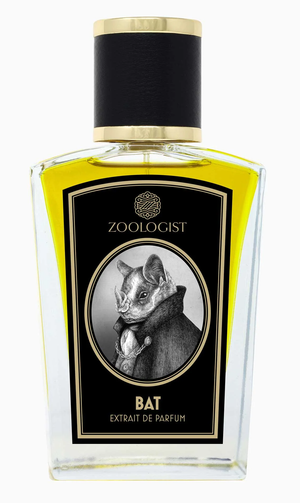
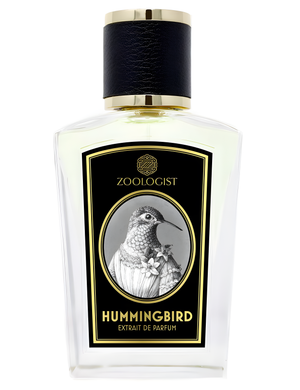
has the best concept in indie perfumery: one animal per bottle, a different guest perfumer each time. That guarantees an uneven line-up, which is the point rather than the flaw.
Standout scent: is cavernous — tropical fruit, cave minerals, damp earth. Polarising, and honest about it. If wet soil in a fragrance reads as a dare rather than a pleasure, go to instead, a floral nectar with tropical warmth.
Price range: $95–$165 for 60ml
is Swiss perfumer Andy Tauer, handcrafting since 2005. His compositions are big and slow-moving, and they take their time getting where they're going.
Standout scent: remains one of the most acclaimed niche fragrances ever created, and the reputation is deserved. , spices and dry woods, arranged into a sunset over the Sahara. It's the safest first purchase on this list.
Price range: $90–$160 for 50ml
Paris-based builds each fragrance around a "sensory epiphany" — an unexpected moment that changed the founder's read on a smell. Concept-driven houses often smell like the concept and nothing else. This one gets away with it.
Standout scent: reworks the Green Fairy as frozen and artemisia over a warm woody base. Icy and inviting at once, which is a hard trick to pull off. It's also where indie pricing starts to bite.
Price range: $145–$200 for 50ml
is an Italian indie perfumer working in vintage-inspired richness with a modern edge. Unapologetically sensual is the house line, and it's accurate — these are not office fragrances.
Standout scent: delivers on the name: salty, animalic, sun-baked skin with and marine accords. There's not much else built like it. is the softer route, powdery and . Note the bottle size before you commit — that's extrait money for 30ml.
Price range: $130–$180 for 30ml extrait
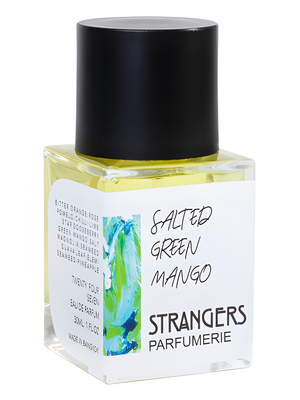
lives on unexpected combinations and compositions that push at what perfume is allowed to be.
Standout scent: is exactly what the label says — hyper-realistic tropical fruit with a savoury salt twist. It's a cult favourite in online fragrance communities and a reliable gateway for anyone new to indie. The catch with literal scents is that they can outstay their welcome; this one works best in small doses.
Price range: $85–$140 for 50ml
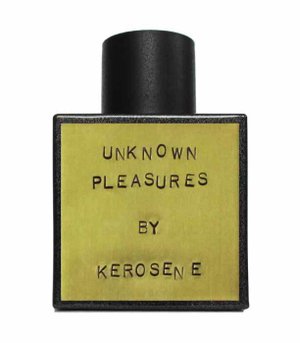
works from raw elements and urban landscapes, and every scent runs on note pairings you wouldn't have put together yourself.
Standout scent: is gourmand-adjacent, sweet with dark smoke underneath, and named after the Joy Division album. Look at the bottle size too: 100ml at this price is the best volume-for-money on the list.
Price range: $90–$145 for 100ml
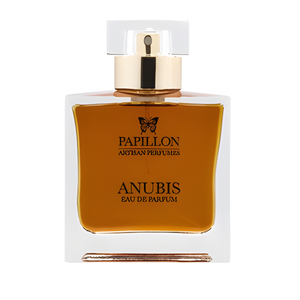
is British, founded by perfumer Liz Moores, who makes everything by hand in small batches. Depth, longevity and a luxurious feel are what the house is known for.
Standout scent: is ancient Egypt done at full volume — , and warm resins. Opulent is the right word, and if you want something discreet this is the wrong bottle.
Price range: $140–$190 for 50ml
is uncompromising even by indie standards: every fragrance is composed entirely from botanical extracts, absolutes and essential oils.
Standout scent: is the argument that all-botanical doesn't mean simple — spiced, layered, with warmth running through it. Naturals-only is a constraint rather than a cheat code, so go in wanting texture, not the reach a synthetic-heavy designer gives you.
Price range: $100–$165 for 50ml
Indie fragrances usually land between $80 and $200 for a full bottle, which stings next to a discounted designer. What the money buys is better materials, smaller runs and one artist's vision instead of a committee's compromise. That's worth paying for when the vision is good, and a waste when it isn't — which is the whole reason to sample first.
Most indie brands sell discovery sets or sample packs for $25–$45. Buy one before you buy anything else.
Finding indie perfume has never been easier. The reliable routes:
If you want one recommendation: Tauer. L'Air du Desert Marocain is the least risky bottle here and still the most respected. Kerosene gives you the most liquid for the money. Zoologist gives you the argument. And if everything on your shelf currently plays it safe, Francesca Bianchi is the corrective.
So pick a lane and browse: if you want a story on the box, if you want to be unsettled, if you want skin rather than concept. Then order the samples before the full bottle — every house on this list gives you that option, and the ones that surprise you are worth the wait.
 Imaginary Authors
 Every Storm a Serenade
 Vetiver
 DS&Durga
 Debaser
 Musk
Musk Slow Explosions
 Bat
Bat Incense
 Hummingbird
 Voyage 2019
 Zoologist Perfumes
 Francesca Bianchi
 Fig
Fig Strangers Parfumerie
 Amber
Amber I Don’t Know What
 Tauer Perfumes
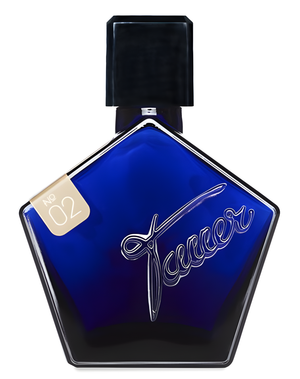 02 L'Air Du Desert Marocain
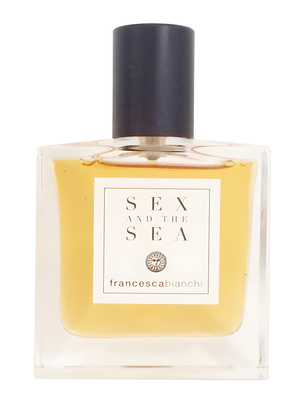 Sex and the Sea
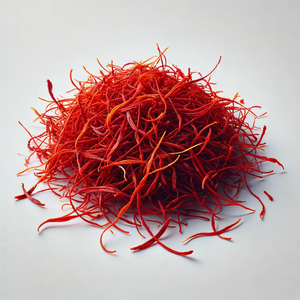 Saffron
 Maison Crivelli
 Absinthe Boréale
 Sandalwood
 Papillon Artisan Perfumes
 Unknown Pleasures
 Salted Green Mango
 Iris
Iris Kerosene
 Mint
Mint Hiram Green
 Anubis
 Angel's Dust