Articles
Odbieraj Fragletter
Nowe historie i wybory zapachowe na Twojej skrzynce. Możesz wypisać się w każdej chwili.
Nowe historie i wybory zapachowe na Twojej skrzynce. Możesz wypisać się w każdej chwili.
Nowe historie i wybory zapachowe na Twojej skrzynce. Możesz wypisać się w każdej chwili.
Nowe historie i wybory zapachowe na Twojej skrzynce. Możesz wypisać się w każdej chwili.
Two sprays of something half your city owns, one spray of something nobody does — that's the whole trick. Fragrance layering isn't a rescue mission for perfumes you don't like; it's a way to make the bottles already on your shelf behave like a much bigger collection. Done lazily it's just noise, so here's the version that works.
Layering is wearing more than one scent at a time to make a third thing. Instead of one perfume doing all the work, you apply two or more — stacked on the same spot, or spread across different pulse points — and let them build something with more dimension than either manages alone.
Middle Eastern perfumery has done this for centuries; the rest of the market caught up much later. built an entire identity on combining scents, and niche houses like and make fragrances legible enough that mixing them feels like the intended use.
There are thousands of perfumes on the market and a depressing number of them smell like the same committee decision. Blending two of them gets you something nobody else is wearing. The combination becomes your signature, not the bottle.
Heavier base notes from one fragrance anchor the lighter top notes of another, so the whole thing holds on longer and keeps shifting as the day goes. You're giving the light stuff something to sit on.
Five fragrances yield dozens of combinations. That's a much bigger wardrobe without buying anything.
Plenty of single fragrances are one idea repeated until the bottle runs out. Crossing families fixes that: the warmth of against the freshness of , or the earthiness of cutting the sweetness of .
There's no rulebook. There are guidelines, and they're the difference between a deliberate blend and a clash.
Fragrances mostly sort into a handful of families:
Complementary families sit together well: citrus with woody, floral with oriental, fresh against rich.
Two powerhouses at once is a headache waiting to happen. Put a bold scent next to a quieter one — an eau de parfum under an eau de toilette, a statement under something clean.
The combinations that work almost always share a note. If both fragrances carry or , that note is the bridge, and the seam between them disappears.
Two methods, and they give you different results:
Dry skin drinks fragrance and gives nothing back. Unscented moisturiser on your pulse points first gives the scent something to hold onto.
The denser scent goes down first — usually the one carrying , or . That's your foundation.
Give the first one 30 to 60 seconds. Rush it and the alcohol in the second spray drags the first around before it's had a chance to set.
Second scent on top, or on a different pulse point. Citrus, fresh and sheer floral fragrances are the right shape for a top layer.
Rubbing your wrists together crushes the thing you just built. Leave it alone and let both layers dry.
Wait 15 to 20 minutes before you judge it. What a paper strip promises and what skin chemistry delivers are frequently two different fragrances.
Starting points, not commandments. Steal them, then wander off.
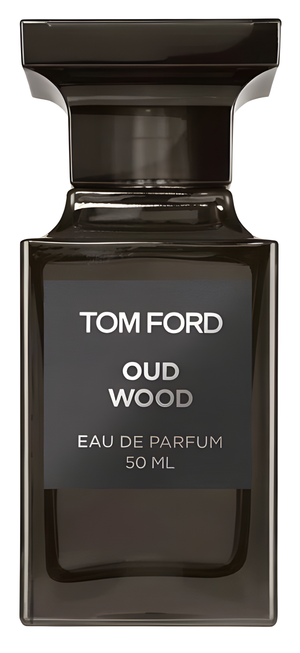
by is the sweet, smoky half; is the refined, woody one. Shared and do the bridging. Layering inside one house is easy mode, and this pair is the argument for it — if Tobacco Vanille on its own reads too syrupy to you, the oud is the correction.
by brings citrus-woody freshness; by brings that amber sweetness. It genuinely works, day into night. It's also the most predictable pairing here — both halves are already inescapable, and stacking two crowd-pleasers gets you a well-dressed crowd-pleaser.
by puts creamy and leather under the fresh, woody lightness of by . Santal 33 has been a signature-scent cliché for years now, and this is the honest way around that — the Byredo thins its density and pulls it somewhere less recognisable. Good everyday wear.
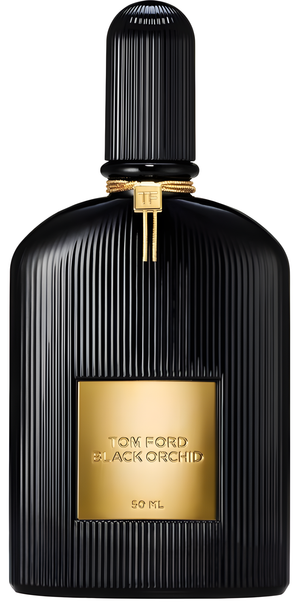
with , both by . The dark florals and truffle of Black Orchid push the fruity, boozy sweetness of Lost Cherry somewhere seductive. This is the one to under-spray. Neither fragrance is shy alone, and the pairing has no interest whatsoever in subtlety — cold weather, evenings, small doses.
by and by both lean aquatic, and together they come out richer and more nuanced than either does alone. If Acqua Di Gio has started to feel like everyone's default, the Jo Malone roughens it up enough to sound like a decision. Summer, obviously.
by lays soft florals over the crystalline warmth of . The in BR540 is the hinge that makes it hold together. What you get is elegant and skin-like, and it trades on the compliment-magnet reputation BR540 already has.
The gateway pairing, and there's no shame in it. brings fruity sweetness; grounds it with something earthy and mineral. built the line to be combined, so this is close to foolproof — which is precisely why it's where you should start.
Two fragrances need fewer sprays each, not your usual number twice over. One to two of each, then build. You're after a blend, not a fog.
Surprises happen, but some pairings simply don't. Heavy gourmands and sharp green scents rarely find common ground. Test on paper before you commit skin to it.
A combination can be brilliant for five minutes and sour the moment the top notes burn off. Give it at least an hour before you wear it somewhere that matters.
What sings on a friend can collapse on you. Paper tells you half the story; your own skin tells you the rest.
Two, or three at the absolute outside. Past that you're not composing anything — you're just spraying.
If you're starting from zero, copy the Jo Malone pairing. It's engineered to work, so you learn the technique without also gambling on the blend, and once that clicks you'll trust your own judgement on the harder ones. The genuinely useful habit, though, costs nothing: find the shared note between two bottles you already own. That's where the good combinations come from, not from buying a third thing.
So pick the note you keep gravitating towards — , say, or — and work out what in your collection already carries it. Then head to Fragplace to explore the families and notes, and find the fragrance that bridges the two.

 Jo Malone London
 Le Labo
 Byredo
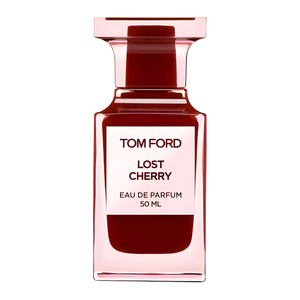 Lost Cherry
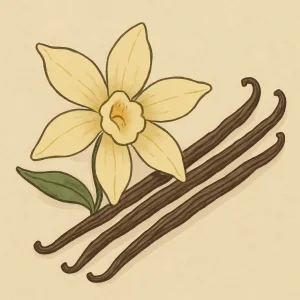 Vanilla
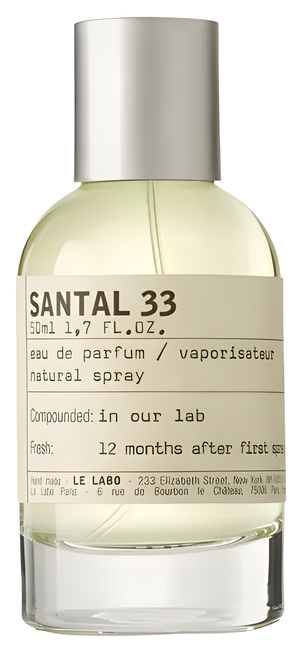 Santal 33
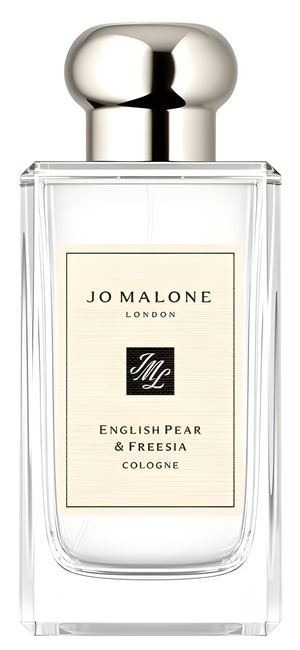 English Pear & Freesia
 Cardamom
 Cedarwood
 Musk
Musk Jasmine
 Tom Ford
 Amber
Amber Bergamot
 Patchouli
 Sandalwood
 Oud Wood
 Black Orchid
 Tonka Bean
 Rose
Rose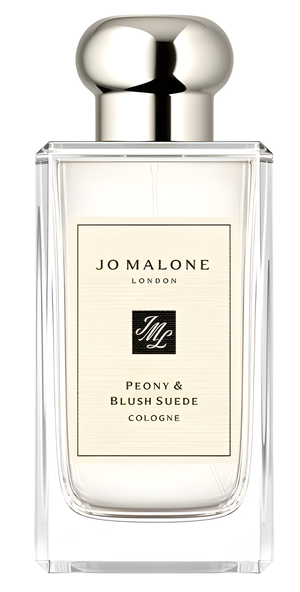 Peony & Blush Suede
 Vetiver
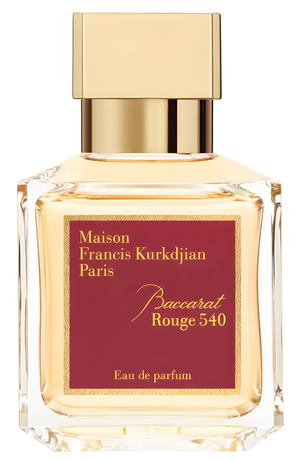 Baccarat Rouge 540
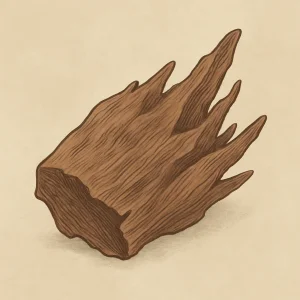 Agarwood (Oud)
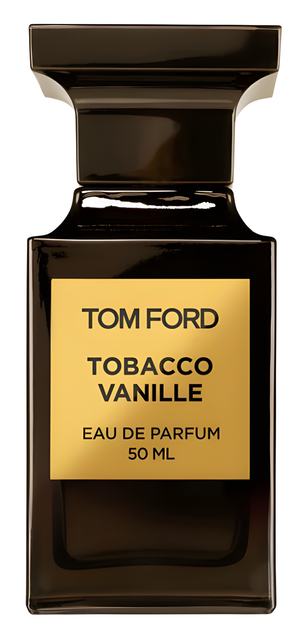 Tobacco Vanille
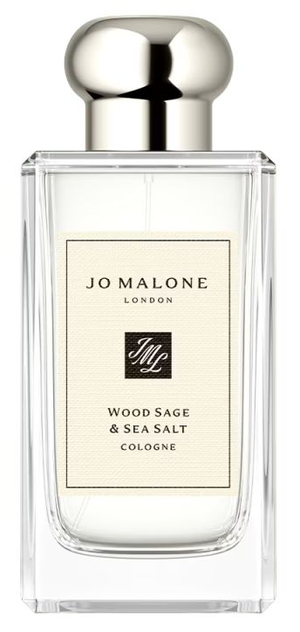 Wood Sage & Sea Salt
 Giorgio Armani
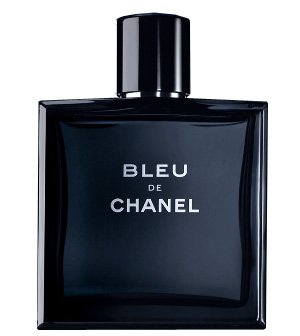 Bleu de Chanel
 Chanel
 Maison Francis Kurkdjian
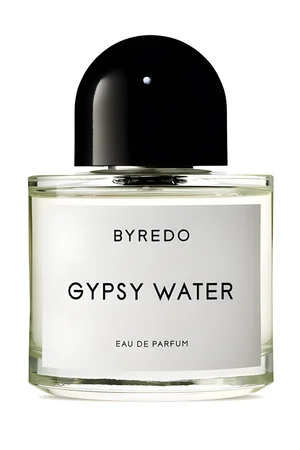 Gypsy Water
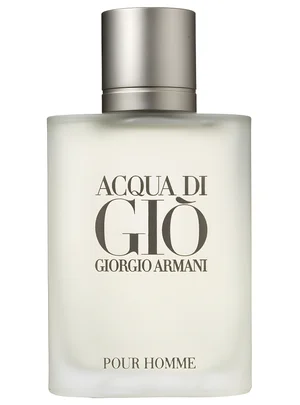 Acqua Di Gio