Articles
Odbieraj Fragletter
Nowe historie i wybory zapachowe na Twojej skrzynce. Możesz wypisać się w każdej chwili.
Nowe historie i wybory zapachowe na Twojej skrzynce. Możesz wypisać się w każdej chwili.
Nowe historie i wybory zapachowe na Twojej skrzynce. Możesz wypisać się w każdej chwili.
Nowe historie i wybory zapachowe na Twojej skrzynce. Możesz wypisać się w każdej chwili.
Bleu de Chanel comes in three concentrations under one name, and our pick for most people is the Eau de Parfum: Jacques Polge formulated it in 2014, and its main accords on Fragplace run woody, amber, warm spicy, citrus and aromatic. The eau de toilette is the original. The Parfum is the green, herbal one.
There is a piece of family history sitting inside that lineup. Jacques Polge created the 2010 original and formulated the 2014 eau de parfum. His son Olivier Polge formulated the 2018 parfum. Same blue glass, different hand on the formula.
is where the line starts. It hit stores on September 13, 2010, created by Jacques Polge for Chanel, and is described as a woody aromatic.
The note list is long and unusually easy to follow: lemon, mint, pink pepper and grapefruit on top, ginger, Iso E Super, nutmeg and jasmine in the middle, then labdanum, sandalwood, patchouli, vetiver, incense, cedar and white musk at the base.
On Fragplace the eau de toilette's main accords come out woody, warm spicy, musky, amber and aromatic. Musk sits third there, ahead of amber, and citrus does not make that shortlist at all.
With lemon, grapefruit and mint listed together up top, expect an opening that reads cold and bitter rather than sweet, with pink pepper adding dry sparkle instead of heat. Ginger and nutmeg warm the middle without turning it edible. Underneath, three woods (sandalwood, cedar and patchouli) stack against vetiver, incense and labdanum, and the white musk in the base is the reason the whole thing is likely to blur soft and clean at the end rather than stay resinous.
To us it is the most neutral, least demanding reading of the three.
Four years after the original, Jacques Polge formulated the eau de parfum. Same house, same woody aromatic signature, different balance.
The accords are where you see the shift. On Fragplace, lists woody, amber, warm spicy, citrus and aromatic. Two changes matter. Amber climbs to second, ahead of the warm spice. And citrus turns up in the headline accords, while musk, which makes the eau de toilette's list, drops out.
Put those together and you get the version that keeps the grapefruit-and-lemon lift audible while the bottom half turns rounder and more resinous. Labdanum and incense are already in the Bleu note list, and an amber-forward reading is what those two tend to give when they are pushed up the mix.
If you want one bottle that covers a workday, dinner and a cold Saturday without feeling like a different fragrance each time, this is the safest bet. It is also the easiest of the three to wear in winter, because warmth is doing more of the work.
The 2018 parfum was formulated by Olivier Polge, and it is the one that departs most from the other two. On Fragplace, lists aromatic, woody, fresh spicy, amber and green.
Three things jump out next to the other two. Aromatic leads here instead of trailing at the end. The spice reads fresh rather than warm. And green shows up in the Parfum's accords and not in the eau de toilette's or the eau de parfum's.
So if what you like about Bleu is its cool herbal side, the mint and ginger end of the note list rather than the incense and musk end, this is the version whose accords point hardest that way. Expect something more upright and sappy, closer to crushed stems and dry wood than to amber.
That makes it our pick for spring and warm weather, and for anyone who found the eau de toilette too soft and musky in the dry down.
Three questions, three answers.
If you want to see the three side by side, put them into our fragrance compare tool and read the notes and accords in one view. For the wider question of what the label on the box actually changes, we wrote a guide to EDT, EDP and parfum concentrations, and if you like this format, our Versace Eros EDP vs EDT breakdown does the same job on another designer pillar.
No, not quite. They share a name and the woody aromatic description, but they were formulated separately: Jacques Polge did the 2010 original and the 2014 eau de parfum, Olivier Polge did the 2018 parfum. Their main accords on Fragplace differ too, with citrus listed for the eau de parfum and green only for the parfum.
Jacques Polge created it for Chanel in 2010 and also formulated the 2014 eau de parfum version. His son Olivier Polge formulated the 2018 parfum.
Lemon, mint, pink pepper and grapefruit on top; ginger, Iso E Super, nutmeg and jasmine in the heart; labdanum, sandalwood, patchouli, vetiver, incense, cedar and white musk in the base. If the sandalwood is the part you keep coming back to, our best sandalwood fragrances list is the next stop.
The original hit stores on September 13, 2010. The eau de parfum followed in 2014 and the parfum in 2018.
We will not guess at hours on skin, because that depends on your skin, the weather and how much you apply. What we can tell you is which notes and accords each version leads with, which is the part that decides whether you like it. For the rest, read what actually decides scent longevity.
It was launched as a men's fragrance, but yes, as far as we are concerned. Woody, aromatic, amber and spicy accords belong to anyone who likes them. If you want more in that territory, see our gender-neutral picks for 2026.
If you own one of the three, rate it and leave a review on its page, the , the or the , and log the days you wear it in your Scent Calendar. Seeing which one you actually reach for is the fastest way to settle this.
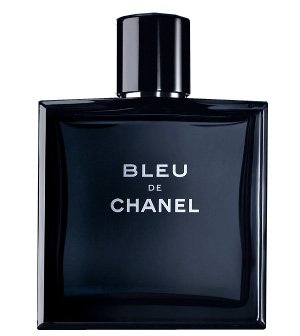 Bleu de Chanel
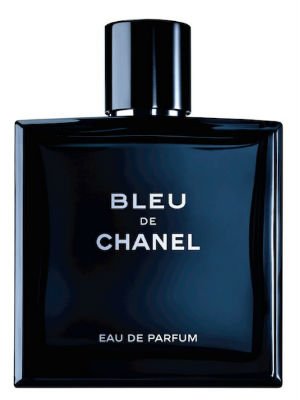 Bleu de Chanel Eau de Parfum
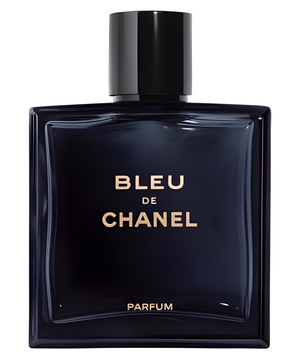 Bleu de Chanel Parfum