Articles
Fragletter 받아보기
새로운 향 이야기와 추천을 메일함으로 보내 드립니다. 언제든 구독을 취소할 수 있습니다.
새로운 향 이야기와 추천을 메일함으로 보내 드립니다. 언제든 구독을 취소할 수 있습니다.
새로운 향 이야기와 추천을 메일함으로 보내 드립니다. 언제든 구독을 취소할 수 있습니다.
새로운 향 이야기와 추천을 메일함으로 보내 드립니다. 언제든 구독을 취소할 수 있습니다.
Most collections plateau at the point where you can name every note in the bottle. Layering is the way past that — two scents worn together until they read as one — and if you can pick out an from across the room, you're overqualified for it. Fragrance layering is how you go from wearing perfume to composing it, and everything you need is already on your shelf.
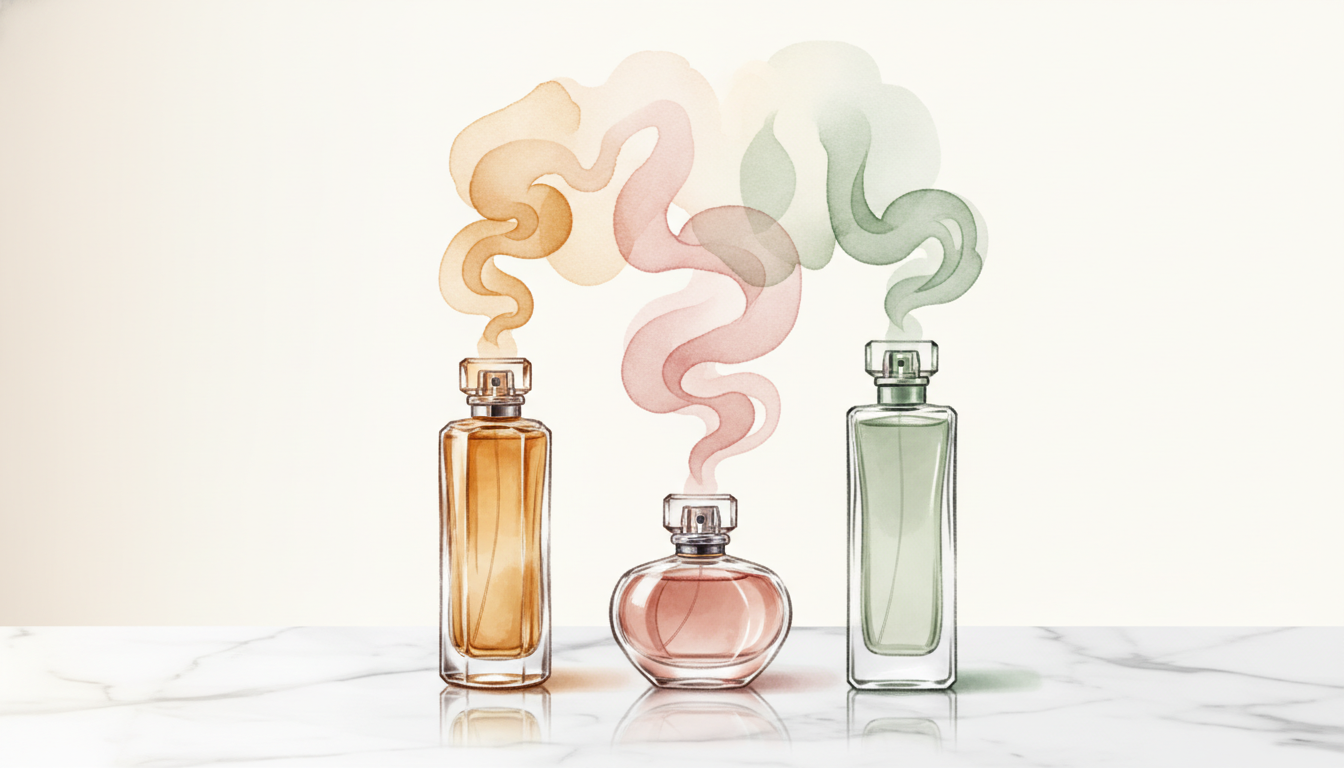
Two or more fragrances applied together — same spot, or spread across pulse points — so their notes settle into a single scent on your skin. The difference from simply switching bottles through the day is intent: you're picking scents that do something to each other, and the result is something neither one reaches alone.
built a house on the idea, designing fragrances meant to be combined, and perfumers have worked this way for centuries. You don't need purpose-built scents, though. Any two compatible fragrances will do.
Certain note families belong together the way certain flavours do. Get that part right and the technique further down is trivial.
Contrast is the whole game. Put something light and bright on top of something deeper: citrus and fresh notes lift heavy bases, while , woods and resins anchor airy top notes. Two fragrances in the same lane will fight — two heavy ouds, two sharp citruses — and you'll get noise instead of a blend.
Order matters as much as choice.
1. Heavier fragrance first. Your denser, base-heavy scent is the canvas. Put it on pulse points — wrists, neck or chest.
2. Let it settle. Wait 30 seconds to a minute so the base starts developing. Skip this and the two collapse into a muddy blur.
3. Lighter fragrance on top or nearby. Spray the brighter scent directly over the base, or on adjacent pulse points — base on the wrists, lighter on the neck. Splitting the spots gives you a subtler blend that shifts as you move.
4. Don't rub. Pressing your wrists together crushes the top notes and speeds up evaporation. You've just built a balance; don't undo it in two seconds.
5. Reassess after 15 minutes. The opening can be misleading, and a layered blend often bears little resemblance to how it settles. If one side is losing, add a light touch-up of whichever element needs the help.
Five pairings that hold up.
by + by
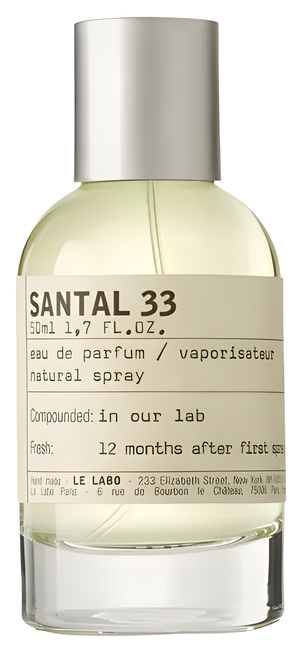
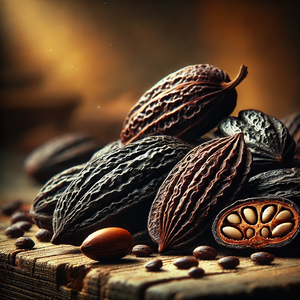
Tobacco Vanille goes down first. Its and tobacco warmth gives Santal 33's creamy and something to sink into, and what comes back is a leathery warmth like a cashmere blanket. It's also the priciest way to smell like a fireplace, so go in knowing that.
by + by
Aquatic freshness against spiced and . La Nuit de l'Homme on the chest, Acqua Di Gio on the wrists and neck: you keep La Nuit's pull and gain a clean-skin brightness that makes the whole thing office-safe. Acqua Di Gio does the unglamorous work here, which is probably the best use anyone has found for a bottle this over-worn.
+ by
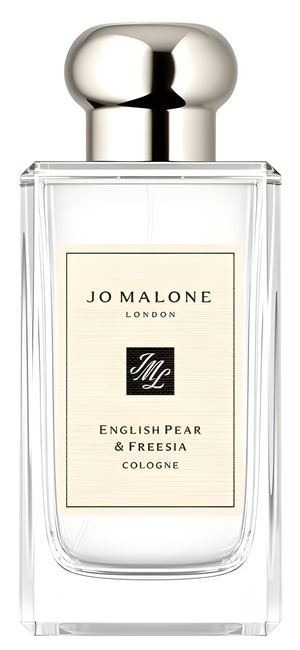
Layering at its most forgiving — the house built these to click. The mineral, earthy side of Wood Sage & Sea Salt meets the juicy sweetness of English Pear & Freesia, and you end up with something dewy, an English garden by the coast. If you've never layered before, this is the one to start on.
by + by
Oud Wood first, for its smoky and backbone, then Baccarat Rouge 540 over the top. The and of BR540 melt into the oud into a crystalline warmth that carries without shouting. BR540 on its own has become a cliché. Under Oud Wood, it stops introducing itself before you do.
by + by
Two of the biggest crowd-pleasers on the counter, which is both the appeal and the problem. Sauvage's bold and punch sharpens Bleu de Chanel's woody incense depth; lay Bleu de Chanel down first so its dry-down gives the brightness something to push against. Nobody will call it original. It works anyway.
Overspraying. Two scents project harder together than either does alone, so cut your usual count on both. This is the mistake almost everyone makes first.
Ignoring concentration differences. An Eau de Toilette gets flattened by an Extrait de Parfum. Match concentrations, or go heavier on the lighter one to hold the balance.
Skipping the test. A pairing that sings on paper can turn on skin. Wear a new combination at home for a full day before you take it anywhere.
Layering more than two at first. Trios can be extraordinary. They also need experience you don't have yet if you're reading this section. Master pairs.
Choosing two dominant scents. If both fragrances were built to be the star, they'll spend the day arguing. One of the two should be relatively simple or transparent.
Every fragrance page on Fragplace breaks down the full note pyramid — , heart notes and base notes — so you can judge whether two things will get along before you spend anything.
Use the note exploration feature to browse by note family and find fragrances built on the ingredient you want to pair. If is your anchor, go look at what or does next to it.
Your collection page deserves a slow read too. The best pairing you own is usually sitting in your existing rotation.
If you're buying something to layer with, buy the Jo Malone pair — designed to combine, cheap to get wrong, and the fastest way to learn what a blend is supposed to feel like. If you're working with what you already own, the Bleu de Chanel and Sauvage combination is the one most people can build tonight, and the Oud Wood and BR540 pairing is the one worth saving for. What you shouldn't do is pile two heavyweights on and hope.
So: read the base notes on any fragrance page before you commit, then browse by note — is a good place to start — and find your layering partners on Fragplace.
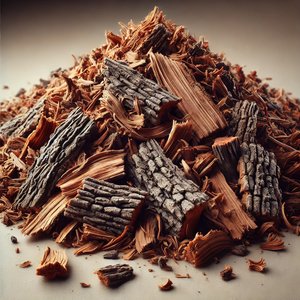 Agarwood (Oud)
 Jo Malone London
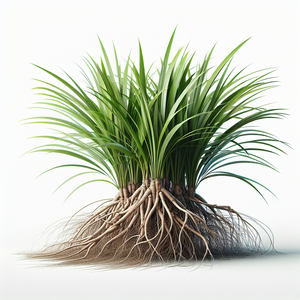 Vetiver
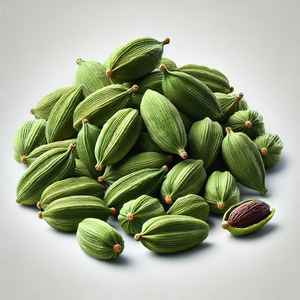 Cardamom
 Tom Ford
 Yves Saint Laurent
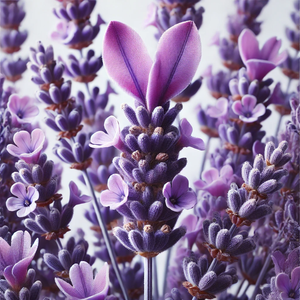 Lavender
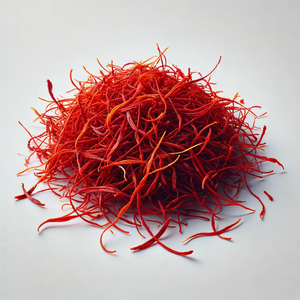 Saffron
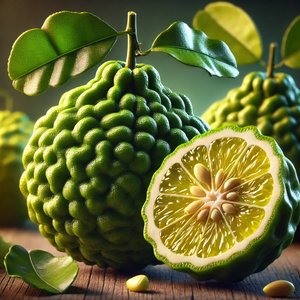 Bergamot
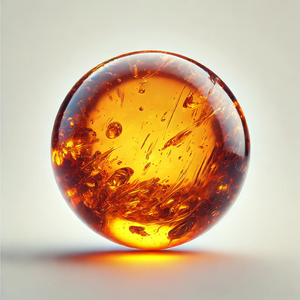 Amber
Amber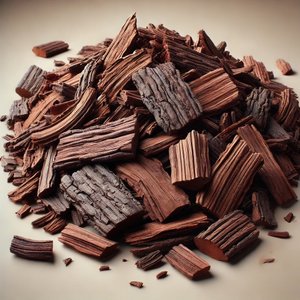 Sandalwood
 Santal 33
 Tonka Bean
 English Pear & Freesia
 Maison Francis Kurkdjian
 Giorgio Armani
 Le Labo
 Chanel
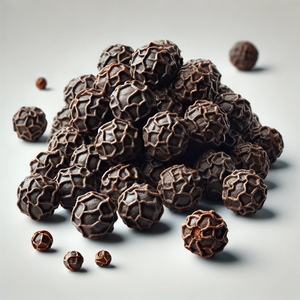 Pepper
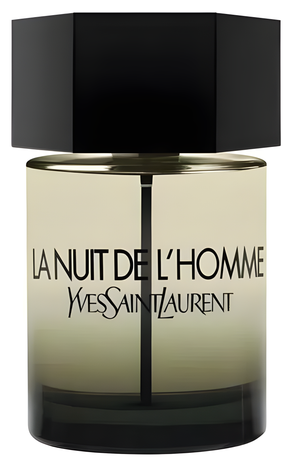 La Nuit de l'Homme
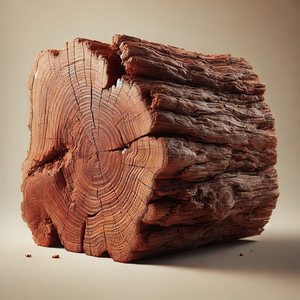 Cedarwood
 Musk
Musk Dior
Dior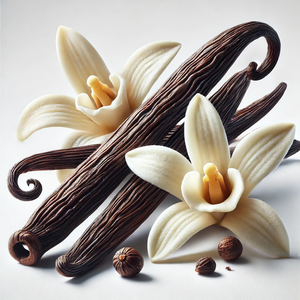 Vanilla
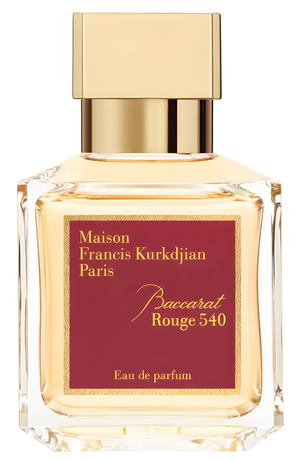 Baccarat Rouge 540
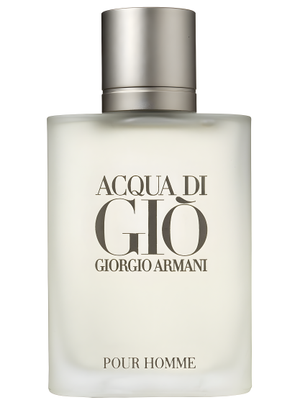 Acqua Di Gio
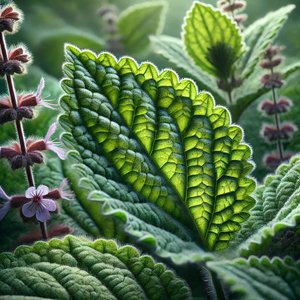 Patchouli
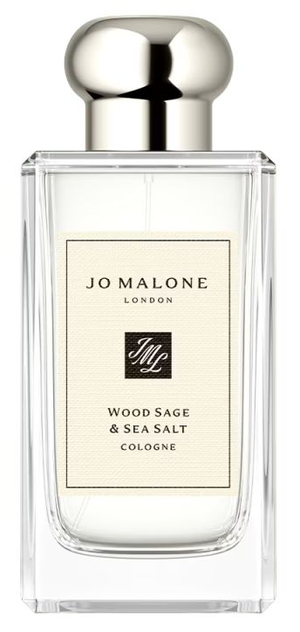 Wood Sage & Sea Salt
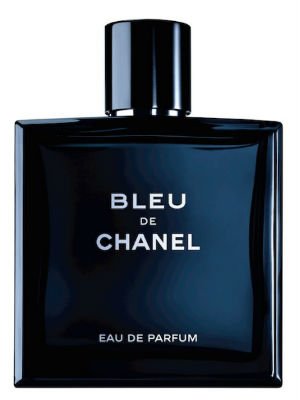 Bleu de Chanel Eau de Parfum
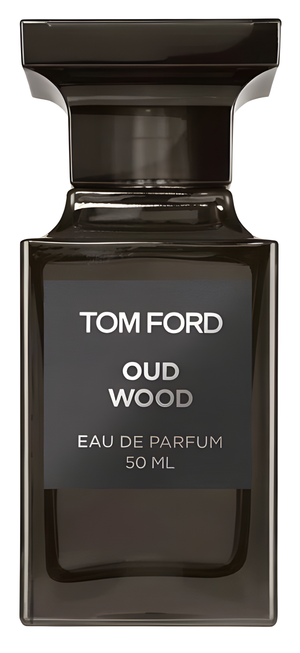 Oud Wood
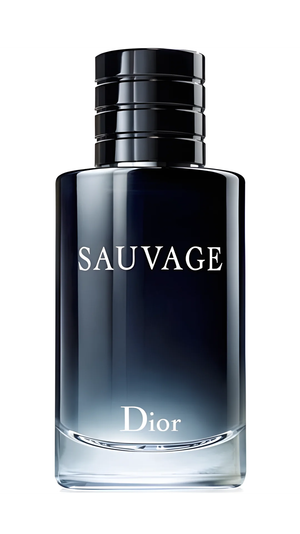 Sauvage
 Rose
Rose Tobacco Vanille