Articles
Fragletter 받아보기
새로운 향 이야기와 추천을 메일함으로 보내 드립니다. 언제든 구독을 취소할 수 있습니다.
새로운 향 이야기와 추천을 메일함으로 보내 드립니다. 언제든 구독을 취소할 수 있습니다.
새로운 향 이야기와 추천을 메일함으로 보내 드립니다. 언제든 구독을 취소할 수 있습니다.
새로운 향 이야기와 추천을 메일함으로 보내 드립니다. 언제든 구독을 취소할 수 있습니다.
There's a telling biographical detail about Quentin Bisch that turns up in almost every profile written about him: before he became one of the most sought-after noses at Givaudan, he was training as an actor.
It sounds like an unusual detour. But spend time with his work — from the chiselled masculinity of to the cerebral, almost sculptural beauty of for — and that theatrical instinct starts to make perfect sense. Bisch doesn't just blend ingredients; he constructs scenes. His fragrances have character. They know when to be subtle and when to fill the room.
After training at ISIPCA — the Versailles-based perfumery school that has launched a disproportionate number of great noses — he joined Givaudan and quietly became one of its most versatile perfumers. More than two decades into his career, and right now in the summer of 2026, he may be at the absolute peak of his powers.
Bisch's most visible work is his ongoing collaboration with . He has spent years evolving the brand's male fragrance franchise, turning it from a nostalgic icon into something urgently contemporary.
was his first major statement in that direction. Where the original Le Male was sweet and playful, Le Parfum goes deeper: pushed almost to the point of abstraction, then wrapped around and vanilla in a way that feels both familiar and brand new. It smells settled, confident — like someone who knows exactly who they are.
He followed it with , which pushes further into amber-oriental territory: honey and tobacco join the lavender-tonka signature to create something richly warm but never gaudy. It's one of the more interesting things to happen to mainstream masculines in recent years.
The is his more underrated summer achievement — tropical without being cheap, built around coconut, iris, and sandalwood in a structure that rewards multiple wears.
If the Gaultier collaborations show how good Bisch is at speaking to a wide audience, his niche work reveals what he's capable of when the brief is open.
Ganymede — his fragrance for — is one of those rarities that fragrance lovers discuss in almost reverent tones. Named after Jupiter's largest moon, it's an abstract, woody-ambery construction built around saffron, suede, osmanthus, and Akigalawood. It doesn't smell like anything else in its price bracket. It occupies olfactory space the way a good piece of music occupies silence — by making you acutely aware of what surrounds it.
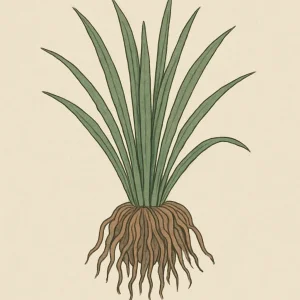
His work for takes a completely different approach: pared-back, focused, each fragrance doing one thing exceptionally well. is the standout — a study in and , built with a restraint that makes it feel almost architectural. It merges into your skin and makes you feel like you naturally smell this way. That's a harder trick than it looks.
He also created for — one of the bestselling niche feminines of the past decade — and for , both demonstrating his gift for accessible beauty. The range is remarkable: cult niche darlings and department-store bestsellers, each executed with genuine care.
Rotate through his portfolio over a few weeks and patterns emerge. He returns again and again to a handful of themes: the tension between sweetness and depth, the way a clean structure can carry real emotional weight, the power of restraint at the right moment.
He is also unusually skilled with woody synthetic materials — ambroxan, Akigalawood, Iso E Super — understanding that these molecules create presence rather than notes. They make the wearer feel enveloped rather than perfumed.
And then there's the theatrical instinct. His best fragrances have an arc. They open differently than they settle. They are designed to be encountered, not merely noticed — a quality that maps almost directly onto how a skilled actor inhabits a stage.
If you're new to his work, these are worth finding:
At a time when the fragrance industry is increasingly split between algorithmic populism and niche insularity, Quentin Bisch is one of the few noses who moves comfortably through both worlds — and nearly always does something interesting in each.
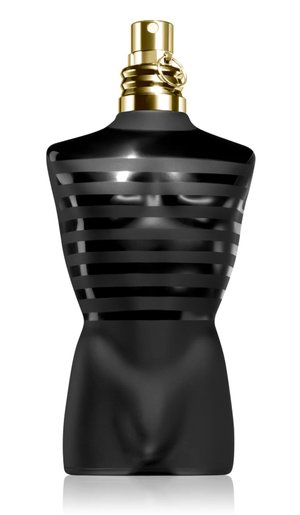 Le Male Le Parfum
 Marc-Antoine Barrois
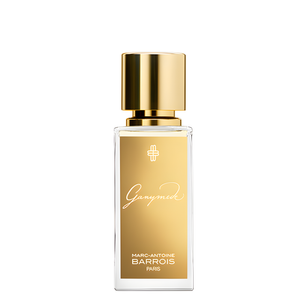 Ganymede
 Le Male Elixir
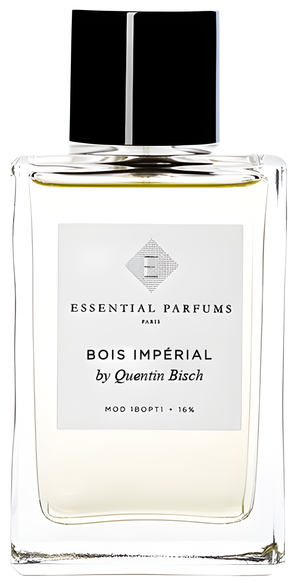 Bois Impérial
 Essential Parfums
 Parfums de Marly
 Vetiver
 Jean Paul Gaultier
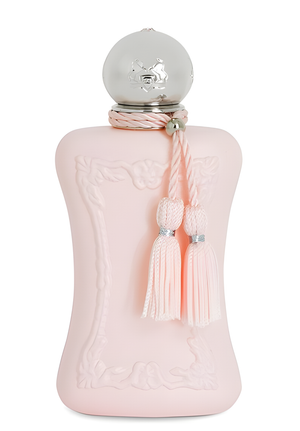 Delina
 Tonka Bean
 Lavender
 Chloé
Chloé Ambroxan
 Le Beau Le Parfum
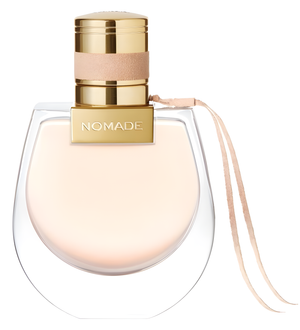 Nomade