Articles
Fragletter 받아보기
새로운 향 이야기와 추천을 메일함으로 보내 드립니다. 언제든 구독을 취소할 수 있습니다.
새로운 향 이야기와 추천을 메일함으로 보내 드립니다. 언제든 구독을 취소할 수 있습니다.
새로운 향 이야기와 추천을 메일함으로 보내 드립니다. 언제든 구독을 취소할 수 있습니다.
새로운 향 이야기와 추천을 메일함으로 보내 드립니다. 언제든 구독을 취소할 수 있습니다.
Most layering advice treats it as free creativity. It isn't. Layering is contrast management, and the gap between a signature blend and a muddy mess usually comes down to one decision: whether your two scents are doing the same job.
Layering means wearing more than one scent at a time so the result is something neither bottle manages alone. Instead of asking a single perfume to carry the whole day, you stack complementary fragrances — or scented body products — into something personalised.
Cooking is the useful comparison. Good ingredients don't guarantee a good dish; the combination does.
Learn the families first. It's the quickest way to predict whether a pairing will sing or sulk.
Bright, and gone quickly. Notes like and live here. Citrus is an opener rather than a foundation — it burns off fast, which is exactly why it sits happily over almost every other family.
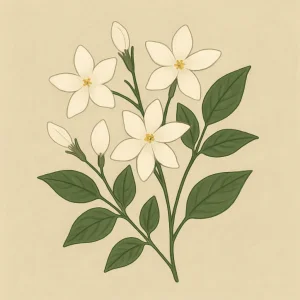
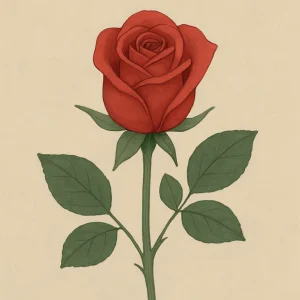
and are the classics, coded feminine by decades of marketing and none the worse for it. Both add depth, and both work in unisex combinations.
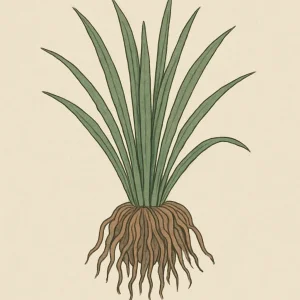
Grounding. , and make the best base layer you can pick, because wood sits still while everything above it moves.
This is where the weight is. , and add warmth and longevity — and that tonka-and-vanilla side is what makes a blend feel plush instead of merely sweet.
Herbal and clean. and its neighbours bridge citrus and woody families, which makes them the most useful and least glamorous thing in your cabinet.
Not every combination works. These are the ones to start from:
The golden rule: put the lighter, fresher note over the deeper, warmer one. Contrast is the whole point. Two scents agreeing with each other is just one scent, louder.
Fragrance clings to moisturised skin and drops off dry skin fast. Begin with an unscented or lightly scented moisturiser. If you own a scented body lotion that complements one of your fragrances, use that instead.
The heavier scent goes down first — woody or oriental. Pulse points: wrists, neck, behind the ears. A sandalwood-forward fragrance like by is a strong foundation, though it's become enough of a signature-scent cliche that plenty of people will recognise it under whatever you put on top. That's a feature if you like it and a problem if you don't.
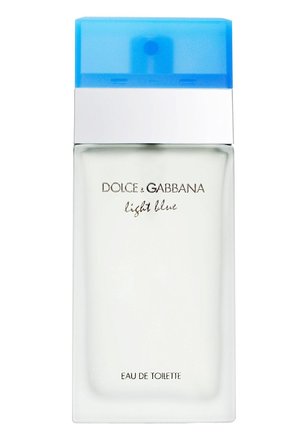
Wait 30 seconds for the base to settle, then go in with the brighter one. Citrus and florals do their best work here. by brings the Mediterranean brightness; alone it can read thin, but over a woody base it borrows a spine.
Don't rub your wrists together — it breaks down the fragrance molecules and changes the scent profile. Let each layer dry on its own. The heat from your pulse points does the blending.
Give it 10–15 minutes before passing judgement. Fragrances move through top, heart and base notes, so the thing that hits you in the first minute isn't the result.
Combinations built from fragrances you can look up on Fragplace:
by as your base, then a light spritz of something citrus-forward. The and anchor it while the citrus lifts the top. Bleu is about as widely worn as a fragrance gets — layering is one way to stop smelling like everyone else who owns it.
by underneath — a dark oriental heavy enough to fill a room unaided — with by on top. The and cut the density. Both halves are instantly recognisable, so this reads as a deliberate choice, never a quiet one.
by as the base. Its and take a fresh aquatic layer well, and the result lands cosy and clean at once. One warning: this is the pricey, already-loud option, so a heavy hand here costs you twice.
by over a -heavy moisturiser. Low-risk and a little boring, which is rather the point — office to weekend brunch without anyone having to think about it.
Two. Three at the absolute outside. Past that you aren't blending, you're diluting everything into a smell nobody can name.
Two powerful orientals will fight, and neither wins. Pair contrast instead: light with heavy, fresh with warm.
An Eau de Parfum layered with an Eau de Toilette won't project evenly. Match concentrations where you can, or put the stronger one down as the base.
Skin chemistry is real. A combination that works on a friend can go wrong on you, so test it yourself and give it time to develop.
Use fewer sprays than you normally would — two or three per fragrance is plenty. You're building one combined scent, not running two at full volume.
Here's the version worth recommending: pick one woody or amber base you'd happily wear on its own, then treat everything else as a top layer over it. A foundation you trust plus one bright thing above it beats two statement perfumes wrestling, every time. There are no strict rules here, but that one will save you the most wasted sprays.
So, two moves. Read up on the base notes first — is the most forgiving thing to build on — then go and compare actual bottles, where something like by is as good a starting point as any.
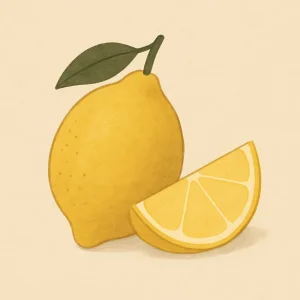 Lemon
Lemon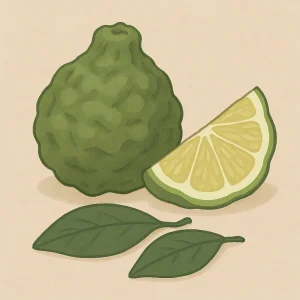 Bergamot
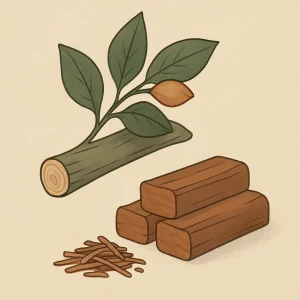 Sandalwood
 Jasmine
 Rose
Rose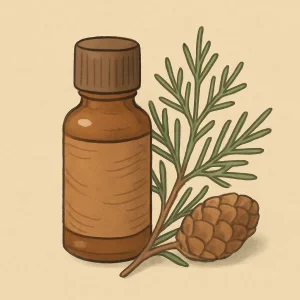 Cedarwood
 Vetiver
 Amber
Amber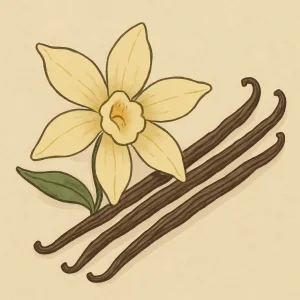 Vanilla
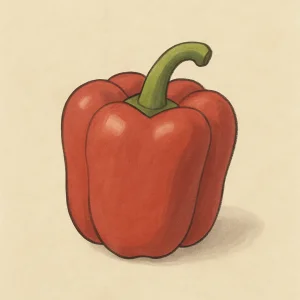 Pepper
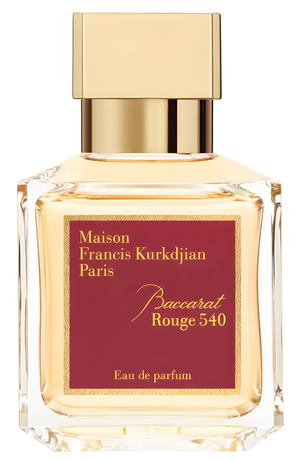 Baccarat Rouge 540
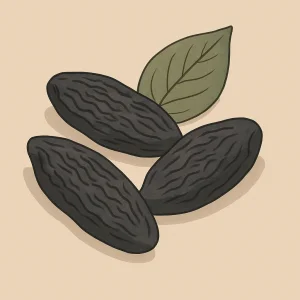 Tonka Bean
 Tom Ford
 Le Labo
 Dior
Dior Chanel
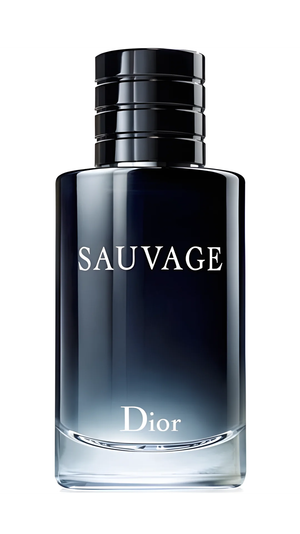 Sauvage
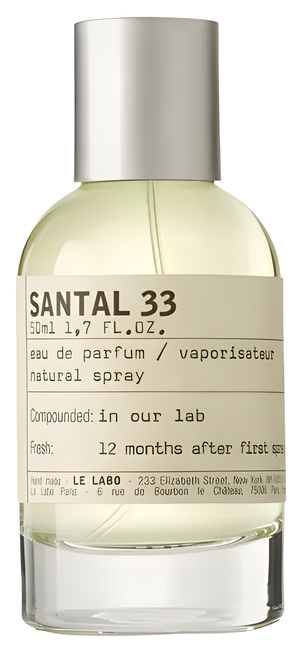 Santal 33
 Dolce&Gabbana
 Lavender
 Maison Francis Kurkdjian
 Giorgio Armani
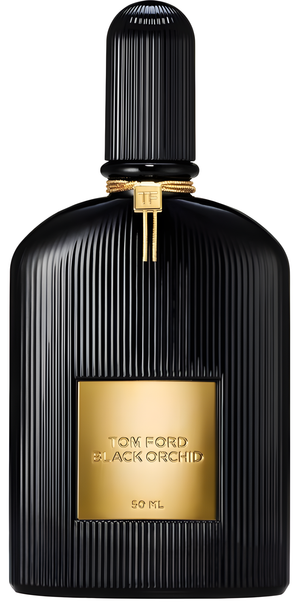 Black Orchid
 Patchouli
 Musk
Musk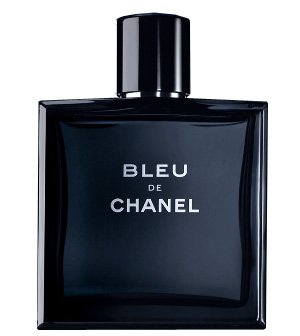 Bleu de Chanel
 Light Blue
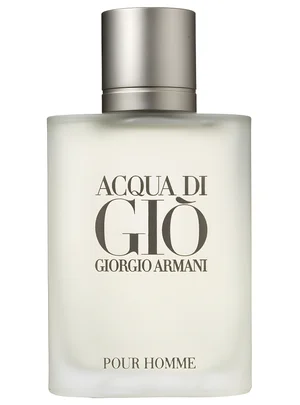 Acqua Di Gio