Articles
Fragletter 받아보기
새로운 향 이야기와 추천을 메일함으로 보내 드립니다. 언제든 구독을 취소할 수 있습니다.
새로운 향 이야기와 추천을 메일함으로 보내 드립니다. 언제든 구독을 취소할 수 있습니다.
새로운 향 이야기와 추천을 메일함으로 보내 드립니다. 언제든 구독을 취소할 수 있습니다.
새로운 향 이야기와 추천을 메일함으로 보내 드립니다. 언제든 구독을 취소할 수 있습니다.
Ever notice how the same fragrance can smell incredible in December and completely wrong in July? You're not imagining it. Temperature, humidity, and even your mood change how a scent projects and how it reads to the people around you. The solution isn't one perfect "signature scent" — it's a seasonal fragrance rotation: a small, deliberate wardrobe of scents matched to the weather and the moment.
Building one sounds intimidating and expensive. It isn't. Here's exactly how to think about scents for every season, with specific recommendations across price points, plus a simple plan to build your rotation without breaking the bank.
Heat and cold do very different things to fragrance. Warm weather amplifies scent — heat lifts aromatic molecules off your skin faster and more forcefully, so a rich, heavy fragrance that's cozy in winter becomes cloying and headache-inducing in summer. Cold weather mutes scent — it slows evaporation, so light, airy fragrances practically vanish on a freezing day, while dense, warm compositions finally have room to bloom.
Beyond chemistry, there's mood and context. A crisp aquatic feels right on a hot beach afternoon; a warm, spicy amber feels right by a fireplace. A seasonal rotation just means letting the weather guide the wardrobe — the same way you swap linen for wool.
Spring is about renewal: dewy florals, green freshness, and gentle sweetness that mirrors everything blooming outside. Reach for scents that feel light and optimistic without being as sheer as high-summer fare.
In summer, less is more. You want scents that stay crisp and refreshing as the temperature climbs — bright and citrus, marine and aquatic accords, and transparent, watery compositions that won't turn heavy in the heat.
As the air cools, scents can gain weight. Fall is the sweet spot for warm spice, soft , and woody-aromatic compositions that feel cozy without being as intense as deep winter fragrances.
Cold weather demands richness. Winter is when heavy hitters finally make sense — dense , warm resins, sweet gourmands, and potent orientals that would overwhelm in summer but wrap you in warmth when it's freezing.
Some fragrances are chameleons — well-balanced enough to work nearly year-round. If your rotation is small, these are the workhorses to build around.
You don't need twelve bottles. Start with four — one per season — and expand from there.
The starter four (one per season):
Notice the budget-friendly options in there — Khamrah, CK One, and Daisy prove you can cover three seasons for well under the price of a single designer bottle.
Expanding to eight: Once you know which seasons you reach for most, add a second option there — a lighter and a heavier choice per season — and fold in one true all-rounder like or that fills the gaps. Buy discovery sets and samples before committing to full bottles; a $15 sample is far cheaper than a $150 mistake. And don't sleep on generous, affordable houses like — they let you cover a whole season for the price of lunch.
A seasonal rotation isn't about owning the most fragrances — it's about wearing the right one for the weather in front of you. Start with four, let your preferences guide the next four, and lean on samples and budget gems to fill the gaps. Before long you'll reach for a scent as naturally as you reach for a jacket.
Explore fragrances, notes, and brands for every season on Fragplace and start building the rotation that fits your life.

 Chanel
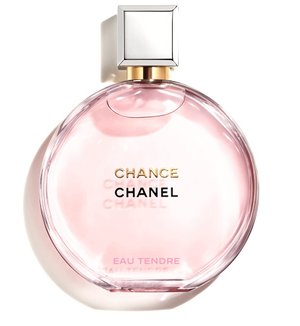 Chance Eau Tendre Eau de Parfum
 Dior
Dior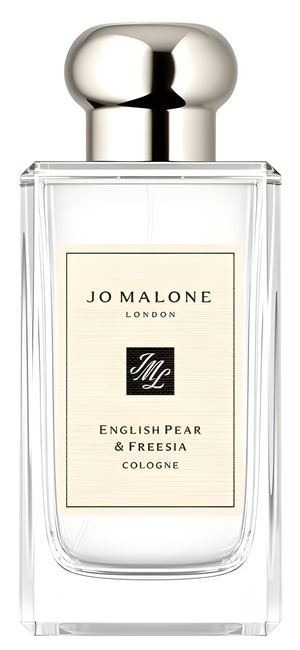 English Pear & Freesia
 Daisy
Daisy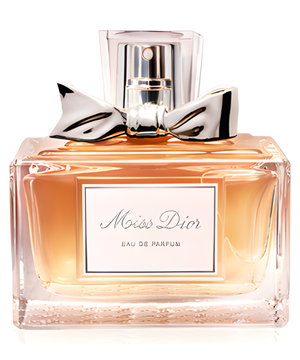 Miss Dior
 Jo Malone London
 Bergamot
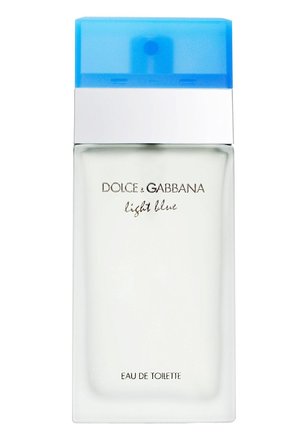 Light Blue
 Giorgio Armani
 Dolce&Gabbana
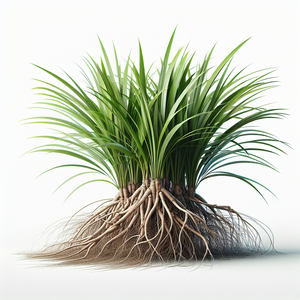 Vetiver
 Yves Saint Laurent
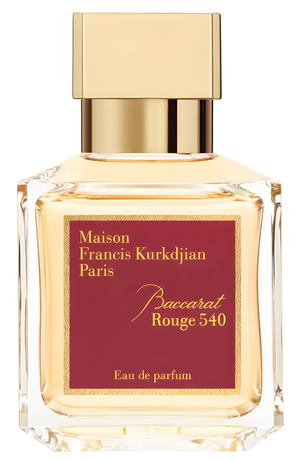 Baccarat Rouge 540
 Tobacco Vanille
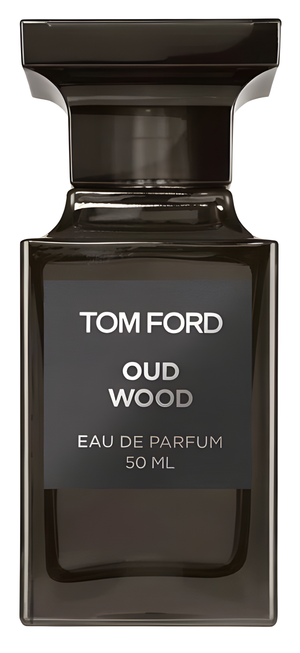 Oud Wood
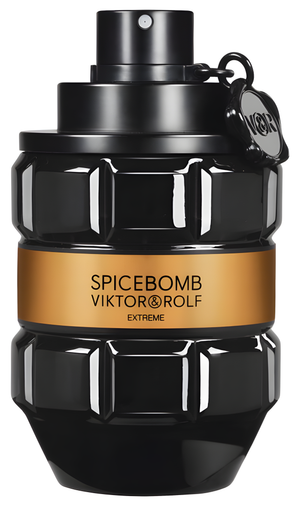 Spicebomb Extreme
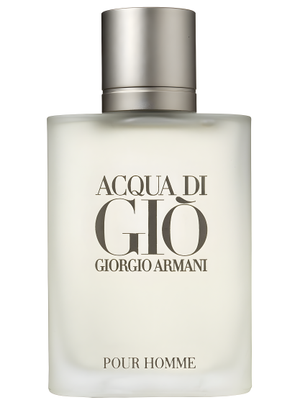 Acqua Di Gio
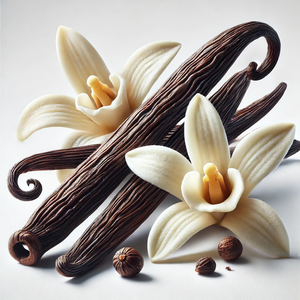 Vanilla
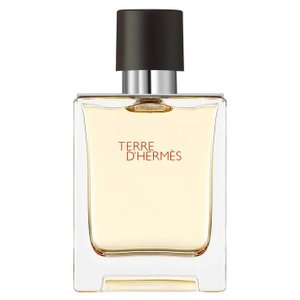 Terre d'Hermès
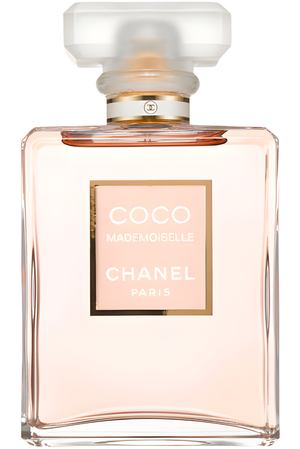 Coco Mademoiselle
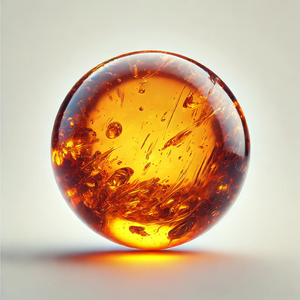 Amber
Amber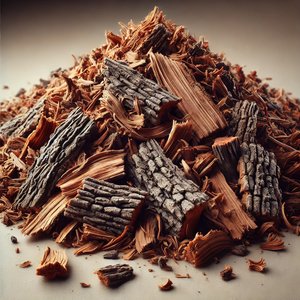 Agarwood (Oud)
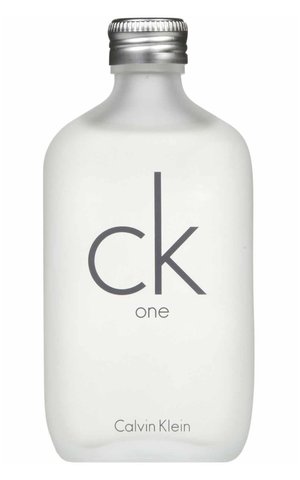 CK One
 Hermès
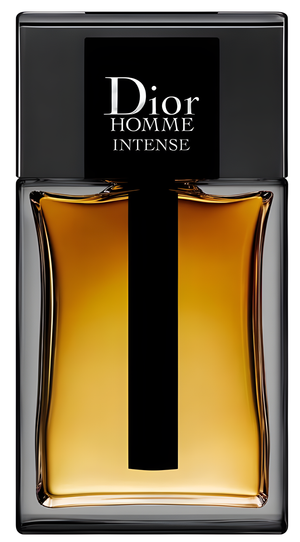 Dior Homme Intense 2011
 Lattafa Perfumes
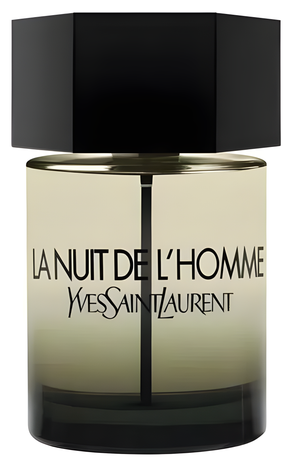 La Nuit de l'Homme
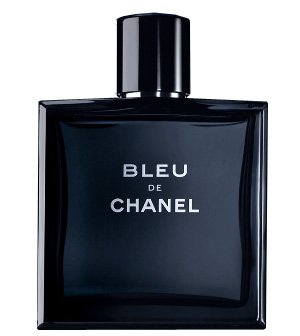 Bleu de Chanel
 Creed
Creed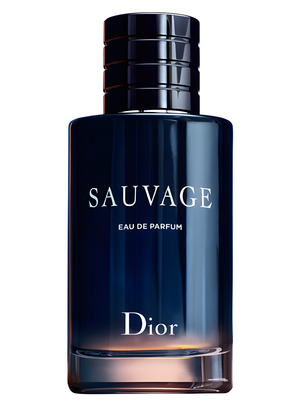 Sauvage Eau de Parfum
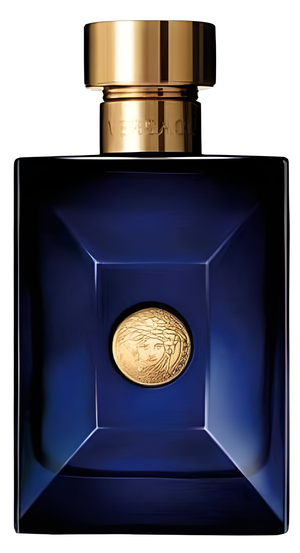 Versace Pour Homme Dylan Blue
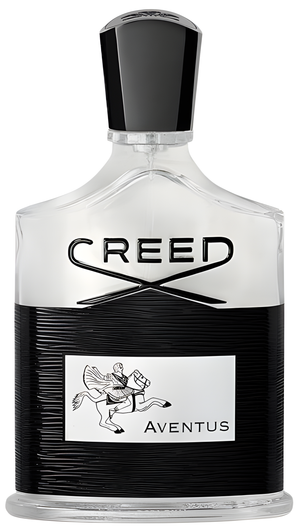 Aventus
 Maison Francis Kurkdjian
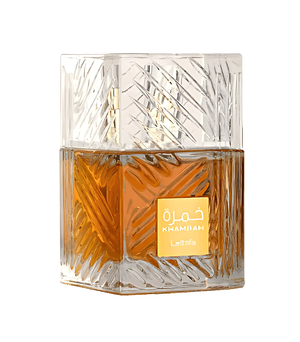 Khamrah
 Tom Ford
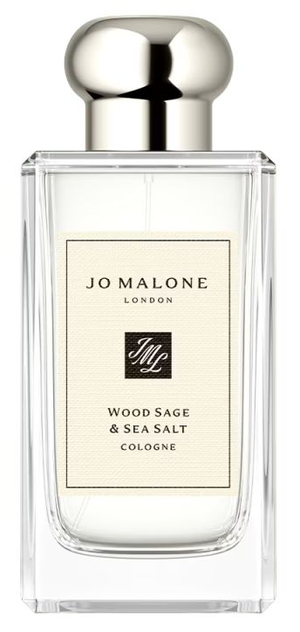 Wood Sage & Sea Salt