Articles
Fragletterを受け取る
新しい香りの記事とおすすめをメールでお届けします。いつでも配信を停止できます。
新しい香りの記事とおすすめをメールでお届けします。いつでも配信を停止できます。
新しい香りの記事とおすすめをメールでお届けします。いつでも配信を停止できます。
新しい香りの記事とおすすめをメールでお届けします。いつでも配信を停止できます。
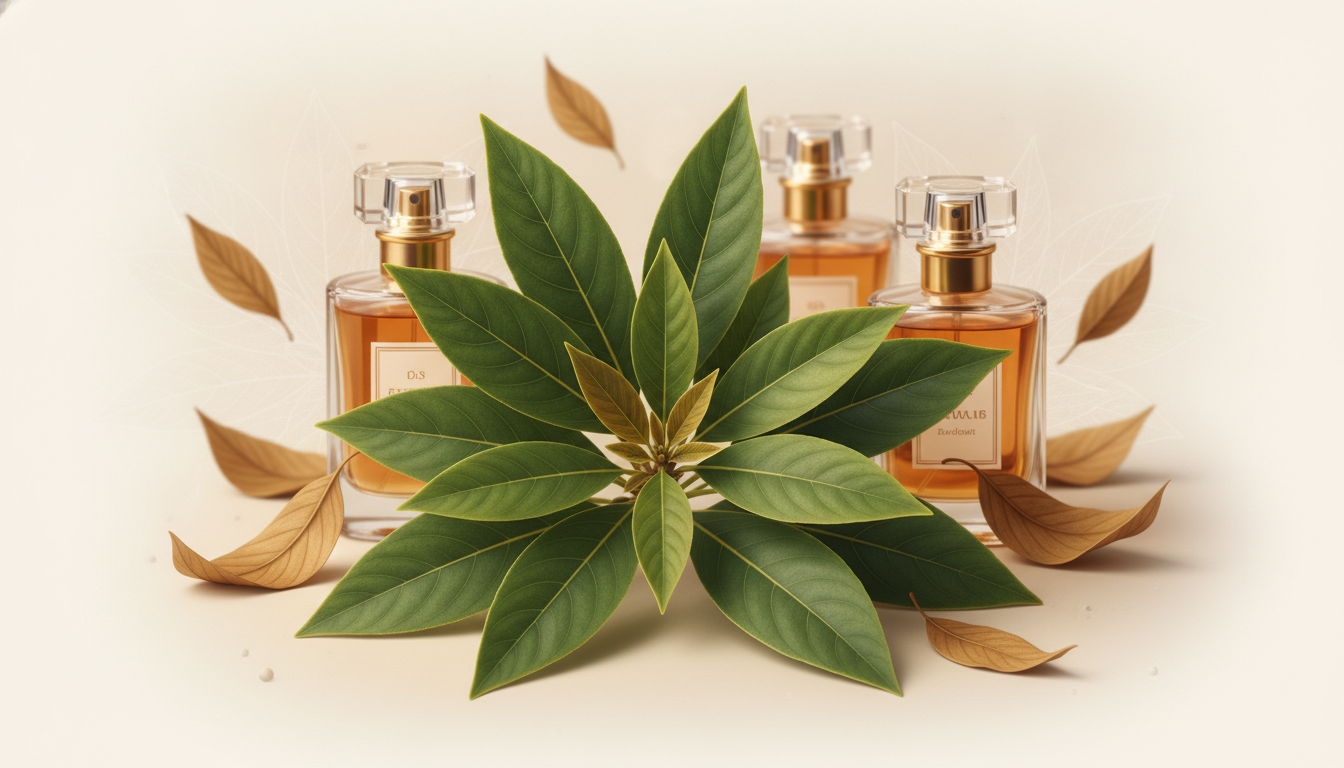
Patchouli has the worst reputation in perfumery and the least reason for it. Say out loud at a fragrance counter and you'll get one of two faces: the knowing nod, or the wrinkled nose that's still picturing head shops and tie-dye. The wrinkled nose is decades out of date.
Yes, patchouli was the signature of 1960s counterculture. That's one chapter, and judging the note by it is like deciding is only for baking cookies.
The raw material is slipperier than its reputation suggests. Processed one way, it's damp earth. Blended another, it's chocolate. Handled lightly, it turns green and almost herbal. Perfumers have leaned on it as a base note for generations because it does structural work — it gives a composition depth and keeps it alive long after the top notes have burned off.
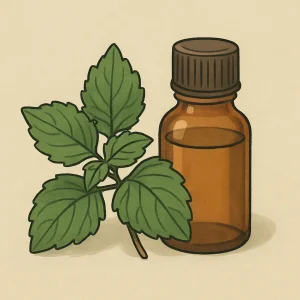
The plant (Pogostemon cablin) is native to Southeast Asia, and the oil is extracted from its dried, fermented leaves. Fermentation is where the character comes from, and it's also why no two patchoulis smell alike — origin, processing and distillation technique all move the needle. Indonesian patchouli skews earthier and more robust. Lighter fractional distillations pull out a cleaner, almost minty green facet instead.
Patchouli isn't a base-note afterthought any more. Perfumers build whole fragrances on it, because it takes on the character of whatever it's standing next to.
Put it with and and you get gourmand plush. Cut it with and and it reads crisp and contemporary. Set it against and and it goes opulent, nearly liturgical. That shape-shifting is why patchouli sits inside some of the best-selling fragrances in the world, usually without the people wearing them recognising it.
Sceptic or convert, these seven cover the range.
by
The benchmark for anchoring a masculine fragrance in patchouli without letting it take over. Jean-Claude Ellena built it on a spine of , and , then lit it up with juicy grapefruit and a flinty minerality that nobody had done quite that way before. The grapefruit gets the applause; the patchouli is what holds the structure upright. It's been worn into near-uniform status by now, which says more about how well it works than about how interesting it is.
by
A cult favourite since the 1970s and still about as unmediated as patchouli gets in a bottle. Earthy and woody, softened by , and a little , and not remotely interested in flattering you. Treat it as the reference sample. If you want to know what perfumers are reinventing when they reinvent patchouli, this is the thing they're arguing with.
by
The fragrance that changed everything, and still the most polarising bottle on this list. When Thierry Mugler launched it in 1992, patchouli against caramel, chocolate and praline-like sweetness was close to scandalous. Three decades on it's one of the best-selling women's fragrances in the world, and the dark gourmand patchouli heart is why — without it, all that sugar would collapse. It has a reputation for taking over a room, and that reputation is earned. You'll know within a minute whether you're on its side.
by
From Chanel's Les Exclusifs, and the diplomat of the group. White chocolate, and smoky benzoin wrap the patchouli until none of the earthy roughness shows — where Angel shouts, this one murmurs. If the note has always struck you as scruffy, start here; it's the smoothest possible introduction. The trade-off is that some of the grit that makes patchouli worth arguing about has been sanded away.
by
Patchouli after dark. Black truffle, and turn it velvety and slightly overripe — midnight in a rose garden, and the roses are past their best in the way that makes them interesting. It's the kind of thing people lean in to identify. It's also heavy-handed, deliberately so, and if you want subtlety you're in the wrong section.
by
The conversion piece. set patchouli against , maté and , and the result is green and herbaceous rather than dense — wet leaves in a botanical garden instead of incense smoke. If every patchouli you've met has felt like furniture, this is the one that changes the argument.
by
Noir de Noir's mirror image. Peony, and push the note somewhere floral and luminous, like light through white linen. The patchouli is still down there doing the warming and the holding, though purists will tell you it's been bleached to the point of being patchouli in name only. They have a point. It's still the prettiest thing here.
Patchouli plays well with others, which makes it one of the few notes worth layering deliberately rather than by accident:
Patchouli isn't the one-dimensional hippie note of popular imagination — it's the load-bearing wall in fragrances ranging from mass-market blockbusters to niche exclusives. The gourmand backbone of Angel, the mineral earth of Terre d'Hermès, the green snap of Tempo: same ingredient, three different arguments.
If you're buying one, buy Coromandel — it's the most beautifully made bottle here and the least likely to be rejected on principle. If you've been avoiding the note on a stereotype, buy Tempo instead, because it dismantles the stereotype fastest. Angel is the great one, but it's a commitment.
Start on the note page to see how far the note actually stretches. Then go straight to if you need convincing, or if you're already sold.
 Patchouli
 Vanilla
 Tonka Bean
 Bergamot
 Incense
 Rose
Rose Clary Sage
 Hermès
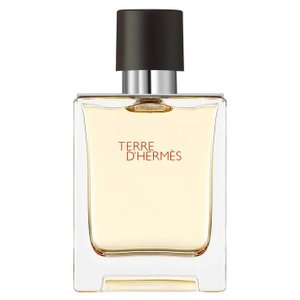 Terre d'Hermès
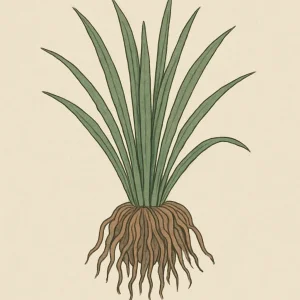 Vetiver
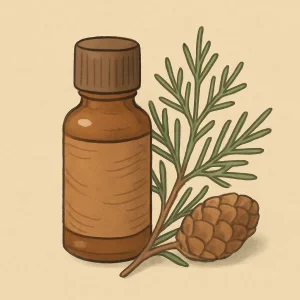 Cedarwood
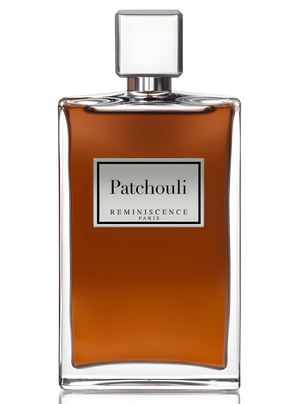 Patchouli
 Reminiscence
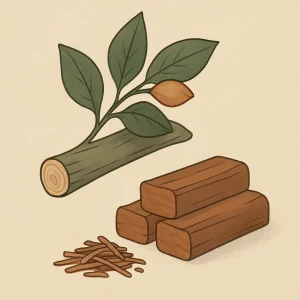 Sandalwood
 Labdanum
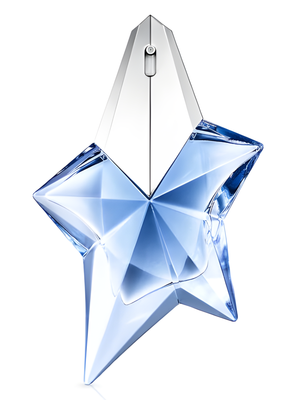 Angel
Angel Mugler
 Chanel
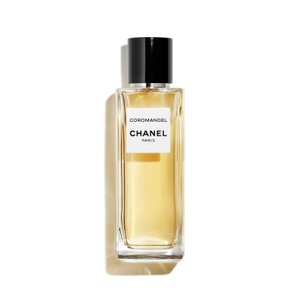 Coromandel Eau de Parfum
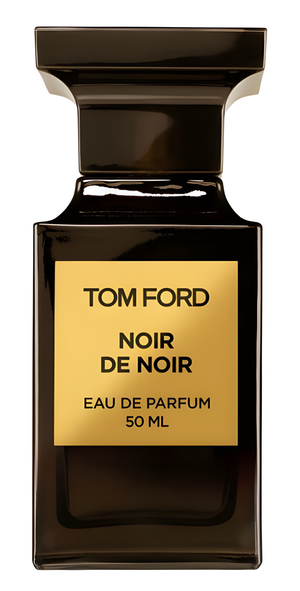 Noir de Noir
 Tom Ford
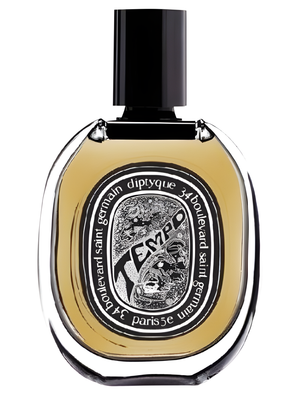 Tempo Eau de Parfum
 Diptyque
 Violet
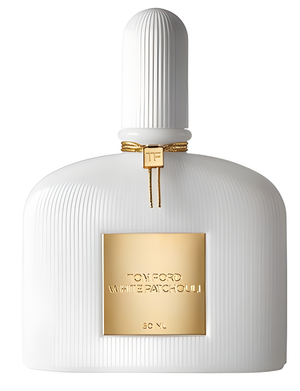 White Patchouli
 Jasmine
 Amber
Amber