Articles
Ricevi la Fragletter
Nuove storie e selezioni di fragranze nella tua casella di posta. Puoi disiscriverti quando vuoi.
Nuove storie e selezioni di fragranze nella tua casella di posta. Puoi disiscriverti quando vuoi.
Nuove storie e selezioni di fragranze nella tua casella di posta. Puoi disiscriverti quando vuoi.
Nuove storie e selezioni di fragranze nella tua casella di posta. Puoi disiscriverti quando vuoi.
Woods are the least attention-seeking family in perfumery and the hardest working. Pull the out of a creamy base, the out of a modern aromatic, or the out of a classic masculine, and what's left tends to evaporate by lunchtime. Here's the vocabulary, the subcategories that matter, and ten bottles that earn their shelf space.
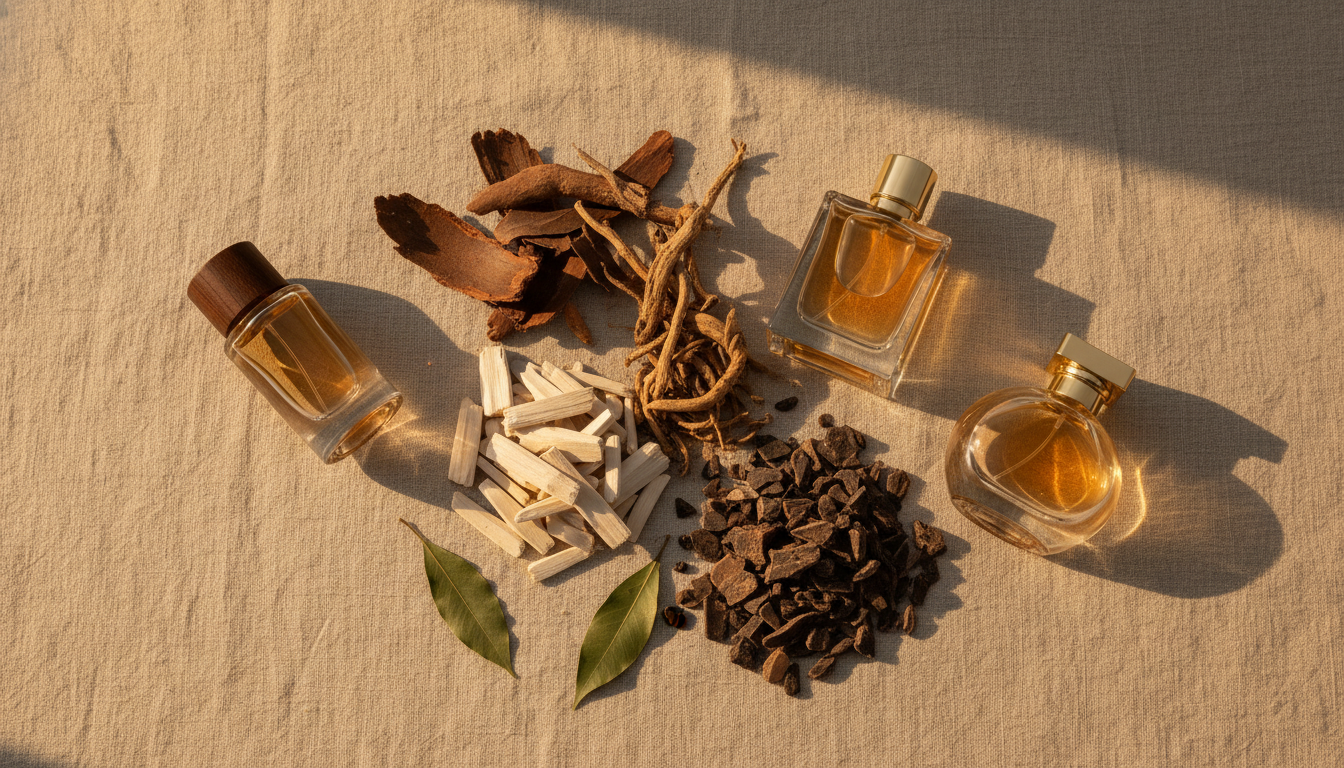
Woody fragrances are built from bark, roots, resins and heartwood. Those materials sit in the base, which is why woody perfumes take their time — they don't announce themselves the way a citrus top or a big white floral does. They warm up over hours instead. Patience is part of the deal.
The family is also the most cooperative in perfumery. Citrus makes it modern, spice makes it warm, and or push it towards something you'd wear after dark.
is the benchmark — milky, faintly sweet, and the rare wood that softens whatever it touches. Historically sourced from Mysore, India, it's now one of the most precious raw materials in perfumery, and that scarcity is priced in. It blends with almost anything, which is why it turns up in every category on the shelf.
smells like a freshly sharpened pencil, and that's not an insult. Where sandalwood softens, cedar draws lines: dry and angular, the note perfumers reach for when a composition needs a spine. Virginia cedar and Atlas cedar are the common varieties — the former drier, the latter more aromatic. If sandalwood reads too rich to you, cedar is where to start.
is the difficult one, and the best one. It's extracted from the roots of a tropical grass and it smells like it — smoky and green, with a bitter edge that stops a blend going soft. It built classic masculine perfumery and has since settled into unisex territory. The bitterness is the point, so don't go in expecting comfort.
File under woody, whatever else it also is. That damp, dark-earth quality is the anchor beneath half the orientals and chypres you already like. The hippie-era association is dead and buried — today's patchouli is refined and chocolate-tinged, and it's one of the most quietly persuasive things a perfumer can put in a base.
divides rooms. It comes from the resinous heartwood of infected Aquilaria trees, it's genuinely rare, and it's expensive to match; depending on origin and processing it can land anywhere from animalic and medicinal to sweet and honeyed. It's a defining ingredient in Middle Eastern perfumery and it has crossed into mainstream Western releases in a major way — which also means the word on a label tells you less than it used to.
Woody is a big tent. Three rooms in it are worth naming.
Cedar shavings, pencil boxes, sun-bleached driftwood. Dry woods stay restrained, which makes them the safest thing to wear in an open-plan office and the least interesting thing to wear on a date. and carry this category, and they're at their best in heat.
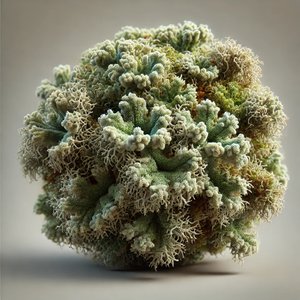
Forest floor after rain, with the wood underneath it. is the defining note — green and bitter — and the classic chypres are built on it. IFRA regulations have limited natural oakmoss, so perfumers rebuild the effect with modern materials. The good reconstructions convince; the lazy ones smell hollow.
Woods plus herbs: , , sage. It's the fougère structure with a woody floor underneath, and it's where most of the market lives. Crowd-pleasing by design — which is both why it sells and why so much of it is interchangeable.
Ten worth your time, cheap to expensive.
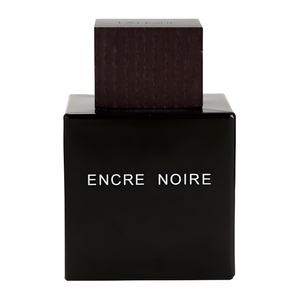
Inky, brooding, and cheaper than it has any right to be. Built on and , it reads like a shadowy forest after rain rather than anything designed to please a focus group. One of the most acclaimed affordable woody fragrances there is — provided you like your vetiver bleak.
The modern classic your father probably owns, which doesn't make it worse. and hold the base while orange and flint supply a mineral transparency nobody has quite copied. Wears all year. Safe to the point of invisibility, if that bothers you.
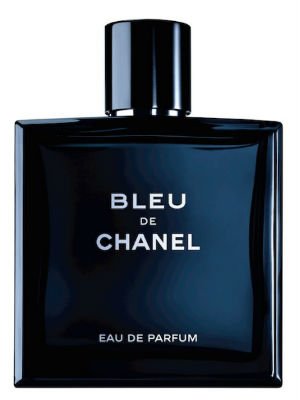
Polished and against citrus and incense, executed about as well as a mass-market woody aromatic can be. It's also one of the best-selling fragrances in the world, and that's the catch — you'll meet it on other people. Excellent and a cliché at once.
launched a thousand imitators and a decent amount of backlash. with leather, cardamom and violet, smoky and strange enough to be addictive — it became the unofficial signature scent of New York City for a reason. Whether you still want that association is a separate question.
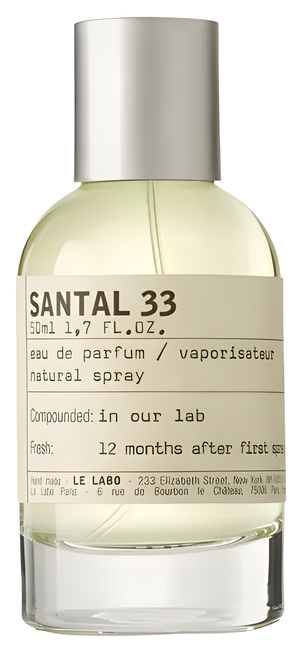
Sandalwood with nothing in the way. and myrtle play support and the note is left to be creamy and meditative on its own terms. It's quiet by design — the one you wear when you'd rather not be asked what you're wearing.
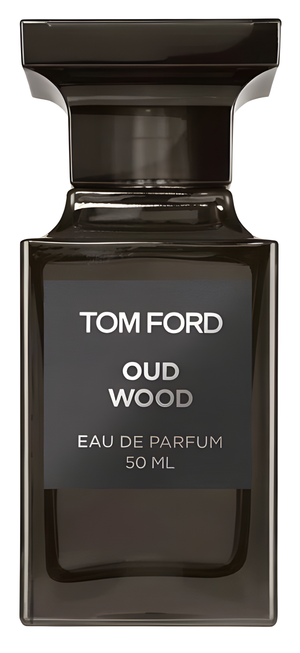
The fragrance that made oud legible to Western noses. sanded the rough edges off with , and tonka bean, and the result is smooth, expensive and a little tame — purists find it too polite. If you've never worn oud, start here regardless.
Not a wood so much as an argument about wood. It stacks synthetic woody notes into something abstract: you can't name the tree, and that's the point. The most interesting bottle on this list and the hardest to love.
shouldn't work. against gasoline, leather and violet is a dare rather than a formula, and it still divides people. Raw, unmistakable, and not what you reach for when you want to blend in.
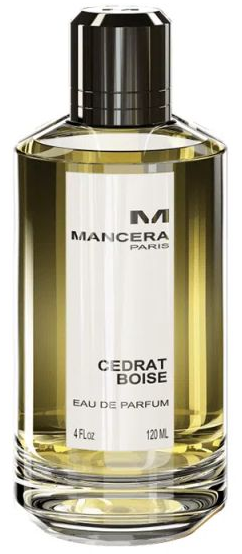
is the loud one. Woody notes under a bright citrus and fruity opening, with serious projection and longevity at a competitive price — this is what people buy when they want to be noticed, and it does that job better than anything else here. Subtle it is not.
has been making this since 1961 and it's still the reference point for how should be handled: green, smoky, elegant without straining for it. Learn one vetiver and learn this one. It'll also make a few pricier niche vetivers sound thin.
Woods bend to context better than most families. A rough guide:
If you're starting from nothing, Terre d'Hermès is the low-risk buy and Encre Noire is the one that gives you the most for the money. If you already own the mainstream picks, Guerlain's Vetiver and Tam Dao are the two that'll teach you something. Wear them on skin rather than paper and give them a full day — woods show their hand late, and judging one after five minutes is how people end up deciding cedar is boring.
Start with the note that separates a good woody fragrance from a forgettable one and read up on . Then browse the full range of woody perfumes on Fragplace and pick the one you'd wear tomorrow.
 Sandalwood
 Cedarwood
 Vetiver
 Amber
Amber Musk
Musk Patchouli
 Cypress
 Oakmoss
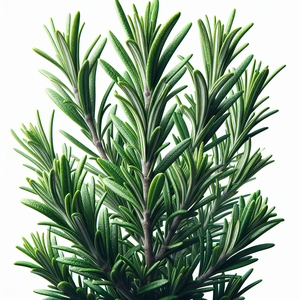 Rosemary
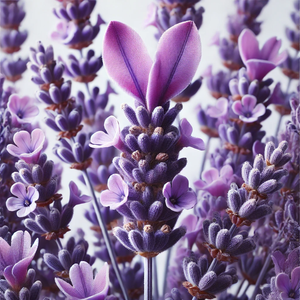 Lavender
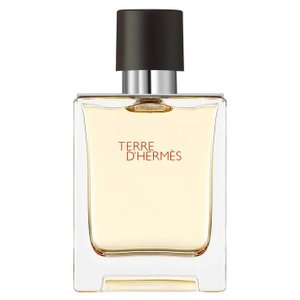 Terre d'Hermès
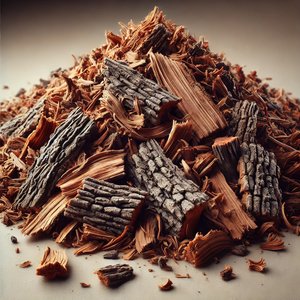 Agarwood (Oud)
 Tom Ford
 Le Labo
 Diptyque
 Bleu de Chanel Eau de Parfum
 Encre Noire
 Lalique
 Guerlain
 Fahrenheit
 Oud Wood
 Comme des Garcons
 Cedrat Boise
 Mancera
 Santal 33
 Chanel
 Hermès
 Dior
Dior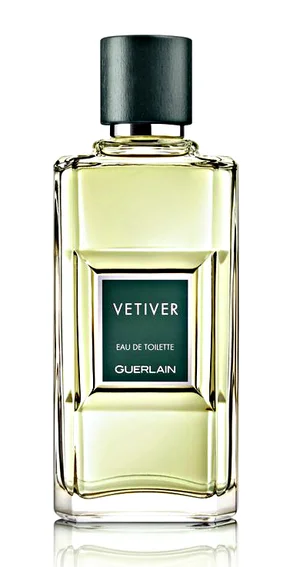 Vetiver Eau de Toilette
 Wonderwood
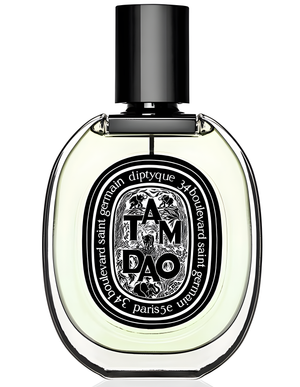 Tam Dao Eau de Parfum