Articles
Ricevi la Fragletter
Nuove storie e selezioni di fragranze nella tua casella di posta. Puoi disiscriverti quando vuoi.
Nuove storie e selezioni di fragranze nella tua casella di posta. Puoi disiscriverti quando vuoi.
Nuove storie e selezioni di fragranze nella tua casella di posta. Puoi disiscriverti quando vuoi.
Nuove storie e selezioni di fragranze nella tua casella di posta. Puoi disiscriverti quando vuoi.
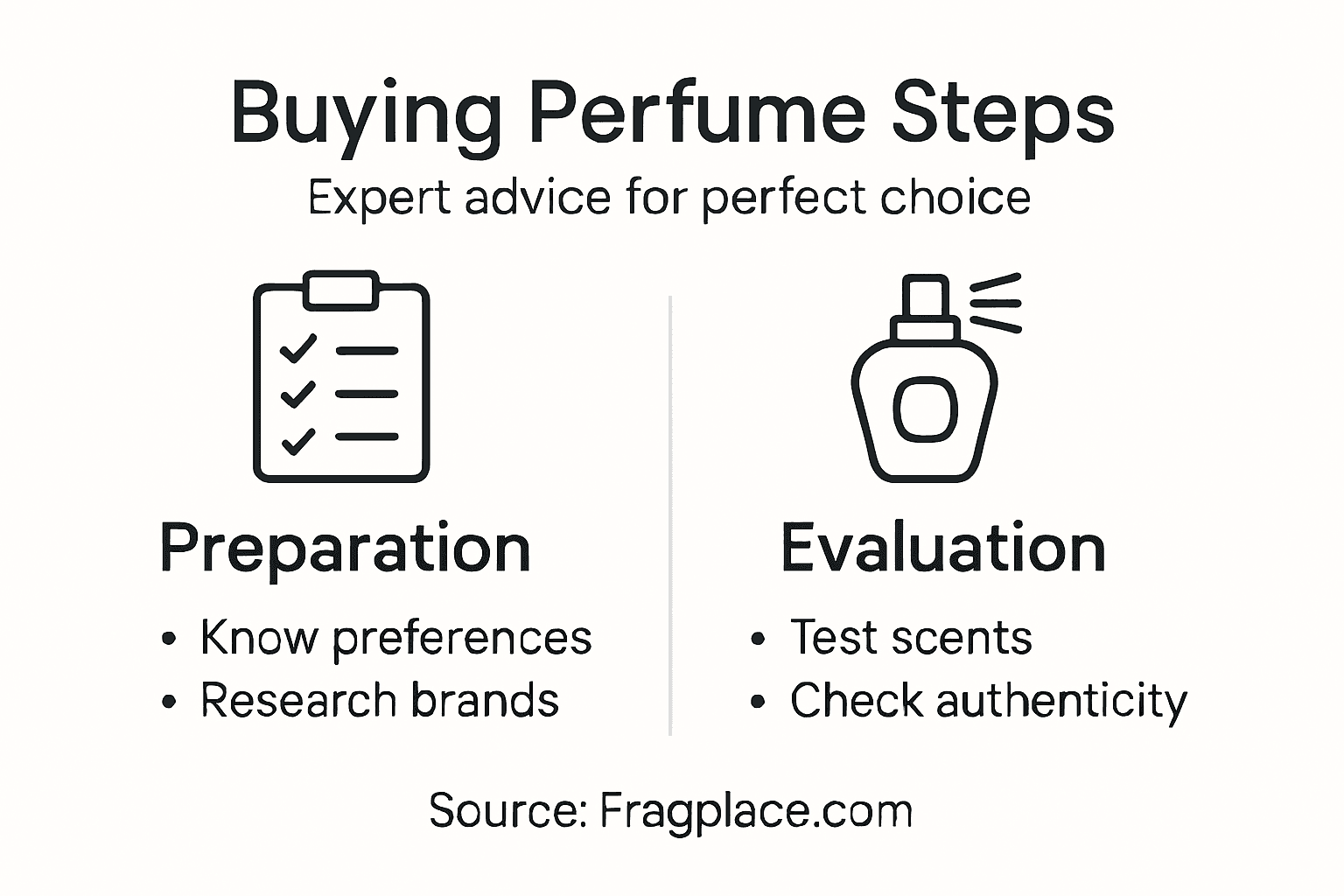
La maggior parte degli acquisti di profumi sbagliati avviene nei primi dieci minuti, sotto l'illuminazione del negozio, con tre fragranze già in competizione su un polso. Comprare bene è più lento e noioso di così: scopri cosa ti piace davvero, impara quali case lo producono, poi testa correttamente prima di tirare fuori la carta di credito. Ecco l'ordine che ti fa risparmiare denaro.
Prima di spendere qualsiasi cosa, scopri cosa ti piace davvero. Questo è il passo meno glamour e quello che tutti saltano, ed è per questo che molte bottiglie finiscono per essere usate a metà sullo scaffale. Copiare ciò che indossano gli altri è come finire per possedere una fragranza che si adatta a qualcun altro.
Inizia con la memoria. Quel profumo dal bagno dei tuoi genitori, il profumo che un amico indossava e che notavi silenziosamente — quelle reazioni ti dicono più di una descrizione di marketing. Le preferenze dei consumatori per i profumi sono influenzate dall'immagine del marchio, dal tipo di fragranza e dal design del packaging, ma la parte che rimane è personale. Pensa anche alle situazioni. Sei stato attratto da qualcosa di fresco quando ti sentivi energico al lavoro, o una fragranza cremosa ti ha colpito in una serata lenta a casa? Segui quel filo invece del ciclo delle tendenze.
Poi passa alle note. Impara le famiglie ampie — floreali, agrumate, legnose, orientali, fresche — e annusa quante più puoi, nei negozi o attraverso servizi di scoperta che ti mettono davanti a una gamma di profili. Fai attenzione a se ti inclini verso fragranze leggere e ariose o verso quelle più pesanti e intense. Nota se preferisci note fruttate, spezie, vaniglia o qualcosa di erbaceo e verde. Le preferenze olfattive variano significativamente tra i mercati globali e sono influenzate da fattori culturali, sociali e psicologici; le tue rimangono tue, e nessun grafico le supera. Se parti da zero, un giro attraverso le essenziali fragranze unisex popolari per l'uso quotidiano è una mappa sensata — quelle fragranze sono popolari perché sono facili da apprezzare, il che è esattamente ciò che vuoi mentre ti calibri.
Ora sii realistico su dove lo indosserai. Ufficio, commissioni quotidiane, eventi occasionali — ognuno tira in una direzione diversa, e così fa la stagione. Qualcuno che ama un agrume brillante a luglio spesso desidera qualcosa di speziato e legnoso a novembre. Decidi anche se vuoi qualcosa di discreto che rimanga vicino a te o una fragranza distintiva che le persone notano quando entri. Entrambi sono validi. Possedere solo la seconda diventa stancante.
Ecco come le categorie di fragranze popolari si confrontano per note tipiche e occasioni ideali:
Suggerimento utile: Tieni un appunto sul tuo telefono con tre fragranze che hai davvero apprezzato, le note che contenevano e come ti hanno fatto sentire. I modelli emergono rapidamente, e un modello batte una bella bottiglia quando sei davanti a un bancone con una carta in mano.
Sai più o meno cosa ti piace. Ora trova le case che continuano a produrlo. L'identità del marchio non è solo marketing — si manifesta nelle composizioni reali, e alcune case sono davvero migliori in una cosa piuttosto che in tutto il resto.
Guarda l'eredità di una casa, la sua filosofia e in cosa si specializza realmente. Alcune costruiscono il loro nome su lavori freschi e agrumati; altre su composizioni orientali ricche. La formulazione dei profumi combina arte e chimica attraverso oli essenziali, composti aromatici e fissativi, ed è per questo che una casa che ha trascorso decenni su uno stile tende a battere i neofiti in questo. Leggi le recensioni di altri appassionati, partecipa a comunità dove le persone discutono di marchi specifici e osserva i nomi che continuano a emergere attorno a fragranze che già ammiri. Navigare tra i marchi di fragranze popolari è un modo veloce per vedere quali case si raggruppano attorno a quali famiglie prima di impegnarti a visitare un bancone.
La geografia è interessante qui. Diversi paesi favoriscono famiglie di fragranze specifiche, con i floreali popolari negli Stati Uniti e in Inghilterra, mentre l'Europa meridionale abbraccia miscele uniche. La reputazione segue quelle abitudini, quindi lo stile nazionale di un marchio è un utile scorciatoia: ami il pulito e l'acquatico, e dovresti leggere di case conosciute per gli agrumi; vuoi calore, e vuoi gli specialisti di ambra e orientale. Fai attenzione a presumere che una casa sia buona in tutta la sua gamma, però. Molti marchi hanno una linea brillante e molto riempitivo attorno ad essa. E leggi la lista delle note prima di leggere la descrizione — bergamotto, gelsomino e sandalo ti dicono qualcosa; "un'aura affascinante" non ti dice nulla.
Suggerimento utile: Tieni traccia di tre o cinque marchi in un semplice foglio di calcolo: famiglie di fragranze distintive, fascia di prezzo, linee chiave. Controlla ogni nuovo profumo che testi rispetto a questo. Dopo alcune voci noterai che continui a gradire la stessa casa, il che vale più di qualsiasi lista di bestseller.
Qui è dove si perde la maggior parte del denaro. Un profumo che ha un odore straordinario per venti minuti e poi svanisce non è un affare a nessun prezzo, e non puoi sapere quale hai da un pezzo di carta.
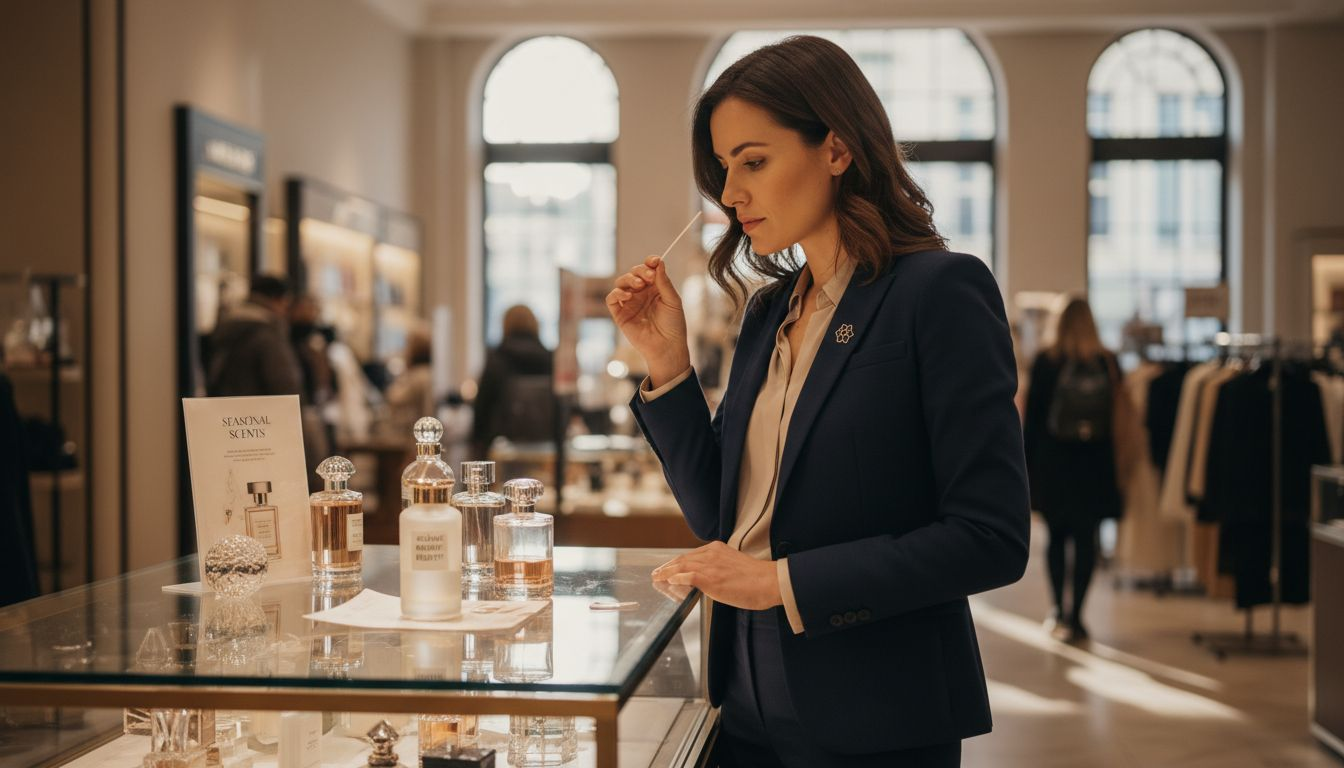
Testa con un po' di disciplina. Una fragranza per polso, non di più, così puoi confrontare due cose correttamente invece di annusare un blur. Non strofinare i polsi insieme — danneggia la composizione e accorcia ciò che stai cercando di misurare. Lascia che si stabilizzi per alcuni minuti prima. La chimica della tua pelle conta, quindi una fragranza che funziona su un amico può avere un odore diverso su di te. Poi rimani con essa. L'apertura agrumata svanisce rapidamente e cede a un cuore floreale? La base è ancora calda e legnosa ore dopo? Sapere come funzionano i livelli di fragranza rende quegli spostamenti prevedibili piuttosto che misteriosi, e ti impedisce di acquistare una bottiglia per un'apertura che annuserai solo una volta al giorno.
Giudica la potenza di durata su ore, non su minuti. Il test della longevità della fragranza coinvolge valutazioni sensoriali, valutazioni di stabilità chimica e fattori tra cui formulazione, chimica della pelle e condizioni ambientali. La maggior parte delle fragranze di qualità dovrebbe durare almeno quattro o sei ore, e le eau de parfum tipicamente durano considerevolmente più a lungo delle eau de toilette. La proiezione è l'altra metà: quanto lontano viaggia il profumo. Alcuni annunciano la tua presenza quando entri in una stanza; altri rimangono a portata di braccio. In un ufficio, quello vicino è l'acquisto più sicuro — una forte scia in una sala riunioni è una decisione con cui i tuoi colleghi devono convivere. Qualunque cosa tu faccia, non decidere dopo cinque minuti. Indossa un campione per un'intera giornata. L'infatuazione al bancone e l'affetto alle 18:00 sono sentimenti diversi, e il secondo è quello che vale la pena pagare.
Confronta queste concentrazioni di fragranza per comprendere la longevità e la forza:
Suggerimento utile: Chiedi campioni o tester prima di acquistare una bottiglia intera. Ventiquattro ore sulla tua pelle ti dicono come si comporta durante una giornata lavorativa e se lo desideri ancora per la sera. Quella abitudine previene la maggior parte degli errori costosi.
Il mercato dei profumi di lusso è un sogno per i falsari, e i falsi sono diventati migliori. Sapere come appare un prezzo equo è la protezione più economica che hai.
Controlla la stessa bottiglia tra grandi magazzini, negozi specializzati e rivenditori online affermati fino a conoscere la sua gamma normale. Un prezzo molto al di sotto di tutto il resto non è fortuna. I falsi inondano i mercati online, e i profumi genuini mantengono prezzi costanti perché ingredienti genuini e controllo di qualità costano denaro. Guarda il venditore con la stessa attenzione del prezzo: distributore autorizzato o meno, recensioni reali dei clienti o meno. I rivenditori affermati proteggono la propria reputazione vendendo il vero. I venditori sconosciuti con un affare che non torna sono esattamente ciò che sembrano.
Poi ispeziona ciò che arriva. Autenticare i profumi richiede l'esame della qualità del packaging, della costruzione della bottiglia e della complessità del profumo. I veri hanno una stampa nitida, una bottiglia solida, un sigillo adeguato e un colore liquido uniforme; i falsi tendono verso testi sfocati, cartone fragile e finiture irregolari. Anche il succo lo tradisce — i falsi hanno un odore piatto e unidimensionale, e svaniscono. Se non si comporta come la cosa che hai testato, fidati di quel giudizio. A livello industriale, la gascromatografia bidimensionale completa può rilevare differenze chimiche tra fragranze genuine e imitazioni. Non eseguirai mai quel test da solo, il che è l'intero argomento per acquistare da una fonte che lo ha già fatto. Impara anche i marcatori specifici del tuo marchio: ologrammi, codici di lotto, bottiglie numerate. Ci vogliono minuti per cercarli e risolvono la questione.
Suggerimento utile: Fotografa l'annuncio — prezzo, venditore, descrizione — prima di pagare, e fotografa la scatola, la bottiglia e il codice di lotto quando arriva. Se qualcosa non va, avrai una richiesta di rimborso invece di una discussione.
Hai testato e sei soddisfatto che sia genuino. Una domanda rimasta, ed è quella che decide se la bottiglia verrà utilizzata: la indosserai davvero?
Sii onesto riguardo alle occasioni. Profumo da ufficio quotidiano, profumo per eventi, o qualcosa per un tranquillo fine settimana — ognuno ha un valore diverso per millilitro. Un profumo serale spettacolare che indossi due volte all'anno è un lusso, e non c'è nulla di sbagliato nel possederne uno, ma se il denaro è limitato, acquista ciò a cui ti rivolgerai un martedì. Indossa il campione in un contesto reale: al lavoro, a cena, in casa. Nota se si adatta all'ambiente. Nota se ti senti te stesso indossandolo, perché quella è la fragranza che finirai. Anche la stagione conta; molte fragranze diventano pesanti a luglio o si assottigliano a gennaio. Se il tuo clima ha stagioni vere, acquista qualcosa che si adatti a esse o pianifica un piccolo set di fragranze che si coprano a vicenda. Leggere attraverso le essenziali del guardaroba di fragranze ti aiuta a vedere dove si colloca una prima bottiglia in una collezione piuttosto che trattarla come l'unica che possiederai mai.
Poi i controlli pratici. La dimensione corrisponde al tuo utilizzo? Una bottiglia da 100 ml dura circa un anno con uso quotidiano; 50 ml è l'acquisto più saggio se non sei ancora sicuro. Leggi la politica di reso — i buoni rivenditori ti danno una finestra. Leggi le recensioni che parlano delle prestazioni nel tempo piuttosto che delle prime impressioni, e verifica se altre persone segnalano la longevità che hai ottenuto nel test. Aspettati anche una certa stanchezza olfattiva: indossa qualsiasi cosa quotidianamente e smetti di notarla. Quella è la tua sensibilità che si adatta, non il profumo che fallisce, e la soluzione è la varietà piuttosto che un rimborso. Per un primo acquisto, qualcosa di adattabile batte qualcosa di estremo. Se hai fatto ricerche, testato, verificato e stai ancora pensando, acquistalo.
Suggerimento utile: Aspetta 48 ore dopo il tuo test finale del campione. Se stai ancora pianificando quando lo indosserai, quella è la tua risposta. Le bottiglie che deludono sono quasi sempre quelle acquistate nei dieci minuti successivi al primo annusarle.
Ecco il verdetto: salta il teatro del bancone e acquista sulla base di prove. Conosci le tue famiglie, scegli case che si specializzano in esse, vivi con un campione per un giorno, controlla il venditore prima di controllare il prezzo e aspetta 48 ore. Fai così e possiederai tre profumi che indossi invece di nove che non indossi.
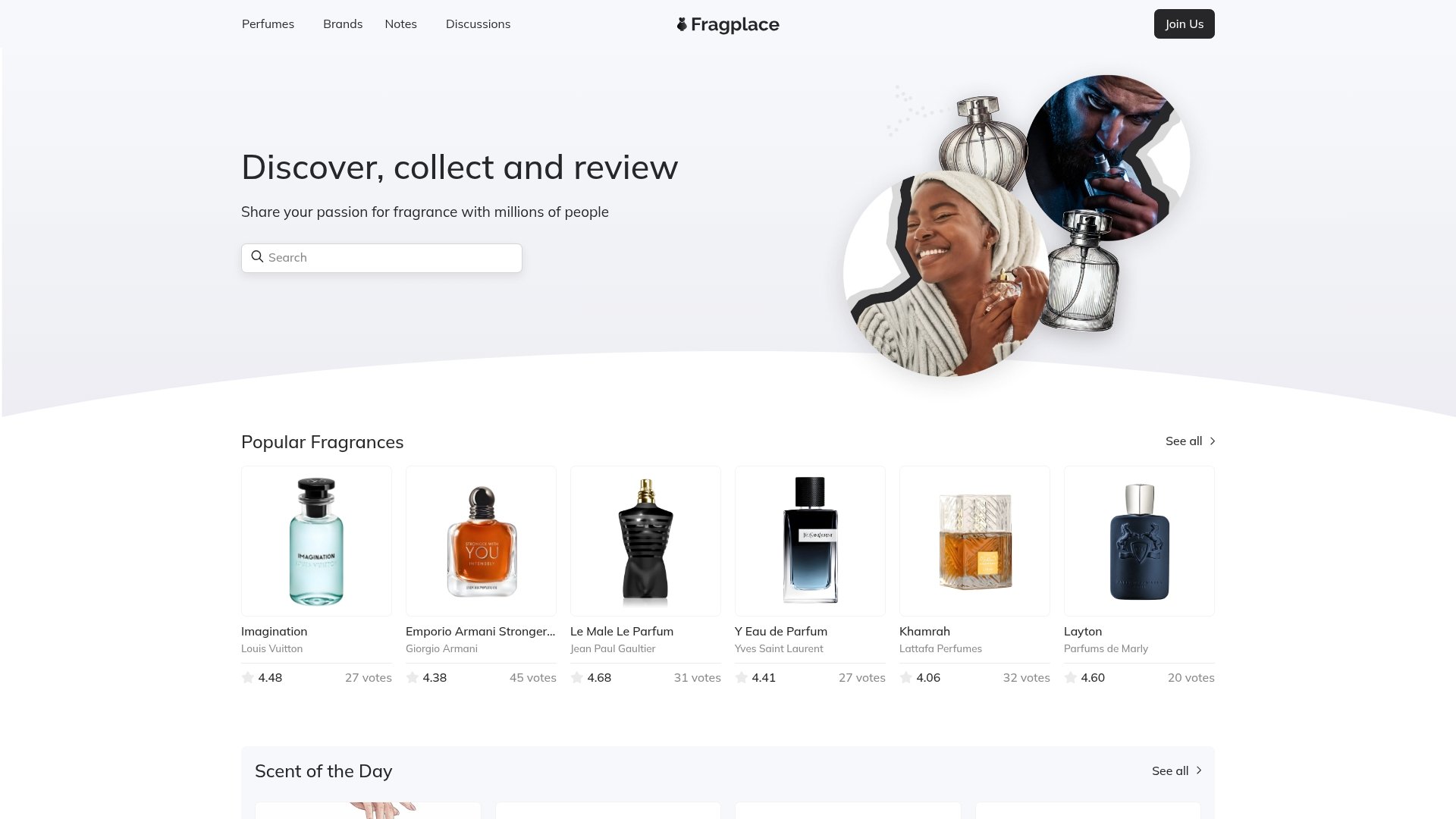
Fragplace.com è costruito per la parte di ricerca di questo. Puoi esplorare informazioni dettagliate sulle fragranze, leggere recensioni oneste e discutere delle note con persone che hanno annusato molto più di te — ed è così che impari lo stile di una casa senza acquistare l'intera gamma. Se vuoi analizzare fragranze popolari o tenere traccia dei tuoi preferiti personali, è meglio che tenere un appunto sul tuo telefono.
Inizia con Fragplace e annota le tre fragranze che già sai di gradire — quella è la tua base. Poi lavora attraverso i marchi di fragranze popolari che continuano a produrle, e unisciti a una comunità appassionata di profumi mentre restringi il campo.
Inizia con la memoria piuttosto che con il marketing: i profumi che ti hanno lasciato una buona impressione e le situazioni in cui li hai notati. Poi impara le famiglie ampie — floreale, agrumata, legnosa — così puoi nominare ciò a cui sei attratto. Scrivi tre fragranze che hai apprezzato e usa quella lista come riferimento.
Guarda l'eredità di ciascuna casa e in cosa si specializza realmente, poi leggi le recensioni di altri appassionati per vedere se la reputazione è valida. Fai una lista di tre a cinque marchi che corrispondono al tuo gusto e approfondisci le loro famiglie distintive. Non presumere che una grande casa sia grande in tutta la sua gamma.
Applica una piccola quantità su ciascun polso, non strofinare e lascia che si stabilizzi per alcuni minuti prima di giudicarlo. Segui come si sviluppa e punta a qualcosa che duri almeno quattro o sei ore. Indossa un campione per un'intera giornata prima di impegnarti, perché la chimica della tua pelle ha l'ultima parola.
Controlla diversi rivenditori fino a conoscere la gamma di prezzo normale per quella bottiglia. Un prezzo molto al di sotto di tutto il resto di solito significa un falso, non un affare. Acquista da venditori affidabili — il piccolo risparmio altrove non vale un falso.
Chiediti dove si inserisce nella tua settimana, non solo se ti piace. Indossa il campione al lavoro, a eventi sociali e a casa per un paio di giorni e verifica se si adatta all'ambiente. Poi aspetta 48 ore; se stai ancora pensando, acquistalo.
| Principali intuizioni | Spiegazione |
|---|
| 1. Identifica le tue preferenze olfattive | Rifletti sulle fragranze che ti hanno fatto una buona impressione e comprendi le tue connessioni emotive con i profumi. |
| 2. Ricerca marchi e profili olfattivi | Familiarizzati con diversi marchi e le loro specializzazioni olfattive per trovare ciò che si allinea con le tue preferenze. |
| 3. Testa i profumi per la longevità | Applica le fragranze sulla pelle per valutare come si sviluppano nel tempo e la loro durata prima di acquistare. |
| 4. Confronta prezzi e autenticità | Controlla i prezzi da più rivenditori e ispeziona i prodotti per assicurarti di acquistare profumi genuini a prezzi equi. |
| 5. Verifica l'idoneità prima dell'acquisto | Assicurati che la fragranza si adatti al tuo stile di vita, alle occasioni e al tuo budget per evitare il rimorso dell'acquirente dopo aver effettuato l'acquisto. |
| Categoria di fragranza | Note tipiche | Occasioni ideali | Idoneità stagionale |
|---|
| Floreale | Rosa, gelsomino, peonia | Serate romantiche, ufficio | Primavera, autunno |
| Agrumata | Limone, bergamotto, arancia | Luogo di lavoro, uscite diurne | Estate |
| Legnosa | Sandalo, cedro, vetiver | Eventi formali, freddo | Autunno, inverno |
| Orientale | Ambra, spezie, vaniglia | Raduni serali, eventi festivi | Inverno |
| Fresca | Menta, tè verde, note acquatiche | Abbigliamento casual, palestra, viaggi | Primavera, estate |
| Tipo | Concentrazione di olio | Longevità tipica | Forza di proiezione |
|---|
| Eau de Cologne | 2–5% | Fino a 2 ore | Debole |
| Eau de Toilette | 5–15% | 3–4 ore | Moderata |
| Eau de Parfum | 15–20% | 4–8 ore | Forte |
| Parfum/Extrait | 20–30% | 8+ ore | Intensa |