Articles
Fragletter पाएँ
नई फ़्रेगरेंस कहानियाँ और चुनिंदा सुझाव आपके इनबॉक्स में। कभी भी सदस्यता छोड़ सकते हैं।
नई फ़्रेगरेंस कहानियाँ और चुनिंदा सुझाव आपके इनबॉक्स में। कभी भी सदस्यता छोड़ सकते हैं।
नई फ़्रेगरेंस कहानियाँ और चुनिंदा सुझाव आपके इनबॉक्स में। कभी भी सदस्यता छोड़ सकते हैं।
नई फ़्रेगरेंस कहानियाँ और चुनिंदा सुझाव आपके इनबॉक्स में। कभी भी सदस्यता छोड़ सकते हैं।
Most people grab perfume on the way out the door and give it about four seconds of thought. That's the waste, because nearly 80 percent of fragrance wearers say they choose their perfume to match their mood or context — which puts the decision closer to getting dressed than to brushing your teeth. Scent of the Day is just the name for treating it that way on purpose.
| Takeaway | Explanation |
|---|---|
| Scent selection reflects personal identity | Choosing a fragrance expresses individual mood, style, and personal narrative. |
| Fragrance communities enhance sharing and learning | Engaging in fragrance discussions fosters knowledge exchange and connection among enthusiasts. |
| Daily scents influence mood and psychological state | Certain fragrances can lift mood, reduce stress, or evoke emotional memories. |
| Consider context when selecting fragrances | Environmental factors, such as weather and social situations, significantly impact fragrance choice. |
| Fragrance trends evolve with societal shifts | Preferences are shaped by generational influences, cultural contexts, and emerging social attitudes. |
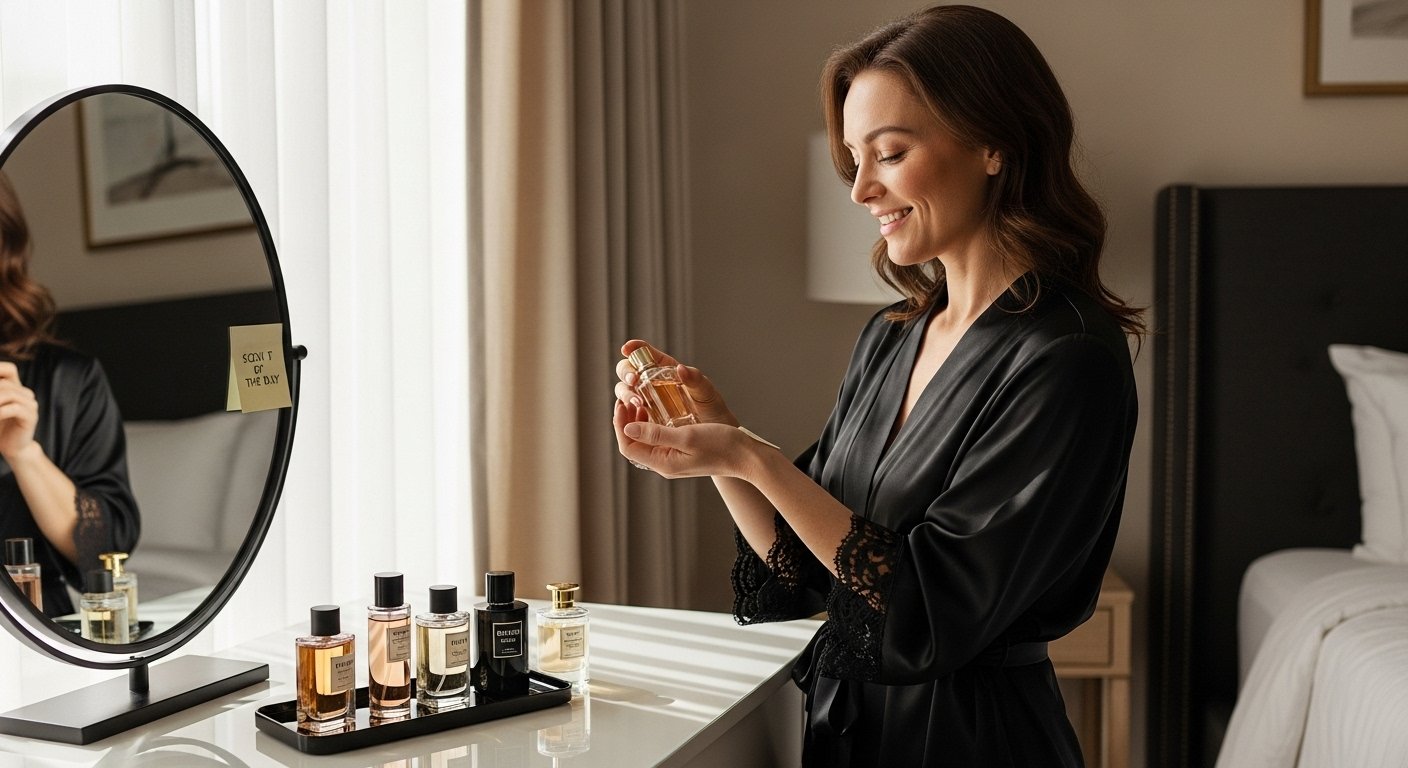
Scent of the Day is a small idea carrying an unfashionable amount of intent: you pick a specific perfume because it fits your mood, your style or the day ahead of you. The Perfume Society frames the practice as the moment fragrance stops being an accessory and becomes a form of personal expression. That's a big claim for a couple of sprays, and it holds up better than you'd expect.
Smelling pleasant is the low bar. What you're actually doing is saying something — about your mood, your work, the version of yourself you're presenting that morning. People curate wardrobes without thinking twice about it; fragrance gets the same treatment from anyone who's paying attention. Perfume becomes a medium rather than a finish.
What separates Scent of the Day from simply owning perfume is that the choice is context specific and deliberate. The things worth weighing:
The following table outlines the key considerations and their implications for daily fragrance selections, as discussed in the article.
| Consideration | Description |
|---|---|
| Weather & Temperature | Impacts fragrance projection and longevity; warmer weather may require lighter scents. |
| Professional Setting | Favour subtle, understated fragrances suitable for work and formal environments. |
| Personal Mood & Emotion | Influences preference for uplifting, calming, or comforting scents. |
| Seasonal Changes | Offers opportunities to explore new scent territory throughout the year. |
| Social/Environmental Context | Social occasions and setting affect suitability and impact of chosen fragrance. |
| Body Chemistry | Determines how a perfume develops and persists on each individual. |
| Emotional Resonance | Personal associations and comfort influence emotional connection with a scent. |
If that sounds like overthinking, explore our community's passionate fragrance discussions — you'll find people who've turned a daily two-spray decision into genuine storytelling.
Daily fragrance selection isn't a surface-level aesthetic call. Research on scent points to real effects on psychological well-being, cognitive performance and social interaction, routed through the neurological pathways that make smell so stubbornly tied to memory.
Scent is a fast emotional trigger — faster than most things you can do to change your own mood on a bad morning. Each fragrance carries its own memory associations and neurochemical responses, which is why one bottle can lift your energy and another can settle you down. Used well, your daily pick is an emotional management tool. Used badly, it's an expensive habit that you've stopped noticing.
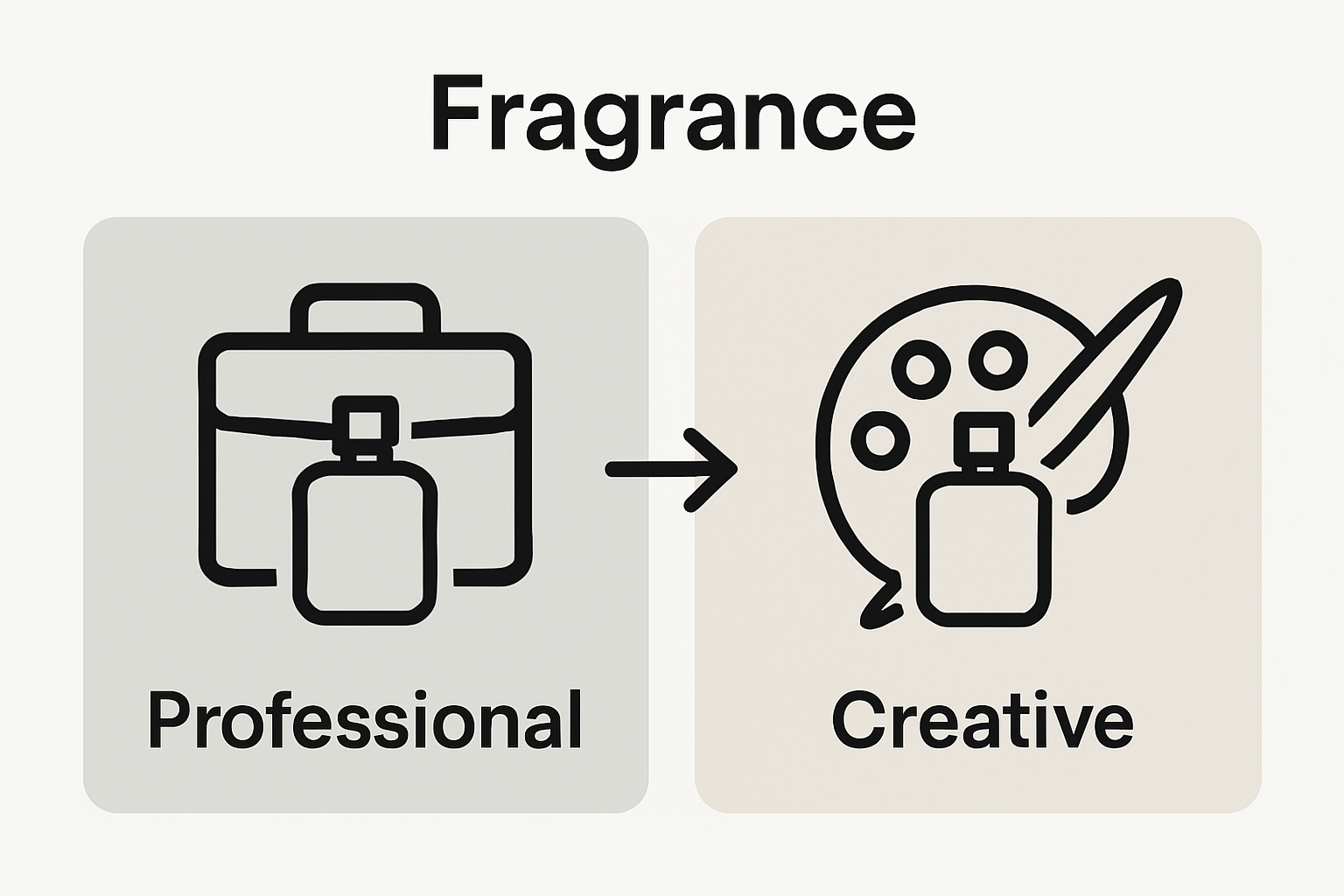
Your daily choice is non-verbal communication, and people read it whether you intend them to or not. Different scents signal different personas: a professional setting tends to reward the subtle and the discreet, while creative rooms have far more tolerance for something strange. If you've ever felt over-perfumed in a meeting, that's the mismatch talking.
Key considerations in fragrance selection include:
Explore our fragrance discussion forums to see how other enthusiasts handle the same daily decision.
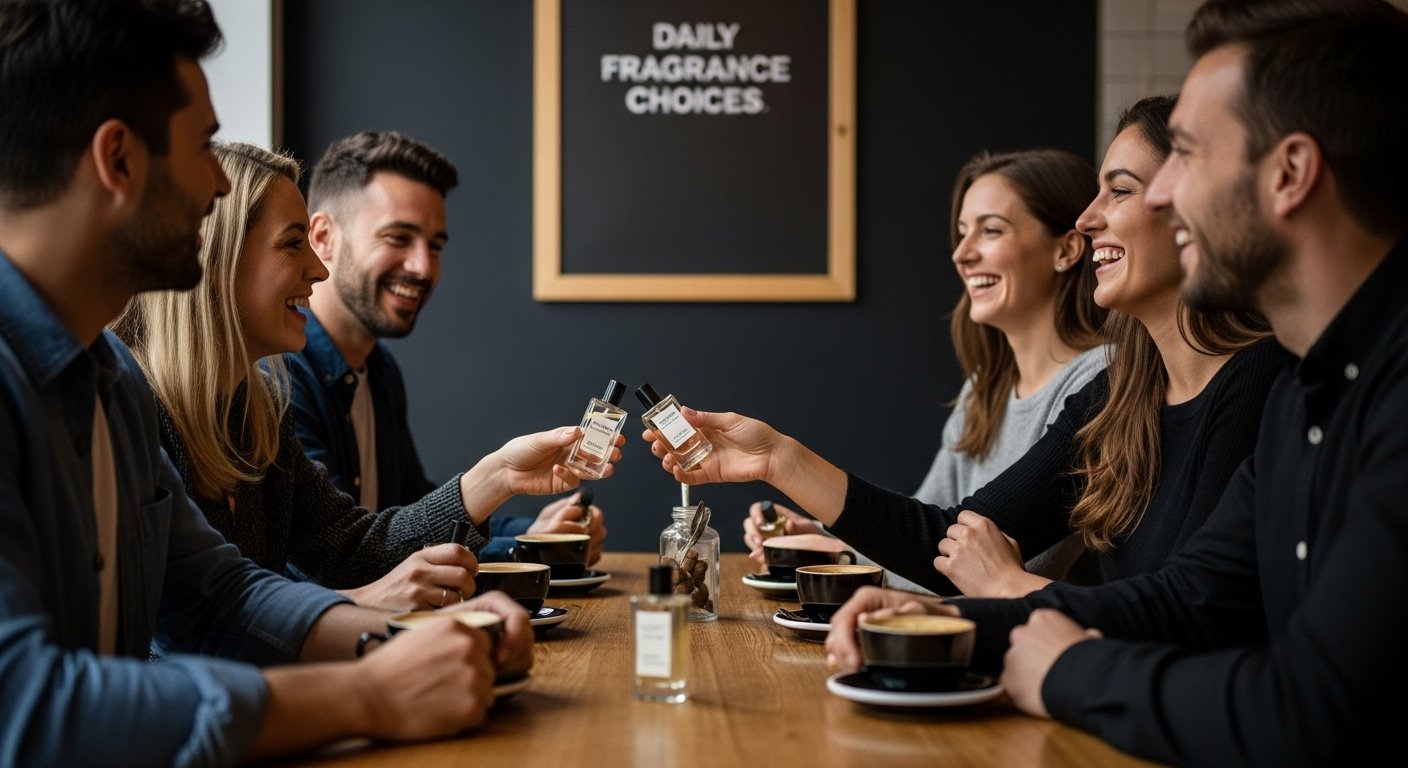
Fragrance communities turn a private habit into a shared one. Research suggests these spaces work as platforms where enthusiasts trade knowledge, recommendations and personal experience about what they're wearing and why.
Online and offline fragrance communities are how most people learn faster than their own budget allows. Members break down perfume characteristics, argue about application technique and disagree openly about what a scent actually smells like. That disagreement is the useful part — you learn more from two people describing the same fragrance differently than from any single verdict.
Posting your Scent of the Day is partly information sharing and partly showing off. There's no point pretending otherwise, and it's harmless. Enthusiasts use these platforms to:
Learn more about our vibrant fragrance community and how personal picks become a shared conversation.
Fragrance trends sit where culture, identity and the global market collide. Industry research shows they keep moving, and they move with attitudes rather than ahead of them.
Taste here is generational and cultural, and pretending otherwise is how people end up buying the wrong bottle. Younger wearers tend to chase the unusual and the personal, often against traditional fragrance categories. Older demographics lean towards classic profiles that have already proved themselves. Neither position is more serious than the other — but if you're buying a gift, know which camp you're shopping for.
This table summarises how generational and cultural factors shape fragrance preferences and approaches to selection, based on information in the article.
| Demographic Group | Fragrance Preferences | Approach to Selection |
|---|---|---|
| Younger generations | Unique, personalised, unconventional | Seek scents that challenge tradition and express identity |
| Older demographics | Classic, established olfactory profiles | Prefer timeless compositions with nostalgic value |
| Culturally diverse groups | Influenced by heritage and local customs | Select fragrances reflecting cultural identity |
| Contemporary enthusiasts | Focus on sustainability, complexity, story | Choose scents with unique narratives and eco credentials |
Buyers are pickier than they were, and the criteria have widened well past whether something smells good:
One caution: a good story sells a mediocre juice remarkably well. Buy the smell, then enjoy the story. Explore our comprehensive fragrance collections and judge for yourself.
Fragrance selection works as personal storytelling. Psychological research treats scent choices as communicative tools that carry real information about identity — which is a formal way of saying people notice what you wear, and so do you.
Your daily pick often articulates something you haven't put into words yet. Reaching for the comfort bottle on a hard morning is a decision about how you want to feel, made before you've consciously admitted the morning is hard. Do it often enough and your collection becomes a record of who you've been.
Choosing a scent is a quiet negotiation between the self you are and the self the day requires. The dimensions in play:
Explore our comprehensive Scent of the Day guide to see how the habit works in practice.
Here's the honest verdict: you don't need a large collection to do this well. Four or five bottles you actually understand will serve you better than twenty you rotate at random, because the whole point is matching a scent to a mood and a room — and you can't match what you don't know. Start by noticing which bottle you reach for when you're tired, and which one you reach for when you want to be seen. That's your rotation, already forming.
So do two things. Set the habit up with our Scent of the Day guide, then post what you're wearing in our fragrance discussion forums and see what everyone else picked today.
It's choosing a specific fragrance to suit your mood, style or the day in front of you, so perfume becomes an expression of identity rather than a finishing touch.
Scent triggers emotional responses quickly, influencing mood, energy levels and stress. That makes your daily choice a genuine tool for managing how the day feels.
Communities pool knowledge, experience and recommendations, so you learn from other people's collections instead of only your own. They're also where the storytelling and the validation happen — and that's half the appeal.
Professional and social context, weather, your mood, your body chemistry and the season. Body chemistry is the one most people skip, and it's the reason a fragrance you loved on someone else can fall flat on you.