Articles
Fragletter पाएँ
नई फ़्रेगरेंस कहानियाँ और चुनिंदा सुझाव आपके इनबॉक्स में। कभी भी सदस्यता छोड़ सकते हैं।
नई फ़्रेगरेंस कहानियाँ और चुनिंदा सुझाव आपके इनबॉक्स में। कभी भी सदस्यता छोड़ सकते हैं।
नई फ़्रेगरेंस कहानियाँ और चुनिंदा सुझाव आपके इनबॉक्स में। कभी भी सदस्यता छोड़ सकते हैं।
नई फ़्रेगरेंस कहानियाँ और चुनिंदा सुझाव आपके इनबॉक्स में। कभी भी सदस्यता छोड़ सकते हैं।
Compliments aren't a measure of quality. They're a measure of legibility - over 80 percent of people remember someone by their signature scent before anything else, and the scents doing that work are the ones that read clearly from a metre away. Here's what the crowd-pleasers actually share, and where the usual advice about them falls apart.
Most people ask which perfume is best. The question that actually predicts compliments is which perfume is easy for someone else to like, fast, without needing an explanation.
Research from Marie Claire identifies five critical characteristics shared by the most complimented perfumes, and universal appeal sits at the centre of all of them. A fragrance that earns praise tends to feel recognisable and slightly unfamiliar at once: known enough that a stranger has a word for it, odd enough that they ask.
The elements that keep showing up:
Notice what's absent from that list: strength. Aggressive scents get remarked on, which is not the same thing as being admired.
And here's the trade nobody mentions. A perfume tuned for approval has had its edges sanded off. If you want the bottle that gets you asked about at work, you're choosing agreeableness over character - a fine choice, as long as you make it on purpose.
A classic isn't a perfume everyone loves. It's a perfume enough people recognise that liking it becomes a position.
Tatler Asia points to a handful of fragrances that reached iconic status by holding complexity and broad appeal together, which is harder than it sounds - most scents lose one while chasing the other.
Why Classic Perfumes Remain Compelling
Chanel No.5 is the obvious case. Its floral aldehyde composition has held attention for decades, and that aldehydic sparkle is exactly what dates it for some people: soapy and powdery in a way that announces perfume rather than mood. If that reads as your grandmother's bathroom, no amount of heritage will fix it for you. If it reads as glamour, nothing else gets close.
Pick a classic because the composition works on you, not because the name does the arguing.
Oud has been used as a marketing word for so long that plenty of "oud" launches barely justify the label.
Who What Wear tracks the direction of travel: modern perfumes are breaking traditional boundaries with blends that push against conventional scent profiles, and the ones that succeed stay wearable while doing it.
Characteristics of Contemporary Praise-Worthy Perfumes
Guerlain's Oud Nude is the useful example. Traditional oud is a difficult, medicinal thing; this one wraps it in sweet undertones of almond, raspberry and vanilla, which turns a challenging note into something dessert-adjacent. Purists will call that oud with the volume down. They're right - and that's precisely why it gets complimented while the hardcore stuff gets endured.
If oud has always smelled like a dentist's waiting room to you, start here.
The scent that carries you from a 9am meeting to a late dinner is rarely the most interesting bottle you own. That's the trade you're making.
Who What Wear describes the most versatile perfumes as feeling like a second skin: subtle, and noticed mainly by people within arm's reach.
What Makes a Fragrance Universally Appealing
Phlur Missing Person is the shorthand for this whole category: a comforting musky scent with sandalwood and neroli that reads as clean skin under better lighting. It has become a signature-scent cliche, which is what happens to anything this easy to wear.
Be clear about what you're buying, though. A skin scent collects compliments from people already standing close to you. If you want to be noticed across a room, this isn't the category - choose something with reach and accept that it won't suit every office.
Some notes do more social work than others. Rose, sandalwood and a hit of fruit will out-earn almost anything clever.
Marie Claire treats signature fragrances as more than a smell - as something that communicates personality before you've said a word.
Understanding Compliment-Worthy Fragrance Notes
Frederic Malle's "Portrait of a Lady" is the benchmark. Turkish rose, patchouli and blackcurrant: the blackcurrant keeps the rose from collapsing into potpourri, and the patchouli supplies the weight that makes it recognisable hours later. It's also the loudest thing on this page by a distance. One spray is a decision. Two is an imposition on everyone else in the lift.
Choose notes you'd be content to smell on yourself all day. You're the one wearing it longest.
Layering is oversold. Most people would collect more compliments by wearing one good thing properly than by stacking three.
If you want the mechanics first, this guide on fragrance layers covers how concentration and structure actually behave.
Strategic Fragrance Layering Principles
When layering does work, it's because the two scents share a spine. Guerlain Oud Nude shows the principle inside a single bottle - sweet almond, raspberry, vanilla and sandalwood held together by the wood underneath rather than piled on top of one another.
Practical order: lighter first, heavier second, and stop at two. Three fragrances is how you end up with something nobody can name and nobody remarks on.
Marketing tells you what a perfume is meant to smell like. Other wearers tell you what it's doing at hour four in a warm room.
Who What Wear frames perfume as a deeply personal expression that carries real emotional weight, which is exactly why crowdsourced opinion beats a press release. Our Fragrance Discussions community trades that second kind of information.
Community Fragrance Selection Insights
The pattern that emerges is unglamorous: the most complimented bottles are rarely the priciest or the most fashionable. Money buys materials. It doesn't buy the thing that makes a stranger turn around.
Read enough threads and you'll see the same handful of names recurring, along with the same warnings attached to them. Both halves are worth your time.
This table summarises the article's exploration of what makes perfumes most complimented, categorising classic, modern, and versatile fragrance qualities.
So, the verdict. Phlur Missing Person is the safest buy on this page - the easiest to like and the hardest to get wrong, provided you accept that its audience is whoever's already close to you. If you'd rather be remembered than approved of, Portrait of a Lady does that, and it asks for restraint with the atomiser in return. Guerlain Oud Nude is the one to test if oud has defeated you before, and Chanel No.5 remains a real choice rather than a museum piece, assuming aldehydes agree with you. Leave the layering experiments alone until one of those is working on its own.
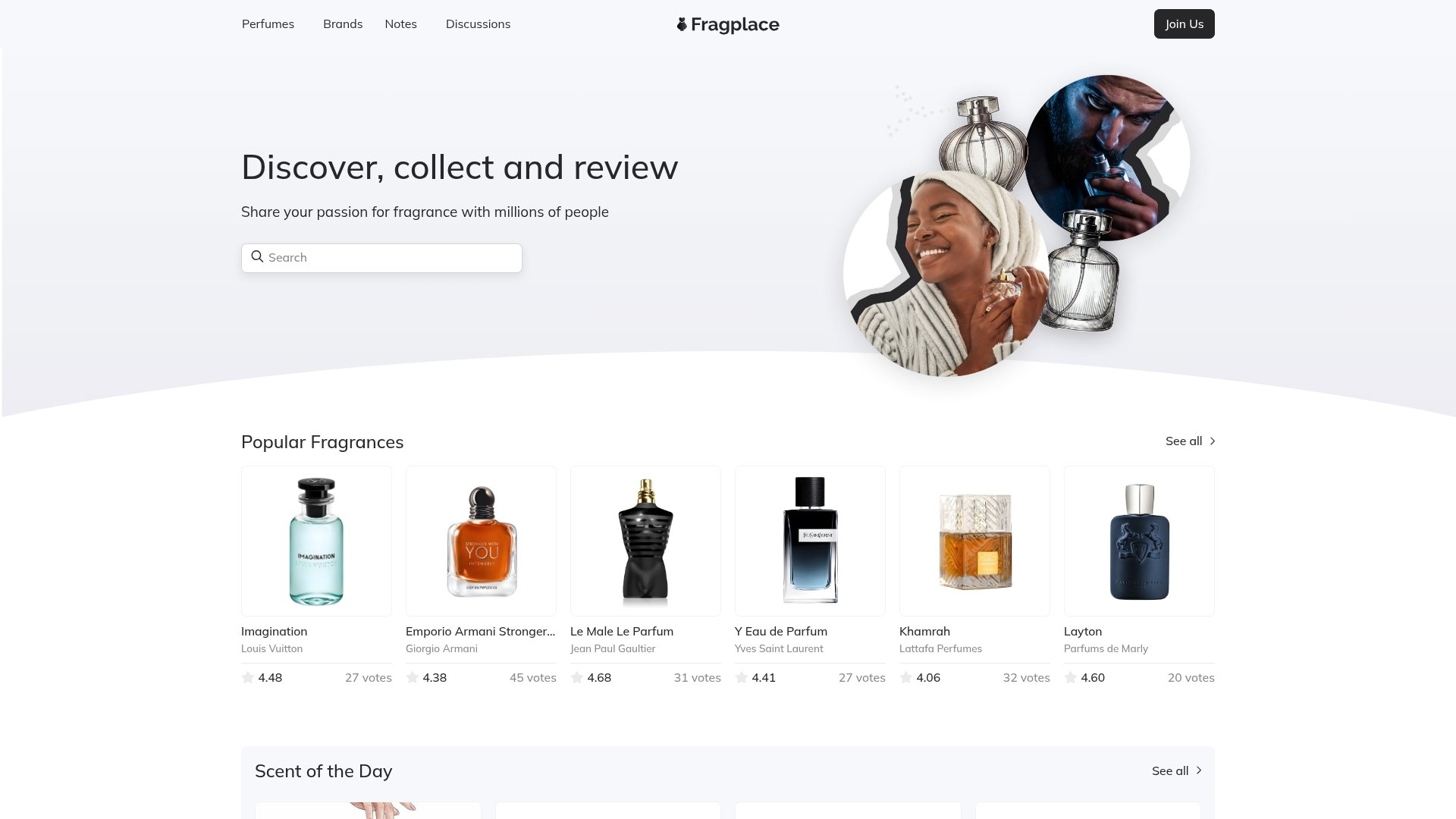
At Fragplace, you can pull up the notes, compare what wearers report, and work out which of these suits you before you spend anything.
Two things worth doing next. Open Fragplace and read the full note breakdowns for whichever of these caught you. Then take that shortlist into Fragrance Discussions and ask the people already wearing it what happens after four hours.
Balance rather than brute force: a composition that holds together, moderate projection, and a profile that suits more than one occasion. The base does the heavy lifting, since a clean, sophisticated base is what's still on you once the opening has burned off - and that's the part people comment on.
Look for balanced notes and enough depth that the composition still reads well decades on, then set the heritage story aside and judge whether it suits you. A classic that doesn't work on you is an expensive history lesson.
Innovative note combinations and balanced complexity - traditional bones with a contemporary twist. Be suspicious of anything sold purely on novelty. Unexpected is only worth having when the result still smells coherent.
Prioritise understated elegance and soft projection, and pick something that shifts as it warms on skin instead of arriving at full volume. If it's too much in a small meeting room, it isn't versatile. It's just strong.
Complex rose, warm woody undertones, subtle fruity accents and spicy incense do most of the work. Combine them with restraint - rose plus wood plus fruit is a proven shape, and a fifth idea usually muddies it.
Match base note families, balance the intensity levels, and apply the lighter scent first. Two fragrances is the ceiling. Past that you're not layering, you're guessing.
| Takeaway | Explanation |
|---|
| 1. Universal appeal is key for fragrances. | Scents that feel familiar yet innovative garner more compliments and remain memorable. |
| 2. Classic perfumes blend tradition and innovation. | Timeless fragrances offer emotional resonance and sophisticated compositions for lasting impressions. |
| 3. Modern perfumes challenge conventions. | Innovative blends with unexpected notes capture contemporary tastes while remaining versatile for various settings. |
| 4. Layering techniques enhance fragrance experience. | Combining complementary scents thoughtfully can create a unique signature that evolves over time. |
| 5. Engage with community for fragrance recommendations. | Collective insights reveal more about which scents resonate deeply with people beyond marketing trends. |
| Category | Characteristics | Details |
|---|
| Most Complimented Perfumes | Universal appeal | Balanced molecular composition, moderate projection, versatile scent profile. |
| Classic Scents | Timeless elegance | Sophisticated molecular composition, balanced notes, emotional resonance. |
| Modern Favourites | Innovative blends | Unexpected note combinations, balanced complexity, subtle projection. |
| Versatile Day-to-Night | Adaptable elegance | Understated elegance, soft projection, transformative qualities. |
| Signature Notes | Unique storytelling | Complex rose, warm woody undertones, subtle fruity accents. |
| Layering Techniques | Enhanced sillage | Matching base notes, contrasting elements, balancing intensity. |
| Community Picks | Emotional resonance | Versatility, unique note combinations, personal connection. |