Perfume vs Eau de Parfum: The Essential Guide
14 Nov 2025
Over 80 percent of fragrance buyers struggle to tell the difference between perfume and eau de parfum. This confusion can lead to wasted money or disappointment when a scent does not last as long as expected. The real distinction comes down to concentration, longevity, and personal fit. By learning how these two types compare, you can make smarter choices that match your style and ensure every spritz lives up to your hopes.
Table of Contents
- Defining Perfume Versus Eau de Parfum
- Comparing Oil Concentration Levels
- Longevity, Sillage, and Wear
- Fragrance Experience Differences
- Choosing Based on Use and Preference
Key Takeaways
Defining Perfume Versus Eau de Parfum
When diving into the world of fragrances, understanding the nuanced differences between perfume and eau de parfum becomes essential for any scent enthusiast. According to ifrafragrance, these terms are general descriptors commonly found on fragrance product labels, without strictly defined international standards. This means the terminology can vary significantly between prestige and mass-market segments.
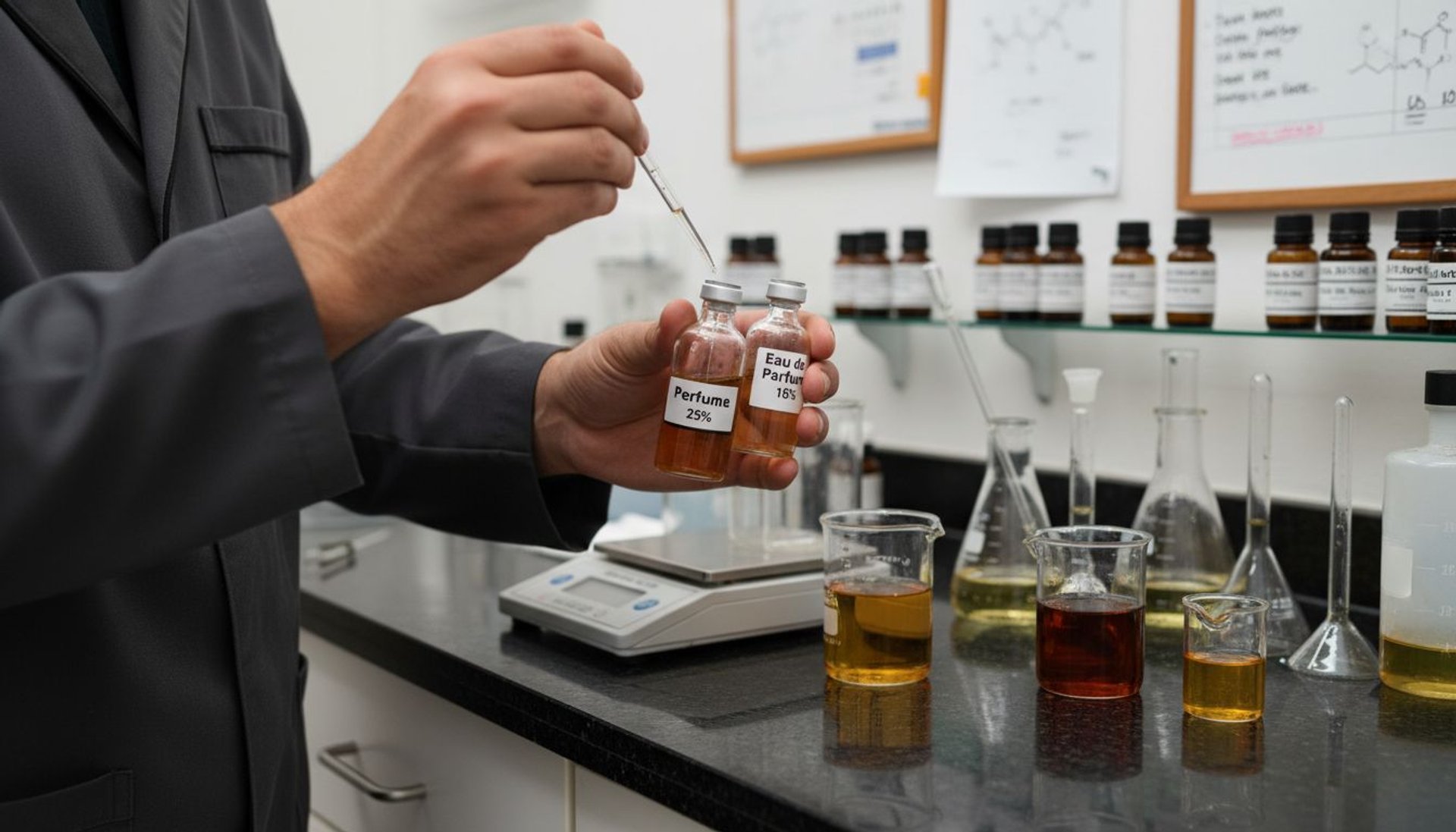
At its core, the primary distinction lies in the concentration of aromatic compounds. As detailed by pro.dermnetnz, perfumes are classified into five main groups based on their fragrance concentration. Specifically, parfum or extrait represents the most concentrated form, containing 20–30% aromatic compounds, while eau de parfum sits slightly lower at 15–20% concentration.
The concentration directly impacts several key characteristics of a fragrance:
- Longevity: Higher concentration means the scent will typically last longer on your skin
- Intensity: More concentrated fragrances tend to have a more powerful initial projection
- Price Point: Generally, higher concentration correlates with a more expensive product
While these technical differences matter, choosing between perfume and eau de parfum ultimately comes down to personal preference. Some individuals prefer the subtle sophistication of an eau de parfum, while others appreciate the rich, long-lasting experience of a pure perfume. Understanding fragrance layers can help you make a more informed selection that matches your individual style and sensory preferences.
Comparing Oil Concentration Levels
Understanding oil concentration levels is crucial when exploring different fragrance types. According to ou.edu, eau de parfum typically contains 8% to 15% of essential oils by total volume, creating a nuanced fragrance experience that balances potency and subtlety.
Research from ijcsrr.org further clarifies that Eau de Parfum (EDP) contains 15-20% fragrance oils, providing a strategic sweet spot for those seeking a balanced intensity and impressive longevity. This concentration range allows for multiple wear scenarios and appeals to diverse fragrance preferences.
The different oil concentration levels dramatically influence a perfume's characteristics:
- Low Concentration (2-5%): Light, fleeting scent
- Medium Concentration (8-15%): Moderate projection and duration
- High Concentration (15-30%): Intense, long-lasting fragrance
Consider your personal needs when selecting a fragrance. A lighter concentration works well for daily wear, while higher concentrations are perfect for special occasions or individuals who prefer a more pronounced scent profile. 7 Essential Eau de Parfum Types can help you navigate the intricate world of fragrance concentrations and find your ideal match.
Longevity, Sillage, and Wear
When exploring fragrances, three critical aspects define a perfume's performance: longevity, sillage, and overall wear. These characteristics determine how a fragrance interacts with your body chemistry and environment, creating a unique sensory experience that goes far beyond simple scent selection.
Longevity refers to how long a fragrance remains detectable on your skin. Different concentration levels directly impact this quality. Eau de Parfum typically offers 4-6 hours of consistent scent projection, while pure parfum can last up to 8-10 hours. Factors like skin type, humidity, and personal body temperature play significant roles in how long a fragrance will persist.
Key factors affecting fragrance performance include:
- Skin Moisture: Hydrated skin helps fragrances last longer
- Application Points: Pulse points like wrists and neck enhance scent distribution
- Layering: Using matching body products can extend fragrance duration
Sillage - the French term describing a fragrance's trail or projection - determines how far and how intensely a scent spreads around you. Some perfumes create a subtle aura, while others announce your presence from across the room. Concentration levels and specific ingredients dramatically influence sillage characteristics.
For fragrance enthusiasts seeking deeper insights, Fragrance Discussions can provide additional perspectives on these nuanced olfactory experiences.
Fragrance Experience Differences
When exploring the nuanced world of perfumery, eau de parfum and pure perfume offer distinctly different sensory journeys that extend far beyond mere scent intensity. These variations create unique olfactory experiences that cater to individual preferences, personal styles, and specific occasions.
The primary differentiator lies in concentration and molecular composition. Eau de parfum typically provides a more balanced, versatile fragrance profile that works seamlessly across various settings. Pure perfume, with its higher concentration, delivers a more intense, complex olfactory narrative that unfolds gradually on the skin. This means an eau de parfum might feel lighter and more adaptable, while pure perfume creates a more dramatic, long-lasting sensory statement.
Key experiential differences include:
- Intensity: Pure perfume offers a more concentrated, rich experience
- Versatility: Eau de parfum adapts more easily to different environments
- Projection: Pure perfume creates a more pronounced aromatic presence
- Subtlety: Eau de parfum provides a more understated, nuanced scent
For fragrance enthusiasts looking to dive deeper into understanding these subtle distinctions, how to write fragrance reviews effectively can provide additional insights into articulating these complex sensory experiences. Ultimately, choosing between eau de parfum and pure perfume becomes a personal journey of self-expression, where your unique body chemistry and lifestyle play crucial roles in selecting the perfect scent companion.
Choosing Based on Use and Preference
Selecting the perfect fragrance is an intimate journey that blends personal style, occasion, and individual chemistry. According to auram.org, perfumes are composed of 78% to 95% specially denatured ethyl alcohol, with the remaining percentage dedicated to fragrance concentration - a critical factor in determining strength and longevity.
Occasion-Based Selection becomes paramount when choosing between eau de parfum and pure perfume. For professional settings or daytime wear, a lighter eau de parfum provides a subtle, appropriate projection. Evening events or formal gatherings might call for the more intense, sophisticated pure perfume that creates a memorable olfactory statement.
Consider these practical selection criteria:
- Work Environment: Choose lighter concentrations for professional spaces
- Social Settings: Select more pronounced fragrances for evening events
- Personal Skin Chemistry: Some skin types absorb and project scents differently
- Budget: Higher concentration typically means higher price point
Ultimately, fragrance selection is a personal art form that reflects individual personality and mood. Your unique body chemistry interacts differently with various concentrations, making experimentation key. All Fragrances can provide additional inspiration for discovering scents that resonate with your personal narrative and style.
Discover Your Perfect Fragrance Journey Today
Choosing between perfume and eau de parfum can feel overwhelming with so many factors like concentration, longevity, and projection to consider. You want a scent that not only matches your personality but also suits every occasion and your unique skin chemistry. Understanding terms like oil concentration and sillage is just the beginning of a more personal fragrance experience.
Explore a world where expert knowledge meets community passion at Fragplace. Here, you can unlock deep insights, read honest reviews, and engage with fragrance lovers just like you. Whether you seek advice on subtle eau de parfum or desire the intense richness of pure perfume, our platform offers a welcoming space to navigate your preferences with confidence. Start your scent discovery now by visiting Fragplace's main site and join the conversation to refine your fragrance choices based on real users’ experiences.
Frequently Asked Questions
What is the main difference between perfume and eau de parfum?
The primary difference lies in their concentration of aromatic compounds. Perfume (or extrait) typically contains 20-30% fragrance oils, while eau de parfum contains 15-20%. This affects the scent's intensity and longevity.
How long does eau de parfum typically last on the skin?
Eau de parfum generally lasts between 4-6 hours, depending on factors like skin type and application method. Higher concentrations like pure perfume can last up to 8-10 hours.
How do I choose between perfume and eau de parfum for daily wear?
For daily wear, eau de parfum is often preferred due to its balanced intensity and versatility. A lighter concentration is suitable for casual settings, while higher concentrations may be reserved for special occasions.
What factors affect the sillage of a fragrance?
Sillage, which refers to the fragrance's trail and projection, is influenced by its concentration, the ingredients used, and environmental factors like temperature and humidity.