Eau De Parfum Meaning: Complete Guide for Enthusiasts
24 Nov 2025
Over 80 percent of fragrance lovers in british communities choose eau de parfum for its remarkable balance of strength and subtlety. Selecting the right fragrance often feels complicated when the market is full of choices that promise all-day presence. Understanding what sets eau de parfum apart empowers you to find a scent that matches both your personal taste and lifestyle needs without the risk of overwhelming your senses.
Table of Contents
- Eau De Parfum: Definition And Core Concepts
- Fragrance Concentration Levels Explained
- Key Characteristics: Sillage And Longevity
- Comparing Eau De Parfum To Alternatives
- Proper Application And Common Mistakes
Key Takeaways
| Point |
|---|
Eau De Parfum: Definition and Core Concepts
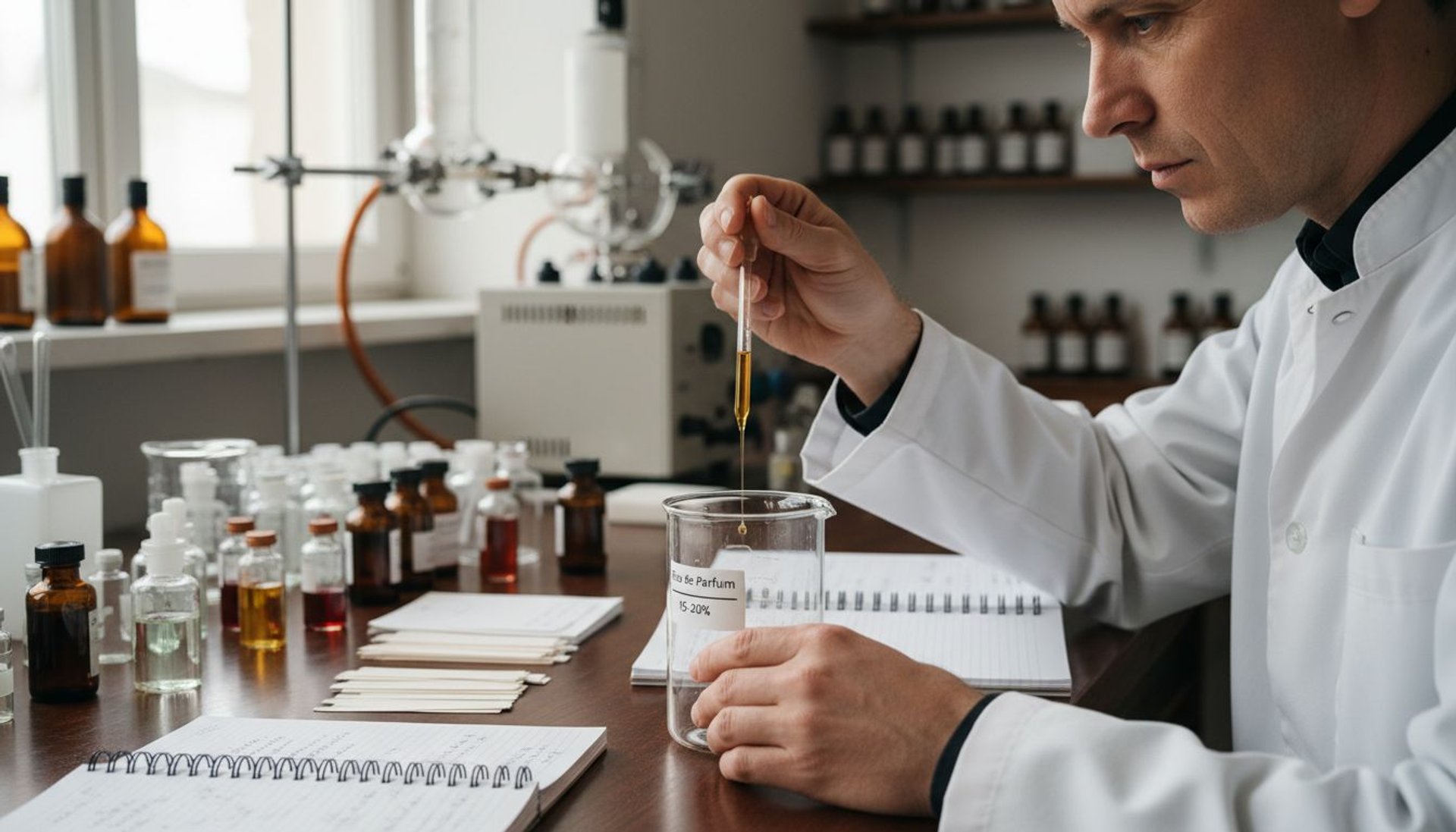
An eau de parfum represents a sophisticated fragrance concentration that sits elegantly between lighter eau de toilette and more intense pure perfume formulations. According to Merriam-Webster, eau de parfum is defined as a perfumed liquid containing a percentage of fragrant oils that is lower than pure perfume but higher than eau de toilette.
Typically, eau de parfum contains approximately 10-20% fragrant essential oils, which Dictionary.com confirms provides a more substantial and long-lasting aromatic experience compared to lighter fragrance variants. This higher oil concentration means eau de parfum offers remarkable depth, complexity, and staying power on the skin, making it a preferred choice for individuals seeking a robust yet not overpowering scent profile.
The term "eau de parfum" originates from French, literally translating to "perfumed water", and represents a carefully crafted balance between intensity and wearability. Unlike pure perfume extracts that can be overwhelmingly strong, eau de parfum provides a more nuanced olfactory experience. Its moderate oil concentration allows the fragrance's intricate notes to unfold gradually, revealing subtle layers of aroma that evolve beautifully throughout the day. For fragrance enthusiasts looking to explore a versatile scent option, 7 Essential Eau de Parfum Types You Need to Know offers an excellent guide to understanding the diverse world of eau de parfum compositions.
Fragrance Concentration Levels Explained
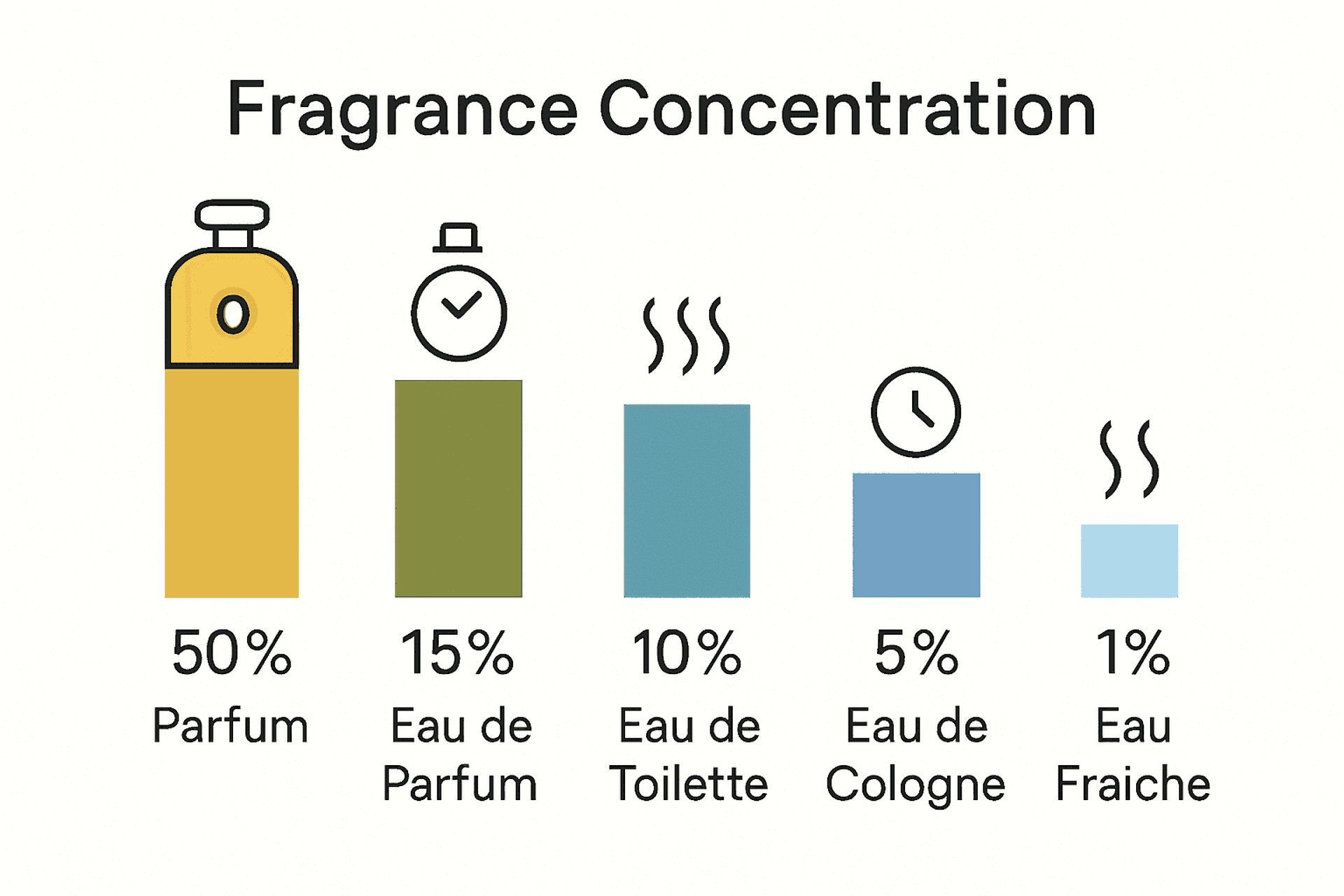
Fragrance concentration represents the intensity and longevity of a scent, determined by the percentage of aromatic compounds within a perfume formulation. Wikipedia highlights that fragrance strengths range from light to intense, with each category offering a unique olfactory experience that caters to different preferences and occasions.
The standard fragrance concentration hierarchy typically includes:
- Parfum/Extrait de Parfum: 20-40% aromatic compounds (most concentrated)
- Eau de Parfum: 15-20% aromatic compounds
- Eau de Toilette: 5-15% aromatic compounds
- Eau de Cologne: 2-5% aromatic compounds
- Eau Fraiche: 1-3% aromatic compounds (least concentrated)
Understanding these concentration levels helps fragrance enthusiasts select the perfect scent for their lifestyle and personal preferences. For instance, an eau de toilette provides a lighter, more subtle fragrance suitable for daytime wear, while an eau de parfum offers a more robust and longer-lasting scent profile.
For those looking to explore these nuanced differences in more depth, What is an Eau de Parfum? Understanding Fragrance Layers offers comprehensive insights into how different concentration levels impact a fragrance's character and performance.
Key Characteristics: Sillage and Longevity
Sillage and longevity represent two pivotal characteristics that define the performance and quality of an eau de parfum fragrance. Wikipedia confirms that the concentration of aromatic ingredients directly influences a fragrance's strength, affecting both its sillage and overall staying power.
Sillage, derived from the French word meaning "wake" or "trail", describes the degree to which a fragrance lingers in the air and surrounds the wearer. Think of it as the invisible aromatic footprint a perfume creates as you move through a space. Different eau de parfum formulations produce varying sillage intensities:
- Moderate sillage: Subtle, intimate projection
- Strong sillage: Noticeable presence that announces your arrival
- Weak sillage: Minimal diffusion, remaining close to the skin
Longevity refers to how long a fragrance remains perceptible after initial application. Eau de parfum typically offers superior longevity compared to lighter concentrations, often lasting 6-8 hours on the skin. Factors influencing longevity include individual body chemistry, skin type, humidity, and the specific blend of aromatic compounds. For fragrance enthusiasts seeking to explore more about these intricate olfactory characteristics, Fragrance Discussions provides an extensive community platform for deeper insights and shared experiences.
Comparing Eau De Parfum to Alternatives
Fragrance concentrations offer a nuanced spectrum of aromatic experiences, with eau de parfum occupying a distinctive middle ground. Wikipedia confirms that eau de parfum contains 10–20% aromatic compounds, positioning it as a more potent option compared to lighter fragrance variants like eau de toilette and eau de cologne.
A comparative breakdown of fragrance concentrations reveals the unique characteristics of each type:
- Parfum/Extrait: Highest concentration (20-40%), most intense and long-lasting
- Eau de Parfum: Mid-range concentration (15-20%), balanced strength and wearability
- Eau de Toilette: Lower concentration (5-15%), lighter and more suitable for casual wear
- Eau de Cologne: Minimal concentration (2-6%), very light and refreshing
- Eau Fraiche: Lowest concentration (1-3%), most subtle and short-lived
Choosing between these alternatives depends on personal preference, occasion, and desired olfactory impact. Eau de parfum strikes an elegant balance, offering sufficient intensity for evening events while remaining versatile enough for daytime use. Fragrance enthusiasts seeking deeper insights into these nuanced differences can explore the community discussions in the Blog, where passionate collectors share their experiences and recommendations.
Proper Application and Common Mistakes
Applying eau de parfum is an art that requires understanding both technique and subtlety. Wikipedia (French) recommends targeting specific areas of well-perfused skin, including pulse points like the neck, nape, ankles, behind the ears, décolleté, and wrists to maximise fragrance longevity and projection.
Common application techniques and potential pitfalls include:
- Pulse Point Targeting: Apply directly to warm areas where blood vessels are close to the skin
- Avoiding Over-Application: One to two sprays are typically sufficient for eau de parfum
- Distance Matters: Hold the bottle 15-20 centimetres from the skin when spraying
- Skin Preparation: Apply to clean, moisturised skin for optimal scent retention
Frequent mistakes can dramatically impact a fragrance's performance. Rubbing the fragrance after application breaks down molecular structures, reducing scent complexity and longevity. Similarly, storing fragrances in direct sunlight or humid environments can degrade their quality. Blog enthusiasts recommend maintaining a cool, dark storage environment to preserve your eau de parfum's intricate aromatic profile.
Discover Your Perfect Eau De Parfum with Fragplace
Understanding the intricate balance of fragrance concentration and the unique characteristics of eau de parfum can feel overwhelming when choosing a scent that truly resonates with your personality and lifestyle. Whether you seek to master the art of application or wish to explore the subtle differences in sillage and longevity, these challenges often leave enthusiasts searching for reliable guidance and a community that shares their passion.
At Fragplace, we simplify this journey with a thriving fragrance-centric platform where you can dive deep into comprehensive reviews, detailed notes analysis, and lively discussions about eau de parfum and all fragrance types. Explore expert insights and user experiences to enrich your knowledge before making your next elegant choice.
Looking to refine your collection or stay updated on new releases? Engage with a community united by scent and access tools designed specifically for your scent discovery and sharing needs.
Elevate your fragrance experience now by joining Fragplace.com — your essential hub for learning, sharing, and indulging in the world of eau de parfum. Embrace the art of scent today and let your signature fragrance speak volumes.
Frequently Asked Questions
What is eau de parfum?
Eau de parfum is a type of fragrance that contains approximately 10-20% aromatic compounds, making it a stronger option than eau de toilette while offering a more subtle experience than pure perfume.
How does the concentration of fragrance affect its performance?
The concentration of fragrance directly influences its intensity and longevity. Higher concentrations, like eau de parfum, typically last longer and project more powerfully compared to lighter formulations such as eau de toilette or eau de cologne.
What are the best application techniques for eau de parfum?
To maximise the performance of eau de parfum, apply it to pulse points on well-perfused skin, such as the neck, wrists, and décolleté. It is advisable to spray from a distance of 15-20 centimetres and avoid rubbing the fragrance after application.
How long does eau de parfum usually last on the skin?
Eau de parfum typically lasts between 6-8 hours on the skin, though this can vary based on individual body chemistry, skin type, humidity, and the specific fragrance composition.