How to Find the Right Scent for You: A Step-by-Step Guide
How to Find the Right Scent for You: A Step-by-Step Guide
13 Dec 2025
Over 80 percent of people admit they struggle to find a fragrance that truly matches their personality and routine. The abundance of choices in the british perfume market can leave even seasoned shoppers second guessing every spritz. Understanding your scent preferences and lifestyle is the first crucial step toward finding a perfume that feels authentic and unforgettable. This guide reveals practical, research-backed strategies to help you discover a signature scent that fits every aspect of your daily life.
Assess your personal habits and sensory preferences to identify suitable fragrances for different occasions and seasons.
2. Explore Fragrance Families
Familiarise yourself with fragrance categories like floral, citrus, and woody to better understand your tastes and options.
3. Systematic Testing is Essential
Use paper strips for initial testing, then apply on skin, allowing time to observe how fragrances evolve with your body chemistry.
4. Evaluate Longevity and Projection
Monitor how fragrances perform on your skin throughout the day regarding projection, longevity, and personal compatibility.
5. Make Informed Final Choices
Narrow down selections by comparing scents based on key criteria and ensure they resonate with your true self before purchasing.
Step 1: Assess your scent preferences and lifestyle
Discovering the right fragrance begins with understanding your unique sensory landscape and personal habits. The journey towards finding your signature scent requires thoughtful self reflection and strategic exploration of sensory fragrance preferences.
Your lifestyle plays a crucial role in selecting an appropriate perfume. Different occasions and seasons demand distinct fragrance approaches. Research suggests that perfume selection should adapt to specific contexts like professional environments, social gatherings, and weather conditions. Lighter scents work wonderfully during warmer months, while richer, deeper fragrances complement cooler seasons. Consider your daily routine carefully: a corporate professional might prefer subtle, understated notes, whereas someone working in creative industries could experiment with bolder aromatic expressions.
Practical recommendations involve creating a personal scent profile by systematically exploring fragrance families. Start by identifying which olfactory categories resonate most strongly with you fragrant florals, crisp citrus, warm woody notes, or exotic spice blends. Experimenting with sample sets can help you develop a nuanced understanding of your unique aromatic preferences without significant financial investment.
Remember that finding your ideal fragrance is a personal journey of discovery. Be patient with yourself and enjoy the exploration of different sensory experiences.
Step 2: Explore fragrance families and key notes
Navigating the intricate world of fragrances requires understanding the fundamental building blocks of scent composition. Exploring fragrance families provides a strategic framework for identifying your personal aromatic preferences and developing a more nuanced approach to perfume selection.
Traditional fragrance families offer a systematic approach to understanding perfume characteristics. The primary categories include citrus, floral, oriental, woody, aromatic, and fresh scents. Each family represents a distinct olfactory experience with unique key notes that define its character. Citrus fragrances burst with bright zesty elements like lemon and bergamot, while floral families showcase delicate notes of rose, jasmine, and lily. Oriental scents feature warm, rich ingredients such as vanilla and amber, creating sensuous and complex profiles.
To develop your sensory expertise, experiment methodically with sample sets representing different fragrance families. Start by testing one category at a time, noting how individual notes interact and which compositions resonate most strongly with your personal style. Pay attention to how fragrances evolve on your skin, observing the subtle transformations from initial application through to the final drydown. This exploratory process will help you build confidence in identifying and selecting scents that genuinely reflect your personality and complement your lifestyle.
Step 3: Test fragrances using effective sampling methods
Testing fragrances requires a systematic and mindful approach to truly understand how different scents interact with your unique body chemistry. Evaluating perfume interactions demands more than a casual spritz and immediate judgement.
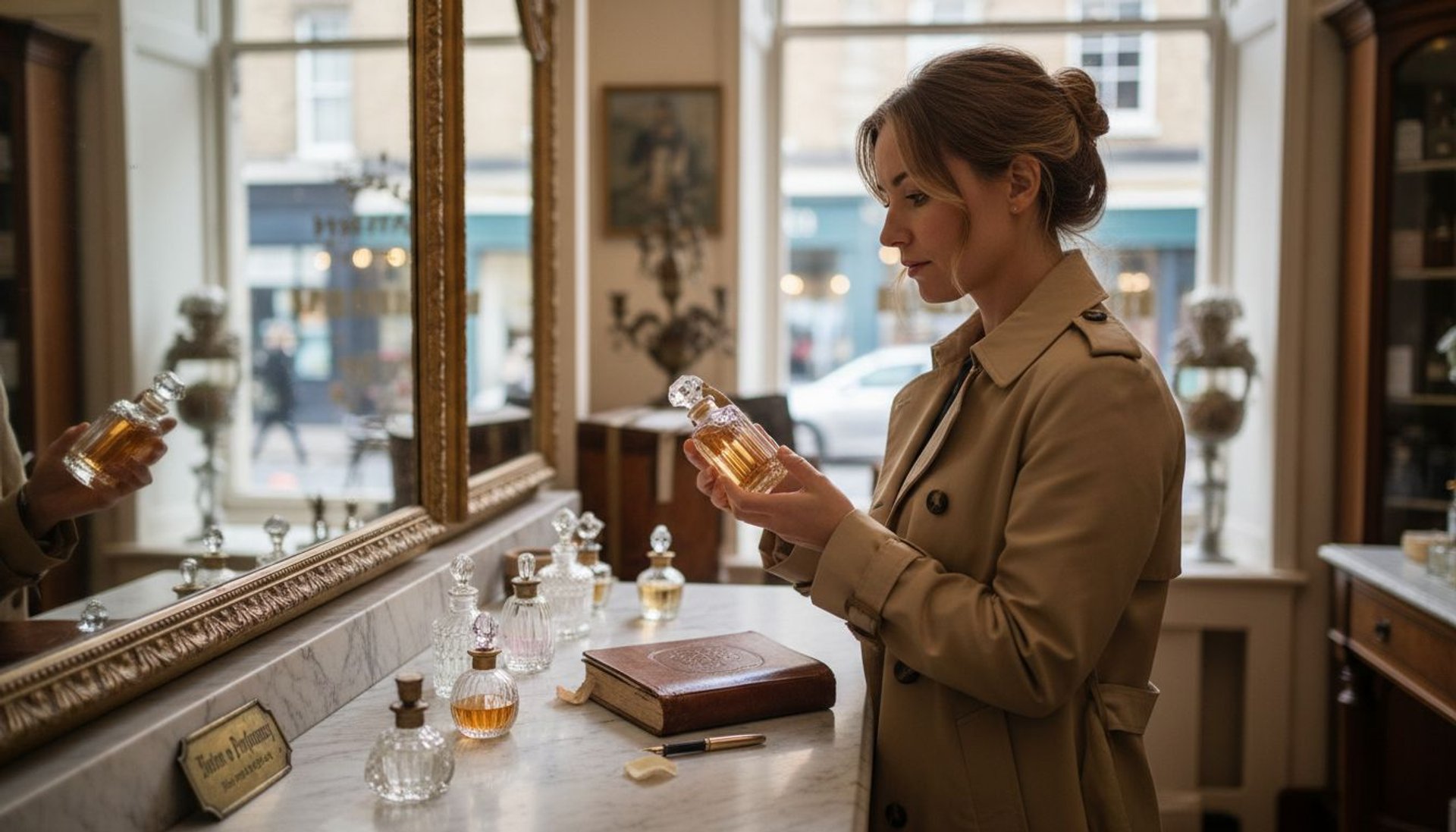
Start by visiting specialised fragrance stores or beauty counters that offer complimentary sampling opportunities. Request paper testing strips to initially assess a scent profile without committing to skin application. When you find promising fragrances, apply small amounts to your inner wrist or elbow areas where skin temperature naturally varies. Allow each fragrance at least 30 minutes to develop, observing how the scent transforms through its top, middle, and base notes. This waiting period is crucial as fragrances react differently with individual skin chemistry, revealing nuanced characteristics not immediately apparent.
Pro tip: Always test fragrances in neutral environments with minimal competing aromas. Avoid testing multiple scents simultaneously, as this can muddle your sensory perception. Carry a small notebook or use your smartphone to document your impressions, noting how each fragrance makes you feel, its longevity, and how it evolves throughout the day. This methodical approach will help you make an informed decision about which scents genuinely resonate with your personal style and sensibilities.
Step 4: Evaluate wear and performance on your skin
Understanding how a fragrance truly performs requires more than initial impressions. Individual body chemistry interactions play a critical role in determining a perfume's ultimate suitability, revealing how each scent uniquely blends with your natural odour.
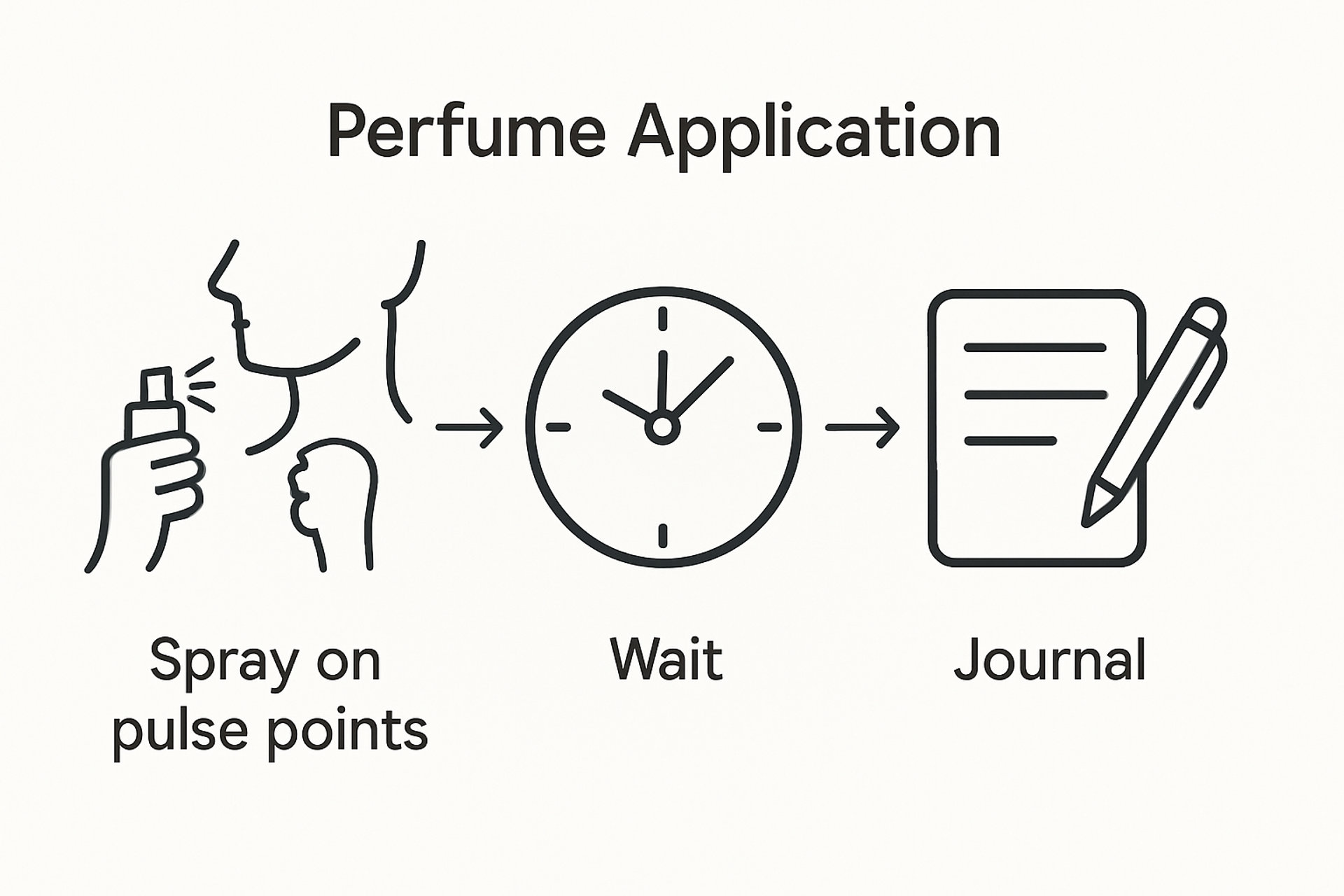
To conduct a comprehensive evaluation, apply the fragrance to pulse points where body heat naturally amplifies scent projection. These areas include the inner wrists, neck, behind ears, and inside elbows. Monitor the fragrance throughout an entire day, noting how the scent evolves through different stages. Pay close attention to three key performance aspects: projection (how far the scent radiates), longevity (how long the fragrance remains detectable), and overall compatibility with your personal skin chemistry.
Keep a detailed journal documenting each fragrance test. Record important observations such as initial impressions, how the scent changes over hours, compliments received, and most importantly, how the fragrance makes you feel. Remember that a truly exceptional perfume should not only smell pleasant but also boost your confidence and complement your personal style. Some fragrances might smell wonderful in the bottle yet transform unexpectedly on your skin, making this testing phase absolutely crucial in finding your perfect signature scent.
Step 5: Refine your selection and make a final choice
Narrowing down your fragrance selection requires a strategic approach that goes beyond initial impressions. Perfume selection techniques demand careful consideration of multiple factors to ensure you find a scent that truly resonates with your personality and lifestyle.
Compare the top three fragrances from your testing process by creating a comprehensive comparison chart. Evaluate each scent across key dimensions including longevity, projection, versatility, and emotional response. Consider practical aspects such as appropriate occasions for wearing the fragrance whether it suits professional environments, social gatherings, or personal relaxation moments. Pay attention to how each fragrance makes you feel and the subtle confidence it generates when worn.
Trust your instincts during the final selection. The perfect fragrance is more than a pleasant aroma it is an extension of your personal identity. Some practical advice: choose a scent that feels authentic to your character, complements your natural body chemistry, and makes you feel genuinely confident. If possible, request sample vials or travel sizes to continue testing before committing to a full bottle. This approach allows you to live with the fragrance over several weeks and confirm it remains your signature scent beyond initial excitement.
Discover Your Signature Scent with Fragplace
Finding the perfect fragrance is a personal journey that requires understanding your unique scent preferences, lifestyle, and how fragrances interact with your individual body chemistry. This guide highlights key challenges such as assessing fragrance families, testing scents mindfully, and evaluating their wear and performance. Many fragrance lovers struggle to translate these concepts into confident choices because they lack access to detailed scent information and community insights.
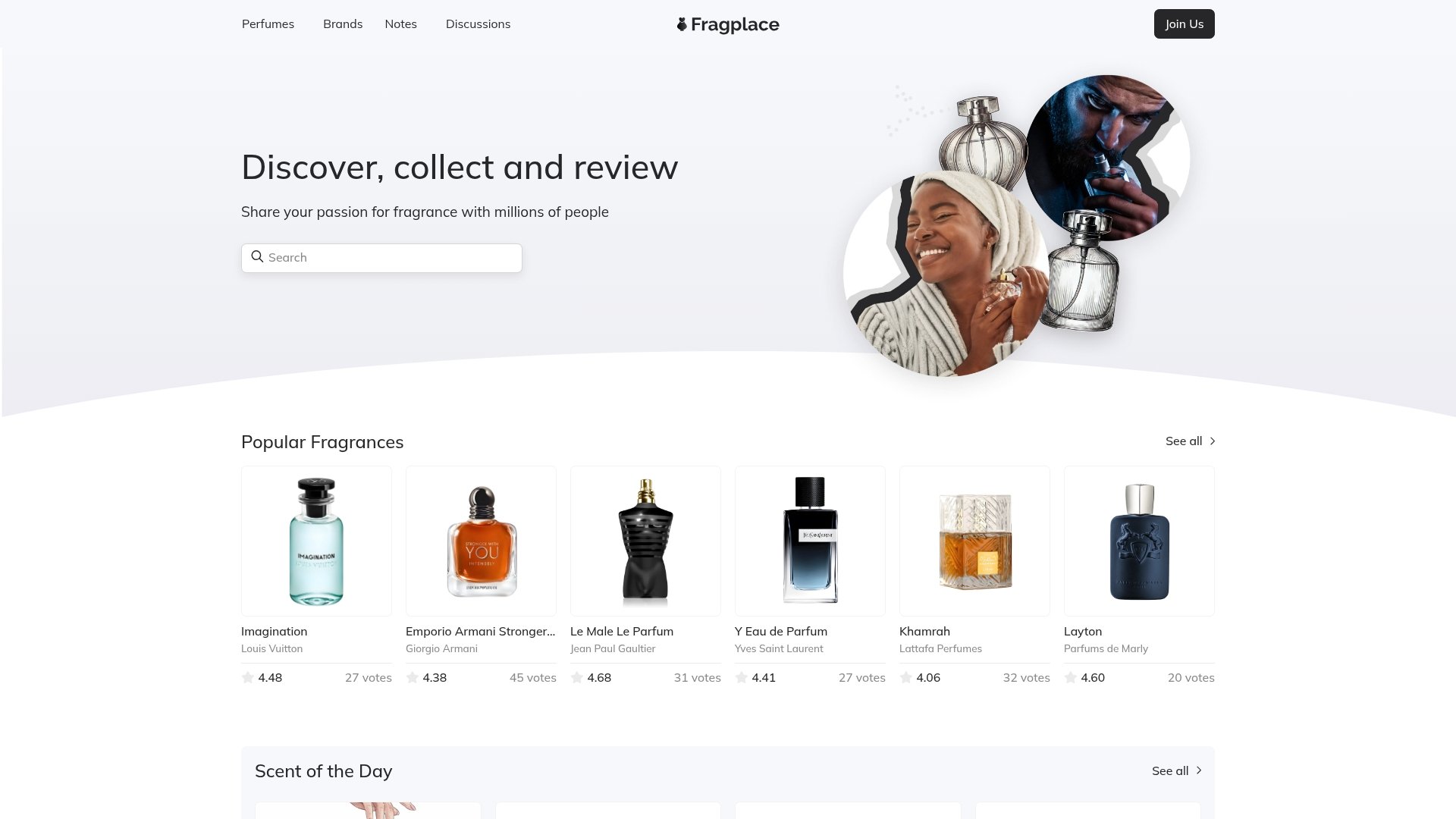
Fragplace.com is designed to solve these challenges by providing a vibrant online platform where you can explore popular perfumes, analyse notes, and connect with fellow enthusiasts who share their honest reviews and experiences. Here you can experiment with fragrance families, gather sensory feedback, and refine your selection with trusted guidance. Embrace the power of community and expert knowledge to elevate your fragrance discovery process.
Ready to find a scent that truly reflects your personality and style? Visit Fragplace now to access comprehensive fragrance details, engage with passionate reviewers, and take your perfume journey to the next level. Start exploring, testing, and sharing today so you never settle for anything less than your perfect scent.
Frequently Asked Questions
How do I assess my scent preferences and lifestyle?
To assess your scent preferences, reflect on your daily routines and the occasions where you'll wear fragrance. Consider how different scents make you feel and try to identify specific aroma categories, such as floral, citrus, or woody, that resonate with you.
What are the main fragrance families I should explore?
The main fragrance families include citrus, floral, oriental, woody, aromatic, and fresh scents. Start exploring these families to discover which key notes appeal to your personal taste and style.
How should I test fragrances to find the right one?
Test fragrances by visiting specialised stores and using paper testing strips first. Once you identify some that appeal to you, apply them to pulse points on your skin, allow at least 30 minutes for development, and note how they evolve over time.
What factors should I consider when evaluating a fragrance's wear and performance?
When evaluating a fragrance, focus on its projection, longevity, and how well it blends with your skin chemistry. Apply the scent to pulse points and keep a detailed journal of your observations over a full day to better understand its characteristics.
How can I refine my fragrance selection before making a final choice?
To refine your selection, create a comparison chart for your top fragrances based on longevity, projection, and emotional response. Trust your instincts and choose a scent that feels authentic to you, making sure to live with it for a few weeks before committing to a full bottle.