What Is Extrait Perfume? Unveiling Its Luxury Impact
20 Dec 2025
Most british perfume lovers are surprised to learn that Extrait de Parfum contains up to three times more fragrance oils than many standard perfumes. This remarkable concentration transforms the way scent lingers and evolves, giving each wear an intense sophistication that sets it apart. Understanding what truly defines Extrait de Parfum helps you appreciate why this highest tier of fragrance offers such long-lasting depth and sensory pleasure, guiding you toward an elevated olfactory experience.
Extrait de Parfum contains 15% to 45% fragrance oils, offering a richer aromatic profile compared to other perfumes.
Longevity and Application
These extracts last 8 to 12 hours, requiring minimal application typically on pulse points for maximum effect.
Fragrance Concentration Spectrum
Understand the hierarchy of fragrance concentrations; lighter perfumes suit casual settings, while Extrait de Parfum is ideal for sophisticated occasions.
Storage Guidelines
Store Extrait de Parfum in a cool, dark place and in original packaging to maintain its quality and longevity.
Defining Extrait Perfume: Essence and Composition
Extrait de Parfum represents the pinnacle of fragrance concentration, offering perfume enthusiasts an unparalleled olfactory experience. These luxurious perfume extracts contain an impressively high concentration of fragrance oils, typically ranging from 15% to 45% according to fragrance concentration research in cosmetic science. This substantial oil percentage distinguishes Extrait de Parfum from other perfume categories, creating a richer, more nuanced aromatic profile.
The composition of Extrait de Parfum is meticulously crafted, combining premium fragrance oils with a high-quality ethanol base. Unlike lighter perfume variations, these extracts prioritise depth and longevity, allowing each carefully selected aromatic note to unfold gradually on the skin. Perfumers invest considerable expertise in balancing top, heart, and base notes to create a complex sensory journey that evolves throughout wear.
Fragrance enthusiasts appreciate Extrait de Parfum for its exceptional performance characteristics. The higher oil concentration means these perfumes require minimal application, with just a small drop delivering remarkable projection and staying power. Typically, a single application can last between 8 to 12 hours, making these extracts ideal for individuals seeking a sophisticated, long-lasting fragrance experience that maintains its integrity from morning to evening.
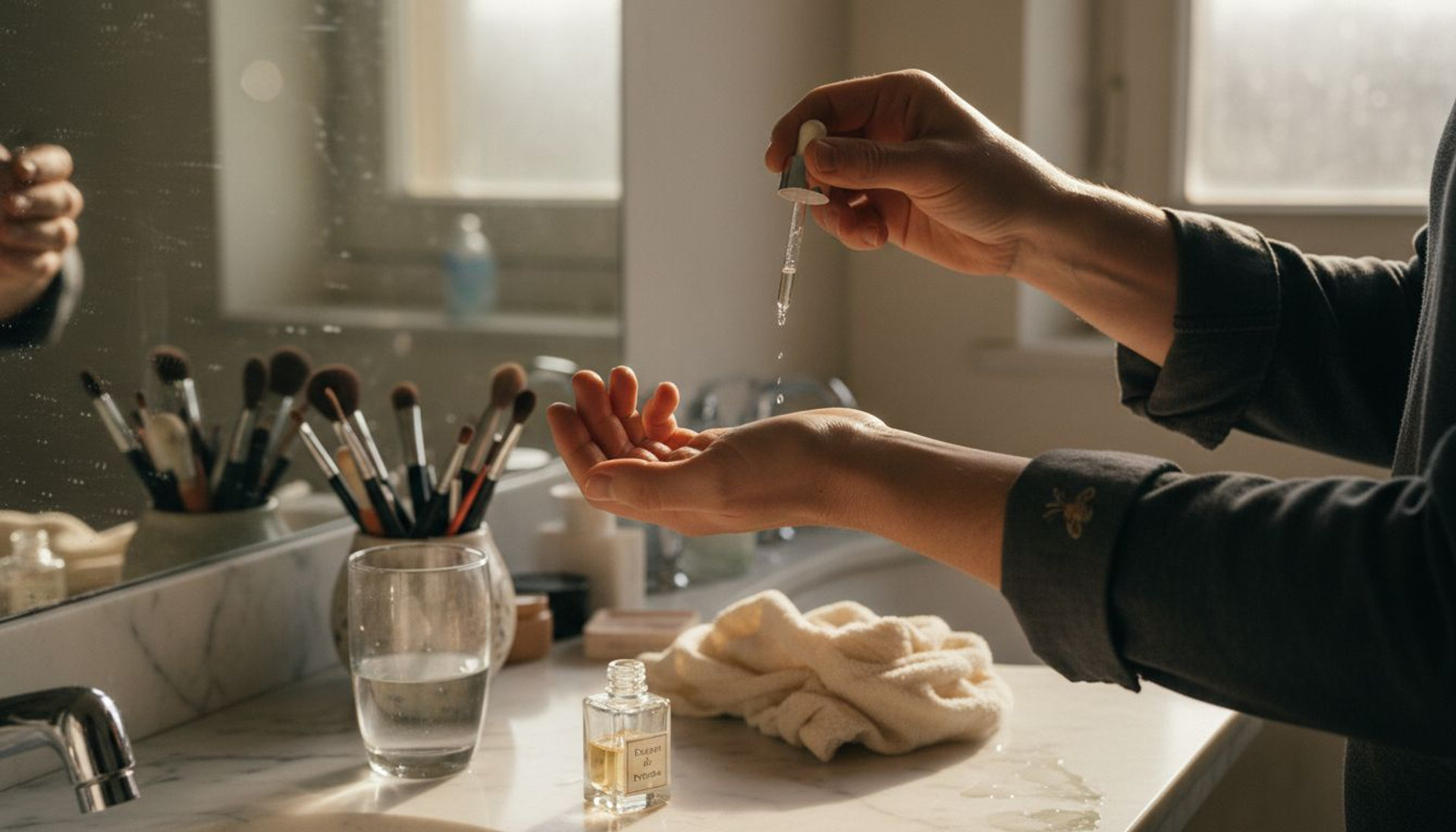
Pro Tip for Fragrance Lovers: When applying Extrait de Parfum, focus on pulse points like wrists, neck, and behind the ears. A minimal amount goes a long way, so start sparingly and build intensity gradually to discover your perfect aromatic signature.
Concentration Levels and Comparison With Others
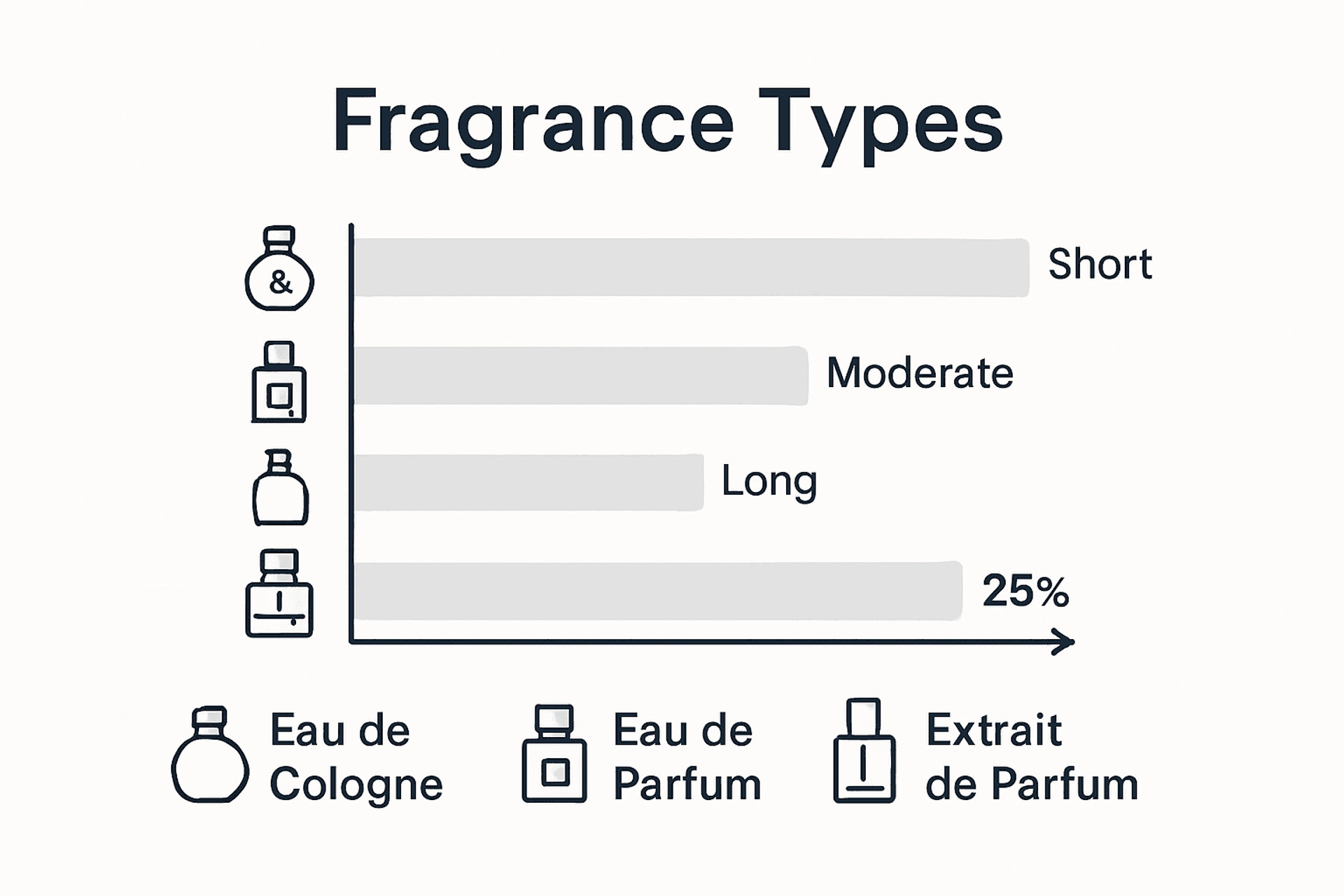
Fragrance concentrations represent a critical spectrum of olfactory experiences, with Extrait de Parfum standing at the pinnacle of intensity. According to industry fragrance standards, perfume products are systematically categorised across different concentration levels, ranging from light Eau de Cologne to rich Perfume Extract. These classifications reveal a nuanced hierarchy of fragrance potency and complexity.
The concentration spectrum typically includes Eau de Cologne (2-8% fragrance oils), Eau de Toilette (5-15%), Eau de Parfum (10-20%), and Extrait de Parfum (15-40%). Comparative research from fragrance experts demonstrates that as concentration increases, so does the fragrance's depth, longevity, and overall sensory impact. Extrait de Parfum distinguishes itself with the highest oil percentage, delivering an unparalleled olfactory experience that evolves dramatically throughout its wear.
Each concentration level offers unique characteristics tailored to different preferences and occasions. Lighter concentrations like Eau de Cologne provide a subtle, refreshing touch ideal for casual settings, while Extrait de Parfum represents the ultimate expression of fragrance artistry. The higher oil content means fewer applications are required, making these extracts not just a sensory experience but also an economically sophisticated choice for discerning fragrance enthusiasts.
Here's a clear comparison of fragrance concentration types:
Fragrance Type
Oil Percentage
Typical Longevity
Characteristic Effect
Eau de Cologne
2%–8%
1–3 hours
Fresh, subtle impression
Eau de Toilette
5%–15%
3–5 hours
Light, everyday wear
Eau de Parfum
10%–20%
5–8 hours
Distinct, versatile sillage
Extrait de Parfum
15%–40%
8–12 hours
Intense, lasting sophistication
Pro Tip for Fragrance Selection: Match your fragrance concentration to the occasion and your personal intensity preference. Lighter concentrations work best for daytime and professional environments, while Extrait de Parfum shines during evening events and special moments that demand a memorable olfactory statement.
Fragrance Longevity and Performance Explained
Extrait de Parfum represents the pinnacle of fragrance performance, offering an extraordinary sensory experience that transcends typical perfume expectations. Perfume composition experts highlight that Extrait de Parfum's rich alcohol base contributes to its superior longevity and intensity, creating a profound olfactory journey that lingers dramatically throughout the day. The extraordinary concentration of fragrance oils ensures that each application delivers a complex, multifaceted aromatic profile that evolves elegantly over time.
The performance characteristics of Extrait de Parfum are fundamentally different from lighter fragrance concentrations. Its dense molecular structure allows the scent to interact more deeply with an individual's skin chemistry, resulting in a more personalised and nuanced fragrance experience. Professional perfumers carefully construct these extracts to ensure that top, heart, and base notes unfold progressively, creating a sophisticated olfactory narrative that can persist for 10-12 hours with minimal reapplication.
Understanding the performance metrics of Extrait de Parfum requires appreciating its intricate composition. The higher percentage of fragrance oils means that molecular interactions are more complex and sustained, allowing for remarkable projection and sillage. This means that even a minimal application can create a profound sensory statement, making these perfume extracts an investment in personal olfactory expression that transcends conventional fragrance expectations.
Pro Tip for Fragrance Performance: Apply Extrait de Parfum to pulse points where body heat naturally amplifies the scent, such as wrists, neck, and behind the ears. Remember that with these concentrated extracts, less is definitively more - a single strategic application can provide an entire day's sophisticated fragrance experience.
Regulations, Labelling and Global Standards
The fragrance industry operates under rigorous international regulations designed to ensure consumer safety, product transparency, and ethical manufacturing practices. Comprehensive packaging guidelines, such as ISO 22715, mandate detailed labelling requirements, specifying that perfume packaging must clearly display critical information including ingredient composition, concentration levels, potential allergens, and precise usage instructions. These standardised protocols help consumers make informed decisions about the fragrances they purchase and apply.
Regulatory frameworks vary significantly across different global markets, with the European Union establishing particularly stringent guidelines. The EC Regulation 1223/2009 represents a comprehensive approach to cosmetic product regulation, implementing strict controls on ingredient safety, mandatory allergen declarations, and prohibiting animal testing. For Extrait de Parfum specifically, these regulations require manufacturers to provide transparent information about fragrance concentration, ensuring that consumers understand the precise composition and potential sensitivities associated with high-concentration perfume extracts.
Beyond European standards, international regulatory bodies collaborate to develop consistent global frameworks for fragrance production and labelling. These standards address critical aspects such as ingredient safety, concentration declarations, potential health implications, and ethical manufacturing processes. Perfume houses producing Extrait de Parfum must navigate these complex regulatory landscapes, demonstrating compliance through meticulous documentation, transparent labelling, and adherence to evolving safety protocols.
Pro Tip for Fragrance Safety: Always review the ingredient list and allergen information before purchasing a new fragrance, particularly with concentrated extracts like Extrait de Parfum. Check for any potential skin sensitivities and perform a patch test to ensure compatibility with your individual skin chemistry.
Selecting, Wearing and Storing Extrait Perfume
Selecting the perfect Extrait de Parfum requires a nuanced understanding of fragrance composition and personal olfactory preferences. Careful product labelling and comprehension of the perfume's base system are critical when making your selection, ensuring that you choose a fragrance that truly resonates with your individual style and sensory expectations. Factors such as concentration, ingredient quality, and molecular complexity play pivotal roles in determining the ultimate sensory experience.
When wearing Extrait de Parfum, strategic application becomes an art form. These concentrated extracts demand a minimalist approach, with just a few carefully placed droplets delivering a profound aromatic statement. Professional fragrance enthusiasts recommend applying to pulse points where body heat naturally amplifies the scent - specifically the wrists, neck, behind the ears, and inner elbows. The intense molecular composition means that these strategic applications will evolve throughout the day, creating a personalised olfactory journey that adapts to your individual body chemistry.
Proper storage is paramount to preserving the exceptional quality of Extrait de Parfum. These precious extracts require protection from direct sunlight, temperature fluctuations, and humidity. Ideal storage involves keeping the bottles in a cool, dark environment, preferably in their original packaging, away from windows and heat sources. Glass bottles should be stored upright to prevent potential leakage or degradation of the delicate fragrance molecules, ensuring that each application maintains the original complexity and depth of the perfume's carefully crafted composition.
Key factors for preserving Extrait de Parfum quality:
Storage Condition
Impact on Perfume
Recommended Practice
Direct Sunlight
Causes fading and degradation
Store in a shaded drawer or cabinet
Temperature Fluctuations
Alters scent and composition
Maintain cool, stable room temperature
Humidity Exposure
Promotes molecular breakdown
Avoid bathrooms; seal bottle tightly
Original Packaging
Preserves aroma and stability
Keep box for maximum protection
Pro Tip for Extrait de Parfum Mastery: Rotate your fragrances and avoid exposing a single bottle to repeated temperature changes. Store your most precious extracts in a dedicated fragrance cabinet or drawer, treating them as the sophisticated sensory investments they truly represent.
Discover the True Essence of Extrait de Parfum with Fragplace
Experiencing the depth and luxury of Extrait de Parfum can be challenging without expert guidance. This article reveals the complexity behind concentration levels, longevity, and the art of applying these rich extracts. If you find yourself seeking clarity on selecting the perfect extrait perfume or want to engage with others who understand the nuances of sophisticated scents, Fragplace offers the ideal solution. Our platform connects you with passionate fragrance lovers who share tips on composition, performance, and even storage practices to preserve your precious bottles.
Unleash your olfactory journey today by joining Fragplace, the ultimate community where you can explore detailed fragrance notes, participate in in-depth reviews, and discuss everything extrait perfume. Take control of your fragrance experience now and elevate your signature scent to new heights with expert advice and a vibrant community just a click away.
Frequently Asked Questions
What is Extrait de Parfum?
Extrait de Parfum is a highly concentrated form of perfume, containing between 15% to 45% fragrance oils, offering a richer and longer-lasting scent compared to other types of perfumes.
How long does Extrait de Parfum typically last?
Extrait de Parfum can last between 8 to 12 hours on the skin, thanks to its high concentration of fragrance oils and dense molecular structure, ensuring a prolonged olfactory experience.
How should I apply Extrait de Parfum for the best results?
For optimal results, apply Extrait de Parfum sparingly to pulse points such as the wrists, neck, and behind the ears. This allows the heat from your body to amplify the fragrance and create a nuanced scent experience.
What are the key differences between Extrait de Parfum and Eau de Toilette?
The main differences lie in the concentration of fragrance oils and longevity; Extrait de Parfum contains 15-40% fragrance oils, offering a more intense scent that lasts longer, while Eau de Toilette contains 5-15%, resulting in a lighter fragrance with shorter wear time.