Articles
Get the Fragletter
New fragrance stories and picks in your inbox. Unsubscribe anytime.
New fragrance stories and picks in your inbox. Unsubscribe anytime.
New fragrance stories and picks in your inbox. Unsubscribe anytime.
New fragrance stories and picks in your inbox. Unsubscribe anytime.
The concentration printed on a perfume bottle is the most useful number on the label, and most people walk straight past it. Two bottles of the same scent — one Eau de Toilette, one Eau de Parfum at a noticeably higher price — aren't the same fragrance with different markups; they're different balances of the same idea. Here's what each level from Eau de Cologne up to Extrait de Parfum gives you, and when paying up is money wasted.
A perfume is three things: aromatic oils (the part that smells), alcohol (which carries and diffuses the scent), and a little water. Concentration is just the percentage of aromatic oils in that mixture.
More oil means a richer, longer-lasting fragrance that costs more to produce. Every name on the label flows from that one number.
One myth to bust first: going up in concentration doesn't necessarily change the scent, but it does change the experience. A higher concentration tends to bring deeper base notes forward and sit closer to the skin, while a lighter one reads fresher and more citrus-forward on first spray.
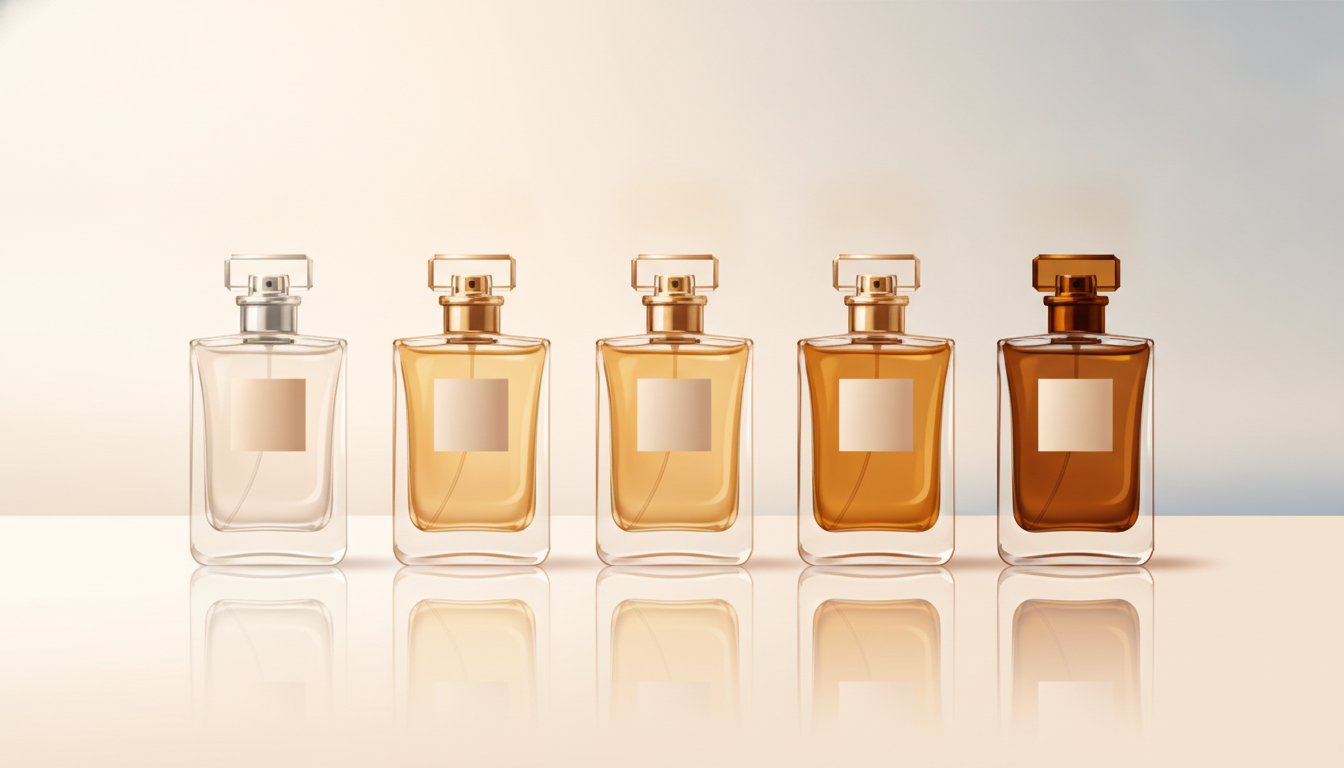
Lightest to strongest. These percentages are industry convention rather than law — brands move the goalposts, so treat the table as a reliable guide, not a guarantee.
Eau Fraîche (1–3% oil) and Eau de Cologne (2–5%) are mostly water and alcohol, and they're honest about it. Splash them on after a shower, expect to reapply across a hot day. thins a heritage scent into something airy and effervescent — a fair trade if the original feels like too much, a letdown if you wanted its weight.
Don't confuse "Eau de Cologne" the concentration with "cologne" the casual American term for men's fragrance. Different things entirely.
Eau de Toilette (5–15% oil) is the format most collections are built on. It projects for the first few hours, then tucks in close to the skin. EDTs push the sparkling top notes — and citrus generally — which is why so many summer and daytime scents land here.
in its original Eau de Toilette form is the textbook case: a punchy, radiant blast of citrus and that performs without swallowing a room. It has also become a signature-scent cliché, which is a fine reason to avoid it socially and no reason at all to think it smells worse. is the other icon of the breezy aquatic EDT, and the gentler of the two.
Eau de Parfum (15–20% oil) is where most buyers should land. It lasts noticeably longer than an EDT, projects with more confidence, and brings the warmer base notes forward. The same juice in EDP form usually reads richer and less citrus-driven than its EDT counterpart.
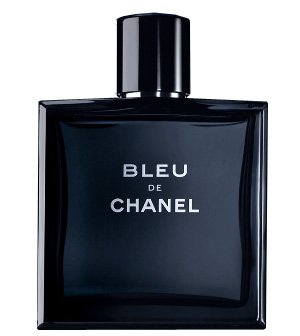
Compare versions of one scent and it becomes obvious. exists as an EDT, an , and a . The EDP runs warmer and smokier than the crisp EDT and outlasts it — same DNA, different mood. If you're only buying one Bleu, that's the one.
Top of the pile is Parfum — also called Extrait de Parfum, or just "extrait" — at 20–40% oil. The most concentrated format, and the priciest. It projects softly but lingers the whole day and often deep into the night, holding , , and even close to the skin. That's a feature if you want a scent for the people who get near you. It's a disappointment if you wanted a trail.
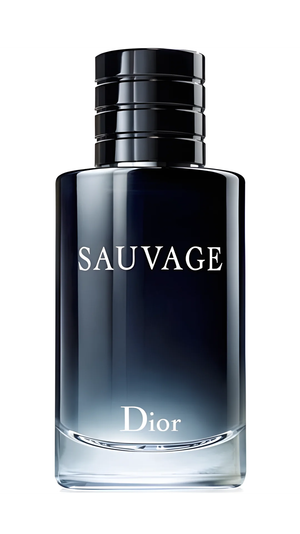
and show how far the house will stretch a single fragrance across concentrations — the extrait is denser and sweeter than the sprightly original EDT. Whether the house needs quite this many Sauvages is a separate argument.
Two words dominate fragrance conversations: longevity (how long you can smell it) and sillage (how far the scent travels — projection, the trail behind you).
More oil generally means more of both, but not on a straight line. Here's the nuance that trips people up:
Want a scent that announces you across a room? EDP. Want something rich that unfolds slowly and stays intimate? Parfum.
Aromatic oils are the expensive part of any fragrance, so a higher concentration costs more per bottle. Price per millilitre still isn't the whole story.
Concentrated fragrance goes further, so you use less per wear. Two sprays of an extrait can outlast six sprays of an EDT. Across the life of a bottle, the pricier high-concentration version can deliver more wearings — and better value — than the cheaper, lighter one you keep having to reapply.
A quick value framework:
No concentration is best in the abstract. Match it to the situation:
"Higher concentration is always better." No. A beautifully composed EDT will beat a mediocre extrait every time. Concentration controls intensity and longevity, not quality — the best version is the one whose balance you enjoy most.
"EDP and EDT smell identical, just stronger." Often false. Concentration shifts which notes dominate, so the same name in two formats can smell meaningfully different: the EDT brighter, the EDP deeper. Test both if you can.
"Parfum projects the most." Not necessarily. Extraits are famous for staying close to the skin. If big projection is the goal, an EDP frequently wins.
"Cologne means men's fragrance." As a concentration, Eau de Cologne is a light 2–5% dilution and has nothing to do with gender.
If you're buying one bottle and don't want to think about it, buy the EDP. It survives a working day without a top-up, and it's the format most houses now aim their best work at. EDT earns its place in heat, or while you're still deciding. Extrait is a commitment purchase rather than a starting point — and it's worth skipping outright when the lighter version happens to be the better composition, which is more often than the price list suggests. For a worked example of this on two lines everyone knows, see how the concentrations compare across Bleu de Chanel and Sauvage, where the best-rated bottle in each house is the most concentrated one.
So settle it yourself with two comparisons. Put next to its and see which balance you'd actually reach for. Then do the same with and — after those two, the percentage on the label stops being a mystery and starts being a shopping tool.
| Concentration | Common Name | Oil Percentage | Typical Longevity |
|---|
| Eau Fraîche | — | 1–3% | 1–2 hours |
| Eau de Cologne (EDC) | Cologne | 2–5% | 2–3 hours |
| Eau de Toilette (EDT) | — | 5–15% | 3–5 hours |
| Eau de Parfum (EDP) | — | 15–20% | 5–8 hours |
| Parfum / Extrait | Extrait de Parfum | 20–40% | 8–12+ hours |
| Occasion / Goal | Best Concentration |
|---|
| Hot summer day, office, gym | EDT or EDC |
| Everyday all-day wear | EDP |
| Date night, evening events | EDP or Parfum |
| Cold-weather richness | Parfum / Extrait |
| Testing a new scent on a budget | EDT |
| A lifelong signature fragrance | Parfum / Extrait |
 Chanel No 5 Eau de Cologne
 Bergamot
 Sauvage
 Bleu de Chanel
 Ambroxan
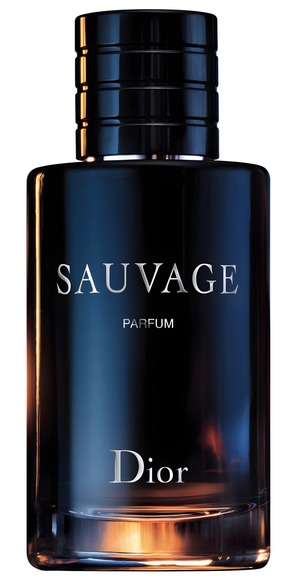 Sauvage Parfum
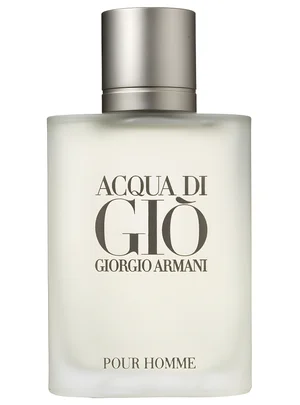 Acqua Di Gio
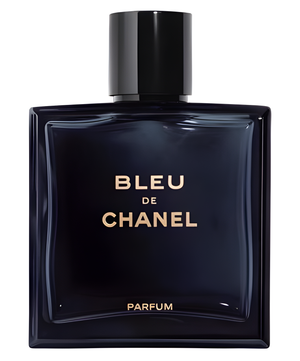 Bleu de Chanel Parfum
 Sandalwood
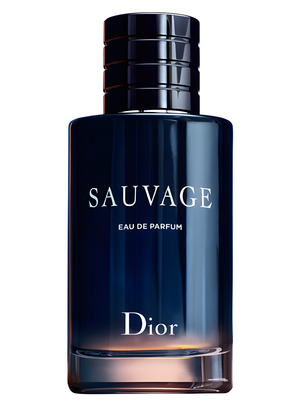 Sauvage Eau de Parfum
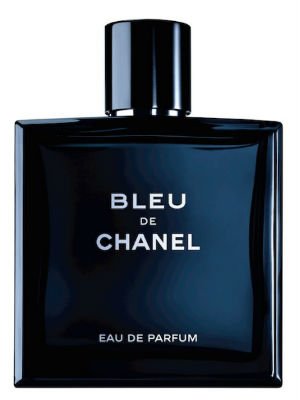 Bleu de Chanel Eau de Parfum
 Agarwood (Oud)
 Dior
Dior Musk
Musk Vanilla