Articles
Get the Fragletter
New fragrance stories and picks in your inbox. Unsubscribe anytime.
New fragrance stories and picks in your inbox. Unsubscribe anytime.
New fragrance stories and picks in your inbox. Unsubscribe anytime.
New fragrance stories and picks in your inbox. Unsubscribe anytime.
The word "amber" appears on more perfume labels than almost any other descriptor. It anchors entire fragrance families. It's the reason your winter coat smells the way it does after a long season. But here's the thing most people don't know: amber isn't a natural ingredient at all.
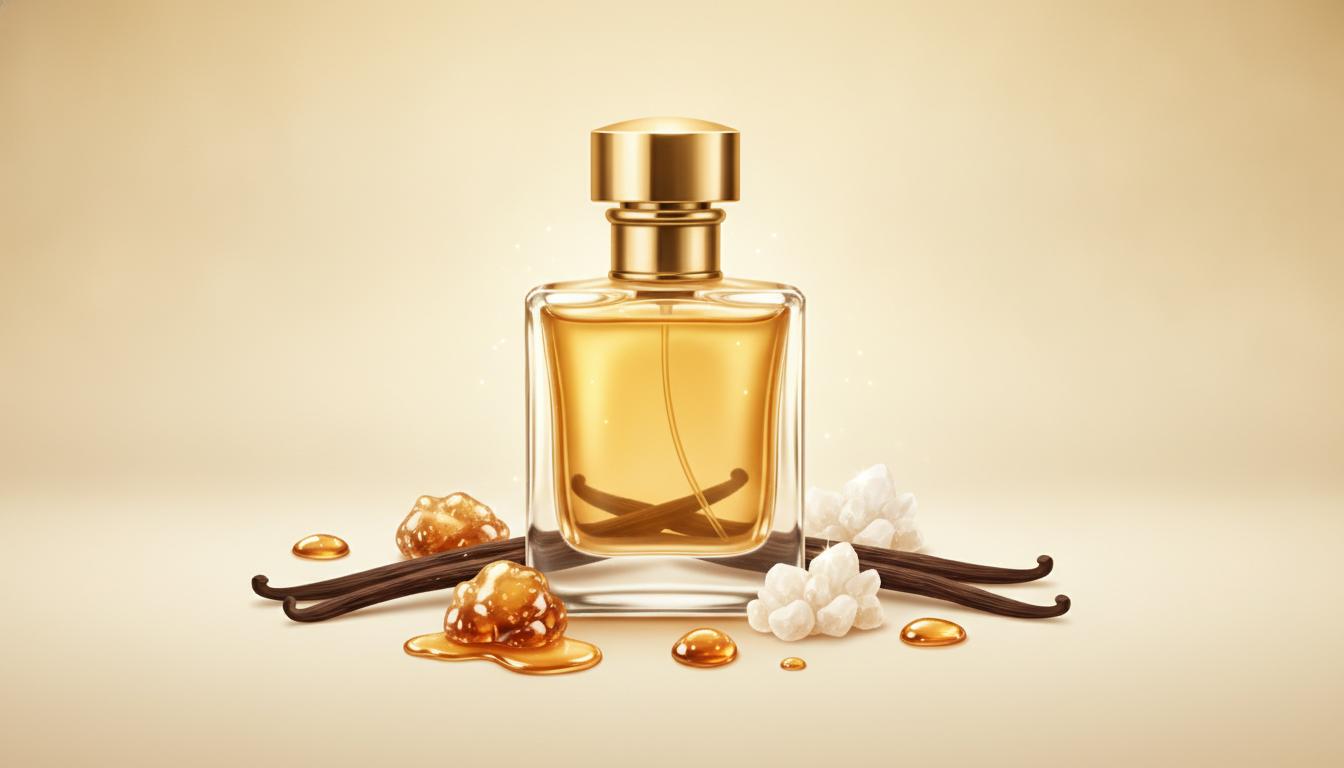
There is no amber plant. No amber flower. The fossilised tree resin you see in museums smells of almost nothing. In perfumery, "" is an accord — a blended construction, not an extract — and understanding what goes into it will permanently change how you read a fragrance pyramid.
The amber accord as we know it today emerged from 19th-century Oriental perfumery. It typically combines three main natural materials:
is where it all starts. This dark, balsamic resin comes from the rockrose plant, native to the Mediterranean. It's sticky, animalic, slightly leathery, and ancient — shepherds used to comb it out of their goats' fleeces in biblical times. Labdanum is the backbone of amber: the thing that gives the accord its weight, depth, and slightly smoky character.
softens everything. A vanilla-tinged resin from the Styrax tree, benzoin is harvested across Southeast Asia and brings a creamy, almost almond-like sweetness that rounds out labdanum's sharp edges. Think of it as the mortar between the bricks.
does what vanilla always does: it makes people love things. In amber accords, vanilla provides warmth and familiarity — that sense of comfort and skin-closeness that makes oriental fragrances feel intimate rather than heavy.
On top of these three pillars, perfumers might add musks, woods, cistus absolute, or resins. Each house has its own amber recipe, guarded with the same secrecy as a trade secret. That's why amber smells subtly different on a Chanel than a Mugler than a niche house. The pillars are the same; the proportions are the art.
The classical amber structure dates to the late 1800s, when European perfumers were constructing "Oriental" accords meant to evoke warmth, mystery, and a certain richness that felt distinctly non-Western to European tastes. crystallised the template in 1925 with — a powdery, vanilla-amber edifice launched by Jacques Guerlain that still reads as the platonic ideal of the genre. The bergamot-and-iris opening is brisk, almost medicinal; then the base arrives, and it's an entirely different conversation: labdanum and ethyl vanillin so warm and deep it practically radiates.
For the next six decades, amber remained the backbone of "oriental" perfumery — admired, aspirational, and somewhat formal. Then came by in 1992.
Thierry Mugler's creation took the amber accord and did something radical: it made it edible. In went patchouli, caramel, honey, and heliotrope. The result was polarising at launch — department store staff famously described it as too sweet — and one of the most commercially successful fragrances in history. Angel is largely responsible for every gourmand fragrance that followed. If you've ever wondered why the fragrance market smells vaguely like warm cake, the lineage runs through Angel's patchouli-amber core.
The third major chapter belongs to . , launched in 2007 as part of the Private Blend collection, took the amber accord and turned up the heat. Tobacco absolute and spice over a rich vanilla-amber base. The effect is baroque, unapologetically luxurious, and deeply distinctive. Where Shalimar is amber at its most refined and Angel at its most playful, Tobacco Vanille is amber with intent — confident, generous, expensive.
The annual August pivot toward fall always starts earlier than anyone expects, and this year is no exception. Community discussions are already shifting toward warmer, richer fragrances — people who spent the summer with aquatics and light florals are picking up their amber bottles again, not quite ready for full autumn depths but craving something with more presence.
This is exactly amber's moment. It's warm without being heavy. It's sweet without being cloying. It works in late-summer heat in a way that a full oud or aged patchouli simply can't. The amber accord acts as a seasonal bridge — offering just enough richness to satisfy the approaching-autumn itch without overwhelming on a 30-degree day.
If you haven't revisited your amber fragrances since last October, this week is the right time.
— Start here. The original template, still unmatched for elegance. A century old and thoroughly modern. Bergamot opens, vanilla and labdanum close, and there's an iris heart in between that keeps the whole thing from tipping into pure sweetness.
— The disruptor. If Shalimar is structure, Angel is spectacle. Understanding Angel — really sitting with its patchouli-caramel-amber logic — explains an enormous amount about what happened to mainstream fragrance in the 2000s and 2010s.
— The modern peak. Rich, assured, and worth every penny of the Private Blend price. If you're reaching for one amber as summer shifts toward fall, this is the one to reach for.
The amber accord has been with us for over a century — and if you pay attention this August, you'll notice it's everywhere again. Not because it's trending. Because it was never really gone.

 Labdanum
 Amber
Amber Benzoin
 Vanilla
 Guerlain
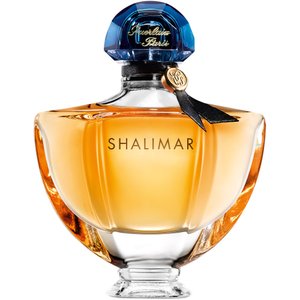 Shalimar Eau de Parfum
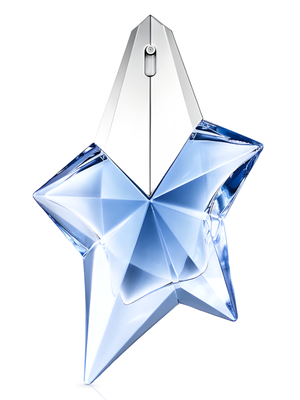 Angel
Angel Mugler
 Tom Ford
 Tobacco Vanille