Articles
Get the Fragletter
New fragrance stories and picks in your inbox. Unsubscribe anytime.
New fragrance stories and picks in your inbox. Unsubscribe anytime.
New fragrance stories and picks in your inbox. Unsubscribe anytime.
New fragrance stories and picks in your inbox. Unsubscribe anytime.
Most people don't want a louder fragrance. They want one that behaves. That's the difference between sillage and projection — two words the internet swaps at random and gets wrong in both directions.
Projection is how far a fragrance travels from your skin: the size of your personal scent bubble. High projection means people around you catch it without leaning in. Low projection — a "skin scent" — sits on the body and stays noticeable only within a few centimetres.
Think of it as volume. It peaks in the opening minutes after application and softens as the fragrance settles, which is why judging a scent by its first ten minutes tells you almost nothing about the rest of the day.
Sillage (pronounced , from the French word for a boat's wake) is the scented trail you leave behind as you move. Strong sillage means the lift still smells of you after you've stepped out, and whoever gets in next knows someone was there.
The two are related, but they aren't the same thing:
Plenty of fragrances project modestly and still leave a lovely wake. Dense, resinous scents in particular cling to fabric and trail far beyond what they seem to be doing up close.
These three get muddled constantly, so pin them down:
| Term | Question it answers |
|---|---|
| Projection | How far away can people smell it right now? |
| Sillage | Does it leave a trail after I move? |
| Longevity | How many hours does it last on skin? |
A fragrance can last twelve hours as a soft skin scent — long longevity, low projection — or explode off the skin for the first hour and then fade. The "beast mode" performers do all three at once: loud projection, rich sillage, long wear. There are fewer of them than the forums would have you believe.
More perfume oil, generally more push. The rough hierarchy runs Eau de Cologne < Eau de Toilette < Eau de Parfum < Parfum/Extrait. It's why the extrait or "Le Parfum" flanker of a popular scent often feels like a different animal from the original eau de toilette — and why houses keep releasing them.
Some raw materials are simply big and diffusive. Synthetic ambers such as radiate off the skin for hours, and they're a large part of why modern fragrances feel so powerful next to what came before. Dense materials like , , and grip fabric and skin, producing heavy sillage that can last a full day.
Your skin's pH, oiliness and temperature all change how a fragrance projects. Oily skin holds onto scent molecules and pushes them out for longer; dry skin eats fragrance, so it fades faster and sits closer. Same bottle, two people, two different perfumes. It's also why borrowing someone else's signature so often disappoints.
Heat amplifies projection — fragrances bloom in warm weather and go quiet in the cold. Pulse points, moisturised skin and clothing all raise projection and sillage. More sprays obviously means more of both, right up to the point where a beautiful scent becomes an imposition on everyone sharing your air.
Want to be noticed? These are the reference points, sorted by style.
by built its reputation on an ambroxan-driven radiance that projects for hours while staying crowd-pleasing and easy to wear. It has also become a signature-scent cliché, which is a comment on its ubiquity rather than its quality — it does exactly the job it was engineered to do. For a fruity-fresh alternative, by delivers smoky pineapple and birch with sillage that made it a modern icon, though you're paying for the name as much as the juice.
by Paco Rabanne and by Jean Paul Gaultier are the original "compliment machines", and their sweet, spicy trails linger long after you pass. Both now read as period pieces; if that bothers you, skip them. The undisputed sillage legend is by Mugler — a patchouli-and-praline powerhouse where a single spray can scent an entire room. It's the least apologetic fragrance here. You'll either love it or want it escorted off the premises.
Niche houses turn the dial further. by Xerjoff wraps honey and tobacco in a warm, room-filling cloud, and it's the most charming thing on this list. by Tom Ford is a cosy, spicy monster on fabric — overexposed by now, and still hard to argue with in January. At the extreme end, by Nasomatto and by Amouage push resin, oud and incense with almost unreasonable strength; treat both as one-spray propositions unless you're outdoors. by Parfums de Marly is the diplomat of the group, carrying that power on an addictive apple-and-vanilla polish.
Louder isn't better. Match the power to the room:
Projection is your bubble, sillage is your trail, longevity is the clock, and concentration, materials, skin and climate decide how big each one gets. If you want a single recommendation out of everything above, take : it carries like the heavy hitters without demanding the room's permission, which makes it the rare loud fragrance that survives a working week. is the opposite choice, and the right one if being remembered matters more to you than being liked.
Start with the materials doing the heavy lifting — read the note pages for and , which sit under most of the sillage on this list. Then put and side by side and decide how much room you actually want to take up.
 Ambroxan
 Patchouli
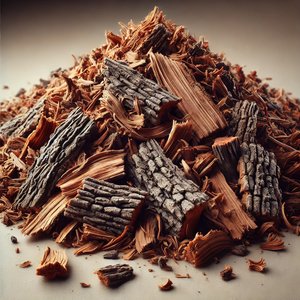 Agarwood (Oud)
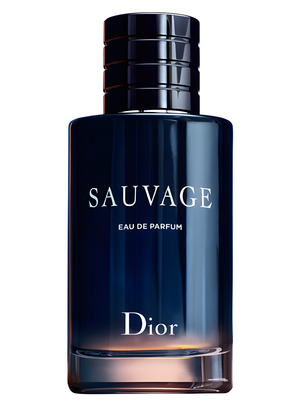 Sauvage Eau de Parfum
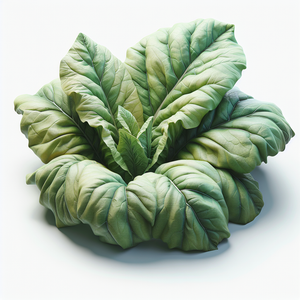 Tobacco
 1 Million
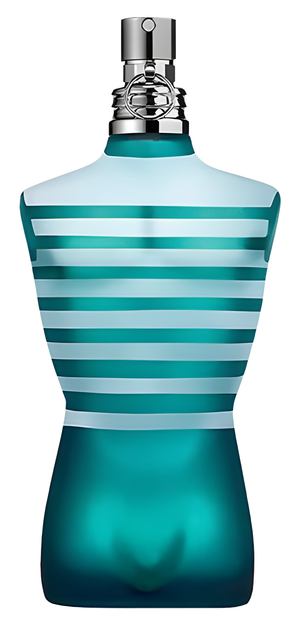 Le Male
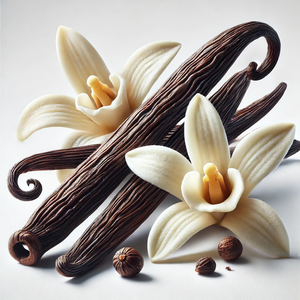 Vanilla
 Dior
Dior Creed
Creed Interlude Man
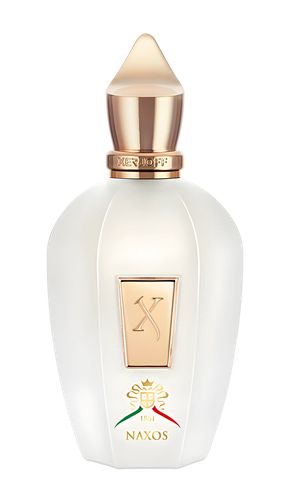 XJ 1861 Naxos
 Angel
Angel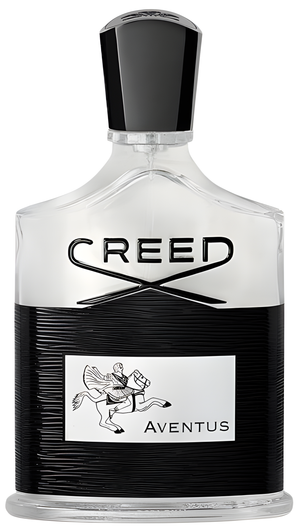 Aventus
 Tobacco Vanille
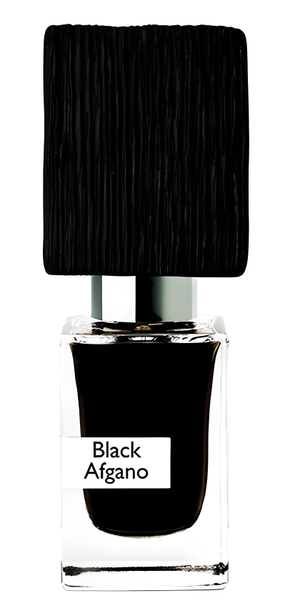 Black Afgano
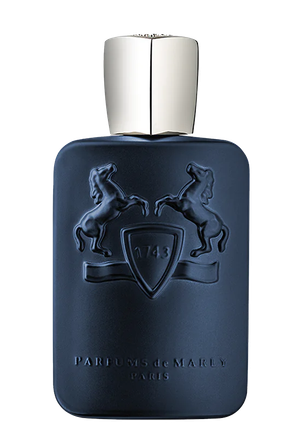 Layton