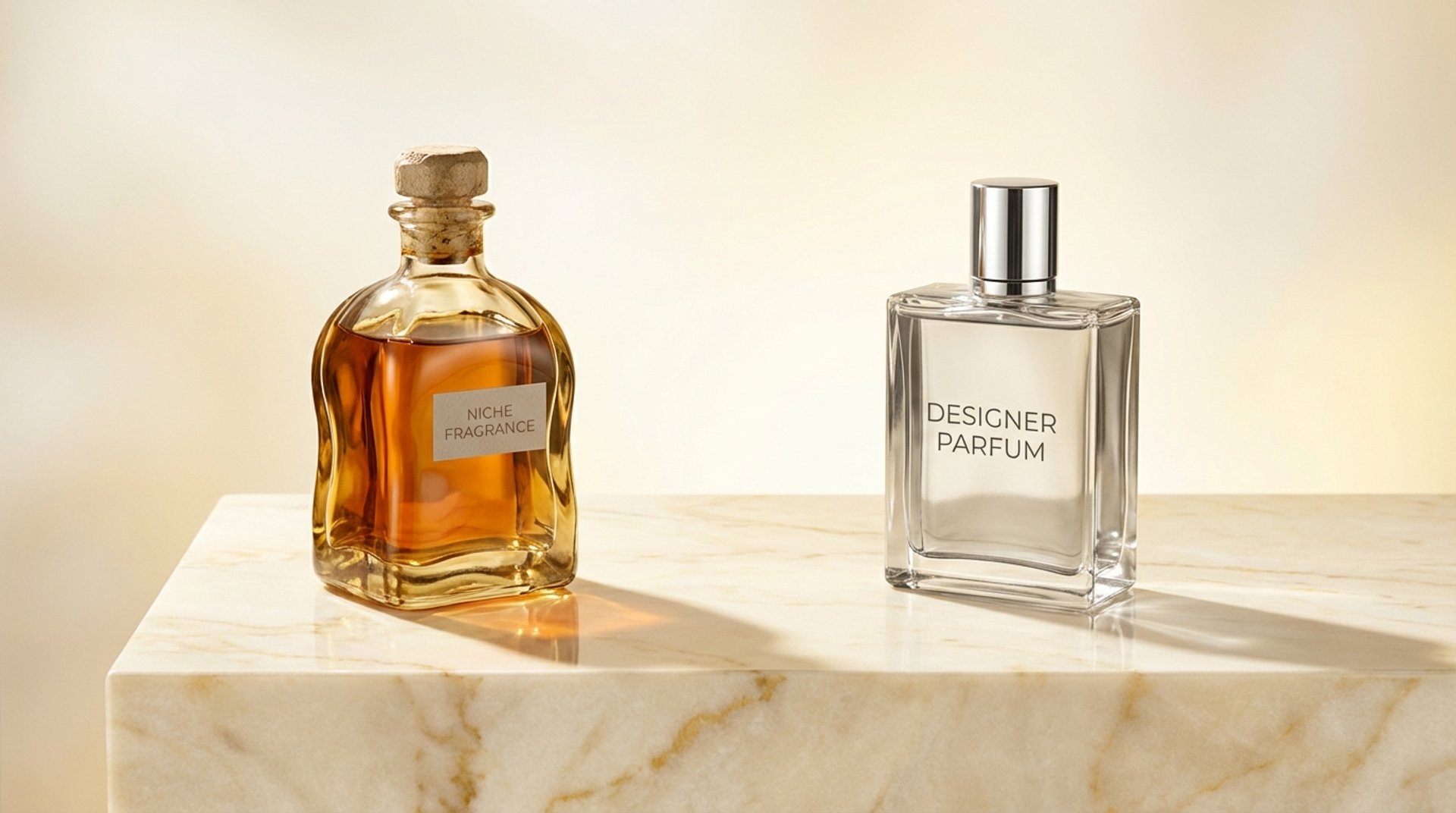
Niche vs. Designer Fragrances — Which Is Worth Your Money?
02 Apr 2026
If you've spent any time exploring the world of perfume, you've likely encountered the great debate: niche vs. designer fragrances. On one side, you have iconic scent houses with global recognition. On the other, boutique perfumers crafting liquid art in small batches. But which category actually delivers better value for your money?
Whether you're a seasoned collector or a curious shopper wondering if niche perfumes are worth it, this guide breaks down the real differences — price, quality, uniqueness, availability, and overall value — so you can make smarter choices at the fragrance counter.
What Are Designer Fragrances?
Designer fragrances come from fashion and luxury houses that are known primarily for clothing, accessories, or cosmetics. Think , , , and . Their perfumes are mass-produced, widely available, and backed by major marketing campaigns.
Popular examples include , , , and . These are scents you'll find at every department store and duty-free shop on the planet.
Typical price range: $60–$180 for 100ml
What Are Niche Fragrances?
Niche fragrance houses exist solely to create perfume. Brands like , , , , , , and dedicate their entire operation to fragrance creation. They often use rarer ingredients, employ renowned perfumers, and produce in smaller quantities.
Standout examples include , , , , , and .
Typical price range: $150–$500+ for 100ml
Price: Is the Premium Justified?
Let's address the elephant in the room. Niche fragrances are significantly more expensive. A bottle of will cost you three to four times what you'd pay for .
But here's what the price tag reflects:
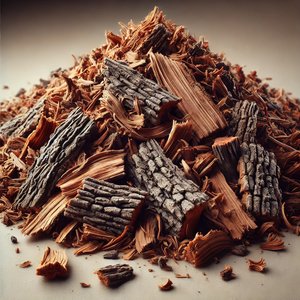
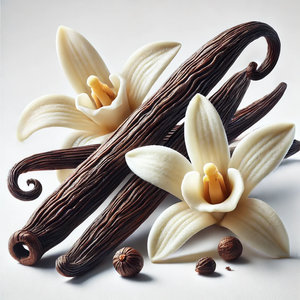
- Ingredients: Niche houses frequently use higher concentrations of natural raw materials like genuine , high-quality absolute, and rare botanicals. Designer fragrances lean more heavily on synthetic molecules like — effective, but far cheaper to source.
- Marketing overhead: A huge portion of a designer fragrance's cost goes toward celebrity endorsements and global advertising. Niche brands invest that budget into the juice itself.
- Batch size: Smaller production runs mean higher per-unit costs for niche.
The verdict: You do get more refined ingredients with niche, but you're also paying for exclusivity and brand positioning. Designer fragrances offer excellent quality-to-price ratios if you just want to smell great without breaking the bank.
Quality and Craftsmanship
This is where niche fragrance houses genuinely shine. Because their entire reputation rests on the perfume itself — not a handbag or runway collection — niche brands tend to push creative boundaries.
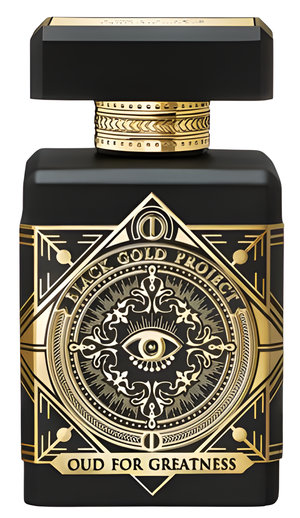
sits in an interesting middle ground. Fragrances like have niche-level complexity and pricing, yet come from a designer label. This blurring of lines is increasingly common.
On the designer side, houses like have their own prestigious perfumers and use quality ingredients — is a masterclass in refined masculinity. Designer doesn't automatically mean inferior.
The verdict: Niche generally offers more artistic depth and complexity. But the best designers hold their own against many niche offerings — especially in their premium lines.
Uniqueness and Compliments
Here's a factor that matters to many collectors: will anyone else be wearing your scent?
Designer fragrances sell millions of bottles. Walk into any office or nightclub, and you'll encounter or within minutes. That's not necessarily bad — these are crowd-pleasers for a reason — but if standing out matters to you, it's a drawback.
Niche fragrances offer a much higher chance of wearing something unique. or will turn heads precisely because most people have never encountered them before.
That said, some niche fragrances have become so popular they've lost their underground appeal. and are now nearly as recognizable as top designers in fragrance-aware circles.
The verdict: If uniqueness is your priority, dig deeper into niche — but skip the viral bestsellers if you want true exclusivity.
Availability and Accessibility
Designer fragrances win this category outright. You can walk into Sephora, Macy's, or virtually any airport and walk out with a bottle of or .
Niche fragrances often require visiting specialized retailers, brand boutiques, or ordering online — sometimes from overseas. has expanded its retail footprint, but brands like or remain harder to sample before buying.
The verdict: Designers are more convenient to discover and purchase. Niche requires more effort — but that hunt is part of the hobby for many enthusiasts.
So, Which Is Actually Worth Your Money?
There's no universal answer, but here's a practical framework:
Choose designer if you:
- Want a reliable, versatile daily fragrance
- Prefer spending under $150
- Value easy availability and the ability to test before buying
- Don't mind sharing your scent with others
Choose niche if you:
- Crave unique, complex compositions
- View fragrance as a form of self-expression or art
- Have the budget for $200+ bottles
- Enjoy the discovery process
The smartest approach? Build a collection that includes both. Start with a couple of strong designer picks — and are perennial crowd-pleasers — then branch into niche territory with something like or to add depth to your rotation.
Final Thoughts
The niche vs. designer debate isn't really about which is better — it's about what you value most. Designer fragrances deliver consistency, accessibility, and strong performance at reasonable prices. Niche fragrances offer artistry, exclusivity, and olfactory experiences you simply won't find on mainstream shelves.
The best fragrance collection tells a story about who you are. And that story is richer when it draws from both worlds.
Explore fragrances from both categories on Fragplace to start building — or expanding — your perfect scent wardrobe.
 Dior
Dior Chanel
 Versace
 Giorgio Armani
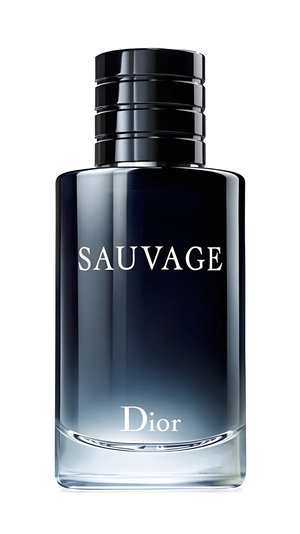 Sauvage
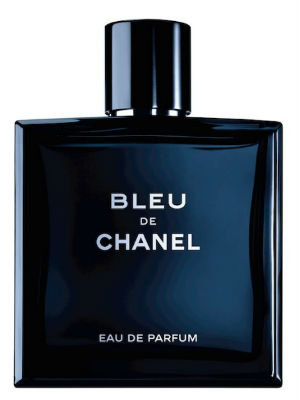 Bleu de Chanel Eau de Parfum
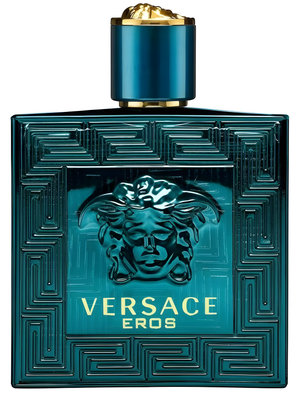 Eros
Eros Maison Francis Kurkdjian
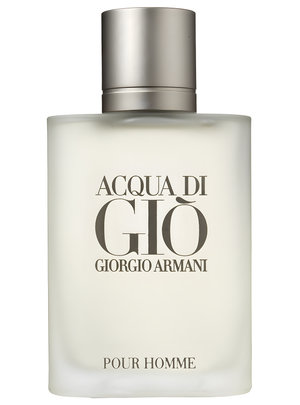 Acqua Di Gio
 Byredo
 Creed
Creed Le Labo
 Parfums de Marly
 Initio Parfums Prives
 Amouage
 Aventus
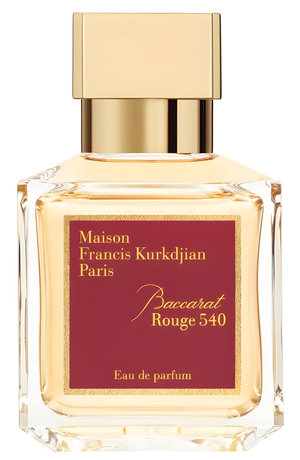 Baccarat Rouge 540
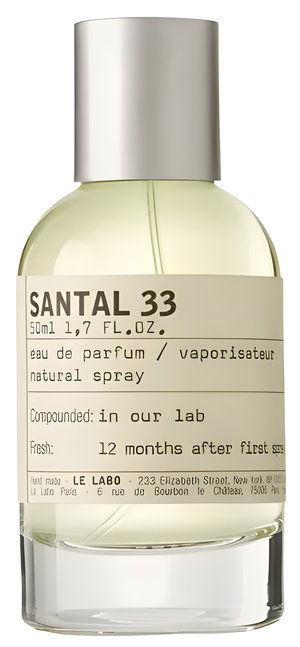 Santal 33
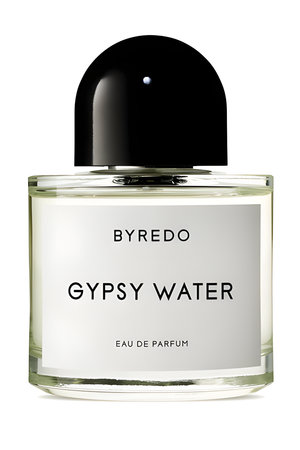 Gypsy Water
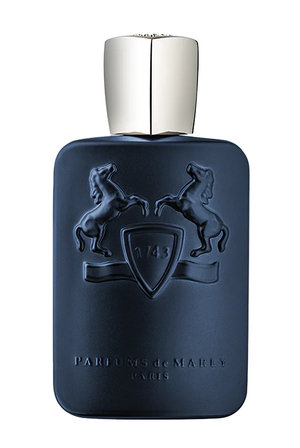 Layton
 Oud for Greatness
 Agarwood (Oud)
 Vanilla
 Tom Ford
 Ambroxan
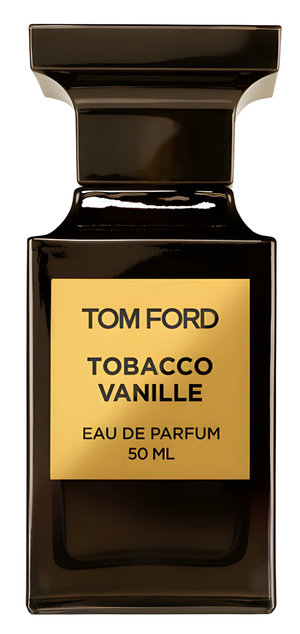 Tobacco Vanille
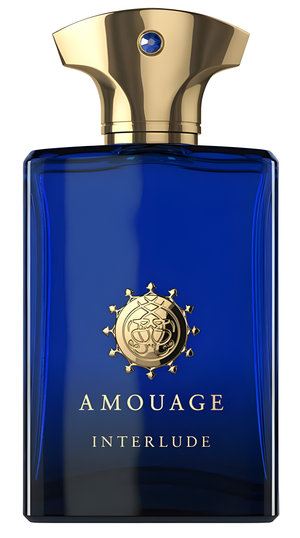 Interlude Man