Articles
Get the Fragletter
New fragrance stories and picks in your inbox. Unsubscribe anytime.
New fragrance stories and picks in your inbox. Unsubscribe anytime.
New fragrance stories and picks in your inbox. Unsubscribe anytime.
New fragrance stories and picks in your inbox. Unsubscribe anytime.
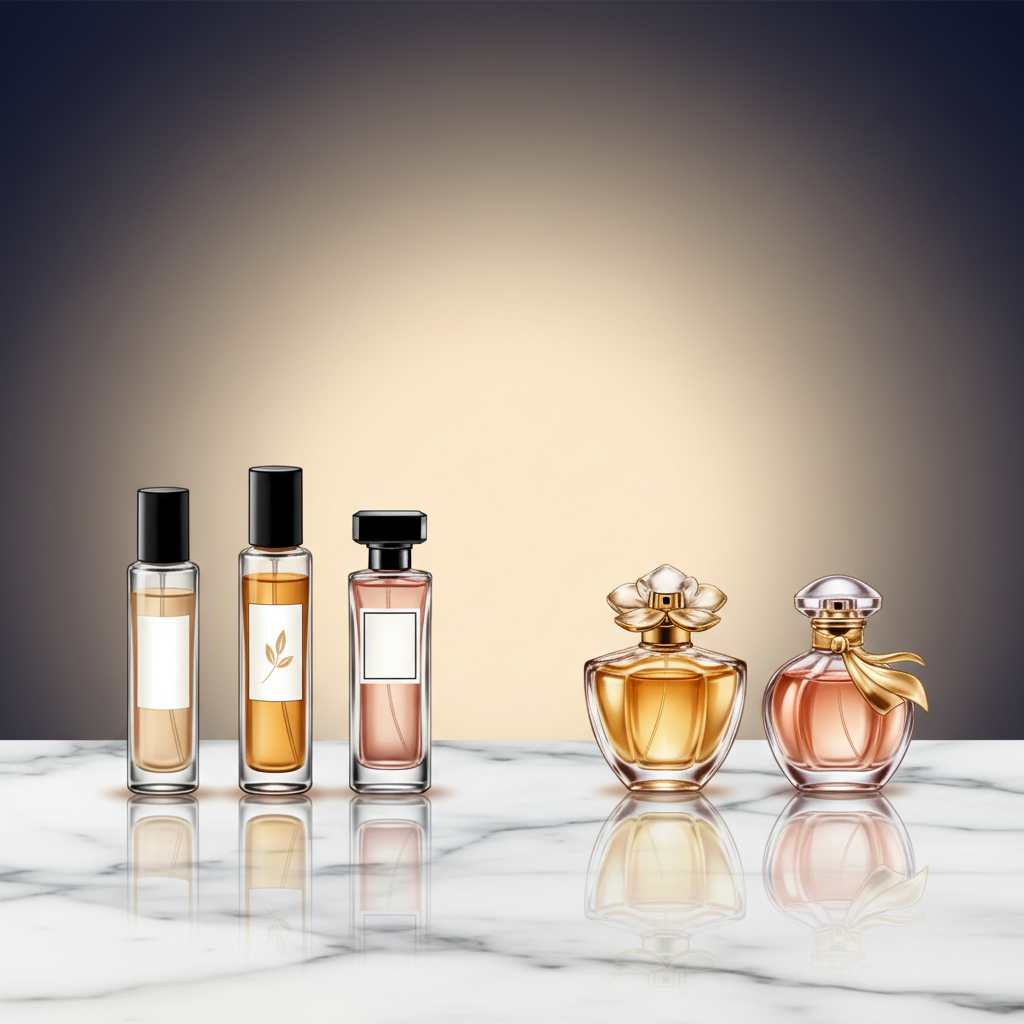
Price is the loudest argument in this debate and the least useful one. What actually separates the two categories is how much risk the perfumer was allowed to take with the brief. Here's how the trade-offs shake out.
Designer fragrances come from fashion houses that made their name on clothing, accessories or cosmetics before they made it on scent. Think , , , and . The brief is broad appeal, and the distribution is every department store you've ever walked past.
Niche fragrances come from houses that do perfumery and almost nothing else. , , , and build their entire identity around scent. Smaller batches, bolder swings, more experiments that a designer committee would have killed.
So does niche mean better? No. It means less supervised. Here's what that actually costs you.
Designer fragrances typically run $60 to $150 for a standard bottle. A 100ml of or sits comfortably in that window. Premium products, yes, but propped up by economies of scale and distribution networks big enough to keep the unit cost sane.
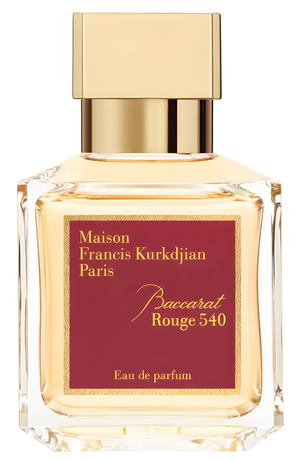
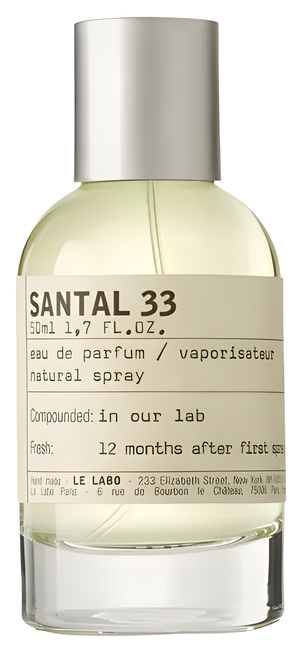
Niche starts where designer stops. A bottle of by Maison Francis Kurkdjian or by Creed can easily cost $300 or more. by Le Labo and sit in the same tier.
Why the premium? Higher concentrations of raw materials, rarer sourcing, smaller production runs. And exclusivity — which is the line item you should be most sceptical about, because you're partly paying for the people who won't be wearing it.
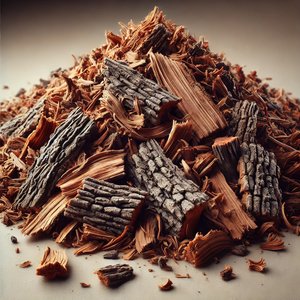
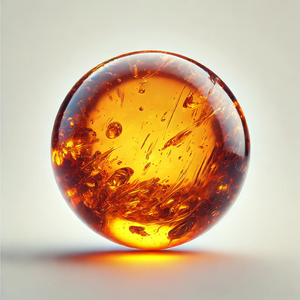
This is where the niche vs designer fragrances debate gets interesting. Niche brands lean hard on rare or premium-grade materials: , high-quality butter, natural . Any one of those can wreck a production budget, and they're staples in niche compositions.
muddies the whole distinction. Technically a fashion brand, but the Private Blend line — chief among the cult favourites — sources and composes with the ambition of a niche house. The designer-niche boundary is a marketing line, not a chemical one.
Designer houses aren't working with dregs either. Modern designer releases use high-quality synthetics and naturals that perform well. The gap is creative licence. A designer brief prioritises mass appeal, which pushes perfumers toward safer, crowd-pleasing arrangements of popular notes like , , and . Well made. Built by consensus.
If you care about not smelling like the person next to you, niche wins outright. Smaller runs and fewer retailers mean longer odds of meeting your scent twin.
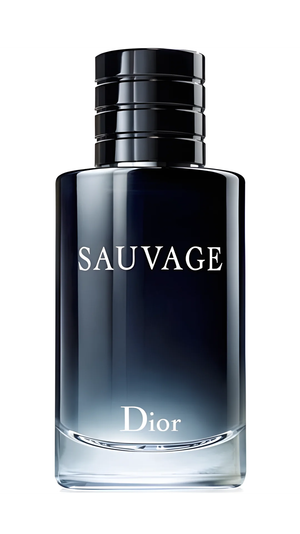
Designer fragrances are engineered for the opposite outcome. by and are beloved by millions, which is their strength and their ceiling. They'll earn you compliments. They won't make you memorable — both have long since crossed into signature-scent cliche.
Niche perfumers also go where designers won't: an entire composition built around , smoky , or a deep that keeps shifting for hours on the skin instead of settling into a pleasant hum.
The assumption that niche lasts longer is mostly folklore. Performance comes down to the concentration (EDT vs. EDP vs. Extrait), the specific materials used, and your own skin chemistry.
Plenty of designers punch well above their reputation here. Dior Sauvage is known for its powerful projection and 8+ hour longevity. Bleu de Chanel Parfum is in the same conversation. These houses run R&D budgets dedicated to consistency, and it shows.
Niche is the riskier bet. Aventus is legendary for projection and lasting power. Plenty of others trade sillage for artistry on purpose and stay close to the skin. That's a deliberate choice rather than a fault — a quiet skin scent from Le Labo or Byredo is meant to be discovered by whoever gets near you, not broadcast across a room. Just be honest with yourself about whether you want to spend $300 on something only your close company will register.
The takeaway: price doesn't buy performance. Check reviews and test on your own skin before committing. That goes double for niche, where the creative direction can land anywhere.
Every enthusiast arrives at this question eventually. The honest answer: it depends on what you value.
Choose designer if you want:
Choose niche if you want:
Most collectors who've been at it a while keep both. The designer bottle is the workhorse you reach for at 7am without thinking. The niche bottle comes out when you're dressing for yourself.
New to this? Don't start with $300 niche bottles. Buy one well-chosen designer fragrance that fits your life, wear it long enough to work out what you actually like about it, then chase that preference into niche territory.
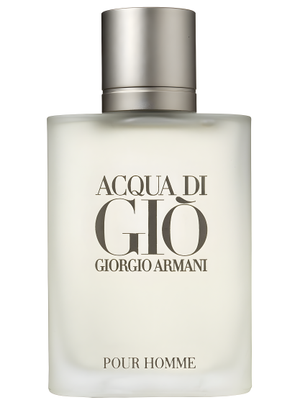
Say the fresh citrus of Acqua Di Gio is what does it for you — niche houses take and aquatic accords somewhere considerably stranger. If it's the warm spice of Versace Eros, niche offers richer, more layered readings of and .
Samples are the whole game. Maison Francis Kurkdjian, Le Labo and Byredo all offer curated sample sets that let you work through their range without a full-bottle commitment; designer brands put travel sprays and miniatures on department store counters. Use them to train your nose. Blind-buying on a hype cycle is how collections fill with bottles you resent.
The best fragrance isn't the most expensive one — it's the one you're glad you put on. An $80 designer classic can do that job as well as a $350 niche masterpiece.
Nobody wins the niche vs designer fragrances argument, because both categories produce excellent work and both produce duds. If you're building from nothing, put your money into designer first: the performance per pound is better, you can test before you buy, and a bottle you'll finish beats a bottle you'll merely admire. Move to niche once your taste is specific enough that the mass market can't serve it — that's the point where the premium starts buying you something real instead of a scarcer stockist and a heavier cap.
Start with the two benchmarks and judge the gap yourself: read the profile and community reviews for to see what designer money buys, then hold it against and decide whether the difference is worth the extra couple of hundred to you.
 Dior
Dior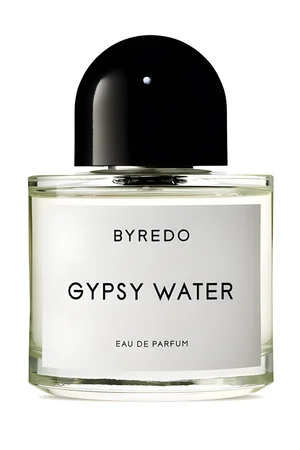 Gypsy Water
 Byredo
 Creed
Creed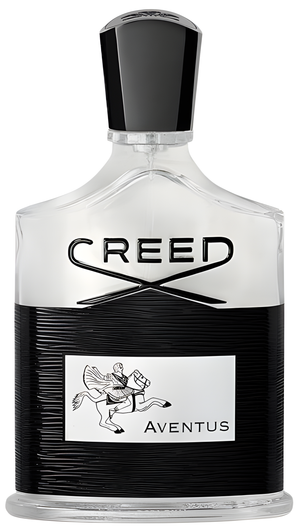 Aventus
 Yves Saint Laurent
 Chanel
 Agarwood (Oud)
 Versace
 Baccarat Rouge 540
 Tom Ford
 Le Labo
 Iris
Iris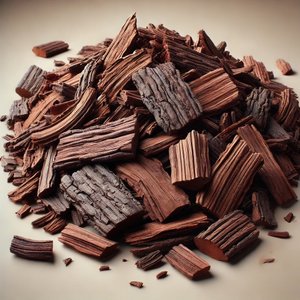 Sandalwood
 Sauvage
 Santal 33
 Maison Francis Kurkdjian
 Tobacco Vanille
 Bleu de Chanel
 Bergamot
 Amber
Amber Eros
Eros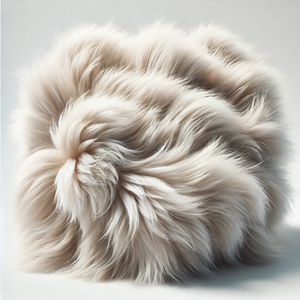 Musk
Musk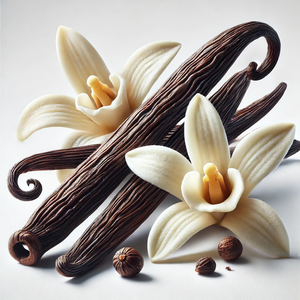 Vanilla
 Acqua Di Gio
 Giorgio Armani
 Patchouli