Articles
Get the Fragletter
New fragrance stories and picks in your inbox. Unsubscribe anytime.
New fragrance stories and picks in your inbox. Unsubscribe anytime.
New fragrance stories and picks in your inbox. Unsubscribe anytime.
New fragrance stories and picks in your inbox. Unsubscribe anytime.
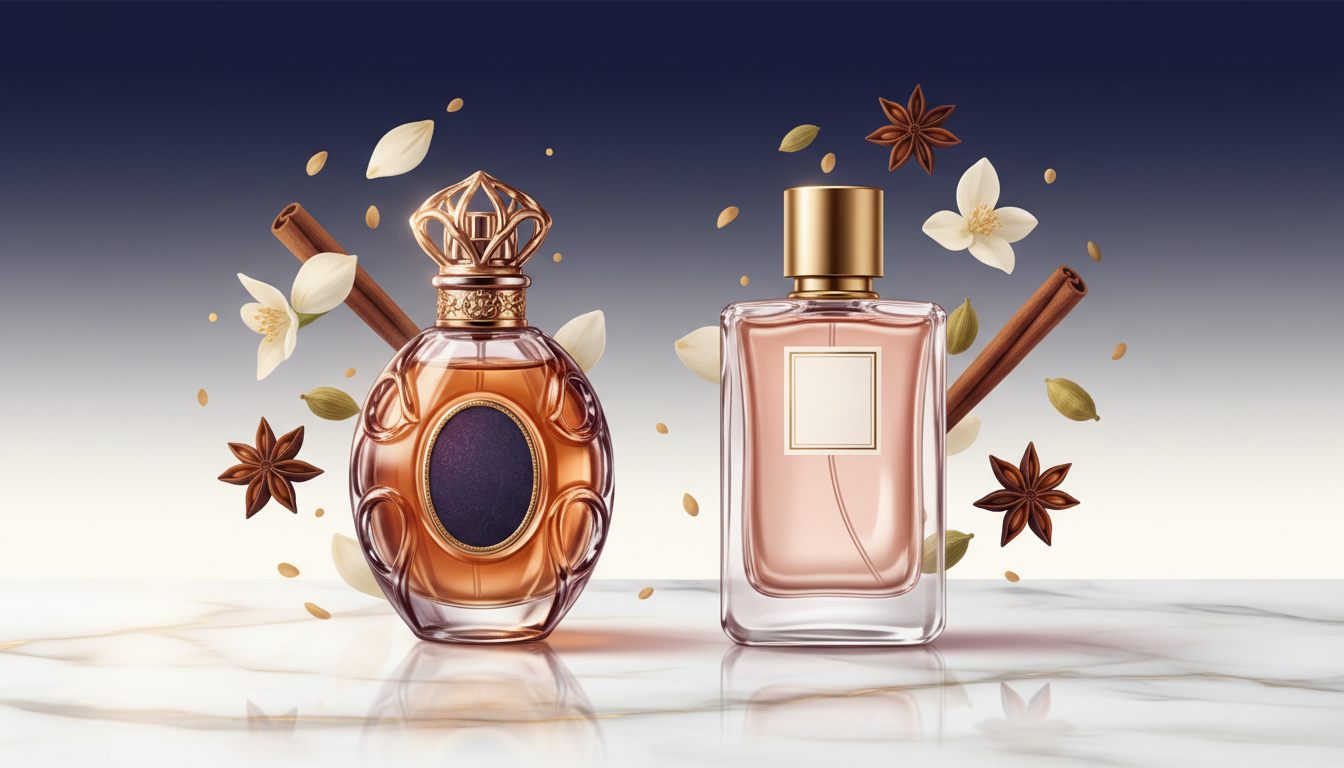
The niche versus designer argument gets settled by your budget more often than by your nose. Price buys rarity and creative risk — it doesn't buy quality, and there are dull bottles at every tier. Here's where the two camps genuinely part ways.
Walk into any department store and the same names stare back: , , . These are designer fragrances — made by fashion houses, distributed everywhere, briefed to please as many people as possible. That's not an insult. Reliable and iconic are hard to pull off.
Niche houses do one thing. , and built their whole identity on scent, which buys them rarer ingredients, smaller batches and permission to make something odd.
Better, though? Not automatically. Here's what actually differs.
Designer formulas are built to a cost so the shelf price stays competitive. Smelling cheap isn't the consequence — runs on and and performs exceptionally well. The palette is just deliberately crowd-pleasing. Nothing in it is designed to puzzle you.
Niche houses put the money into the raw materials instead. stacks and over Mediterranean honey, and that honey is what keeps it from reading as a flat sweet smoke. pushes and far enough forward that you'd recognise it blind. You can often smell that extra complexity.
"Niche lasts longer" is the weakest claim in this whole debate. Higher concentrations and potent materials help, sure, but the rule collapses on contact with the shelf. easily lasts 8+ hours on skin. is famous for projection that arrives in the room before you do.
Niche has its heavyweights too. by has legendary sillage — people will notice you from across the room, which is either the whole appeal or a liability, depending on your office. by goes all day, and it's the sitting under the vanilla that stops it turning into dessert.
Performance is a property of the bottle, not the category.
This is the one round niche wins outright. Designer fragrances sell millions of bottles a year. Wear or by and there's a real chance someone nearby has the same thing on. Sauvage in particular has become a signature-scent cliche.
Niche moves through fewer retailers and fewer wardrobes. , all creamy and , is well enough known in fashion circles that it isn't a secret anymore — but it still isn't mainstream. by holds onto a bohemian character you won't find anywhere near the designer counter.
If standing out matters to you, niche delivers.
Expensive doesn't mean better. A $30 bottle of by is one of the most beloved summer fragrances ever made. Meanwhile, some $400 niche bottles are forgettable.
What the niche premium actually covers:
That last bullet is the one to be honest about: you're buying scarcity, and scarcity has no smell. If you want to smell great with performance you can count on, and by are the value plays. If you want something personal and a bit strange, that's what niche houses are for.
This isn't a fight about which category is better — it's about what you want out of a bottle. Designers are consistent, easy to buy, and dependable. Niche houses sell artistry, scarcity and nerve.
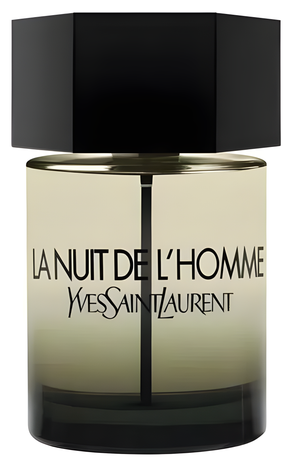
If you're choosing today, buy the designer. gives you more usable wear per pound than anything on the niche list, and you'll learn what you actually like by wearing it, not by reading about it. Go niche once you can name the notes you keep reaching for — then the price starts buying something specific instead of just buying rarity.
Start with and see how far a designer takes you. Then go find out what is making all that noise about.
 Chanel
 Maison Francis Kurkdjian
 Versace
 Le Labo
 Xerjoff
 Dior
Dior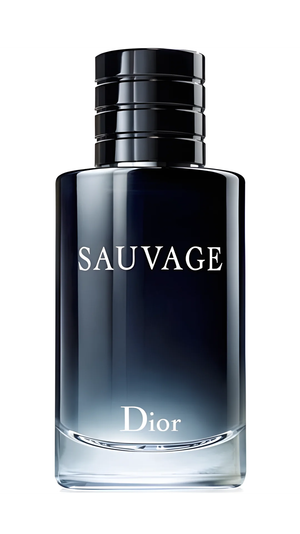 Sauvage
 Bergamot
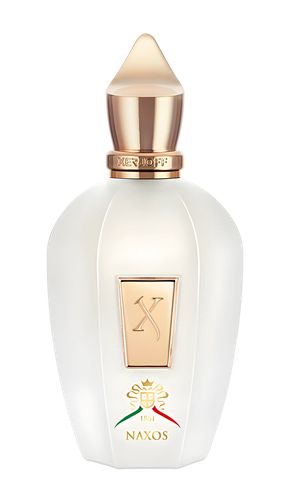 XJ 1861 Naxos
 Ambroxan
 Tobacco
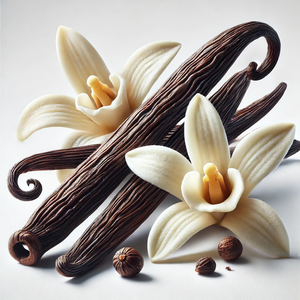 Vanilla
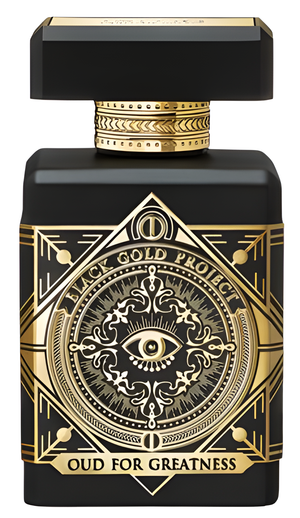 Oud for Greatness
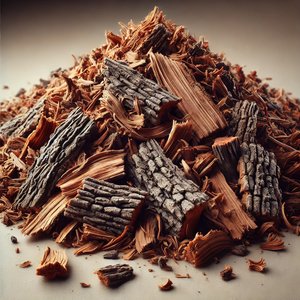 Agarwood (Oud)
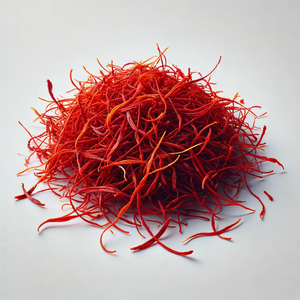 Saffron
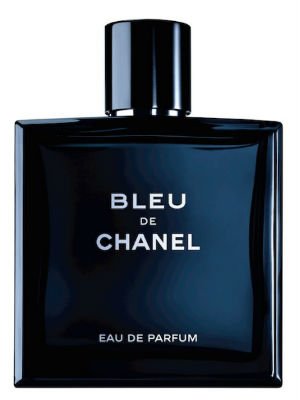 Bleu de Chanel Eau de Parfum
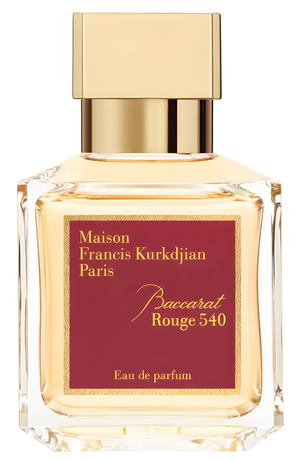 Baccarat Rouge 540
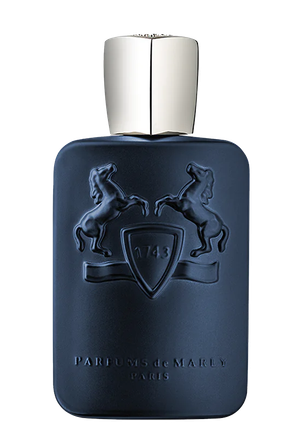 Layton
 Yves Saint Laurent
 Byredo
 Iris
Iris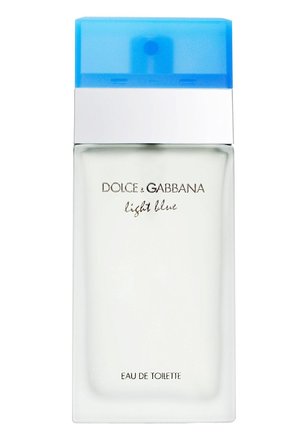 Light Blue
 Dolce&Gabbana
 Eros
Eros Musk
Musk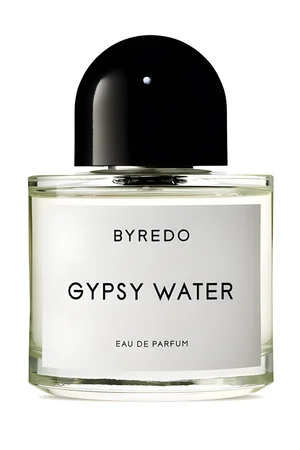 Gypsy Water
 La Nuit de l'Homme
 Creed
Creed Sandalwood
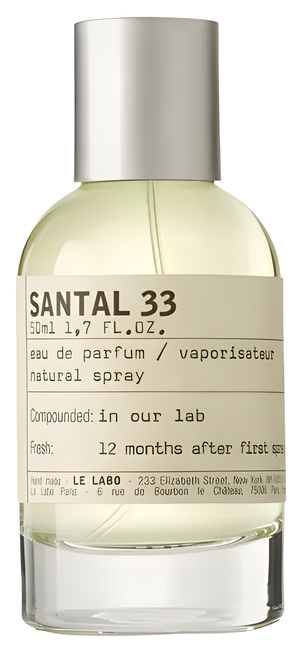 Santal 33
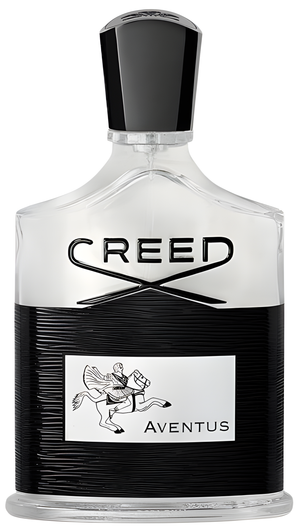 Aventus
 Parfums de Marly