Articles
Get the Fragletter
New fragrance stories and picks in your inbox. Unsubscribe anytime.
New fragrance stories and picks in your inbox. Unsubscribe anytime.
New fragrance stories and picks in your inbox. Unsubscribe anytime.
New fragrance stories and picks in your inbox. Unsubscribe anytime.
Have you ever wondered how some people seem to leave a captivating scent trail that lingers for hours? The secret often lies in fragrance layering — the art of combining two or more scents to create something uniquely yours. Whether you are new to the world of perfumery or looking to elevate your scent game, this guide will walk you through everything you need to know about layering fragrances like a pro.
Fragrance layering is the practice of wearing multiple scents at the same time to build a more complex, personalized aroma. Instead of relying on a single perfume to do all the work, you combine complementary fragrances — or scented body products — to craft a signature scent that is entirely your own.
Think of it like cooking: individual ingredients are great on their own, but the magic happens when you combine them thoughtfully.
Before you start layering, it helps to understand the main scent families. Knowing which family a fragrance belongs to makes it much easier to predict which combinations will work well together.
Fresh, zesty, and energizing. Notes like and fall into this category. Citrus scents are bright openers that pair beautifully with almost every other family.
Romantic and elegant. and are classic floral notes that add depth and femininity — though they work brilliantly in unisex combinations too.
Warm, grounding, and sophisticated. Notes like , , and provide an excellent base layer for almost any combination.
Rich, sensual, and warm. , , and create cozy, enveloping layers that add longevity and warmth.
Herbal and fresh. and similar notes bring a calming, clean quality that bridges citrus and woody families perfectly.
Not every combination works, but these pairings are tried and true starting points:
The golden rule: pair lighter, fresher notes with deeper, warmer ones. This contrast is what makes a layered scent interesting.
Ready to start experimenting? Follow these steps for your first successful layer.
Begin with an unscented or lightly scented moisturizer to hydrate your skin. Fragrance clings better to moisturized skin, which also helps it last longer. If you have a scented body lotion that matches or complements one of your fragrances, even better.
Your base should be the heavier, deeper scent — think woody or oriental fragrances. Apply it to your pulse points (wrists, neck, behind the ears). For example, a warm sandalwood-forward fragrance like by makes an excellent foundation.
Wait 30 seconds for the base to settle, then apply your lighter, brighter scent on top. This is where citrus or floral fragrances shine. Something like by can add a fresh, Mediterranean brightness over a woody base.
Do not rub your wrists together — this breaks down the fragrance molecules and changes the scent profile. Instead, let each layer dry naturally. The heat from your pulse points will do the blending for you.
Give your layered scent 10–15 minutes to develop before making a judgment. Fragrances evolve over time through their top, heart, and base notes. What you smell initially is not the final result.
Here are some real-world combinations using popular fragrances you can explore on Fragplace:
Layer by as your base, then add a light spritz of a citrus-forward scent. The woody and in Bleu de Chanel anchors beautifully while the citrus top layer adds freshness.
Start with by — a rich, dark oriental — and layer by on top. The and in Sauvage cut through the heaviness of Black Orchid, creating an intriguing contrast.
Use by as your base. Its and tones pair wonderfully with a fresh, aquatic fragrance layered lightly on top for a scent that is both cozy and clean.
Layer by over a -heavy moisturizer for a subtle, easygoing scent that works from the office to a weekend brunch.
Stick to two scents, three at most. More than that and you risk creating a muddled, confusing mess rather than a harmonious blend.
Avoid layering two heavy, dominant fragrances together. Two powerful orientals will compete rather than complement. Instead, pair contrasting families — light with heavy, fresh with warm.
An Eau de Parfum layered with an Eau de Toilette will not project evenly. Try to pair similar concentrations, or apply the stronger concentration as the base layer.
Fragrance reacts differently on everyone's skin chemistry. A combination that works for a friend might not work for you. Always test on your own skin and give it time to develop.
When layering, use fewer sprays of each fragrance than you normally would. Two or three sprays per fragrance is plenty — remember, you are building a combined scent, not doubling the intensity.
Fragrance layering is one of the most creative and rewarding aspects of the perfume hobby. There are no strict rules — only guidelines to get you started. The best layered scent is one that makes you feel confident and leaves a lasting impression.
Browse fragrances, explore individual notes, and start experimenting with your own combinations. Your signature scent is waiting to be discovered.

 Rose
Rose Vetiver
 Bergamot
 Vanilla
 Sandalwood
 Jasmine
 Cedarwood
 Tonka Bean
 Lavender
 Pepper
 Lemon
Lemon Patchouli
 Le Labo
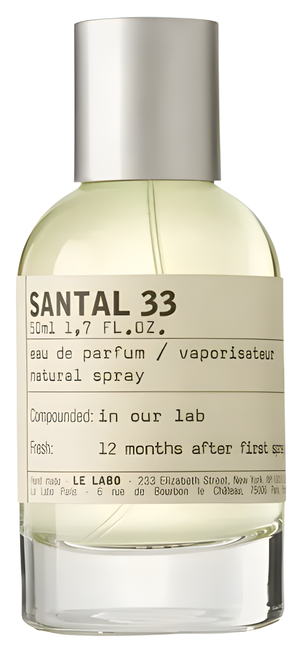 Santal 33
 Chanel
 Dior
Dior Sauvage
 Maison Francis Kurkdjian
 Musk
Musk Bleu de Chanel
 Giorgio Armani
 Amber
Amber Dolce&Gabbana
 Tom Ford
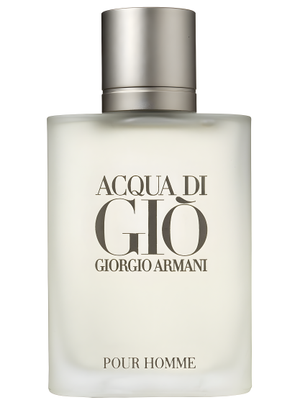 Acqua Di Gio
 Baccarat Rouge 540
 Light Blue
 Black Orchid