Articles
Get the Fragletter
New fragrance stories and picks in your inbox. Unsubscribe anytime.
New fragrance stories and picks in your inbox. Unsubscribe anytime.
New fragrance stories and picks in your inbox. Unsubscribe anytime.
New fragrance stories and picks in your inbox. Unsubscribe anytime.
The label isn't marketing decoration — it's the one number that decides how a fragrance behaves on you. EDT, EDP and Parfum all describe fragrance concentration: the percentage of perfume oil dissolved in alcohol. Get it right and you own the version of a scent that suits your life; get it wrong and you've paid a premium for something that's gone by lunch.
Perfume is oil in alcohol. The concentration tells you the ratio — how much of what's in the bottle is the scent itself. More oil buys stronger projection, longer wear and, predictably, a steeper price.
Houses routinely sell the same idea at several strengths, and they're rarely the same juice poured differently. exists as an EDT, an and a , each with its own character and staying power. Treat them as three related fragrances, not three settings of one.
At 2–4% oils, cologne is barely hanging on — and that's the point. It's a splash, not a statement.
What to expect:
Bright citrus does most of the work here: and light aromatics. built its reputation on the format, and shows that even a luxury house will go this light when the weather demands it. The honest catch is reapplication — work that into what a bottle costs you per wear.
Who it's for: People who prefer understated scents, or who want to top up through the day without imposing on anyone.
EDT is the most popular concentration worldwide, and that's no accident. It lasts long enough to justify itself and never takes over a room.
What to expect:
Plenty of icons launched here. in its original EDT form is one of the world's best-selling men's fragrances, built on that fresh, peppery opening — and it's now enough of a signature-scent cliché that wearing it says something about you whether you intended it or not. by has the opposite problem: it defined the aquatic era so thoroughly that decades of imitators make the original sound generic. It isn't.
Who it's for: Beginners, and anyone who wants a dependable daily scent without heavy sillage.
The jump from EDT to EDP is where most people feel they got their money back. Richer development, longer performance, a fragrance that's still there at dinner.
What to expect:
Base notes need time and mass to unfold, which is why , and read fuller here than in lighter concentrations that cut them short. is the clean demonstration — warmer and deeper than the EDT, and the version worth owning once the temperature drops. is perhaps the most famous EDP in history, with the full floral bouquet and the longevity to carry it.
One caveat: strong projection is a liability in a shared office. Strength isn't automatically an upgrade.
Who it's for: Enthusiasts who want their scent to last all day, and anyone dressing up for the evening.
Parfum — also called Extrait de Parfum or pure perfume — is the most concentrated form available, and the one most likely to disappoint you if you're buying it for sheer power.
What to expect:
Here's the counterintuitive part: Parfum usually projects more quietly than EDP. That higher oil ratio makes a smooth, skin-hugging scent that unfolds across hours instead of announcing itself at the door. is the case in point — richer and more refined than the EDT or EDP. , along with and , turns up in this tier often. So do the prices.
Who it's for: Collectors and connoisseurs — anyone who'd rather have depth than volume.
Three things decide it, and budget is the least interesting of them.
When a house releases the same scent at several strengths, compare them directly rather than assuming stronger means better. Line up Sauvage in EDT, EDP and Parfum, or see how and reinterpret their classics across concentrations.
If you're buying one bottle, make it an EDT — it's the format most fragrances were designed around, and the cheapest way to find out what suits you. Move to EDP when you know a scent well enough to want more of it, and keep Parfum for the one you'd call yours. Paying four figures worth of concentration for a scent you're still unsure about is the most common mistake in this hobby.
Start by comparing with its to hear what the extra oil buys. Then browse the rest on Fragplace and read what other wearers make of each concentration.
| Concentration | Oil % | Longevity | Projection | Price Range | Best For |
|---|
| Eau de Cologne | 2–4% | 1–2 hours | Faint | $ | Hot weather, quick refresh |
| Eau de Toilette | 5–15% | 3–5 hours | Moderate | $$ | Daily wear, office, beginners |
| Eau de Parfum | 15–20% | 5–8 hours | Strong | $$$ | Evenings, dates, cooler weather |
| Parfum / Extrait | 20–30% | 8–12+ hours | Intimate | $$$$ | Special occasions, signature scent |
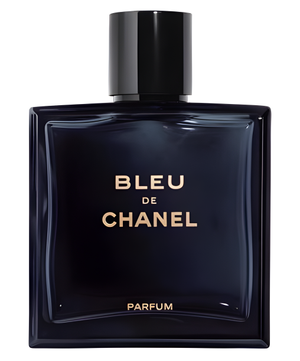 Bleu de Chanel Parfum
 Bleu de Chanel Eau de Parfum
 Bleu de Chanel
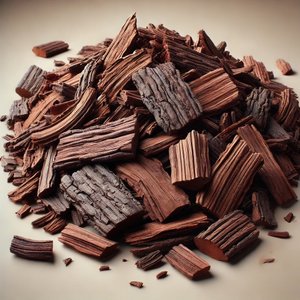 Sandalwood
 Chanel
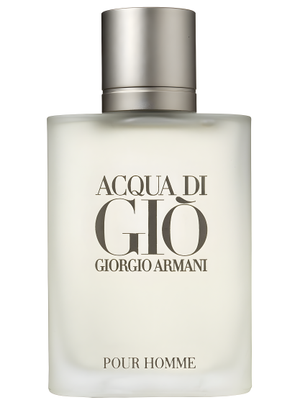 Acqua Di Gio
 Dior
Dior Bergamot
 Musk
Musk Creed
Creed Versace
 Sauvage Parfum
 Sauvage
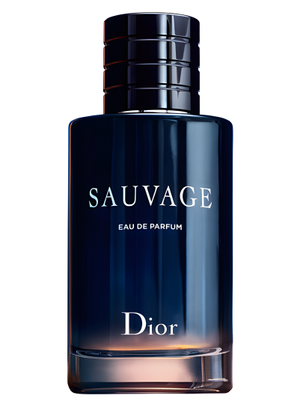 Sauvage Eau de Parfum
 Vanilla
 Tom Ford
 Chanel No 5 Eau de Parfum
 Giorgio Armani
 Chanel No 5 Eau de Cologne
 4711
4711 Chanel No 5 Parfum