Articles
Get the Fragletter
New fragrance stories and picks in your inbox. Unsubscribe anytime.
New fragrance stories and picks in your inbox. Unsubscribe anytime.
New fragrance stories and picks in your inbox. Unsubscribe anytime.
New fragrance stories and picks in your inbox. Unsubscribe anytime.
Buy Bleu de Chanel. In the Bleu de Chanel vs Sauvage decision, the Chanel is the more flexible bottle and the better-rated one: holds 4.3/5 from 20 ratings on Fragplace, against 3.93/5 from 27 ratings for . Buy Sauvage only if you specifically want to be noticed within three seconds of walking into a room.
That is the short answer, and we would defend it. But the two fragrances are not doing the same job, and the concentration you pick matters more than the house you pick. Sauvage in Elixir form scores higher than any standard Bleu de Chanel bottle. Bleu de Chanel in Parfum form scores higher than anything Dior has in this line. If you only read one more section, make it the ratings table further down.
Start with what the community tags on each. Sauvage's top accords on Fragplace run Fresh Spicy, Aromatic, Woody, Amber, Warm Spicy, Musky. Bleu de Chanel's run Woody, Warm Spicy, Musky, Amber, Aromatic, Citrus. Same raw materials family, different centre of gravity: Sauvage leads with pepper and open air, Bleu leads with wood.
Sauvage opens loud and blue-grey. Bergamot that reads more like the peel snapping than the juice, then a wash of pink and Sichuan pepper, then — and this is the whole fragrance — ambroxan. Ambroxan is a synthetic amber molecule that smells salty, mineral, slightly sweaty in a clean way, and it does not so much sit on skin as radiate off it. Underneath there's lavender and a dry geranium bitterness that keeps it from going sweet. By hour three it is essentially ambroxan and a smudge of patchouli. It smells like a very well-groomed man in a cold room. It is also, at this point, so widely worn that it functions less as a scent choice and more as a uniform.
Bleu de Chanel opens with grapefruit and lemon that feel colder and less juicy than Sauvage's bergamot, plus a green mintiness in the first ten minutes. Then it warms: pink pepper, ginger, nutmeg, and a dry incense that Chanel uses to smoke the edges of the citrus. The base is cedar and a creamy, slightly synthetic sandalwood with labdanum underneath. The whole thing reads smooth — no rough edges, no single molecule doing all the work. Where Sauvage is a shout, Bleu is a low, even hum.
If you want the vocabulary behind those descriptions — why the first spray of either tells you almost nothing about how they wear — our guide to reading a note pyramid properly covers the mechanics.
The practical difference: Sauvage is more distinctive in the first thirty minutes and less distinctive after that. Bleu de Chanel is the reverse. It is easy to overlook on a paper strip and hard to get tired of on skin.
Sauvage projects harder. Bleu de Chanel lasts about as long but stays closer.
Expect from the standard Sauvage EDT: a genuinely aggressive first two to three hours where people at arm's length will smell it whether they asked to or not, then a rapid drop to skin level, then a persistent ambroxan hum for another four to five hours. Total wear, six to eight hours. The shape is a spike, not a plateau.
Expect from the standard Bleu de Chanel EDT: moderate projection for the first hour, then a steady close-range presence for five to six hours total. It does not spike. Several people have told us Bleu "doesn't last" — usually they mean they stopped noticing it on themselves after ninety minutes, which is olfactory fatigue, not evaporation. Ask someone else.
Move up a concentration and the picture changes for both. adds body and gets you to seven or eight hours; trades some of the citrus for a much creamier sandalwood-and-tonka base and comfortably runs a full working day. is a different animal entirely — dense lavender, cinnamon, nutmeg, liquorice and a huge dose of the same ambroxan idea, thick enough that two sprays is genuinely the ceiling.
One caution on projection as a buying criterion: it is not the same thing as being noticed, and it is not the same thing as being liked. We wrote about that distinction in sillage and projection explained, and it applies squarely here. Sauvage's projection is why some people love it and why some offices quietly hate it.
Office: Bleu de Chanel, easily. One or two sprays of the EDT is close-range, unobtrusive and reads as "clean and deliberate" rather than "wearing cologne." It survives a lift, a meeting room and a shared desk without announcing itself. Sauvage EDT at the same dose will follow you down a corridor, and at four sprays — which is how most people who own it wear it — it takes over a room. If workplace wearability is your main constraint, our list of office fragrances that won't follow you into the lift has the fuller picture.
Night out: Sauvage, and it isn't close. Loud bar, cold air, moving between spaces — this is exactly the environment Sauvage was built for. The ambroxan cuts through smoke and other people's perfume in a way Bleu's smooth cedar simply does not. Bleu de Chanel in a crowded room is a fragrance only the person hugging you gets to enjoy. If that's the use case you're buying for, cross-check against our night out picks that survive a loud room.
Dates and close quarters: Bleu de Chanel Parfum. The sandalwood drydown is the warmest, most touchable thing either house makes in this line.
Hot weather: neither is ideal. Both amber up in heat and Sauvage in particular becomes shouty. Bleu de Chanel EDT is the more survivable of the two at 30°C.
Cold weather: Sauvage Elixir, then Bleu de Chanel Parfum. Both were built for coats.
Here is every bottle in both lines, with Fragplace's community numbers. Ranked by average Fragplace rating among fragrances with at least 10 ratings, as of September 2026; rows below that threshold are listed for reference but not ranked, and rows the catalogue shows as unrated carry no score at all.
Three things worth pulling out of that table.
Popularity and rating point in opposite directions. Sauvage carries a popularity score of 1300 — the highest of any row here, above Bleu de Chanel's 1115 — while scoring lowest of the rated bottles at 3.93/5. That is the signature of a fragrance that everyone has smelled, many people own, and a meaningful minority have grown tired of. Bleu de Chanel gets fewer votes and keeps them warmer.
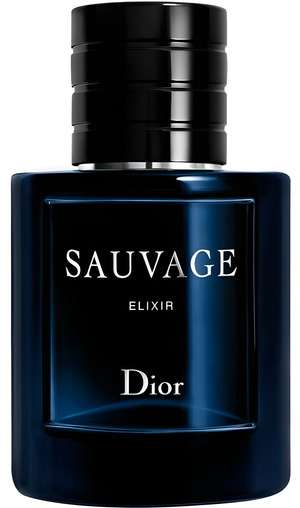
Both houses' best bottle is their most concentrated one. Bleu de Chanel Parfum at 4.7/5 from 10 ratings is the highest-scoring row on this page, and Sauvage Elixir at 4.61/5 from 23 ratings is the highest-scoring Dior. Neither is the bottle most people buy first. Sauvage Elixir's 23 ratings make it the most-voted flanker in the table by a wide margin, which is a stronger signal than the Parfum's 10.
Name collisions are real. is an unrelated fragrance with a popularity of 15 and no ratings yet, and it is a completely different scent profile — sweet, earthy and fruity rather than fresh spicy. If you're searching a marketplace rather than 's own listings, check the house name before you buy.
You can put any two of these side by side yourself with the Fragplace comparison tool, which carries the full data table for each pair — notes, accords, ratings and vote counts — without our opinion attached.
If you have decided on a house, this is the decision that actually changes what you smell like.
Choose Bleu de Chanel EDT if you want maximum versatility and the freshest opening. It's the office-safe one and the summer-safe one.
Choose Bleu de Chanel EDP if you liked the EDT but wished it stayed. It's warmer, a little more amber, and the sensible default for most buyers at 4.45/5 from 11 ratings.
Choose Bleu de Chanel Parfum if you mostly wear fragrance in the evening or in cold weather, and you want the sandalwood. It is the best-reviewed bottle on this page and the least like the version everyone knows.
Choose Sauvage EDT if you want the recognisable one and the projection. Two sprays, not four.
Choose Sauvage Elixir if you already know you like the Sauvage DNA and want it dense and spicy rather than airy. It is the only Dior in this line that beats every standard-strength Chanel here on rating.
Skip Sauvage EDP unless you've tried it — at 7 ratings it's below our ranking threshold, so treat that 4.43/5 as provisional rather than settled.
The general principle behind all of that — what the oil percentage buys you and where it stops mattering — is in our complete concentration guide.
Buy Bleu de Chanel if you want one bottle that works Monday to Friday, if you don't want to smell like a category, and if you'd rather be complimented at conversational distance than noticed across a room. It's the safer buy and the higher-rated one.
Buy Sauvage if you want immediate impact, if you're mostly wearing fragrance at night and in cold weather, and if the fact that it's everywhere genuinely doesn't bother you. It performs. The 3.93/5 is a verdict on ubiquity as much as on the juice.
And if you're torn: neither is expensive enough to justify a blind buy, and both are trivially easy to find in decant form. Get 2ml of each, wear them on separate days, and log what you actually reach for — that's what scent of the day tracking is for. A week of real wear settles this argument better than any article, including this one.
By Fragplace's community numbers, yes: Bleu de Chanel scores 4.3/5 from 20 ratings against Sauvage's 3.93/5 from 27 ratings. Bleu is smoother, more office-appropriate and less common. Sauvage projects harder and is the better choice for nights out and cold weather. Neither is a bad bottle.
Roughly the same total wear time — six to eight hours for both standard EDTs — but the shape differs. Sauvage spikes hard for two to three hours then drops to a skin hum. Bleu de Chanel stays at a steady, closer level throughout. For genuine all-day wear, move up to Bleu de Chanel Parfum or Sauvage Elixir.
They share a family resemblance — citrus opening, peppery heart, ambery-woody base — which is why people compare them. But Sauvage is built around ambroxan and reads mineral and airy, while Bleu de Chanel is built around cedar, incense and sandalwood and reads smoky and smooth. Side by side, nobody confuses them.
Sauvage, in absolute terms, because it projects further and more people recognise it. Bleu de Chanel gets fewer comments but more of them are surprised ones, since fewer people can name it. If compliments are the goal, Sauvage Elixir at 4.61/5 from 23 ratings is the strongest performer in either line.
Yes, if you want what it does. Its 3.93/5 rating alongside a popularity score of 1300 says it is enormously well known and somewhat over-worn, not that it smells bad. If ubiquity bothers you, Sauvage Elixir gives you the same DNA in a form far fewer people own.
| Fragrance | Fragplace rating | Ratings | Popularity | Leading accords |
|---|
| 4.7/5 | 10 | 784 | Aromatic, Woody, Fresh Spicy | |
| 4.61/5 | 23 | 823 | Warm Spicy, Woody, Aromatic | |
| 4.45/5 | 11 | 895 | Woody, Amber, Warm Spicy | |
| 4.3/5 | 20 | 1115 | Woody, Warm Spicy, Musky | |
| 3.93/5 | 27 | 1300 | Fresh Spicy, Aromatic, Woody | |
| 4.43/5 (7 ratings — below threshold) | 7 | 583 | Fresh Spicy, Citrus, Aromatic | |
| No ratings yet | — | 189 | Citrus, Vanilla, Aromatic | |
| No ratings yet | — | 15 | Sweet, Earthy, Fruity |
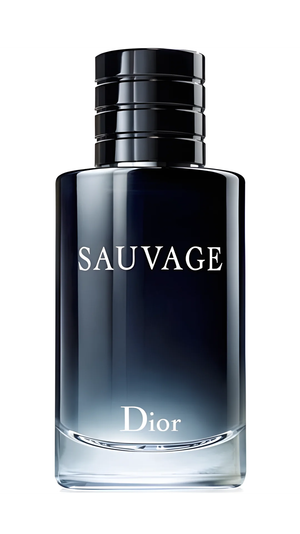 Sauvage
 Bleu de Chanel
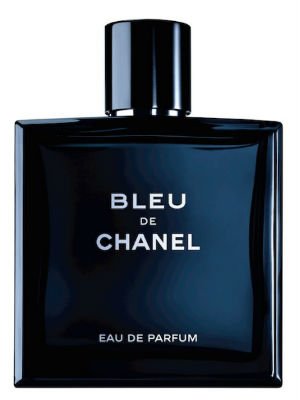 Bleu de Chanel Eau de Parfum
 Sauvage
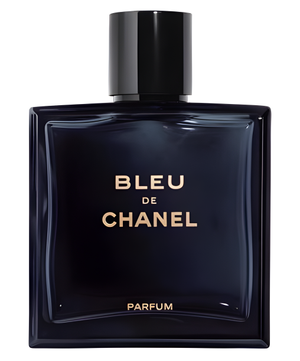 Bleu de Chanel Parfum
 Sauvage Elixir
 Dior
Dior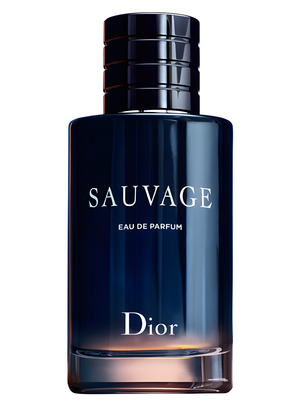 Sauvage Eau de Parfum
 Sauvage Parfum