Articles
احصل على Fragletter
قصص واختيارات عطرية جديدة في بريدك. يمكنك إلغاء الاشتراك في أي وقت.
قصص واختيارات عطرية جديدة في بريدك. يمكنك إلغاء الاشتراك في أي وقت.
قصص واختيارات عطرية جديدة في بريدك. يمكنك إلغاء الاشتراك في أي وقت.
قصص واختيارات عطرية جديدة في بريدك. يمكنك إلغاء الاشتراك في أي وقت.
Most people judge a perfume on the first ten seconds, which is the worst possible moment to judge one. A fragrance is built in layers that arrive on a schedule, and the part you'll actually live with is the part the shop counter never shows you. Learn how that schedule works and you stop wasting money.
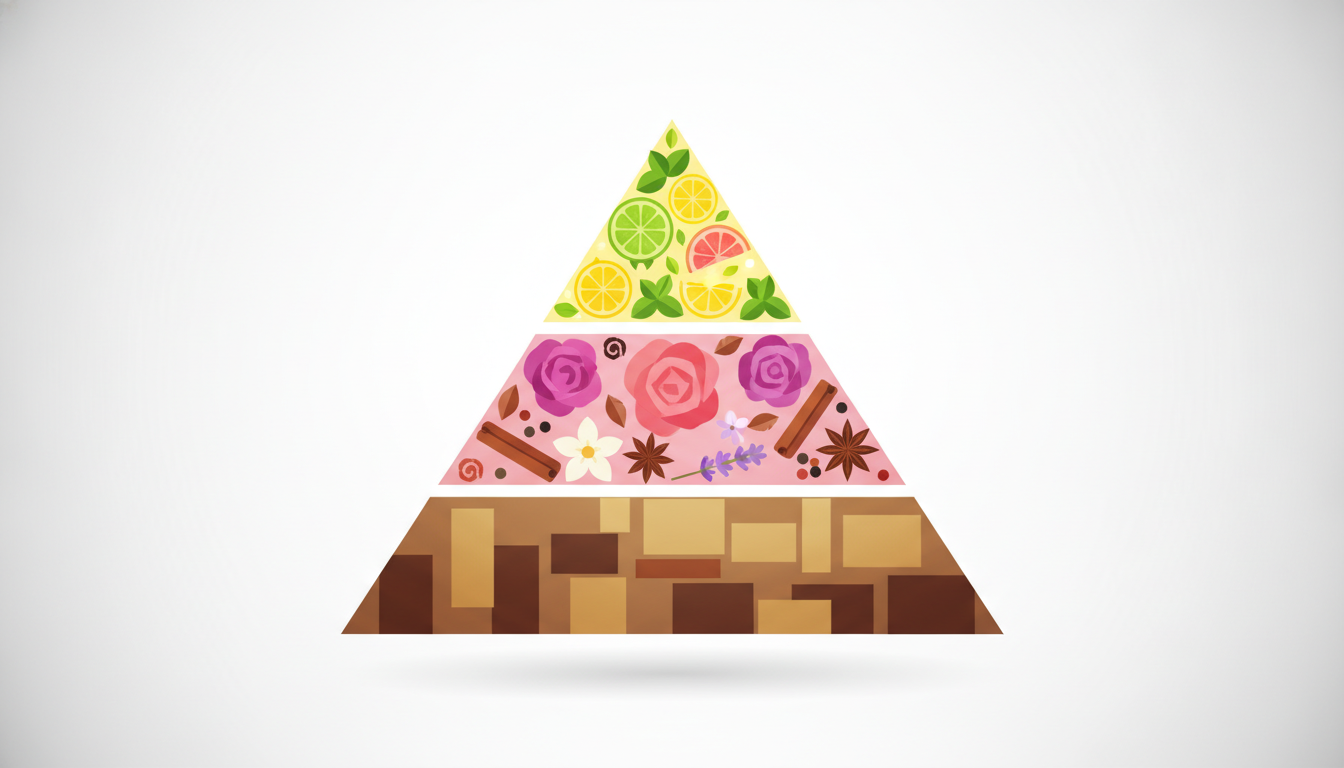
The pyramid is the perfumer's running order. It splits a scent into three layers — top, heart, and base — each timed to show up at a different stage of wear: the opening grabs you, the middle carries the character, the base holds everything down and keeps it there.
That structure is why a perfume can smell like cut citrus at the till and like sawn wood by the time you get home. Each layer has a job.
Top notes are what hits you the second you spray. They're light, volatile molecules that burn off fast — typically 15 to 30 minutes — and their whole purpose is seduction. They're the trailer, not the film.
Top notes set the tone and then abandon you. Never buy on the first spray — the good part usually hasn't arrived yet.
Heart notes (or middle notes) surface as the opening thins out, usually 20 to 60 minutes in, and hold for two to four hours. This is the layer other people meet. When someone says they recognise a scent on you, they mean this.
The heart is where the perfumer's hand shows. It decides whether a scent reads floral, spicy, fruity, or something you can't name.
Base notes are the heaviest molecules in the bottle. They start emerging after about 30 minutes and can hold for four to eight hours or more, sometimes sitting on a jumper for days. They're the depth, the warmth, and the trail (sillage) people notice as you walk past.
The base is why a fragrance can transform between first spray and dry-down. It's also what decides longevity: load a formula with base notes and it stays put.
Spray, and you're smelling the lightest molecules first. As those evaporate, the heavier heart and base notes take over. That progression is the "dry-down", and it's the only part worth an opinion.
Which is why counter testing is close to useless. A quick sniff at a shop gets you the top notes and nothing else. Spray it on your skin, walk away, and come back at one, two and four hours. That's where a great fragrance separates itself from a mediocre one — and where a lot of hyped bottles quietly fall apart.
by is the obvious case. It opens with bright citrus and mint, but its real character — and — doesn't turn up until after the first hour. Judge it at the counter and you're judging a different perfume.
Not every fragrance uses the pyramid the same way:
Evolving fragrances move through distinct phases. Hour one and hour four are different scents. They're the more interesting wear, and the more demanding one. by is the textbook example — fruity pineapple and birch up top, then a smoky, musky base underneath.
Linear fragrances smell much the same from spray to fade. Predictable, and useful for it. Plenty of modern designer releases lean linear on purpose: they're engineered for broad appeal, which is another way of saying they're engineered to offend nobody.
Neither is better, whatever the forums tell you. Want surprises? Go evolving. Want a scent you can put on before a long day and forget about? Linear is your friend.
Knowing the pyramid turns guesswork into something closer to a system:
One rule beats every other piece of advice here: judge the dry-down, not the opening. Perfume marketing sells you the first ten seconds because that's the cheapest part to make impressive, and the pyramid is how you see past it.
Start from a note you already trust — , say, or — and browse fragrances by that note on Fragplace. Then pull up a full breakdown, like the one on , and check it against what's already in your collection before you spend anything.
 Mandarin Orange
 Bergamot
 Grapefruit
 Neroli
 Lemon
Lemon Ylang-Ylang
 Iris
Iris Rose
Rose Sandalwood
 Vanilla
 Jasmine
 Lavender
 Amber
Amber Cedarwood
 Agarwood (Oud)
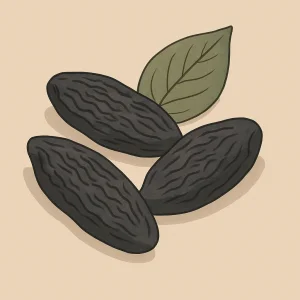 Tonka Bean
 Creed
Creed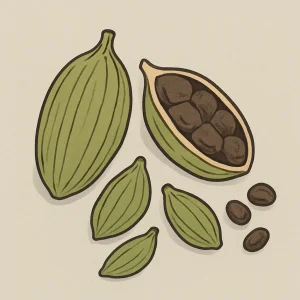 Cardamom
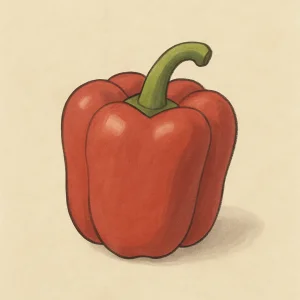 Pepper
 Vetiver
 Chanel
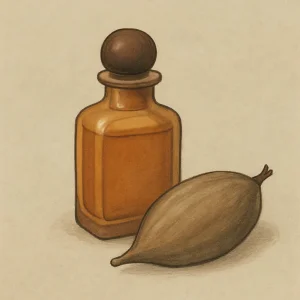 Musk
Musk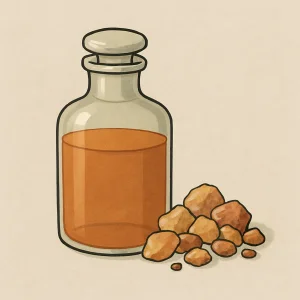 Benzoin
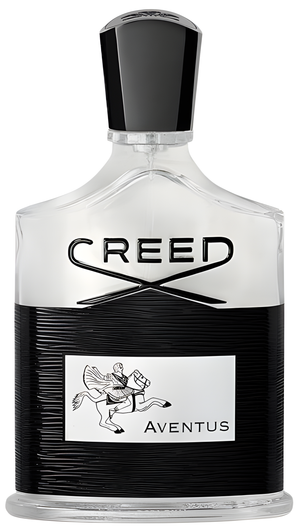 Aventus
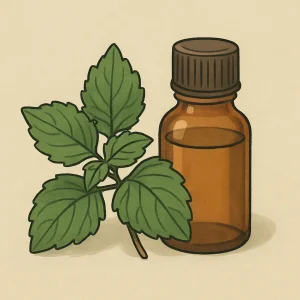 Patchouli
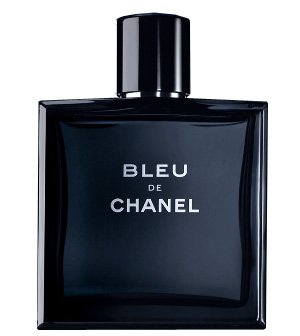 Bleu de Chanel