Articles
احصل على Fragletter
قصص واختيارات عطرية جديدة في بريدك. يمكنك إلغاء الاشتراك في أي وقت.
قصص واختيارات عطرية جديدة في بريدك. يمكنك إلغاء الاشتراك في أي وقت.
قصص واختيارات عطرية جديدة في بريدك. يمكنك إلغاء الاشتراك في أي وقت.
قصص واختيارات عطرية جديدة في بريدك. يمكنك إلغاء الاشتراك في أي وقت.
Western perfumery spent a century catching up to something the Gulf never had to learn: that smoke, resin and oud belong on skin. Arabic perfumery isn't riding the current oud boom — it's the older tradition that boom borrowed from, built around bakhoor drifting through a majlis and attars pressed into the wrist. Understand how it works and a whole category of scent stops smelling strange and starts making sense.
These are the raw materials the region has traded for millennia, and none of them are shy.
, commonly known as oud, is the ingredient everything else here orbits. It forms when the Aquilaria tree becomes infected with a specific mould, and the resinous heartwood that results runs dark — smoky and animalic at one end, sweet and honeyed at the other. In the Gulf states it isn't a note so much as an institution. Pure oud oil can cost thousands of dollars per ounce, which is why most of what gets marketed as oud elsewhere is a synthetic impression of the real thing rather than the material itself.
The , grown in the mountains of Saudi Arabia, is the one that matters in this tradition. Richer and more honeyed than its Damascene cousin, Taif gets paired with oud so relentlessly that the combination has become shorthand for Arabian fragrance — a cliché by now, but a cliché that keeps earning its place.
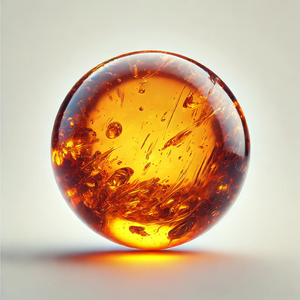
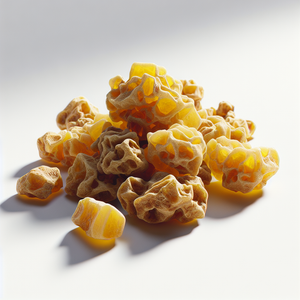
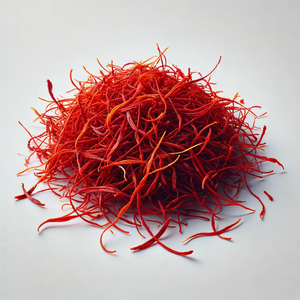
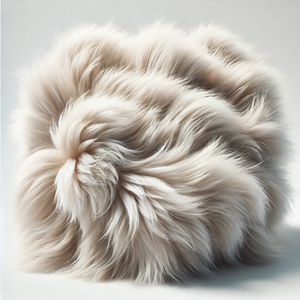
does the structural work: it's the resinous golden glow sitting under a lot of traditional compositions, the thing that stops all that smoke turning cold. — historically taken from the musk deer, now largely synthetic — supplies the clean, skin-like part. , the world's most expensive spice, adds a metallic, honeyed luminosity that's the fastest tell you're smelling something Middle Eastern.
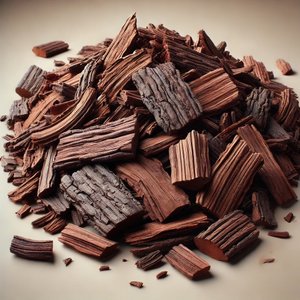
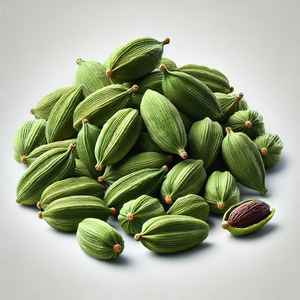
Round it out with for creamy warmth, for sacred smoke, and for aromatic lift.
Format carries more weight here than in the West, where nearly everything arrives as an alcohol spray.
Attars are concentrated perfume oils distilled from natural botanicals into a oil base. Applied straight to pulse points, they sit close to the skin and unfold over hours instead of announcing themselves across a room. No harsh alcohol dry-down either — if the first few minutes of a spray fragrance are usually the part you tolerate rather than enjoy, this format removes the problem entirely.
Bakhoor is scented wood chips or bricks soaked in fragrant oils and resins. Set on hot charcoal in a mabkhara — the traditional burner — it throws thick aromatic smoke that perfumes homes, clothing and hair. Guests are met with that haze as a matter of hospitality. It's a greeting, not a room spray.
A mukhallat is a blended perfume oil, the Arabian answer to a complex Western composition but built entirely in oil. Expect oud, rose, and layered into something dense and multi-faceted. Where a Western pyramid wants a clean arc from top to base, a mukhallat is content to sit in one deep chord and stay there.
The souks of Dubai, Muscat and Riyadh still run on attar merchants. These are the houses that carried the style abroad.
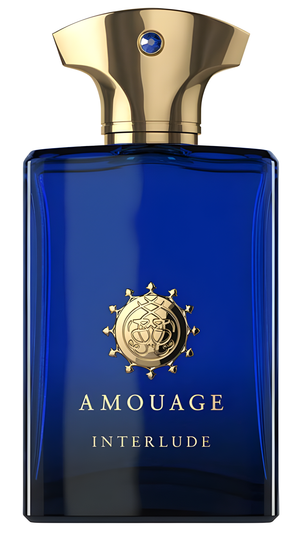
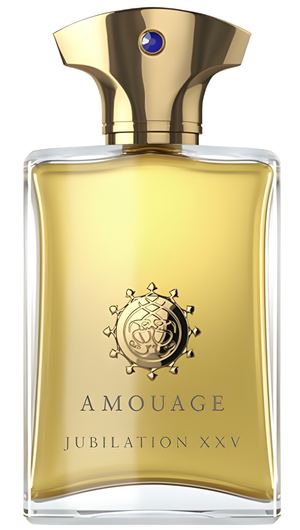
, founded in 1983 in Oman by royal decree, sits at the prestige end of this entire conversation, marrying traditional Arabian materials to Western perfumery technique. is controlled chaos — smoky and oud colliding with oregano and amber — and it's either the most interesting bottle in a wardrobe or the one nobody reaches for on a Tuesday morning. is the easier sell: blackberry, and , opulent in the way that epitomises the house. Neither is cheap. Neither pretends otherwise.
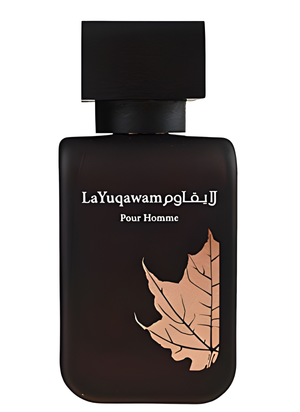
has been pairing Swiss precision with Arabian artistry since 1974. is the one people keep recommending to newcomers — oud-forward, with and — and at its price it's the sane way to find out whether this style suits you before spending Amouage money.
, UAE-based and founded in 1979, built its name on luxurious compositions at approachable prices. has a devoted following for its oud, and spices. Devoted followings can run hot; this one's earned its noise.
is one of the oldest perfume families in the Gulf, trading oud and attars for generations — a house that was doing this long before anyone outside the region thought to pay attention. is the world's largest retailer of Arabian fragrances, with hundreds of stores across the Middle East and a catalogue running from pure oud oils to modern eau de parfums. That kind of breadth always means uneven quality, so go in with a shortlist rather than an open mind.
New to Middle Eastern fragrance? Start here.
Arabic perfumery isn't a museum piece. Oud's surge through Western releases, the growing appetite for oil-based formats, the niche Arabian houses now stocked internationally — it all points one way. The Middle East has known this for centuries; everyone else is arriving late and calling it a discovery.
Whichever route in appeals — the sacred smoke of , the opulent warmth of and , or the depth of itself — this is a tradition that pays back curiosity.
The verdict: begin cheap and specific rather than expensive and reverent. Shaghaf Oud tells you quickly whether rose-oud is your language, and Reflection Man is the buy if you want the polish without the smoke — leave Interlude Man until you're certain. Attars and bakhoor are worth the detour, but they reward patience more than impulse.
Browse Middle Eastern fragrances on Fragplace to see what these houses are putting out now, then pick a lane: if the budget stretches, if it doesn't.
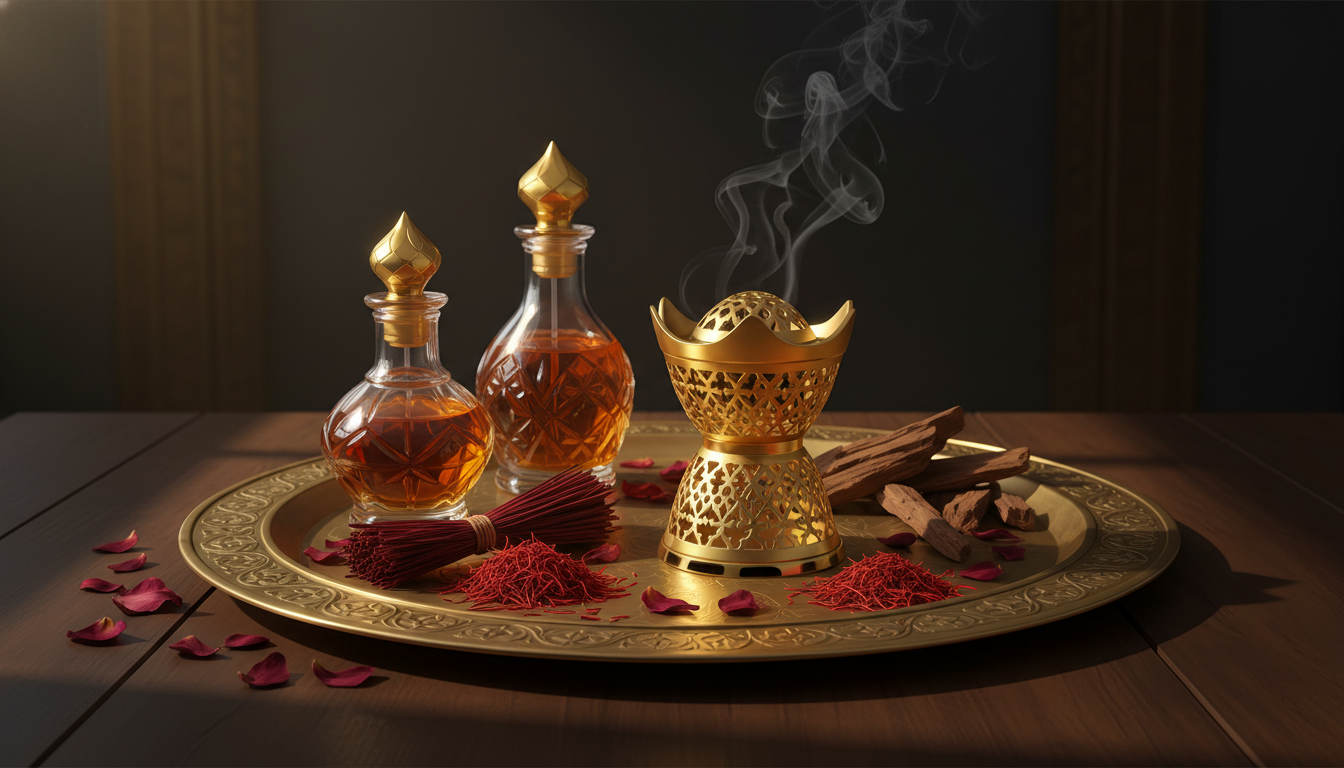
 Arabian Oud
 Amouage
 Ajmal
Ajmal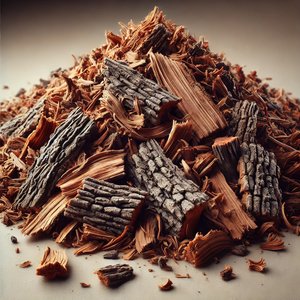 Agarwood (Oud)
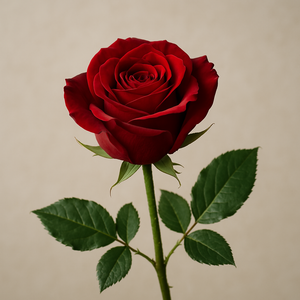 Rose
Rose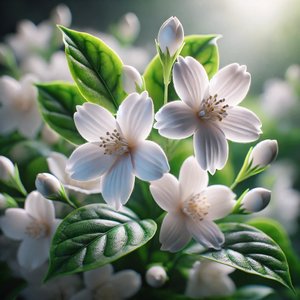 Jasmine
 Amber
Amber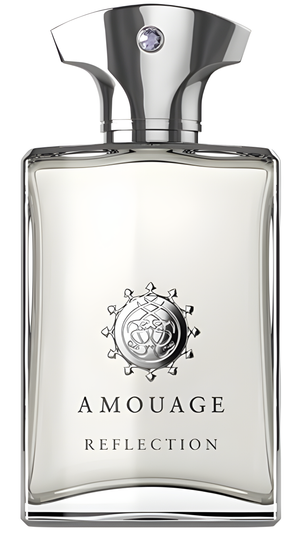 Reflection Man
 Sandalwood
 Rasasi
 Frankincense
 Saffron
 Musk
Musk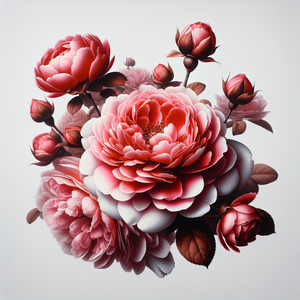 Taif Rose
 Incense
 Cardamom
 Shaghaf Oud
 La Yuqawam Homme
 Interlude Man
 Swiss Arabian
 Jubilation XXV Man