Articles
Get the Fragletter
New fragrance stories and picks in your inbox. Unsubscribe anytime.
New fragrance stories and picks in your inbox. Unsubscribe anytime.
New fragrance stories and picks in your inbox. Unsubscribe anytime.
New fragrance stories and picks in your inbox. Unsubscribe anytime.
Most people who love fine fragrances still get oud’s origins wrong, with many mistaking it for a simple wood extract rather than a rare reaction from Aquilaria trees. For Middle Eastern collectors, understanding oud means appreciating its roots in ancient India, its spiritual meaning, and the complex perfume market where british perfumers have left their mark. This guide uncovers the intricate world of oud, revealing key facts, regional differences, and practical tips for anyone passionate about authentic scent experiences.
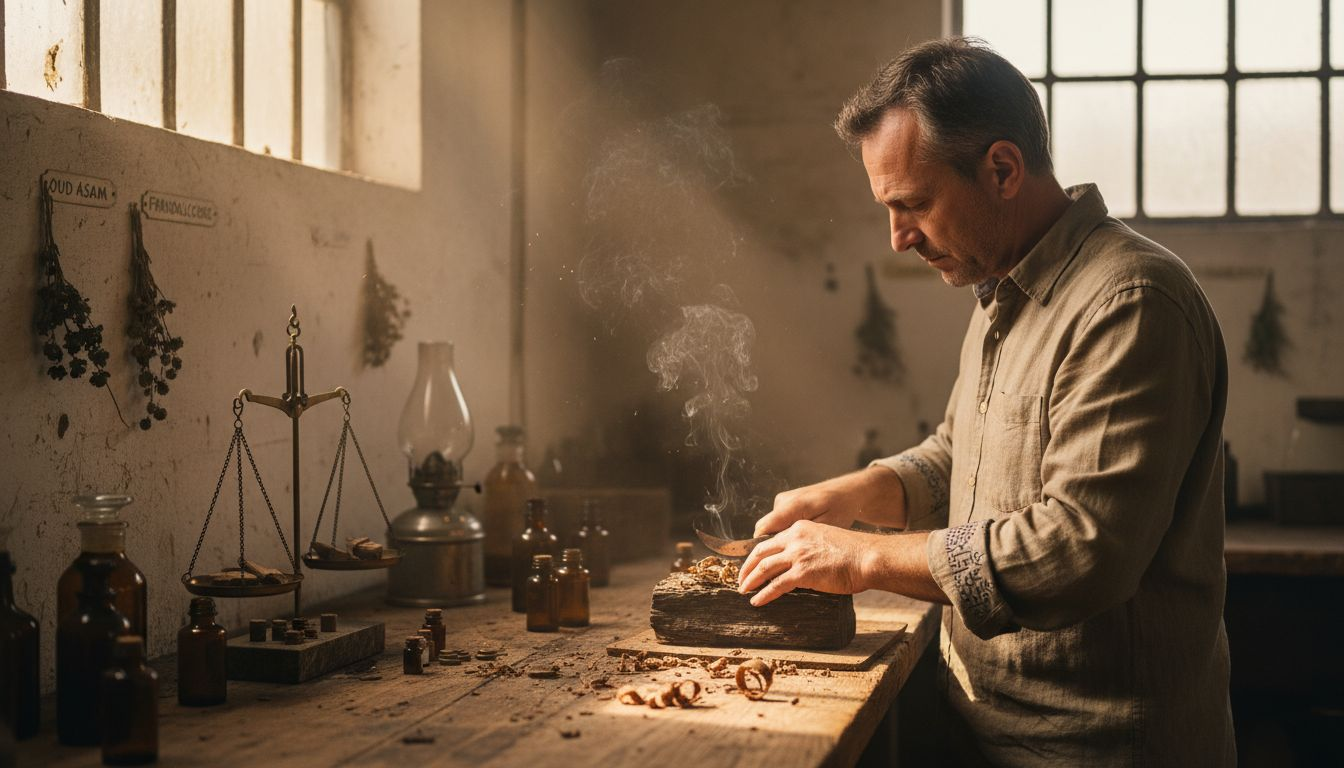
Oud represents one of perfumery's most enigmatic and luxurious raw materials, sourced from the resinous heartwood of specific Aquilaria tree species found in Southeast Asia. These trees produce an extraordinary aromatic substance when infected by a particular type of fungus, creating a complex resin that has captivated cultures for thousands of years. Origins of this remarkable fragrance material trace back to ancient India around 2000 BCE, where it was prized not just for its scent but for significant medicinal and ritualistic purposes.
Contrary to popular misconception, oud is not simply a wood extract but a rare biological response to environmental stress. When certain Aquilaria trees experience fungal infection, they produce a dark, intensely fragrant resin as a defence mechanism. This resin transforms the tree's pale, odourless wood into a dense, richly scented substance that forms the basis of one of perfumery's most expensive raw materials. The rarity of infected trees means that genuine oud is extraordinarily scarce, with only a small percentage of Aquilaria trees producing this remarkable resin.
The cultural significance of oud extends far beyond its olfactory qualities. In Middle Eastern traditions, oud has been a symbol of luxury, spirituality, and social status for centuries. It is burned as incense during religious ceremonies, used in traditional medicine, and considered a mark of hospitality and refined taste. Perfumers worldwide have long recognised oud's unique characteristics: a complex aroma that combines woody, smoky, and slightly animalic notes that cannot be replicated by synthetic alternatives.
Expert Tip: When evaluating oud fragrances, look for authenticity by checking the origin of the oud and understanding the difference between genuine agarwood resin and synthetic recreations.
Oud is not a monolithic fragrance but a complex sensory experience with remarkable variation across different regions and extraction methods. Agarwood oud exhibits nuanced scent profiles that range dramatically depending on factors like geographic origin, tree age, and harvesting technique. Southeast Asian producers like Assam, Cambodia, Laos, Thailand, and Malaysia each contribute distinctive aromatic characteristics that make each oud oil uniquely compelling.
The scent spectrum of oud is astonishingly diverse, encompassing notes that can seem almost contradictory. High-quality oud oils might present an intricate symphony of aromas - from deep, smoky undertones reminiscent of aged leather to surprisingly sweet balsamic hints that evoke amber and dark fruit. Some variations lean towards a barnyard-like earthiness, while others reveal delicate nuances of wood, resin, and subtle animalic warmth. This complexity explains why oud remains a prized ingredient among perfumers seeking to create truly distinctive fragrances.
Traditionally, oud is categorised into several grades based on purity, origin, and extraction method. Wild-harvested oud from ancient trees represents the pinnacle of quality, commanding astronomical prices due to its rarity and depth of character. Cultivated oud, by contrast, offers more consistent but less complex aromatic profiles. Perfumers often blend different oud types to create multi-dimensional fragrances that capture the material's inherent mystique and sensory richness.
Pro Tip: When exploring oud fragrances, sample varieties from different regions to appreciate the remarkable diversity of this extraordinary aromatic treasure.
Here is a summary of regional oud scent profiles and their unique characteristics:
Oud extraction represents a fascinating journey from ancient artisanal techniques to cutting-edge technological processes. Oud extraction traditionally involves harvesting resin-infused heartwood from Aquilaria trees deliberately infected by specific fungi, which trigger a remarkable natural defence mechanism producing the precious aromatic resin. Historical methods emphasised slow, meticulous hydrodistillation processes that could take weeks, with skilled artisans carefully monitoring each stage of extraction to preserve the delicate aromatic compounds.
Modern extraction techniques have revolutionised oud production, introducing sophisticated methods that balance efficiency with quality preservation. Steam distillation and supercritical CO₂ extraction technologies now enable producers to capture more nuanced aromatic profiles while significantly reducing production time. These advanced techniques allow for more consistent quality control, enabling manufacturers to create pure oud oils with minimal degradation of the complex molecular structures that give oud its distinctive character. Some innovative approaches even involve artificial tree inoculation, which helps reduce pressure on wild Aquilaria populations and creates more sustainable production models.
The evolution of oud extraction represents a delicate balance between respecting traditional craftsmanship and embracing technological innovation. While modern methods offer unprecedented precision, many connoisseurs still value the depth and complexity of traditionally extracted oud. Some premium producers now employ hybrid protocols that combine ancestral knowledge with contemporary scientific techniques, creating extraction methods that honour the material's rich heritage while meeting contemporary quality standards. This approach ensures that the mystique and complexity of oud remain intact, even as production methods become increasingly sophisticated.
Pro Tip: When purchasing oud, inquire about the extraction method to understand the nuances of its production and appreciate the craftsmanship behind this extraordinary aromatic treasure.
The following table compares traditional and modern oud extraction methods:
Oud transcends mere fragrance, serving as a profound cultural artifact that weaves through the social, spiritual, and artistic tapestry of civilisations across Asia, the Middle East, and Africa. Its significance stretches far beyond a simple aromatic substance, representing a complex symbol of identity, connection, and cultural expression. From royal courts to intimate family gatherings, oud has been a silent narrator of human traditions, carrying stories of hospitality, spirituality, and social connection across generations.
In the Middle Eastern cultural landscape, oud embodies deep symbolic meaning, particularly in social and religious contexts. It is intrinsically linked to notions of honor, respect, and hospitality, with its burning serving as a gesture of welcome and reverence. Religious ceremonies, family celebrations, and important social gatherings are often marked by the distinctive fragrance of oud, transforming these moments into sensory experiences that connect participants to deeper cultural narratives. In South and Southeast Asian traditions, oud plays equally significant roles in Hindu and Buddhist rituals, serving as a bridge between the physical and spiritual realms.
The cultural diversity of oud's application is remarkable, reflecting its adaptability and universal appeal. In some African traditions, oud is blended with local fragrances, creating unique ceremonial experiences that reflect regional identities. Its use in traditional medicine, spiritual purification, and social rituals demonstrates how a single aromatic substance can carry multiple layers of meaning. The practice of burning oud is not merely about creating a pleasant scent, but about invoking memories, honoring traditions, and creating moments of collective spiritual and social connection.
Pro Tip: When experiencing oud in different cultural contexts, approach it with respect and openness, understanding that each fragrance carries a rich narrative beyond its immediate sensory impression.
The oud industry faces unprecedented challenges as demand for this precious aromatic material continues to escalate globally. Wild Aquilaria trees, from which natural oud is derived, are critically endangered due to overharvesting and habitat destruction. Traditional harvesting methods often involve cutting down entire trees to extract the resinous heartwood, a practice that has pushed several Aquilaria species to the brink of extinction. This ecological crisis has prompted significant shifts in oud production, with researchers and perfumers exploring sustainable alternatives.
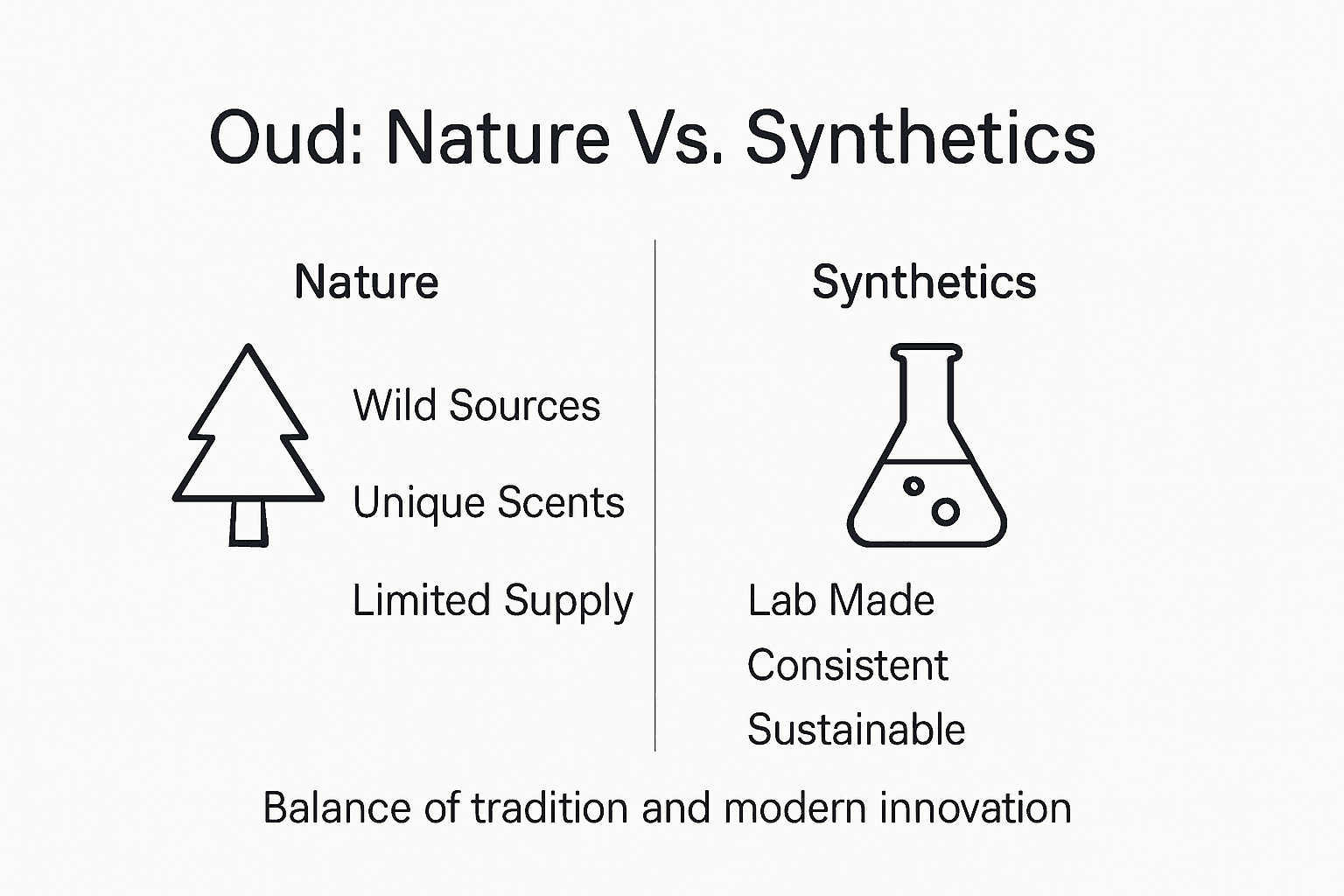
Synthetic oud represents a complex response to these environmental challenges. Modern perfumery has developed sophisticated molecular reconstruction techniques that can simulate the complex aromatic profile of natural oud without depleting forest resources. These synthetic alternatives range from precise molecular replicas to more interpretative aromatic compounds that capture the essence of oud's distinctive character. While purists argue that synthetic oud lacks the depth and nuance of natural resin, technological advancements have made these alternatives increasingly sophisticated, offering environmentally conscious consumers a viable alternative.
The tension between authenticity and sustainability defines the contemporary oud landscape. Sustainable cultivation practices, including artificial tree inoculation and carefully managed forest plantations, are emerging as critical strategies for preserving both the ecological integrity of Aquilaria forests and the cultural heritage of oud production. Some innovative producers are developing hybrid approaches that combine controlled cultivation, minimal-impact harvesting techniques, and advanced extraction methods to create more environmentally responsible oud products.
Pro Tip: When purchasing oud products, seek brands that demonstrate transparent sustainability practices and support conservation efforts to protect Aquilaria tree populations.
Understanding the complex world of oud, from its rare resin origins to diverse scent profiles and sustainable challenges, can be overwhelming for any fragrance enthusiast. You may struggle to distinguish authentic agarwood resin from synthetic alternatives or wish to explore the subtle differences between regional ouds such as Assam, Cambodia, and Malaysia. At Fragplace, we know how important it is to make informed choices about your fragrances and to appreciate the rich cultural heritage behind this precious ingredient.
Join a passionate community that shares detailed insights on oud and countless other scents at Fragplace. Take advantage of expert reviews, scent note breakdowns, and conversations that help you navigate oud’s complex aroma and extraction methods. Explore trusted information and contribute your own experiences today to deepen your knowledge and elevate your perfume journey. Start exploring the mystique of oud now at Fragplace and transform the way you experience fragrance.
Oud is a luxurious fragrance derived from the resinous heartwood of Aquilaria trees, which produce a complex aromatic substance in response to fungal infection. This resin transforms the tree's wood into a dense, richly scented material that is highly prized in perfumery.
The rarity of natural oud contributes to its high cost. Only a small percentage of Aquilaria trees produce the sought-after resin, and sustainable harvesting practices are often limited, making genuine oud a scarcity in the market.
Oud is not uniform; it varies widely in scent profile depending on factors like geographic origin and extraction methods. High-quality oud can exhibit a range of notes, from smoky and leathery to sweet and balsamic, contributing to its complexity in fragrance compositions.
The extraction method significantly impacts oud's aroma quality. Traditional methods focus on slow distillation techniques that preserve aroma complexity, while modern methods like steam distillation offer cleaner and more consistent profiles. Understanding the extraction approach can enhance appreciation for the fragrance's character.
| Point | Details |
|---|
| Oud's Unique Origins | Oud is derived from the resinous heartwood of Aquilaria trees, produced when the trees encounter fungal infection, making it a rare and luxurious material. |
| Cultural Significance | Beyond its fragrance, oud represents luxury and spirituality, playing a crucial role in rituals and social customs, particularly in Middle Eastern and Asian cultures. |
| Sustainability Challenges | The demand for natural oud threatens wild Aquilaria populations; synthetic alternatives are emerging as a response, yet their sensory authenticity remains debated. |
| Extraction Methods | Traditional and modern extraction techniques impact the aroma quality and sustainability of oud production, with hybrid approaches aiming to balance heritage and innovation. |
| Region | Dominant Notes | Typical Profile |
|---|
| Assam | Smoky, leathery | Deep, intense, dark |
| Cambodia | Sweet, fruity, resinous | Warm, balsamic, smooth |
| Laos | Earthy, complex | Balanced, nuanced layers |
| Thailand | Woody, floral hints | Subtle, gentle, refined |
| Malaysia | Spicy, honeyed | Rich, bold, long-lasting |
| Extraction Method | Time Required | Aroma Quality | Sustainability Impact |
|---|
| Traditional Distillation | Several weeks | Rich, complex, layered | High wild tree pressure |
| Steam Distillation | A few days | Clean, consistent, nuanced | Supports plantation use |
| Supercritical CO₂ | Hours | Fresh, highly nuanced | Most eco-friendly option |
| Hybrid Protocols | Varies | Balanced depth and clarity | Reduces ecological impact |