Articles
Get the Fragletter
New fragrance stories and picks in your inbox. Unsubscribe anytime.
New fragrance stories and picks in your inbox. Unsubscribe anytime.
New fragrance stories and picks in your inbox. Unsubscribe anytime.
New fragrance stories and picks in your inbox. Unsubscribe anytime.
Oud is the most mythologised material in perfumery, and most of what's sold under its name never came near a tree. The real thing — — has been burned and worn across the Middle East, Southeast Asia and beyond for thousands of years, which is how it earned the nickname "liquid gold". Understand what the raw material actually does, and the rest of the category stops looking like marketing.
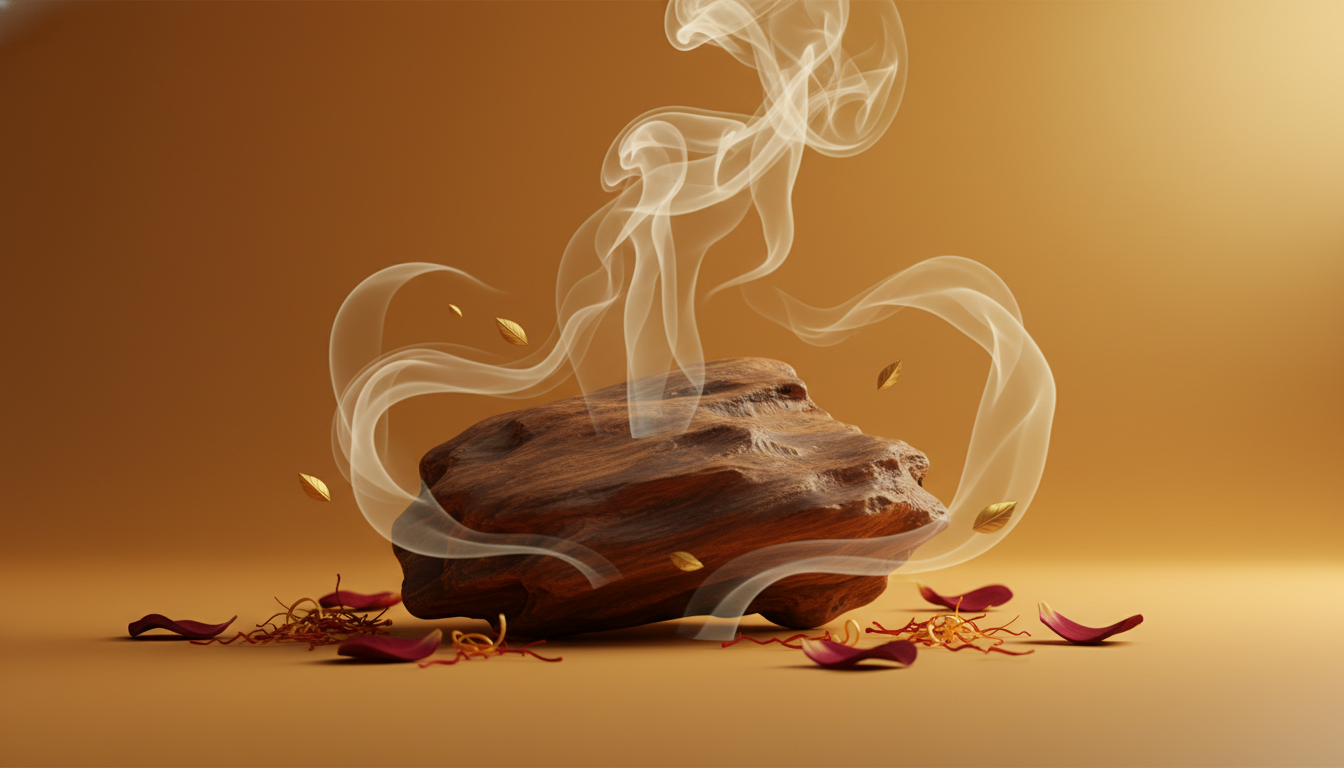
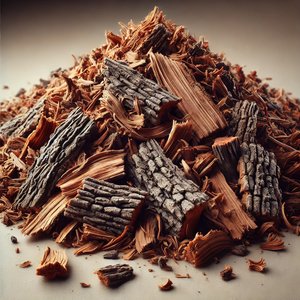
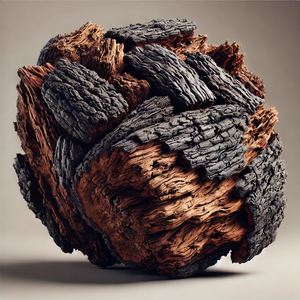
Oud — also spelled oudh — is a dark, aromatic resin that forms inside the heartwood of Aquilaria trees when they become infected with a specific type of mould (Phialophora parasitica). The resin is a defence mechanism: the tree floods the wound to protect itself. That infected heartwood is agarwood, and the oil distilled from it is oud oil.
Here's the part that explains the price tag. Only a small percentage of wild Aquilaria trees develop the resin naturally, so supply was never going to be generous. Wild agarwood can sell for tens of thousands of dollars per kilogram, and high-quality oud oil can cost more than gold by weight. Add centuries of overharvesting and you get one of the most expensive raw materials in perfumery.
The trees grow primarily across Southeast Asia — Cambodia, Laos, Vietnam, India and Indonesia — and each region gives its oud a different accent.
Nothing else smells like it, which is why every description of oud ends up borrowing from something else. Some traits do hold across most varieties.
The foundation is deep, resinous wood. Around it you may detect:
That last one is why oud splits a room. Origin, distillation method and the age of the oil shift the profile enormously. Freshly distilled oud can smell sharp and confrontational; aged oud settles into something smoother, with an almost intoxicating sweetness.
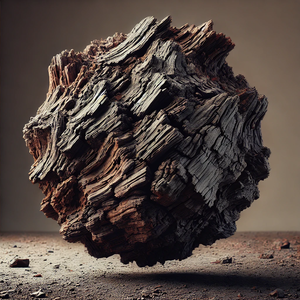
Natural oud comes from actual agarwood, and where the wood grew matters as much as anything the perfumer does with it afterwards.
Given the cost and the environmental problem, most modern fragrances don't use natural oud at all. They use synthetic oud molecules or oud accords — blends of other ingredients built to mimic real agarwood.
The most common synthetic oud molecule is Georgywood, which gives a clean, woody-oud character without the animalic edge of the natural material. Cashmeran and various Iso E Super derivatives get blended in to make the accord convincing.
Synthetic oud isn't a downgrade by default — plenty of award-winning fragrances use it masterfully, and it's smoother, more approachable and more consistent than natural oud, which can vary dramatically from batch to batch. What you give up is the strangeness. And the strangeness is half of why people fall for oud.
A full-strength natural oud is a lot to ask of a newcomer. These five blend it with more familiar notes, and every one of them will teach you something about the ingredient.
The one almost everyone starts with, to the point of cliché — which isn't an argument against it. 's Oud Wood wraps a smooth oud accord in , and , and it behaves impeccably in an office. The oud here is sanded down rather than raw. Treat it as the gateway, not the destination.
built Oud Satin Mood as the romantic end of the category. The wood sits under and violet, and that base of and benzoin is what makes it feel plush rather than sharp. Oud dressed in velvet. If you wanted oud to be dirty, this will disappoint you.
A step closer to the real thing, and the loudest thing here. ' Oud for Greatness runs straight through the oud, with and underneath. That saffron is the whole personality — leathery, faintly metallic, and the reason this one gets called brash as often as it gets praised. It bridges approachable designer ouds and the intense niche stuff.
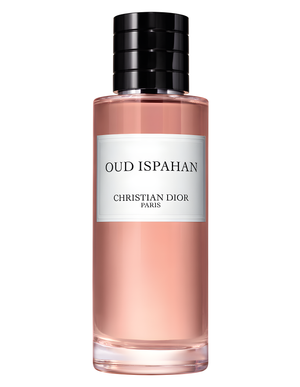
's Private Collection entry pairs oud with a gorgeous Damask rose, and . Inspired by the roses of Isfahan, Iran, it's the best case in this list for why rose and oud have been paired for centuries — the rose keeps the wood from turning grim, and the wood keeps the rose from turning pretty.
The darker end of . Tobacco Oud sets oud against tobacco leaf, and spices, and the tobacco is what tips it from woody into something almost edible. It will not behave in warm weather. Cooler months, evenings, light hand.
Oud is potent and long-lasting, so restraint is most of the skill.
Oud layers better than almost anything else in a wardrobe. The pairings worth knowing:
If you're buying your first oud, Oud Wood is the safe choice and Oud Satin Mood is the better one — softer, but with more going on. If you want oud to smell like oud rather than like a woody amber with good manners, go to Oud Ispahan for the rose-and-saffron route or Tobacco Oud for the dark one, and accept that neither will suit every occasion. Nothing here approaches the animalic weight of raw Indian oil, which is the point: work up to that.
Browse the full collection of to see how wide the category runs, then start with if you want the gentlest possible way in.
 Agarwood (Oud)
 Indian Oud
 Tom Ford
 Maison Francis Kurkdjian
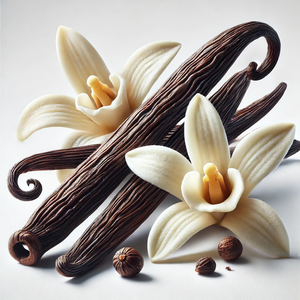 Vanilla
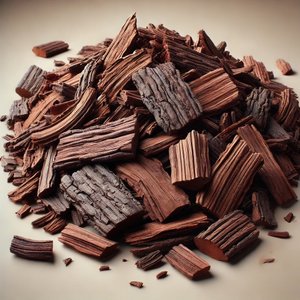 Sandalwood
 Initio Parfums Prives
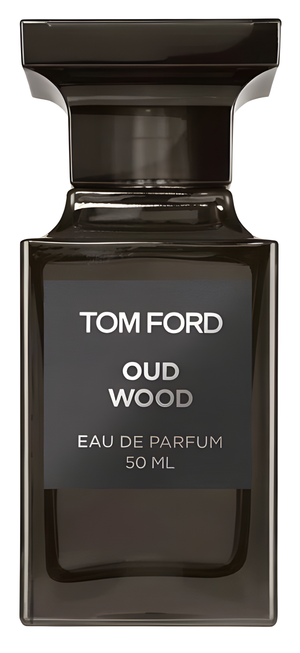 Oud Wood
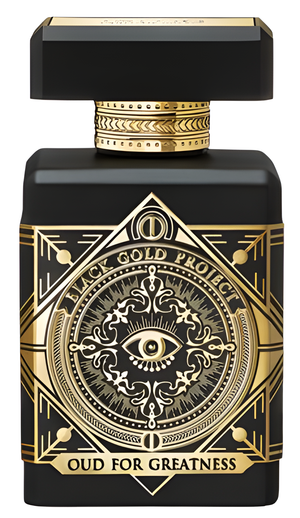 Oud for Greatness
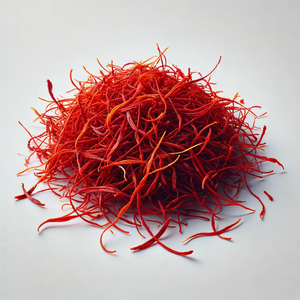 Saffron
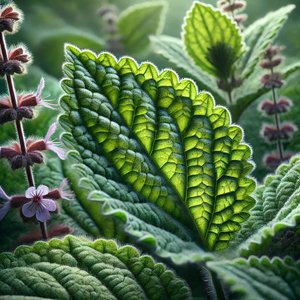 Patchouli
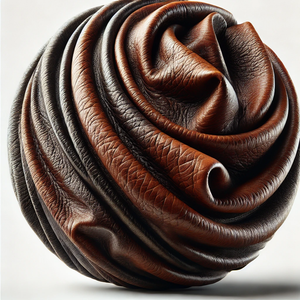 Leather
 Incense
 Rose
Rose Amber
Amber Musk
Musk Dior
Dior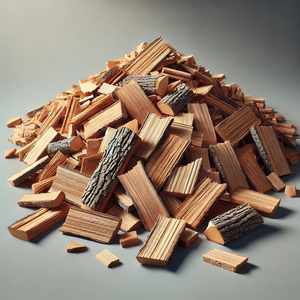 Cambodian Oud
 Laotian Oud
 Oud Ispahan
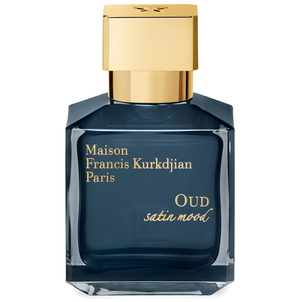 Oud Satin Mood
 Tobacco Oud