Articles
Get the Fragletter
New fragrance stories and picks in your inbox. Unsubscribe anytime.
New fragrance stories and picks in your inbox. Unsubscribe anytime.
New fragrance stories and picks in your inbox. Unsubscribe anytime.
New fragrance stories and picks in your inbox. Unsubscribe anytime.
The concentration printed on the bottle isn't a quality grade. It's a different recipe, and often a different perfume wearing the same name. Get this one thing straight and you'll stop paying for strength you don't need.
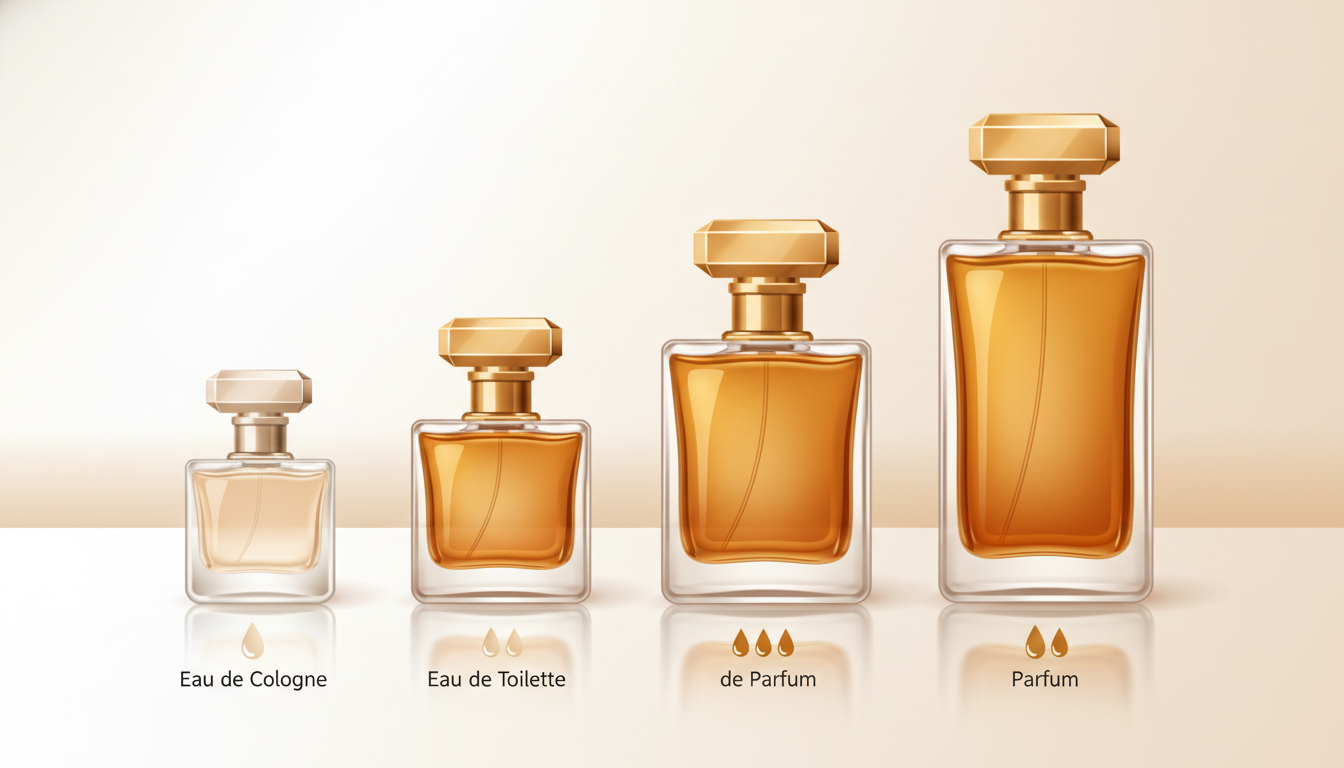
Every perfume is aromatic oil dissolved in a carrier — usually alcohol and water. The concentration refers to the percentage of fragrance oil in that blend. More oil generally means a stronger scent, longer wear time and a higher price, roughly in that order of reliability.
The four main concentration levels, from lightest to most intense, are:
Notice how wide those bands are. A 15% EDT and a 15% EDP sit at the same strength with different labels on the box, which is your first clue that the category name is marketing as much as chemistry.
Cologne is the lightest thing you can buy. At 2–5% fragrance oil you get a fresh, invigorating burst suited to hot weather or casual settings, and you get it for about 1–2 hours before it's gone. That's not a flaw — it's the point. Cologne is meant to be splashed on, enjoyed and forgotten.
The word traces back to Köln (Cologne), Germany, where the house of popularised light citrus-based fragrances in the 18th century. Cologne-strength scents still do the same job today: post-shower splashes and warm-weather refreshers, used generously.
Best for: Summer, the gym, layering under something stronger.
Eau de Toilette sits at 5–15% oil and lands between presence and subtlety. Most designer fragrances launch as an EDT first, because it's the version that offends the fewest people — noticeable without taking over the lift. Expect 3–5 hours and moderate projection, which is why it dominates office wear and daytime use.
If you're buying one bottle of something, this is usually the one. Some well-known examples:
Best for: Daily wear, the office, dates — anyone who wants range without weight.
EDP pushes the oil to 15–20% and buys you 5–8 hours plus a noticeably richer scent. Houses release EDP versions of their popular EDTs to sell you a deeper, more complex reading of something you already like.
The key thing most shoppers miss: this isn't the EDT with the volume turned up. Perfumers usually rework the formula. by adds richer and against the original EDT, which makes it warmer and more evening-appropriate. If you disliked the EDT, the EDP might still win you over. The reverse happens too.
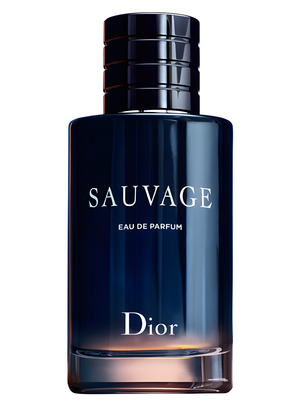
Other standout EDPs include:
Best for: Evenings, cooler weather, and days you don't want to reapply.
Parfum — Extrait de Parfum, or just "pure perfume" — runs 20–40% fragrance oil. It's the most concentrated form and the most expensive, with 8–12+ hours of longevity and a scent that sits closer to the skin.
Read that last part carefully, because it's where people waste money. Extrait is intimate, not loud. If you're buying strength to fill a room, you're buying the wrong tier. What you get instead is a fragrance that evolves more slowly and opens up deeper base notes like , and . You also need less of it — one or two sprays is often enough, which softens the price a little.
Notable examples:
Best for: Special occasions, cold weather, and anyone who values longevity and depth over reach.
Your climate and your schedule decide this more than your taste does. A few rules that hold up:
No. A well-made EDT will beat a mediocre Parfum every time. Concentration sets longevity and intensity; the quality of the ingredients and the perfumer's skill decide whether it's worth smelling at all.
And some fragrances are built for one strength only. The original EDT catches a breezy Mediterranean freshness that a heavier concentration would flatten into something ordinary.
Buy the EDT if you're buying one bottle. It's the version most houses design first, it covers a normal day, and it's the cheapest way to find out you were wrong. Step up to the EDP once you know you love the scent and need it to survive past dinner. Save the Parfum for when the perfume itself is the point, not the room's reaction — extrait stays close to the skin by design, and people who buy it expecting a trail come away disappointed.
Pull up something you already wear and read its versions against each other — next to shows how far a house will move a formula between tiers. Then compare the rest on Fragplace and build your shortlist from there.
| Feature | Eau de Cologne | Eau de Toilette | Eau de Parfum | Parfum / Extrait |
|---|
| Oil concentration | 2–5% | 5–15% | 15–20% | 20–40% |
| Typical longevity | 1–2 hours | 3–5 hours | 5–8 hours | 8–12+ hours |
| Projection | Faint | Moderate | Strong | Intimate, close |
| Price range | $ | $$ | $$$ | $$$$ |
| Sprays needed | 5–8 | 3–5 | 2–4 | 1–2 |
| Best season | Summer | All seasons | Fall/Winter | All seasons |
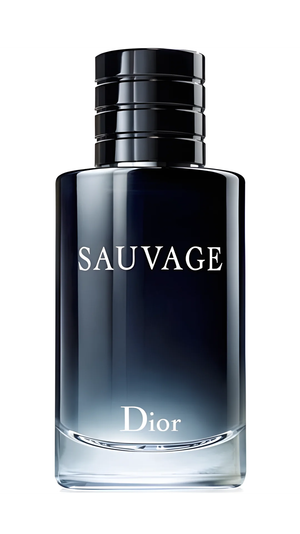 Sauvage
 Bergamot
 Chanel
 Ambroxan
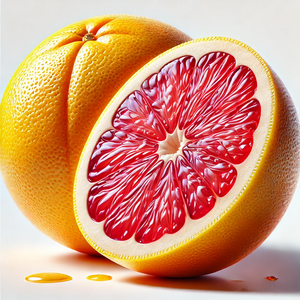 Grapefruit
 Mint
Mint Bleu de Chanel
 Sandalwood
 Vanilla
 Versace
 Dior
Dior Musk
Musk 4711
4711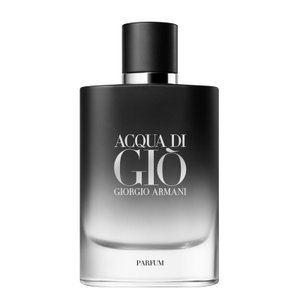 Acqua Di Giò Parfum
 Amber
Amber Sauvage Parfum
 Guerlain
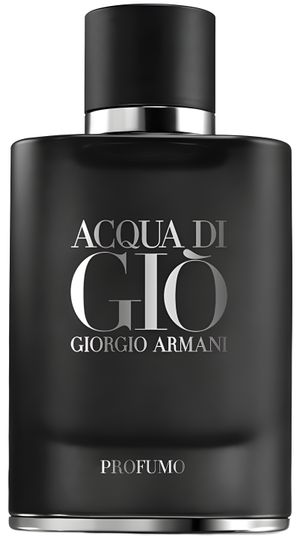 Acqua Di Giò Profumo
 Eros Eau de Parfum
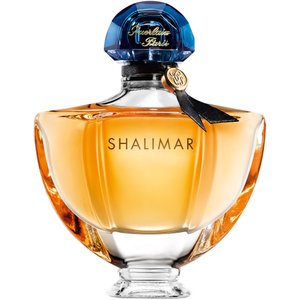 Shalimar Eau de Parfum
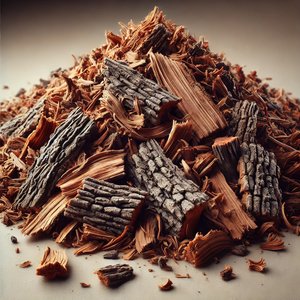 Agarwood (Oud)
 Giorgio Armani
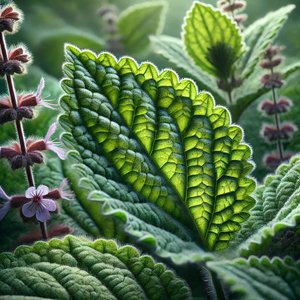 Patchouli
 Eros
Eros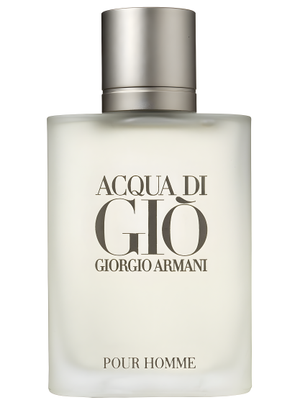 Acqua Di Gio
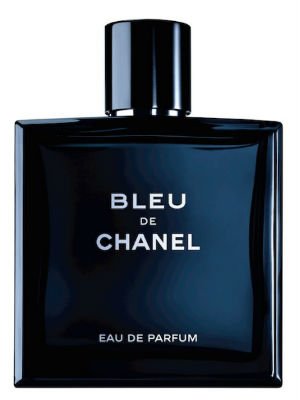 Bleu de Chanel Eau de Parfum
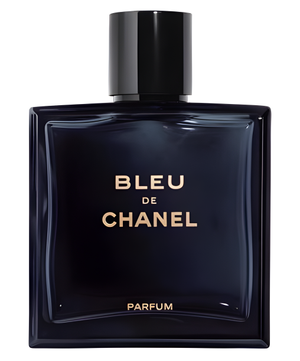 Bleu de Chanel Parfum
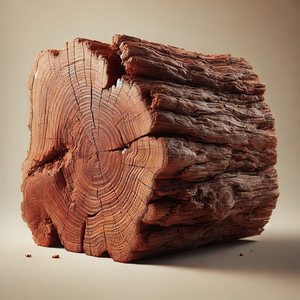 Cedarwood
 Sauvage Eau de Parfum