Articles
Get the Fragletter
New fragrance stories and picks in your inbox. Unsubscribe anytime.
New fragrance stories and picks in your inbox. Unsubscribe anytime.
New fragrance stories and picks in your inbox. Unsubscribe anytime.
New fragrance stories and picks in your inbox. Unsubscribe anytime.
Oud is perfumery's most expensive name to drop, and plenty of bottles wearing it are trading on the word more than the material. The real thing is — resin-soaked heartwood so scarce it got nicknamed "liquid gold," and one of the costliest raw materials any perfumer can buy. Here's what it actually is, and which bottles earn the label.
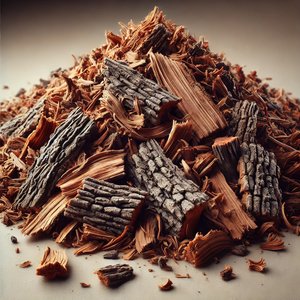
Oud starts with an infection. Aquilaria trees, found across Southeast Asia including Cambodia, Laos and India, respond to a specific mould (Phialophora parasitica) by flooding the wound with dark aromatic resin as a defence mechanism. That resin-saturated wood is agarwood, and the oil drawn from it is oud.
The scarcity isn't marketing. Estimates put it at fewer than 2% of wild Aquilaria trees developing the infection naturally, so a kilogram of high-quality oud wood runs into thousands of dollars, and pure oud oil can exceed the price of gold by weight.
Extraction is slow work. Traditional steam distillation of the infected wood can take days to yield a few millilitres. Natural rarity plus labour-intensive production is the entire price story — there's no clever way round it.
Treat oud as a recent trend and you'll misread it badly. In the Middle East it's been central to hospitality, religious ceremony and personal grooming for over a thousand years, whether that's agarwood chips burning or oud oil worn neat.
In Gulf countries the habit is domestic, not occasional. Homes are scented with oud-burning incense — bakhoor — guests are welcomed with oud-infused fragrances, and pure oud oil marks the occasions that matter. The Middle Eastern fragrance market alone accounts for billions of dollars annually.
That heritage produced houses like , building oud compositions for decades and bridging traditional Arabian perfumery with modern fragrance design. Their is the one that travelled — evidence the appetite was always there, waiting for the rest of the market to notice.
The West turned up late. Oud had been a staple of Arabian perfumery for centuries before European and American houses started using it in the early 2000s.
usually takes the credit, with in 2007. It softened oud's traditionally intense character, blending it with and spices, and that compromise is exactly why it worked. Purists call it oud-lite. They have a point — but it's also the bottle that opened the floodgates.
answered with , oud and , the classic Middle Eastern pairing run through a French filter. took a cleaner route with , pushing and cedarwood to the front.
Now virtually every major luxury house keeps an oud on the shelf. That's how a rare material becomes a house style — and, eventually, a cliché.
Not all oud smells the same. Origin and processing push it anywhere from sweet and honeyed to dark and animalic, and knowing which end you're at saves you money.
Smoky and Leathery: 's is the benchmark for the dark, smoky side of agarwood — resinous and unapologetic, with no interest in making friends. 's works the same territory with incense and piled on. Neither is a beginner's bottle, and neither pretends to be.
Sweet and Woody: Tom Ford's Oud Wood is the gold standard here, oud sanded smooth against creamy sandalwood and vanilla-tinged warmth. If the dark ouds read as medicinal to you, this is the corrective.
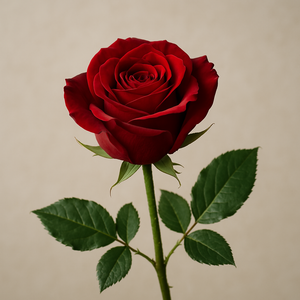
Floral and Romantic: Oud and rose is the oldest pairing in the book, and Dior's Oud Ispahan is the opulent version of it.
Fresh and Modern: Newer interpretations drag oud towards citrus and aquatic notes for everyday wear. 's is the accessible end of that. Purists will shrug. If you've never worn the note, it's the least intimidating way in.
Four bottles, four budgets, four different arguments.
Accessible entry point: — smooth, woody and designer-friendly. An oud you can wear to the office without starting a conversation about it.
Mid-range standout: — rich oud with sweetness and the longevity to justify itself. It punches far above its price class, which is why it's become the default answer whenever someone asks for oud on a budget.
Luxury investment: — the fragrance that introduced a generation to the note. A modern classic, universally flattering, and now common enough that its ubiquity is the main case against it.
Niche exploration: — a -laden oud with projection to match the name. Spray it carelessly and you'll clear the room.
Oud punishes the habits you learned from fresh designer scents. Adjust.
Start with blended compositions. Pure oud oil is intense and complex. Begin with fragrances that soften it against sandalwood, vanilla or rose. Tom Ford's Oud Wood and Versace's Pour Homme Oud Noir are the obvious starting points.
Less is more. These are potent, long-lasting fragrances. One or two sprays on pulse points is enough. You can add more; you can't take it back.
Let it develop. Oud shifts dramatically on skin over several hours. The opening can be sharp — give it 30 minutes before you decide anything. The dry-down is the point.
Consider the season. Oud works year-round, but its warmth carries best in cold air. Autumn and winter are when the richer compositions make sense.
Layer thoughtfully. Try an oud over an unscented moisturiser, or alongside scents built on amber, sandalwood or rose.
Wild agarwood is running out, and many Aquilaria species are now endangered, so the industry is moving towards sustainable cultivation and synthetic alternatives. Snobbery about that is misplaced. Modern perfumery chemistry produces oud accords that capture the essence of the natural material without depleting wild populations, and a well-built accord beats a badly distilled oil every time.
So where should your money go? If you want the safe introduction, it's Tom Ford's Oud Wood — polished, familiar, and priced accordingly. If you want the most oud for your money, Al Haramain's Amber Oud Gold Edition is the better buy of the two, and it's the one worth trying first. Black Afgano and Oud for Greatness are for people who already know they like the dark stuff.
Start with the note, then pick the bottle: , or go straight to and judge the value argument for yourself.

 Agarwood (Oud)
 Al Haramain Perfumes
 Tom Ford
 Dior
Dior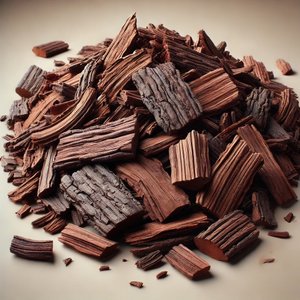 Sandalwood
 Rose
Rose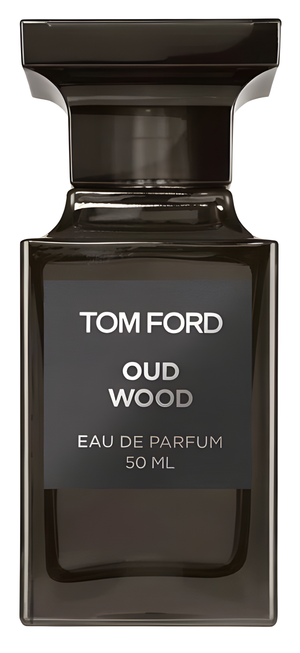 Oud Wood
 Musk
Musk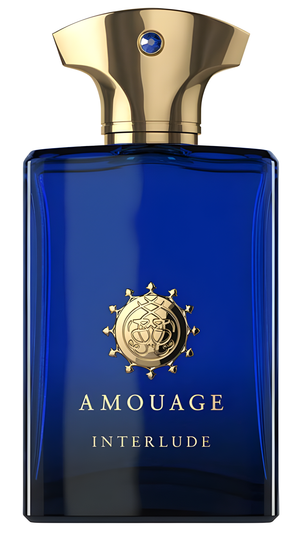 Interlude Man
 Amber Oud Gold Edition
 Amber
Amber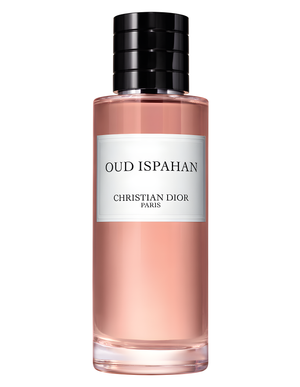 Oud Ispahan
 Saffron
 Maison Francis Kurkdjian
 Nasomatto
 Amouage
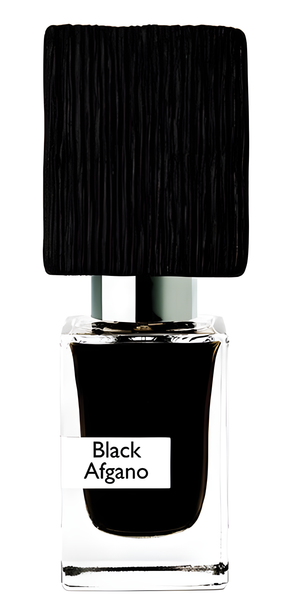 Black Afgano
 Versace
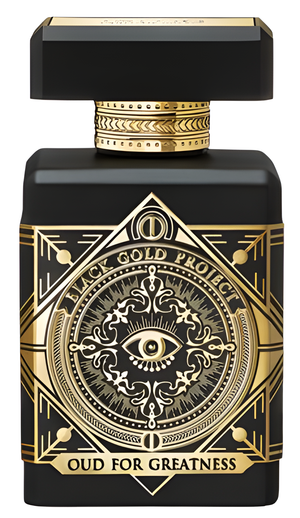 Oud for Greatness
 Versace Pour Homme Oud Noir
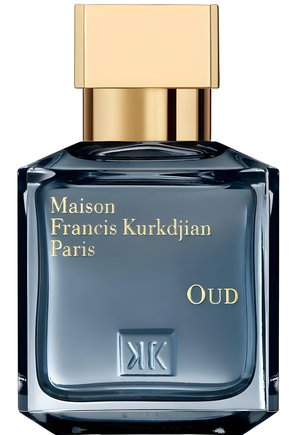 Oud
Oud