Articles
Get the Fragletter
New fragrance stories and picks in your inbox. Unsubscribe anytime.
New fragrance stories and picks in your inbox. Unsubscribe anytime.
New fragrance stories and picks in your inbox. Unsubscribe anytime.
New fragrance stories and picks in your inbox. Unsubscribe anytime.
Most fragrance advice you've absorbed came from someone confidently repeating something they overheard. That's how the wrist-rubbing habit survived decades of being wrong. Here are ten myths worth dropping.
The most stubborn myth going. Rubbing generates friction and heat, and heat tears through the top notes faster — so and citrus accords, already the most volatile things in the bottle, get crushed before you've had a chance to enjoy them. Spray, then leave your wrists alone and let it dry on your skin.
A high price tag guarantees nothing. Some of the most beloved fragrances going are remarkably affordable, because price often reflects branding, packaging, marketing budgets and the prestige of the fashion house rather than what's inside the bottle. A niche -heavy composition can justify its cost through genuinely rare materials — plenty of expensive launches can't, and plenty of cheap ones use high-quality synthetic molecules that smell just as compelling. Judge a perfume by your nose, not the receipt.
Perfume isn't yoghurt. Stored well, a fragrance lasts anywhere from 3 to 10 years and sometimes longer; the actual enemies are heat, light and air exposure. Keep bottles in a cool, dark place — which rules out the bathroom, however convenient the shelf is. Compositions rich in , and tend to age particularly well, and some improve.
The one-scent-for-life idea is romantic, and it's become a bit of a cliché. Your mood shifts, the seasons shift, occasions vary — your perfume can too. A fresh aquatic like by makes sense in July; something built on and suits a cold evening far better. Build a wardrobe and match the scent to the day.
This one catches out experienced wearers too. Skin chemistry — pH, diet, hydration, medications, even your microbiome — shapes how a fragrance develops, which is why can read bold and peppery on a friend and smoother, more -forward on you. Test on your own skin before you commit to a full bottle. A blotter tells you almost nothing about the second hour.
The "all-natural" badge is marketing, not a quality standard. by pioneered the use of aldehydes — entirely synthetic compounds — and that sparkle is the reason anyone still talks about it. Modern perfumery blends natural and synthetic materials to make scents that are safer and more consistent than nature alone allows, and frequently more inventive.
Fabric does hold a scent longer. It also flattens it: perfume is designed to interact with your skin's warmth and oils, and that interaction is what carries it through top, heart and base notes. On a jumper you get a static, one-dimensional version — and some ingredients stain delicate fabrics into the bargain. Apply to pulse points instead: wrists, neck, behind the ears, where body heat diffuses the fragrance.
That's olfactory fatigue, and it's normal. Your nose adapts to a constant scent and tunes it out so it can register new ones, so losing track of your after an hour says nothing about what everyone else is getting. Resist the top-up. The overspray you can't detect is the one other people can.
The fragrance community's favourite argument, and the honest answer is duller than either side wants. Niche houses like and do experiment with rare materials and unconventional structures. But and hire world-class perfumers too, and it shows: is a niche icon, yet draws just as much praise. Snobbery in either direction costs you good perfume.
The most self-defeating myth on the list. Scent connects directly to the limbic system, the part of the brain handling emotion and memory — which is why fragrance can lift your mood and pull up a memory you weren't looking for. Saving that for weddings is a waste. Wear the on a Tuesday, or wear a cheap fresh daily driver; either beats a bottle going untouched on a shelf.
If you take one thing from all ten: your own nose outranks every rule you've been handed, including the ones repeated most confidently. Test on skin, store bottles properly, own more than one, and ignore anybody policing how you wear yours.
Start by reading up on what's actually in your bottles — the breakdown is a good place to begin — then Explore Fragplace for reviews and a community that argues from experience rather than folklore.
 Bergamot
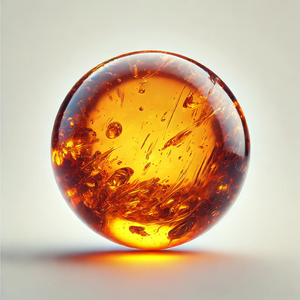 Amber
Amber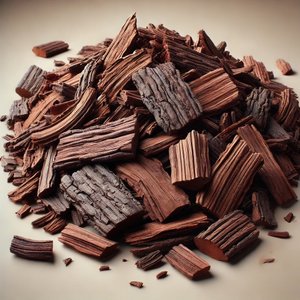 Sandalwood
 Patchouli
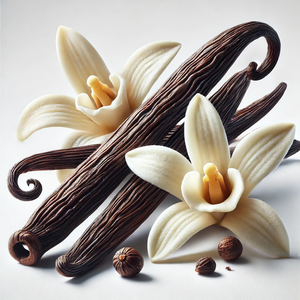 Vanilla
 Giorgio Armani
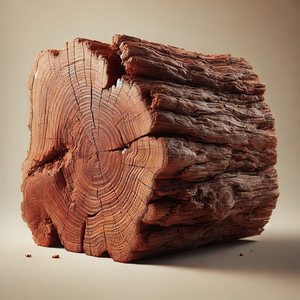 Cedarwood
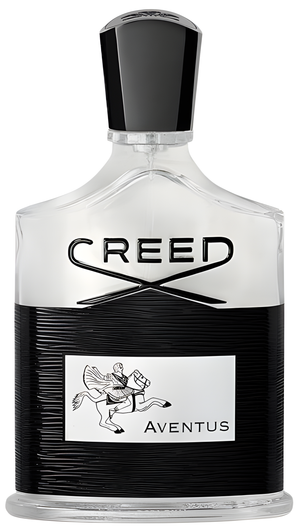 Aventus
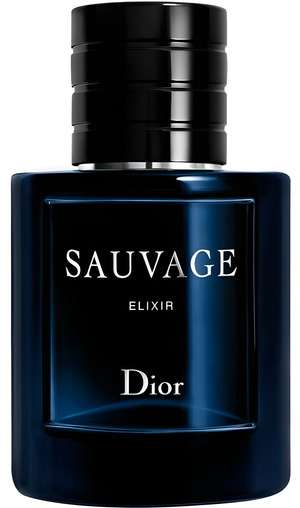 Sauvage Elixir
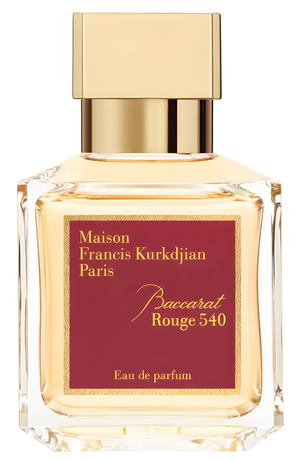 Baccarat Rouge 540
 Tom Ford
 Maison Francis Kurkdjian
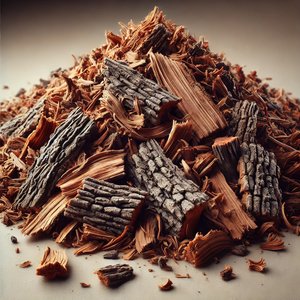 Agarwood (Oud)
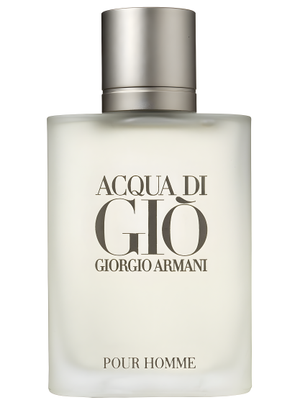 Acqua Di Gio
 Creed
Creed Chanel No 5 Eau de Parfum
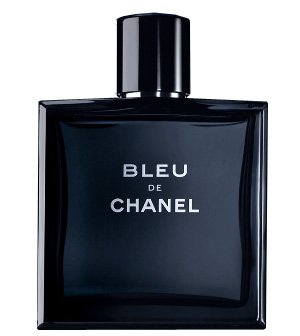 Bleu de Chanel
 Chanel
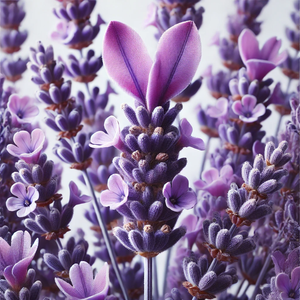 Lavender
 Dior
Dior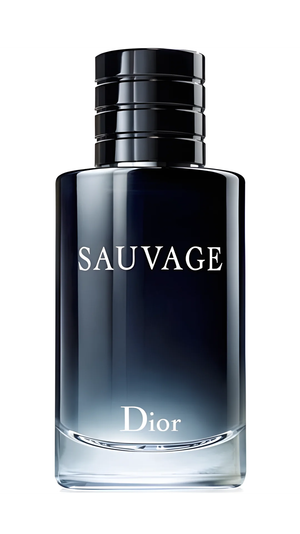 Sauvage