Articles
Get the Fragletter
New fragrance stories and picks in your inbox. Unsubscribe anytime.
New fragrance stories and picks in your inbox. Unsubscribe anytime.
New fragrance stories and picks in your inbox. Unsubscribe anytime.
New fragrance stories and picks in your inbox. Unsubscribe anytime.
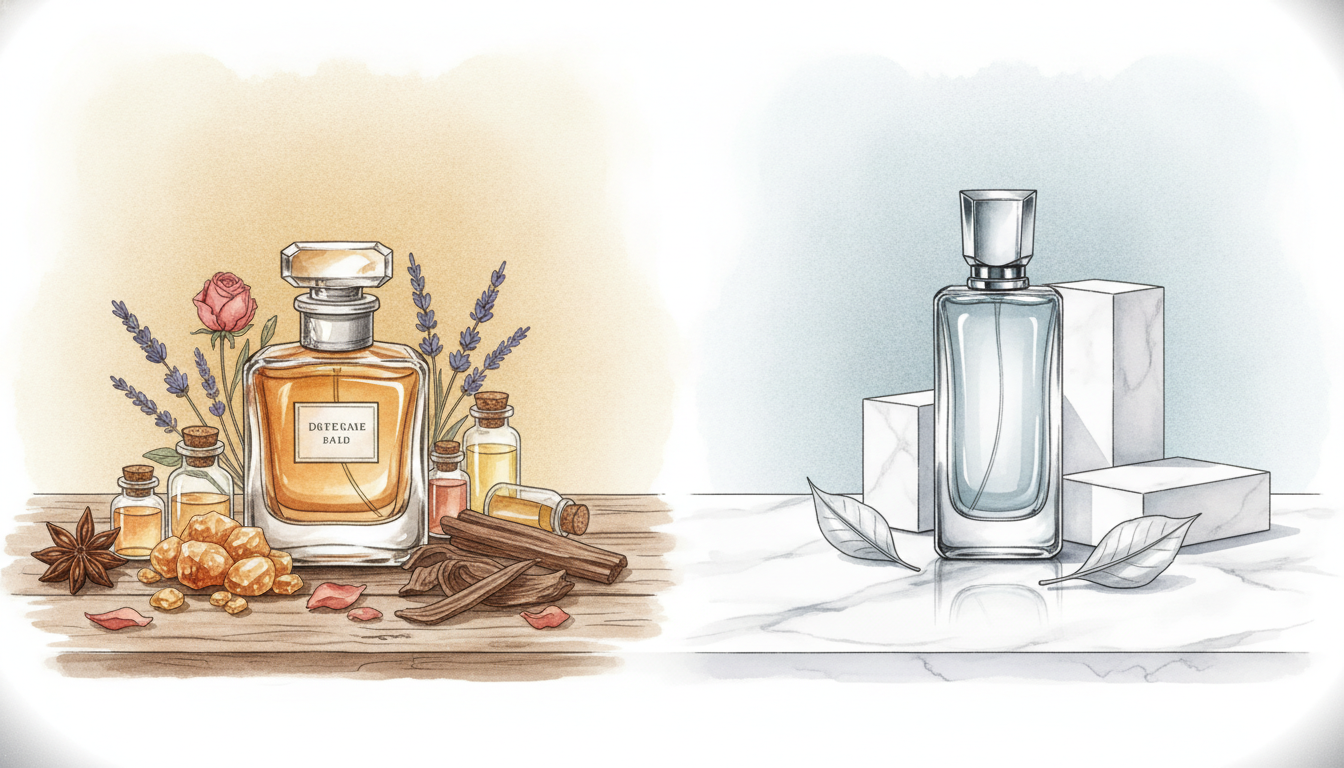
The niche-versus-designer argument gets treated like a class system, and that's the quickest route to an expensive shelf you never reach for. One category sells you artistry and scarcity; the other sells you reliability and reach. Here's what actually separates them, and where each one earns its money.
Niche houses do one thing: perfume. , , and have no handbag line propping up the fragrance counter. Scent is the business.
What usually marks a niche house:
The payoff is character. and exist because someone had a specific idea, not because a focus group signed one off. Whether you share that idea is a different question — conviction in a bottle is still conviction you might not want on your skin.
Designer fragrance comes out of fashion and luxury houses: , , , . Perfume is one line among many, sitting beside clothing, accessories and cosmetics.
Key characteristics of designer fragrances:
Designer doesn't mean cheap-smelling. , and are expertly composed, and their reputations are earned. Ubiquity is a consequence of that, not an argument against it.
Niche houses tend to put more of the budget into raw materials. Where a designer reaches for a synthetic accord to keep costs manageable, a niche brand might source natural ambergris or a high-concentration absolute. Don't read that as synthetics being the weak option, though — modern perfumery runs on them for consistency and creativity, and plenty of adored niche work is synthetic-forward and better for it.
Designer sits roughly $60–$150 for a standard bottle. Niche often starts at $150 and climbs past $300–$500 without much resistance. You're paying for ingredient quality, smaller production runs, brand positioning and the creative freedom that comes with not needing blockbuster sales numbers. Be honest with yourself about which of those four you're actually buying.
This is where the generalisations fall apart. Some niche fragrances carry higher concentrations of perfume oil, which can mean better longevity. But designers field monsters of their own — is notorious for projection and staying power. Performance follows the formulation, not the category.
Here niche wins, and it isn't close. Freed from the need for universal appeal, these houses can put against dried fruit, with leather and smoke, or under gourmand elements nobody saw coming. You're less likely to smell like three other people in the room.
Niche-curious and unsure where to jump in? These four are the soft landing.
— Minimalist, modern, and occasionally a little thin for the money. is a beautiful blend of , pine and that holds up year-round. is the easier crowd-pleaser of the two.
— The house that turned into a cultural phenomenon, and then into something close to a signature-scent cliché. Also worth your time: , a spicy unisex read on rose, and , the clean and quietly addictive one.
— Luxury Middle Eastern perfumery with craftsmanship that justifies the ticket. is a smoky, resinous masterpiece that doesn't care whether you're ready for it. is the elegant, approachable way in.
— Perhaps the most accessible niche house. needs no introduction and has been imitated half to death, so don't sleep on as the fresh everyday option.
Niche isn't an automatic upgrade. Designer wins outright in a few places.
Daily wear. For an office scent you never have to think about, or do the job without colonising a shared workspace.
Gifting. Unless you know someone's taste properly, a well-regarded designer is the far safer parcel. and stay on gift lists for a reason.
Budget-conscious exploration. Still working out what you like? Spend $80 on a designer and learn your fragrance notes from it. That's smarter than $300 on a niche bottle you might quietly resent.
Compliment-getters. Some designers are engineered to be noticed, and there's no shame in wanting that. and built their reputations on exactly this.
Anyone who's been collecting a while already knows the answer: the best fragrance wardrobe has both.
A practical approach:
Some of the most interesting collections run , which sits somewhere between designer and niche, alongside classic designers and smaller indie houses. next to isn't a contradiction. That's a shelf that covers the whole year.
The niche versus designer debate is a false binary dressed up as a hierarchy. Neither label promises you'll like what's in the bottle.
Choose niche when you want creative, distinctive scents and don't mind paying a premium for artistry and exclusivity.
Choose designer when you want reliable, crowd-pleasing fragrances with proven track records and accessible pricing.
Choose both when you realise the best collection serves different moments, moods and contexts in your life.
If you want one straight recommendation: buy the designer, sample the niche. A full niche bottle bought on reputation alone is the single most common way people waste money in this hobby — and are the two here least likely to end up unloved. The only genuinely wrong answer is letting someone else's opinion of what's "worth it" decide what goes on your skin.
So do two things. Get your vocabulary straight with understanding fragrance notes, then put a house against a house — beside — and see which side your nose keeps picking.
| Niche | Designer |
|---|
| Uniqueness | High — fewer people wear the same scent | Lower — popular scents are widely worn |
| Ingredient quality | Often higher-grade natural materials | Good quality with more synthetic blending |
| Price | $150–$500+ | $60–$150 |
| Availability | Selective retailers, boutiques, online | Department stores, duty-free, everywhere |
| Longevity | Varies widely | Varies widely |
| Compliment factor | Hit or miss — artistic scents can polarize | Typically crowd-pleasing |
| Resale value | Often holds value well | Rarely appreciates |
| Gifting | Risky without knowing preferences | Safer bet for most recipients |
 Le Labo
 Amouage
 Byredo
 Maison Francis Kurkdjian
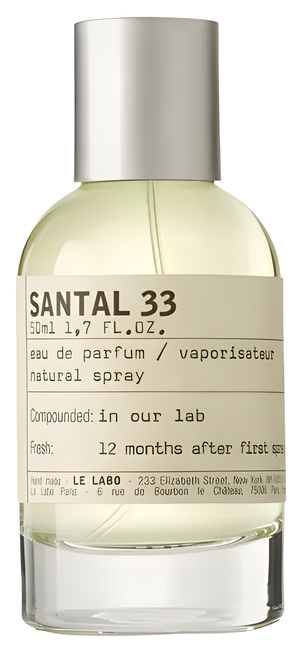 Santal 33
 Chanel
 Rose 31
 Aqua Universalis
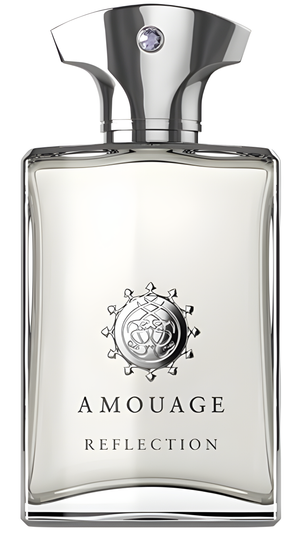 Reflection Man
 Bleu de Chanel
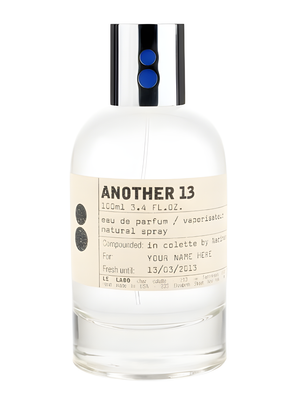 Another 13
 Dior
Dior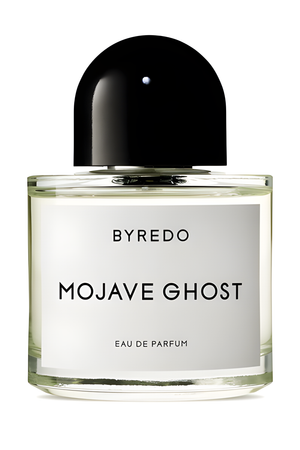 Mojave Ghost
 Versace
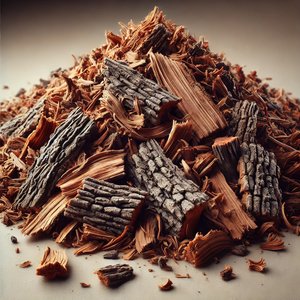 Agarwood (Oud)
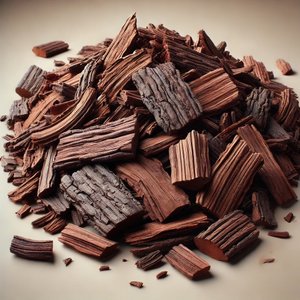 Sandalwood
 Tom Ford
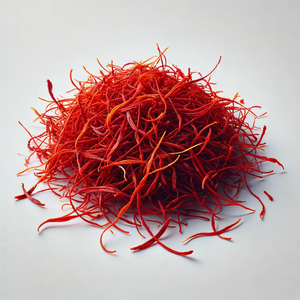 Saffron
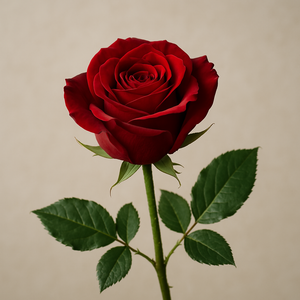 Rose
Rose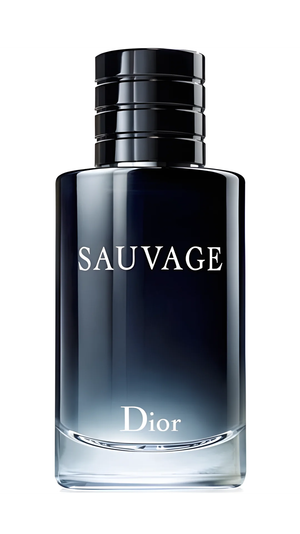 Sauvage
 Tobacco
 Interlude Man
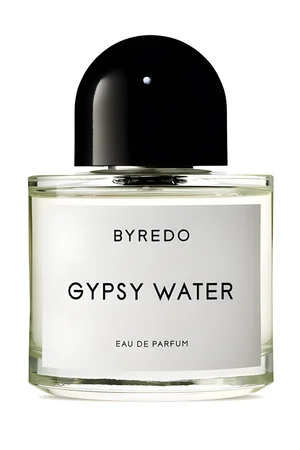 Gypsy Water
 Vanilla
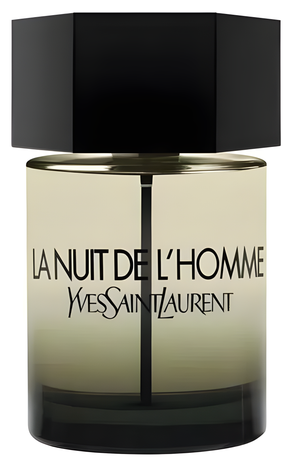 La Nuit de l'Homme
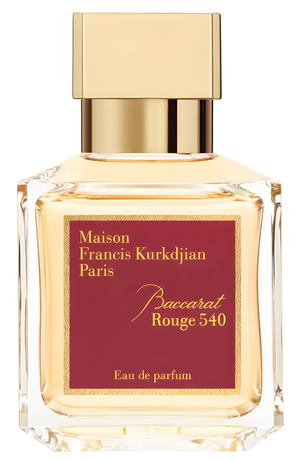 Baccarat Rouge 540
 Yves Saint Laurent
 Tobacco Vanille
 Patchouli
 Bergamot
 Amber
Amber Chanel No 5 Eau de Parfum
 Eros
Eros Light Blue