Articles
Get the Fragletter
New fragrance stories and picks in your inbox. Unsubscribe anytime.
New fragrance stories and picks in your inbox. Unsubscribe anytime.
New fragrance stories and picks in your inbox. Unsubscribe anytime.
New fragrance stories and picks in your inbox. Unsubscribe anytime.
Most fragrance that gets written off as "gone off" wasn't old — it sat on a sunny windowsill or a bathroom shelf. Heat, light and oxygen do the damage, and they do it quietly, months before you notice the opening has gone thin. A few dull habits are all that stand between your bottles and that.
A perfume is a chemical composition, not a keepsake. holds dozens of ingredients in balance, from at the top to and in the dry-down, and every one of those molecules has an opinion about heat, UV light and oxygen. Break the balance and the top notes go first. Then the base shifts, and what you're left with smells like a distant relative of the thing you bought.
This isn't collector's fussiness. It's protecting money you've already spent — on the bottle of you'll empty inside a year, and on the you ration for good days.
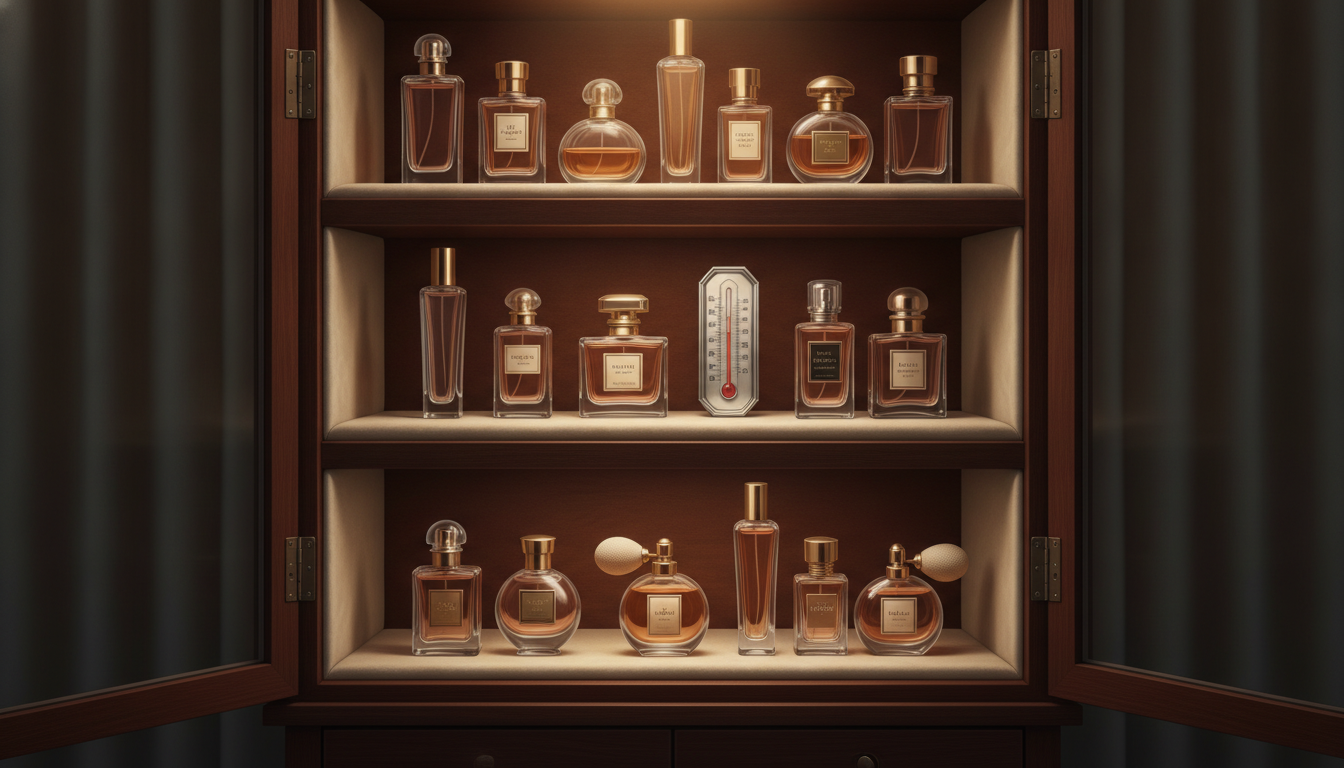
Temperature does more damage than anything else on this list. Aim for somewhere stable between 15°C and 20°C (59°F–68°F). The bathroom is the obvious offender — every hot shower swings the temperature, and those swings accelerate the chemical breakdown. A bedroom closet, a dresser drawer or a hallway cabinet will all serve you better.
Don't overcorrect into the fridge, either. Refrigeration won't wreck a fragrance, but shuttling bottles between cold and room temperature creates condensation inside the glass, and that moisture dilutes the composition and goes after ingredients that don't take kindly to water.
UV is brutal on perfume. Direct sunlight can shift both the colour and the scent profile in a matter of weeks, and even ordinary room light chips away at a bottle over time.
There's a reason houses like , and reach for opaque or dark-tinted glass. It helps. It isn't armour, though — no tint survives prolonged UV exposure. A closed drawer, a cabinet, or the box it came in. That's the whole answer.
Damp air works slowly. Caps that look perfectly well sealed still let humid air reach the juice eventually, and that's a particular worry with vintage bottles and niche releases whose seals were never airtight to begin with.
So: no bathrooms, no kitchens, nothing in a room where the moisture level swings. Dry and temperate wins.
The bottles are half the fun, and pretending otherwise is dishonest. Nobody buys the sculptural slab of , or the silhouette everyone recognises, and then hides it in a drawer with a clear conscience.
So display them — but display them with a bit of sense:
Luggage is a hostile environment: temperature swings, pressure changes, and everything else in the case leaning on the glass.
Stored properly, most modern fragrances hold for three to five years before you'd notice anything changing. Compositions leaning on , amber and are tougher — a decade or more isn't unusual, and the comparison to fine wine isn't entirely lazy.
Citrus and fresh top notes are the fragile ones, and they show their age first. Colour that's darkened, a sharp or vinegary edge on the opening, a scent that's gone flat and one-dimensional: that bottle's past its best.
Age isn't automatically decline, though. Plenty of enthusiasts mature bottles deliberately and prefer what comes out the other side — mellower, with a depth and warmth the fresh juice never had.
Storage is the cheapest upgrade available to a collection. No decanting kit, no fridge, no display cabinet — a drawer the sun doesn't reach and the discipline to put the cap back on.
If you do two things and ignore the rest, do these: get everything out of the bathroom, and keep the boxes. Heat and light account for most of the damage you'll ever see, and those two habits deal with both. Everything above is refinement on top.
Browse the houses worth looking after — , and — then log what you already own on Fragplace, so you know which bottles belong in the drawer and which ones have earned the shelf.
 Bergamot
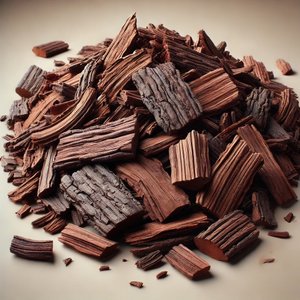 Sandalwood
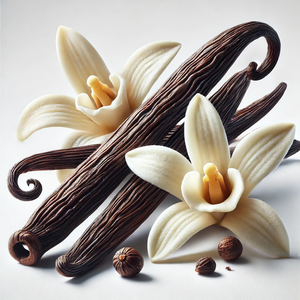 Vanilla
 Chanel No 5 Eau de Parfum
 Tom Ford
 Guerlain
 Chanel
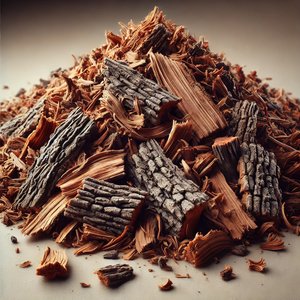 Agarwood (Oud)
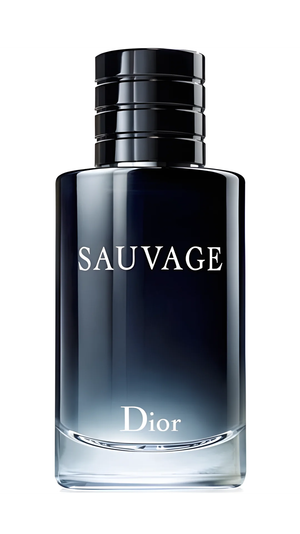 Sauvage
 Dior
Dior Maison Francis Kurkdjian
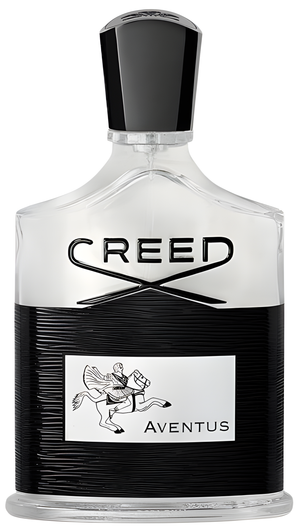 Aventus
 Creed
Creed Musk
Musk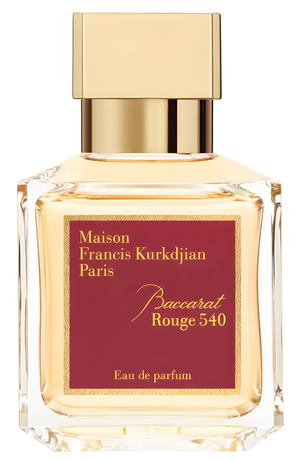 Baccarat Rouge 540
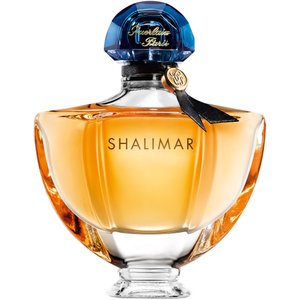 Shalimar Eau de Parfum
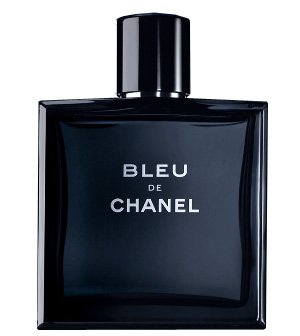 Bleu de Chanel
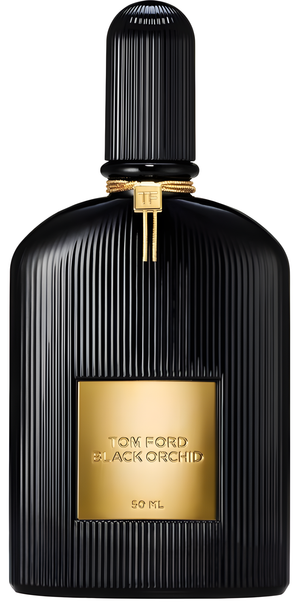 Black Orchid