Articles
Get the Fragletter
New fragrance stories and picks in your inbox. Unsubscribe anytime.
New fragrance stories and picks in your inbox. Unsubscribe anytime.
New fragrance stories and picks in your inbox. Unsubscribe anytime.
New fragrance stories and picks in your inbox. Unsubscribe anytime.
Blind buying is a tax on impatience. A scent can sparkle on a blotter under shop lighting and go sour by mid-afternoon, and by then the bottle's yours. Sample first — here's how to do it without wasting money.
No two skins are the same. Body chemistry, pH, diet, even the weather change how a fragrance develops on you, which is why a creamy that reads luxurious on a friend can turn sharp and synthetic on you. Reviews and note pyramids tell you what's in the bottle. They can't tell you what it does once it's on.
Sampling closes that gap. You get the whole arc — the bright opening, the heart, the or base still humming hours later — on your own skin, on an ordinary day, before you've spent a cent.
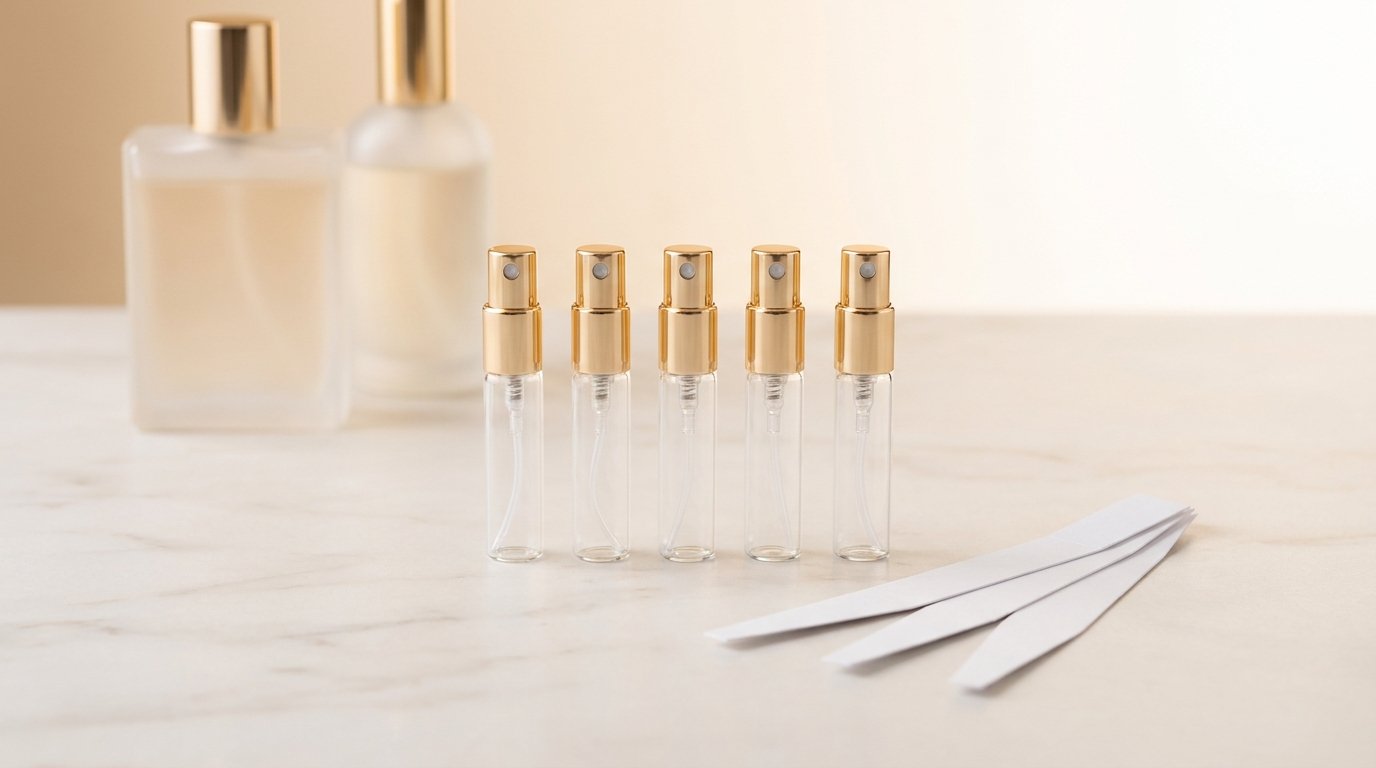
A decant is a small amount of an authentic fragrance transferred from the original bottle into a travel-sized atomiser, usually 2ml, 5ml, or 10ml. Decants are the backbone of modern sampling culture for one reason: they let you live with a scent instead of merely meeting it.
They earn their keep on expensive niche releases. Instead of gambling a full bottle of by , a 5ml decant buys you a week of wearings for a fraction of the price — and a week is usually enough to work out whether you love the thing or just love the idea of it.
Buying decants without getting burned:
Many brands and retailers sell sample sets — curated boxes of 1–2ml vials, often with a voucher that discounts a future full-bottle purchase. The voucher is the hook, and it's a fair one: you're renting a house's range before you commit to one bottle from it.
A single-brand discovery set from lets you set the dessert-thick against their fresher, brighter offerings and see how far one signature stretches. If you're new to this, a genre-based set — "fresh citrus," "warm gourmand," "woody" — is the faster education. Learning which family you keep returning to is worth more than learning which single bottle you liked on a Tuesday.
Getting the most from a sample set:
Testing at a counter is free and immediate, and it's also where most people make their worst buying decisions. The room is engineered so that everything smells good, the assistant is charming, and you've got ten minutes.
In-store rules that separate pros from impulse buyers:
Subscription boxes send you a monthly designer or niche scent — typically an 8ml refillable travel atomiser — for a flat monthly fee, often with a case included. Treat it as tuition rather than shopping and it makes sense.
Subscriptions suit people still working out their taste. A full month with by teaches you more than any counter spritz, if only because you find out how it behaves on an ordinary morning when nobody's trying to sell you anything.
Watch for these trade-offs:
Every method above exists to serve one habit. A fragrance is not one smell — it's a performance that unfolds over hours. Judging it in the first two minutes is like reviewing a film from the opening credits.
Three stages, for anything you're seriously considering:
Wear a serious candidate at least three times across different contexts: a work day, a cool evening, a warm afternoon. Watch the longevity, how far it projects, whether you still like it by hour six, and whether anyone else reacts to it. A scent you adore that vanishes in an hour may not justify a full bottle. A scent that draws compliments every single wearing almost always does.
Put it all together and blind buys stop being tempting:
If you adopt just one of these methods, make it decants. Sample vials are too small to properly live with, subscriptions cost more per ml than the marketing lets on, and the shop counter is the worst room in which to judge anything — a 5ml atomiser is the only option that hands you a scent on your own time, in your own life. Start with a base note you already suspect you love, like , and read what sits behind it. Then work the brand pages — , , — and build a shortlist worth decanting before you spend on a full bottle.
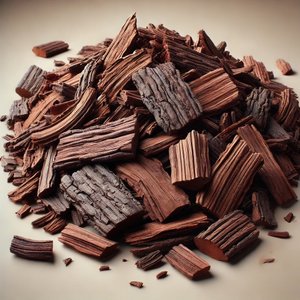 Sandalwood
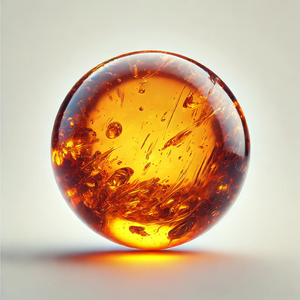 Amber
Amber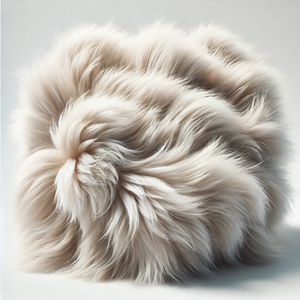 Musk
Musk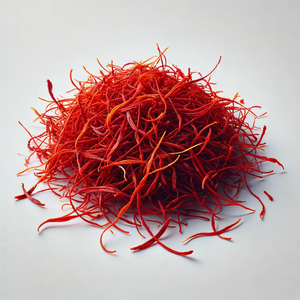 Saffron
 Creed
Creed Yves Saint Laurent
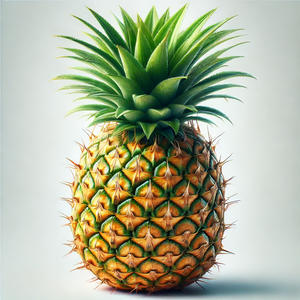 Pineapple
 Bergamot
 Chanel
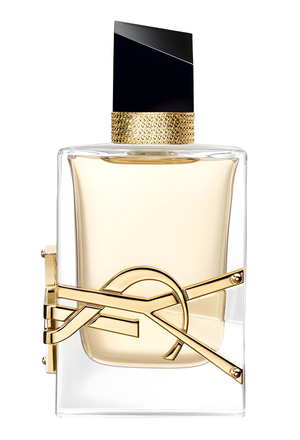 Libre
Libre Tobacco Vanille
 Tom Ford
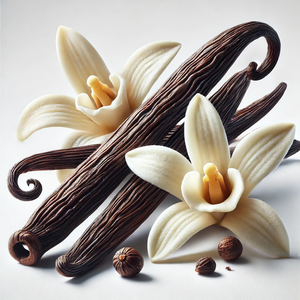 Vanilla
 Dior
Dior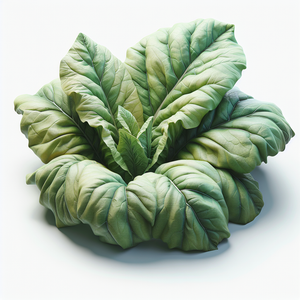 Tobacco
 Maison Francis Kurkdjian
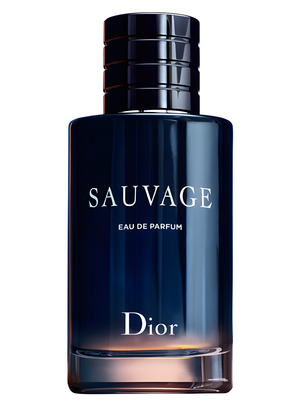 Sauvage Eau de Parfum
 Ambroxan
 Bleu de Chanel
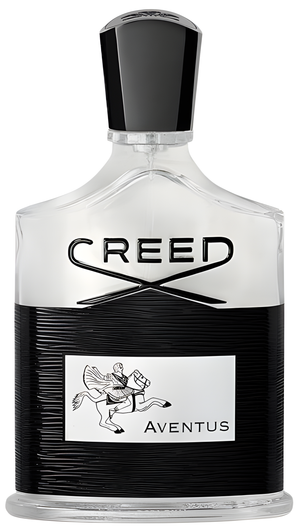 Aventus
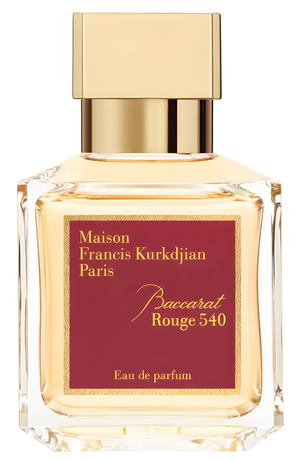 Baccarat Rouge 540