Articles
Get the Fragletter
New fragrance stories and picks in your inbox. Unsubscribe anytime.
New fragrance stories and picks in your inbox. Unsubscribe anytime.
New fragrance stories and picks in your inbox. Unsubscribe anytime.
New fragrance stories and picks in your inbox. Unsubscribe anytime.
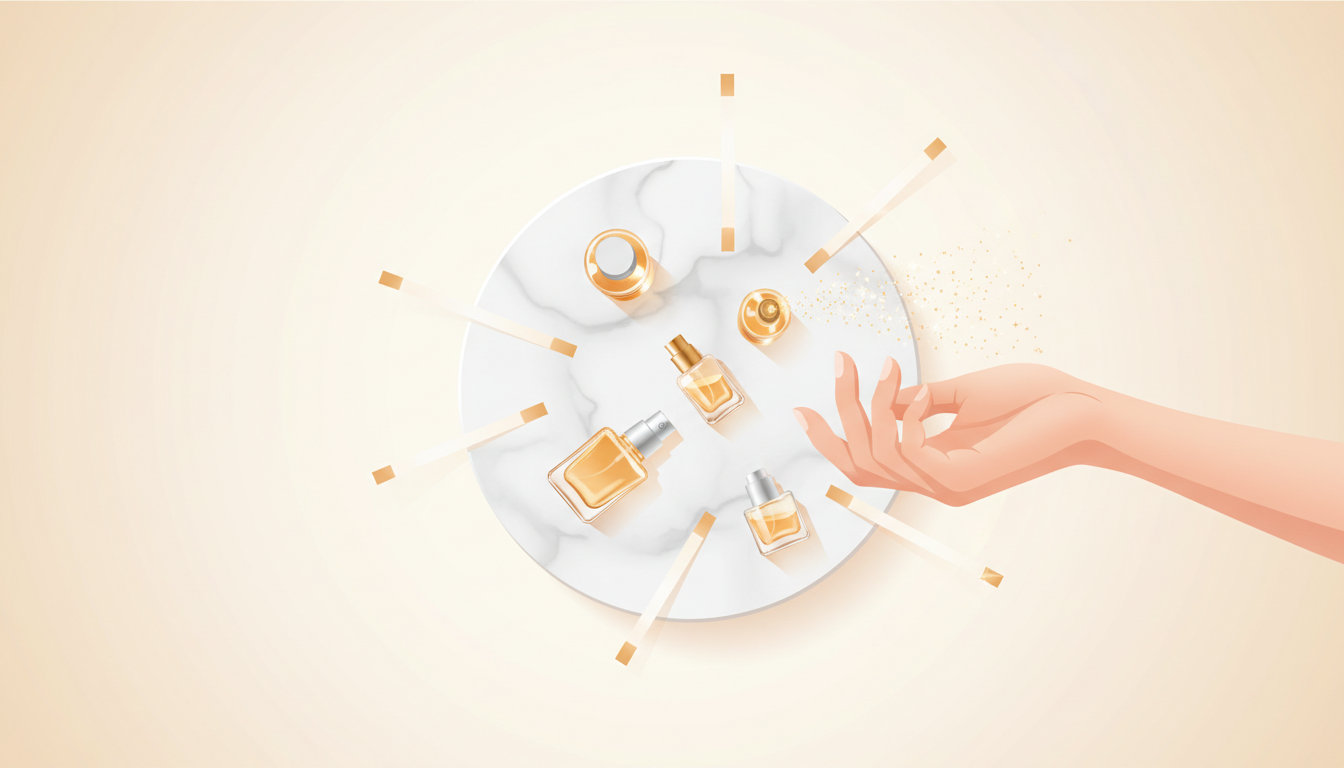
The shop sniff is the worst way to buy perfume, and it's how most perfume gets bought. Ten seconds on a blotter tells you about the top notes and nothing about the seven hours that follow. Sampling fixes that, and there's a right way to do it.
A full-size designer bottle typically costs between $80 and $150. Niche houses go further — by sits well over $300. Blind buying is the most expensive habit in this hobby, and beginners fall into it first.
Sampling lets you:
It's a test drive. Nobody buys the car off the forecourt photo.
The traditional route, and still the cheapest: ask. Most counters will hand over small spray vials of or without a fuss. Asking isn't cheeky — it's how the counter is meant to work.
A handful of retailers do nothing but split bottles into small decants, usually 2–5 ml. This is how you reach the niche and hard-to-find things no counter near you stocks, and you get to test them at home rather than in a room that smells of forty other perfumes.
Plenty of brands sell curated discovery sets of their best-known scents. and run some of the better ones, four to eight fragrances for a fraction of the full-bottle cost. Worth knowing the limit, though: a house set teaches you one house's accent, not a whole genre.
Fragrance communities organise splits, where members share the cost of a full bottle and divide it into smaller portions. It's the cheapest way into expensive or limited-edition releases. It also means trusting a stranger's decanting and their postage — go in with that priced in.
Blotters are for triage. They'll show you the opening — the lift in a citrus, the pepper kick in something louder — and they'll tell you in seconds whether a scent deserves more of your time.
But paper doesn't tell the full story. A fragrance only shows itself on skin, where your body heat and natural oils get at the scent molecules. Never decide on a blotter alone.
Your skin's pH, moisture, diet and even medication shift how a scent reads on you. A -heavy composition can come across plush on one person and sugary on the next. Something built on and might carry across a room on dry skin and hug the wrist on oily skin.
Which is why reviews alone can't settle it. They tell you what a fragrance did on someone else's arm.
Spray the inner wrist or forearm. What hits first is the top notes — bright , fresh , zesty pepper. They're volatile and built to grab you, which is exactly why you shouldn't trust them. Half the bottles people regret were bought during minute two.
Now the heart comes through as the top notes burn off. by is the textbook case: bright fruit up front, then a smoky woody core around and . This is the stage that tells you who a fragrance actually is, and it's the one a shop test almost never reaches.
The base notes — , , — outlast everything above them. Live with the thing for a day. Six hours in, do you still like what's on your wrist, or have you started ignoring it? If it's turned cloying, that's a no. If it's vanished, that's also a no.
Your nose gives up long before your enthusiasm does. That's olfactory fatigue, and it turns everything into the same beige blur. Limit yourself to three or four fragrances per session. Coffee beans are the popular reset trick, but fresh air does more.
One spray, one sniff, instant verdict. That's reviewing a film off its opening credits. Give each fragrance two to three hours on skin before you form an opinion. Some of the most beloved scents open awkwardly and land beautifully.
A shop is a terrible laboratory: competing perfumes, cleaning products, the smell of the building itself. Take the sample home and wear it where you actually spend your day. The thing that seemed perfect at the mall can read differently at your desk or out in the cold.
Heat amplifies. An -heavy perfume that's glorious in January can feel airless in July, and a light citrus like by can go missing in cold weather. Test in the season you plan to wear it.
Once you've got the basics, keep the routine simple:
The verdict is dull, and it works: buy no bottle you haven't worn for a full day, and take samples in small batches so your nose stays honest. Do that for a few months and you'll stop chasing other people's signature scents — and stop paying full-bottle prices for a lovely opening attached to a dry-down you can't stand.
Start on Fragplace: read the reviews, dig through the note profiles, see what other collectors are wearing. Then pick the one note you keep circling back to — , say — and build your next batch of five samples around it.
 Baccarat Rouge 540
 Maison Francis Kurkdjian
 Bergamot
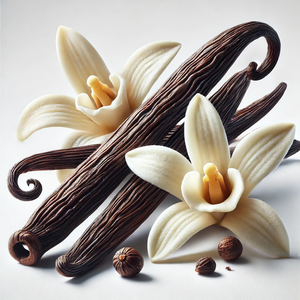 Vanilla
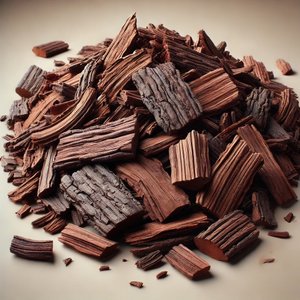 Sandalwood
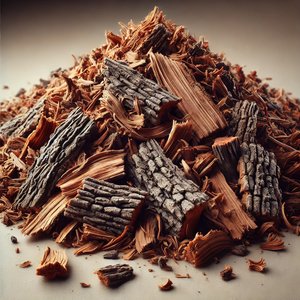 Agarwood (Oud)
 Musk
Musk Cedarwood
 Jasmine
 Amber
Amber Creed
Creed Sauvage
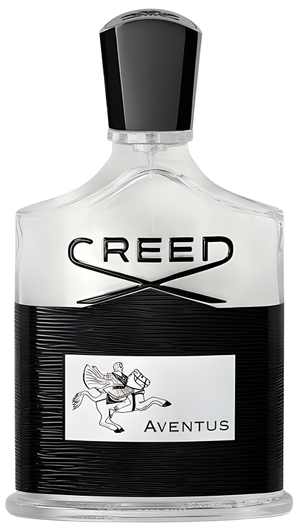 Aventus
 Dolce&Gabbana
 Bleu de Chanel
 Patchouli
 Light Blue