Articles
Get the Fragletter
New fragrance stories and picks in your inbox. Unsubscribe anytime.
New fragrance stories and picks in your inbox. Unsubscribe anytime.
New fragrance stories and picks in your inbox. Unsubscribe anytime.
New fragrance stories and picks in your inbox. Unsubscribe anytime.
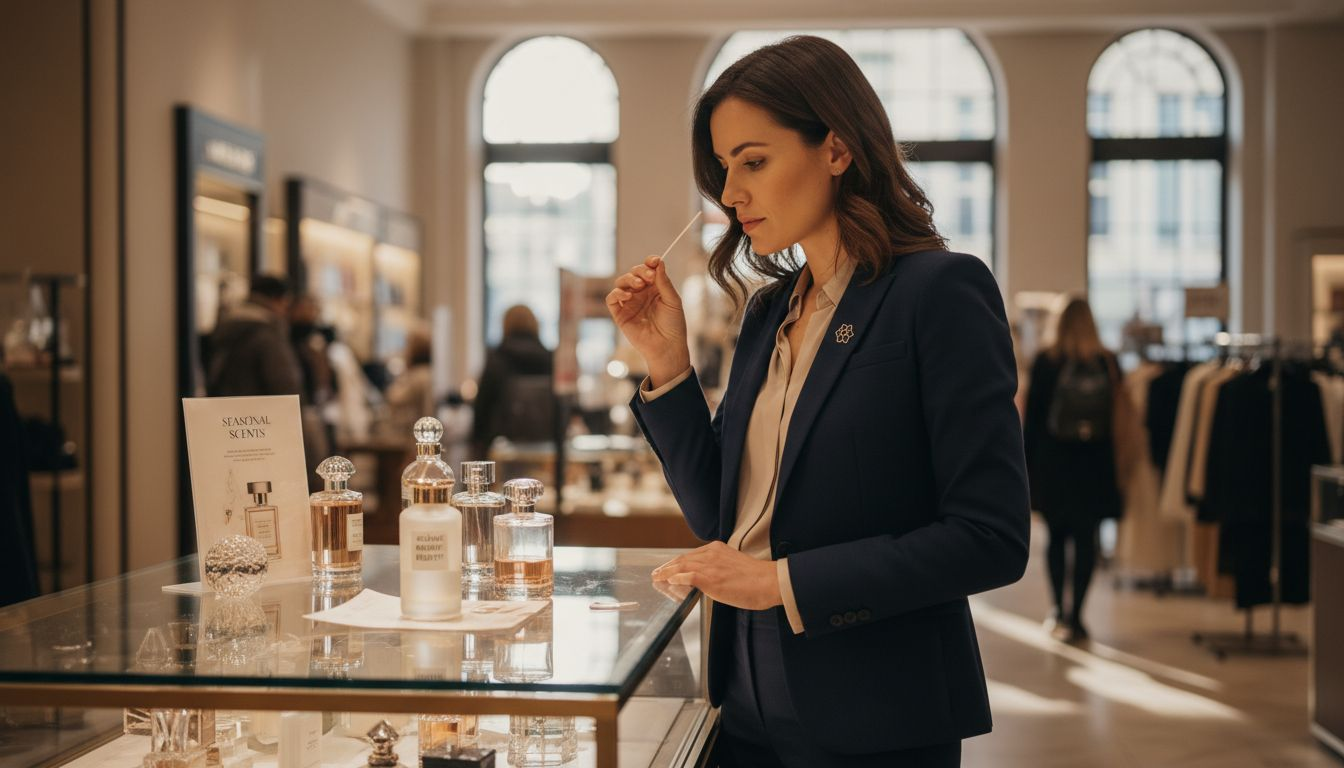
Most bad perfume purchases happen in the first ten minutes, under shop lighting, with three scents already fighting on one wrist. Buying well is slower and duller than that: work out what you actually like, learn which houses make it, then test properly before your card comes out. Here's the order that saves you money.
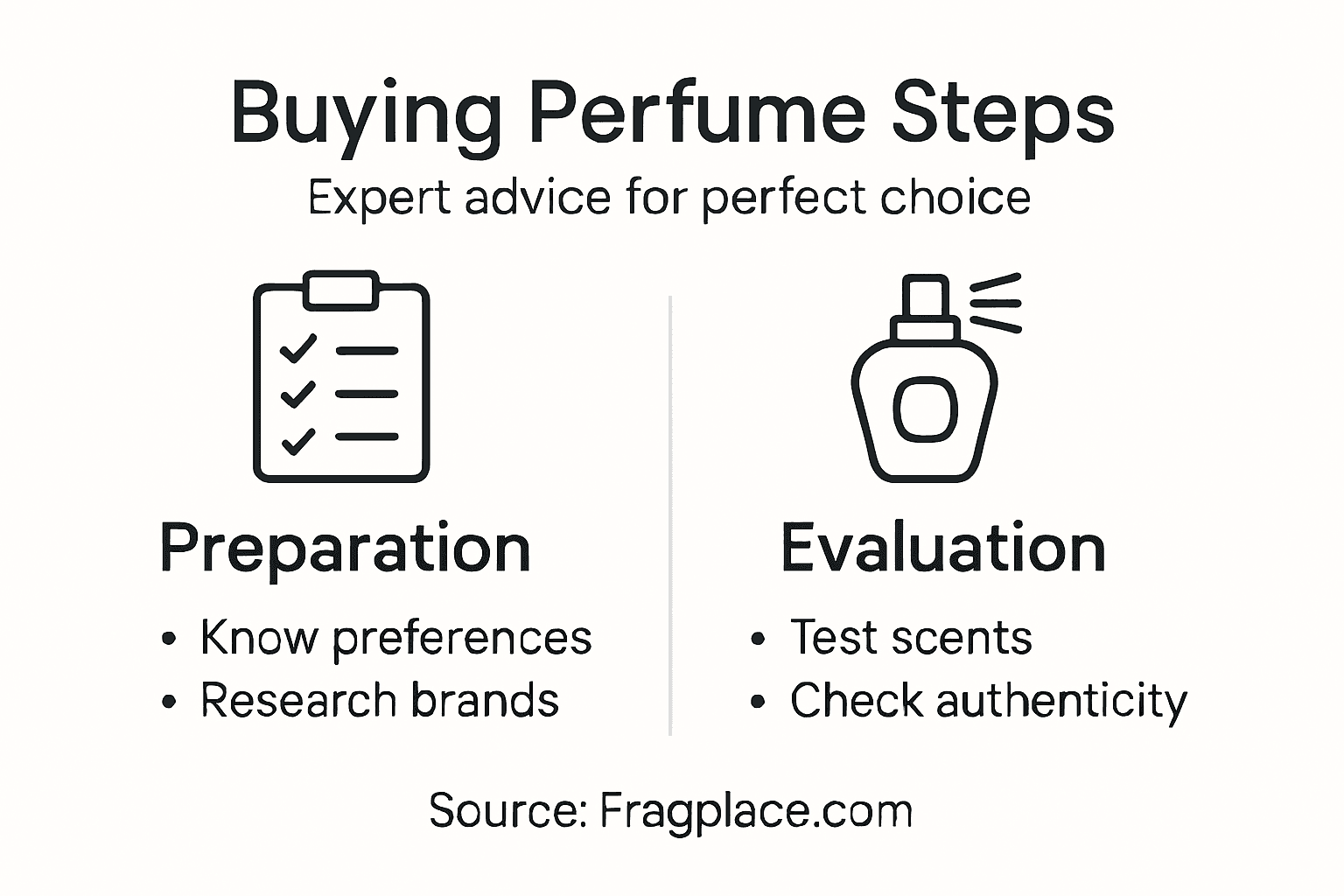
Before you spend anything, work out what you actually like. This is the least glamorous step and the one everyone skips, which is why so many bottles end up half-used at the back of a shelf. Copying what other people wear is how you end up owning a scent that suits somebody else.
Start with memory. That perfume from your parent's bathroom, the cologne a friend wore that you kept quietly noticing — those reactions tell you more than a marketing description ever will. Consumer preferences for perfumes are shaped by brand image, fragrance type, and packaging design, but the part that sticks is personal. Think about the situations, too. Were you drawn to something fresh when you felt energised at work, or did a creamy fragrance appeal on a slow evening at home? Follow that thread instead of the trend cycle.
Then get to the notes. Learn the broad families — florals, citrus, woody, Oriental, fresh — and smell as many as you can, in shops or through discovery services that put a range of profiles in front of you. Pay attention to whether you gravitate towards light, airy scents or heavier, more intense ones. Notice if you prefer fruity notes, spice, vanilla, or something herbal and green. Fragrance preferences vary significantly across global markets and are influenced by cultural, social, and psychological factors; yours are still yours, and no chart overrides them. If you're starting from nothing, a run through essential popular unisex scents for everyday wear is a sensible map — those scents are popular because they're easy to like, which is exactly what you want while you're calibrating.
Now be realistic about where you'll wear it. Office, everyday errands, occasional events — each pulls in a different direction, and so does the season. Someone who loves a bright citrus in July often wants something spiced and woody by November. Decide as well whether you want something quiet that sits close to you or a signature scent people notice when you walk in. Both are valid. Owning only the second one gets tiring.
Here's how popular fragrance categories compare by typical scent notes and ideal occasions:
Pro tip: Keep a note on your phone with three scents you've genuinely enjoyed, the notes they contained, and how they made you feel. Patterns show up fast, and a pattern beats a pretty bottle when you're standing at a counter with a card in your hand.
You know roughly what you like. Now find the houses that keep making it. Brand identity isn't only marketing — it shows up in the actual compositions, and some houses are genuinely better at one thing than at everything else.
Look at a house's heritage, its philosophy, and what it actually specialises in. Some build their name on fresh, citrusy work; others on rich Oriental compositions. Perfume formulation combines art and chemistry through essential oils, aroma compounds, and fixatives, which is why a house that has spent decades on one style tends to keep beating newcomers at it. Read reviews from other enthusiasts, sit in communities where people argue about specific brands, and watch for the names that keep coming up around scents you already admire. Browsing popular fragrance brands is a quick way to see which houses cluster around which families before you commit to a counter visit.
The geography is interesting here. Different countries favour specific fragrance families, with florals popular in the United States and England, whilst Southern Europe embraces unique blends. Reputation follows those habits, so a brand's national style is a useful shortcut: love clean and aquatic, and you should be reading about houses known for citrus; want warmth, and you want the amber-and-Oriental specialists. Be wary of assuming a house is good across its whole range, though. Plenty of brands have one brilliant line and a lot of filler around it. And read the note list before you read the copy — bergamot, jasmine and sandalwood tells you something; "a captivating aura" tells you nothing.
Pro tip: Track three to five brands in a simple spreadsheet: signature scent families, price point, key lines. Check every new perfume you test against it. After a few entries you'll notice you keep liking the same house, which is worth more than any list of bestsellers.
This is where most of the money is lost. A perfume that smells stunning for twenty minutes and then vanishes isn't a bargain at any price, and you can't know which one you've got from a paper strip.
Test with some discipline. One fragrance per wrist, no more, so you can compare two things properly instead of smelling a blur. Don't rub your wrists together — it batters the composition and shortens what you're trying to measure. Let it settle for a few minutes first. Your skin chemistry matters, so a scent that works on a friend can read differently on you. Then stay with it. Does the citrus opening drop away fast and hand over to a floral heart? Is the base still warm and woody hours later? Knowing how fragrance layers work makes those shifts predictable rather than mysterious, and it stops you buying a bottle for an opening you'll only smell once a day.
Judge lasting power over hours, not minutes. Fragrance longevity testing involves sensory evaluation, chemical stability assessments, and factors including formulation, skin chemistry, and environmental conditions. Most quality fragrances should last at least four to six hours, and eau de parfums typically last considerably longer than eau de toilettes. Projection is the other half of it: how far the scent travels. Some announce your presence when you enter a room; others stay within arm's reach. In an office, the close one is the safer buy — strong sillage in a meeting room is a decision your colleagues have to live with too. Whatever you do, don't decide after five minutes. Wear a sample for a full day. Infatuation at the counter and affection by 6pm are different feelings, and the second one is the one worth paying for.
Compare these fragrance concentrations to understand longevity and strength:
Pro tip: Ask for samples or testers before you buy a full bottle. Twenty-four hours on your own skin tells you how it behaves through a working day and whether you still want it by the evening. That one habit prevents most expensive mistakes.
The luxury perfume market is a counterfeiter's dream, and the fakes have got better. Knowing what a fair price looks like is the cheapest protection you have.
Check the same bottle across department stores, specialist shops and established online retailers until you know its normal range. A price far below everything else isn't luck. Counterfeits flood online marketplaces, and genuine perfumes hold consistent pricing because genuine ingredients and quality control cost money. Look at the seller as hard as the price: authorised distributor or not, real customer reviews or not. Established retailers protect their own reputation by stocking the real thing. Unknown sellers with a deal that doesn't add up are exactly what they look like.
Then inspect what arrives. Authenticating perfumes requires examination of packaging quality, bottle construction, and scent complexity. Real ones have crisp printing, a solid bottle, a proper seal and consistent liquid colour; fakes tend towards blurry text, flimsy card and uneven finishing. The juice gives it away too — counterfeits smell flat and one-dimensional, and they fade. If it doesn't behave like the thing you tested, trust that judgement. At the industrial end, comprehensive two-dimensional gas chromatography can detect chemical differences between genuine and imitation fragrances. You'll never run that test yourself, which is the whole argument for buying from a source that already has. Learn your brand's specific markers as well: holograms, batch codes, numbered bottles. It takes minutes to look up and settles the question.
Pro tip: Photograph the listing — price, seller, description — before you pay, and photograph the box, bottle and batch code when it lands. If something's off, you'll have a refund claim instead of an argument.
You've tested it and you're satisfied it's genuine. One question left, and it's the one that decides whether the bottle gets used: will you actually wear this?
Be honest about the occasions. Everyday office scent, event scent, or something for a quiet weekend — each has a different value per millilitre. A spectacular evening perfume you wear twice a year is a luxury, and there's nothing wrong with owning one, but if money is tight, buy the thing you'll reach for on a Tuesday. Wear the sample somewhere real: to work, to dinner, around the house. Notice whether it fits the room. Notice whether you feel like yourself in it, because that's the fragrance you'll finish. Season matters as well; plenty of scents turn heavy in July or thin out in January. If your climate has proper seasons, either buy something that travels across them or plan a small set of scents that cover each other. Reading through fragrance wardrobe essentials helps you see where a first bottle sits in a collection rather than treating it as the only one you'll ever own.
Then the practical checks. Does the size match your usage? A 100ml bottle lasts roughly a year with daily use; 50ml is the wiser buy if you're not certain yet. Read the return policy — good retailers give you a window. Read reviews that talk about performance over time rather than first impressions, and see whether other people report the longevity you got in testing. Expect fragrance fatigue at some point, too: wear anything daily and you stop noticing it. That's your nose adapting, not the perfume failing, and the fix is variety rather than a refund. For a first purchase, something adaptable beats something extreme. If you've researched it, tested it, verified it, and you're still thinking about it, buy it.
Pro tip: Give it 48 hours after your final sample test. If you're still planning when you'd wear it, that's your answer. The bottles that disappoint are almost always the ones bought inside ten minutes of first smelling them.
Here's the verdict: skip the counter theatre and buy on evidence. Know your families, pick houses that specialise in them, live with a sample for a day, check the seller before you check the price, and wait 48 hours. Do that and you'll own three perfumes you wear instead of nine you don't.
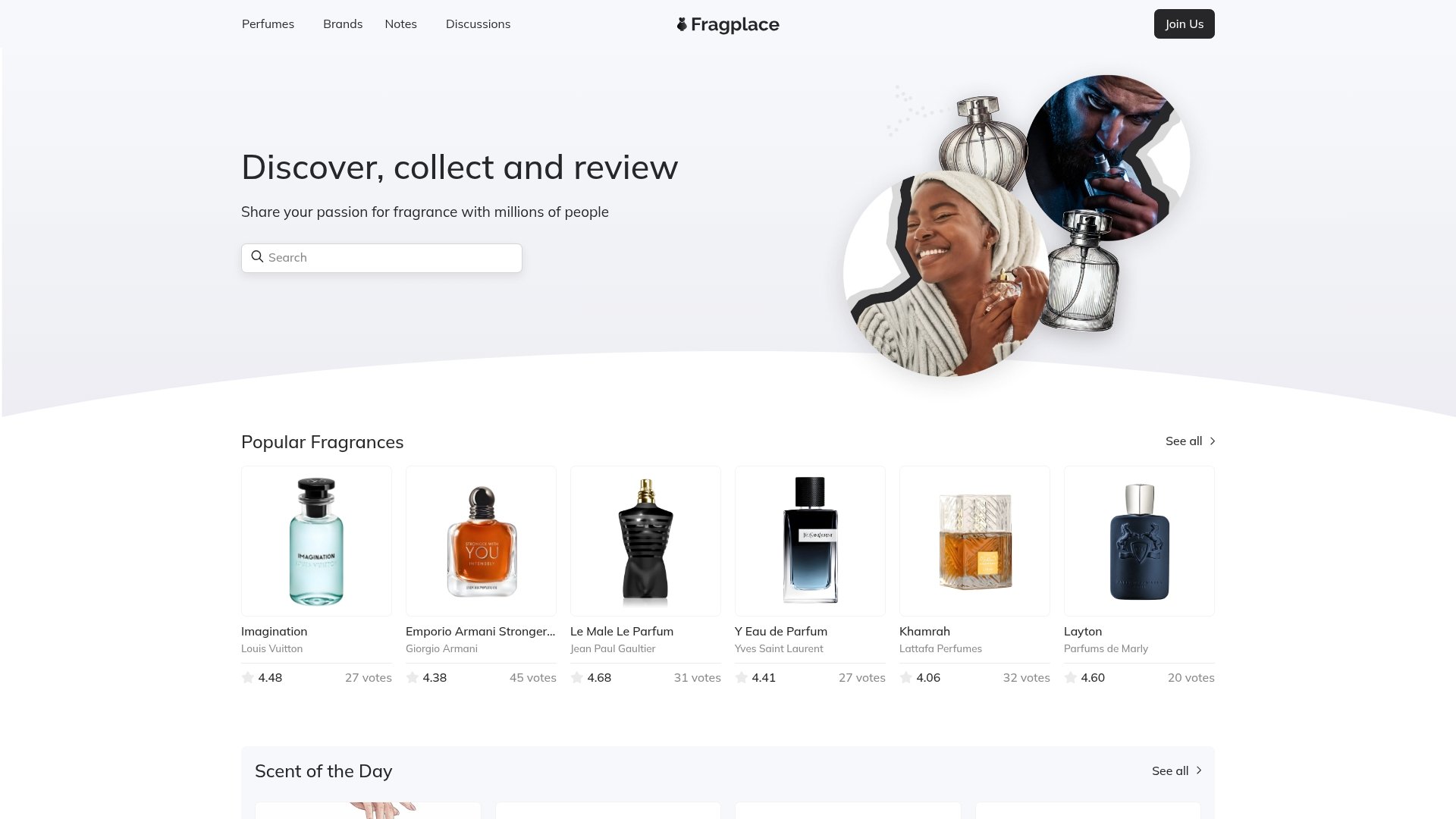
Fragplace.com is built for the research half of that. You can explore detailed fragrance information, read honest reviews, and argue notes with people who've smelled far more than you have — which is how you learn a house's style without buying its whole range. If you want to analyse popular fragrances or track your personal favourites, it beats keeping a note on your phone.
Start with Fragplace and log the three scents you already know you like — that's your baseline. Then work through the popular fragrance brands that keep making them, and join a community passionate about perfumes while you narrow it down.
Start with memory rather than marketing: the scents that left a good impression on you, and the situations you noticed them in. Then learn the broad families — floral, citrus, woody — so you can name what you're drawn to. Write down three scents you've enjoyed and use that list as your reference.
Look at each house's heritage and what it actually specialises in, then read reviews from other enthusiasts to see whether the reputation holds. Shortlist three to five brands that match your taste and dig into their signature families. Don't assume a great house is great across its entire range.
Apply a small amount to each wrist, don't rub, and give it a few minutes to settle before you judge it. Follow how it develops and aim for something that lasts at least four to six hours. Wear a sample for a full day before you commit, because your skin chemistry gets the final say.
Check several retailers until you know the normal price range for that bottle. A price well under everything else usually means a counterfeit, not a bargain. Buy from reputable sellers — the small saving elsewhere isn't worth a fake.
Ask where it fits in your week, not just whether you like it. Wear the sample to work, to social events and at home over a couple of days and see whether it suits the setting. Then wait 48 hours; if you're still thinking about it, buy it.
| Key Insights | Explanation |
|---|
| 1. Identify Your Scent Preferences | Reflect on fragrances that made a positive impression on you and understand your emotional connections to scents. |
| 2. Research Brands and Scent Profiles | Familiarise yourself with different brands and their fragrance specialisations to find what aligns with your preferences. |
| 3. Test Perfumes for Longevity | Apply fragrances on skin to evaluate how they develop over time and their lasting power before purchasing. |
| 4. Compare Prices and Authenticity | Check prices from multiple retailers and inspect products to ensure you buy genuine perfumes at fair prices. |
| 5. Verify Suitability Before Purchase | Ensure the fragrance fits your lifestyle, occasions, and budget to avoid buyer's remorse after making your purchase. |
| Fragrance Category | Typical Notes | Ideal Occasions | Seasonal Suitability |
|---|
| Floral | Rose, jasmine, peony | Romantic evenings, office | Spring, autumn |
| Citrus | Lemon, bergamot, orange | Workplace, daytime outings | Summer |
| Woody | Sandalwood, cedar, vetiver | Formal events, cold weather | Autumn, winter |
| Oriental | Amber, spices, vanilla | Evening gatherings, festive events | Winter |
| Fresh | Mint, green tea, aquatic notes | Casual wear, gym, travel | Spring, summer |
| Type | Oil Concentration | Typical Longevity | Projection Strength |
|---|
| Eau de Cologne | 2–5% | Up to 2 hours | Faint |
| Eau de Toilette | 5–15% | 3–4 hours | Moderate |
| Eau de Parfum | 15–20% | 4–8 hours | Strong |
| Parfum/Extrait | 20–30% | 8+ hours | Intense |