Articles
Get the Fragletter
New fragrance stories and picks in your inbox. Unsubscribe anytime.
New fragrance stories and picks in your inbox. Unsubscribe anytime.
New fragrance stories and picks in your inbox. Unsubscribe anytime.
New fragrance stories and picks in your inbox. Unsubscribe anytime.
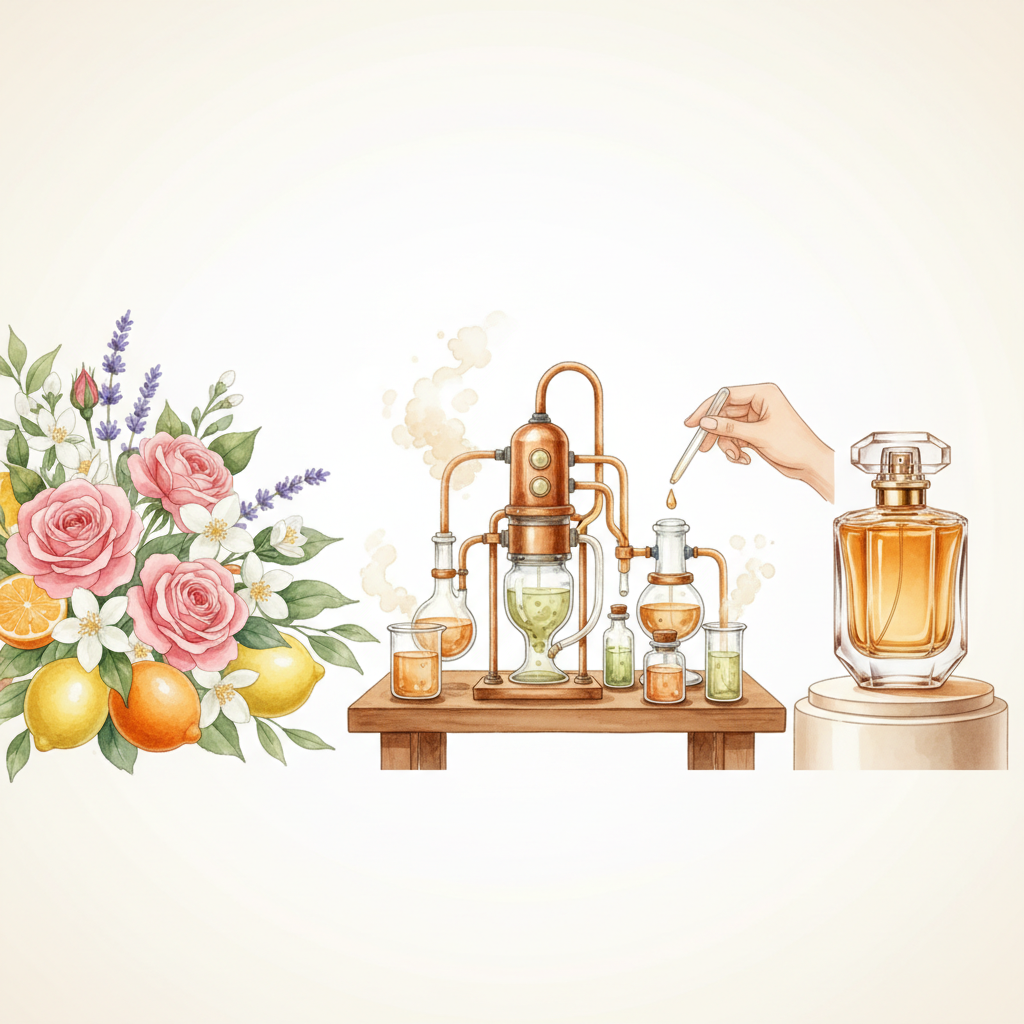
Most people meet a perfume at the last possible moment: sprayed, dried down, priced. Everything that decides what it smells like happened long before that, in fields and solvents and steel vats. Here's how the liquid actually gets made, and why two bottles of the same size can sit worlds apart in price.
The natural-versus-synthetic argument is mostly a marketing invention. The building blocks of perfumery fall into two broad categories: natural and synthetic. Most modern fragrances use both, and neither is inherently better than the other.
Natural ingredients are extracted directly from plants, flowers, woods, resins, and even animal sources. They're costly for unglamorous reasons — yield, labour, time. The materials perfumers prize most:
Synthetic molecules have revolutionised perfumery. They allow perfumers to create scents that would be impossible or unsustainable using natural materials alone. Some synthetics replicate natural scents more affordably, while others produce entirely new smells that have no equivalent in nature. That second group is where the interesting work happens.
Iso E Super, for example, creates a smooth, woody, almost skin-like warmth that has become a staple in modern perfumery — leaned on so heavily by now that it reads as a default setting rather than an idea. Hedione gives a fresh, -like radiance that transformed perfumery when it was first used in Eau Sauvage by .
How ingredients are extracted determines their character, potency, and cost. It's also why the same flower can arrive as two materials that barely smell related.
The oldest and most common method. Plant material is placed in a still, and steam passes through it, carrying volatile aromatic compounds. When the steam cools, it condenses into a layer of essential oil floating on water. This method works well for , , , and most herbs and woods. Tough materials survive it; fragile ones don't.
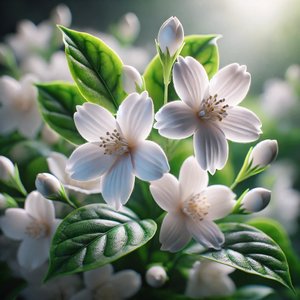
Delicate flowers like jasmine and would be destroyed by heat. Instead, they are soaked in a chemical solvent that dissolves their aromatic compounds. The solvent is then evaporated, leaving behind a waxy substance called a concrete. Washing the concrete with alcohol yields an absolute — a highly concentrated, true-to-life representation of the flower's scent. If you've ever wondered why an absolute smells like the living flower and a distilled oil doesn't, that's the reason.
An ancient technique rarely used today due to its labour intensity. Fresh flower petals are pressed into odourless animal fat, which absorbs their fragrance over days or weeks. The saturated fat is then washed with alcohol to extract the scent. This method was historically used for and jasmine in Grasse, the perfume capital of France. When a brand mentions it now, it's selling you heritage more than smell.
Used primarily for citrus ingredients like , lemon, and orange. The fruit peel is mechanically pressed to release its essential oils. This produces a bright, vivid scent that captures the freshness of the fruit — and a fleeting one, which is why citrus openings vanish so fast.
A modern technique that uses pressurised carbon dioxide as a solvent. It operates at low temperatures, preserving delicate compounds that heat-based methods might destroy. CO2 extracts often smell closer to the living plant than traditional essential oils, and they're the strongest argument going for new technology in a famously conservative craft.
The person who designs a fragrance is called a perfumer, or sometimes a "nose." The mystique around that word is overdone. Creating a perfume is both a technical skill and a creative art that takes years of training to master, and the technical half rarely gets the credit.
A perfumer typically studies for five to seven years, memorising hundreds of raw materials and learning how they interact. They work from a palette of 1,500 to 3,000 ingredients, combining them into formulas that can contain anywhere from 20 to over 200 individual components. Think of it as composition under constraint, not inspiration in a lab coat.
Some of the most influential perfumers in history include , who created for — a fragrance that pioneered the oriental category. spent decades as the in-house perfumer for , shaping the house's modern legacy. Today, has become one of the most celebrated names in the industry, known for creating under his own house, .
Once a perfumer finalises a formula, the production process begins. This is the unromantic part, and it's where a good formula can still be let down.
The raw materials are precisely weighed and blended according to the formula. In large-scale production, this happens in stainless steel vats that can hold hundreds of litres. Accuracy is critical — even small deviations can shift the scent profile.
The blended concentrate is mixed with high-grade alcohol and left to age, typically for several weeks to several months. During maceration, the molecules bond and settle, smoothing out the fragrance and allowing it to develop its full character. This is similar to how wine or whiskey improves with aging. It's the one step nobody can hurry.
After maceration, the fragrance is chilled and filtered to remove any sediment or cloudiness. Quality control teams then evaluate the batch against a reference standard, checking for consistency in scent, colour, and performance. Reformulation arguments usually start here, at the reference standard.
The finished fragrance is filled into bottles, often using automated lines that can process thousands of units per hour. The bottle itself is an important part of the product — luxury houses invest heavily in distinctive glass design, spray mechanisms, and packaging. Some of what you're paying for is the cap, and that's worth knowing before you decide it's worth it.
Understanding how fragrances are made explains why pricing varies so dramatically. A fragrance using natural , iris absolute, and aged will cost far more to produce than one built primarily from synthetic molecules. But ingredient cost is only one factor — the perfumer's time, research and development, marketing, and packaging all contribute to the final retail price. Which means an expensive bottle isn't proof of expensive materials, and a cheap one isn't proof of bad ones.
Here's the verdict worth taking away: buy for the materials and the maker, not the story on the counter. Once you know that jasmine is picked by hand at dawn, that sandalwood took 30 years, and that maceration takes months, the price tag stops being mysterious and starts being something you can judge.
So pick a material you already like — , say — and see what's actually built on it. Then follow the name on the back of the bottle: explore fragrances and the perfumers behind them on Fragplace to discover the stories behind your favourite scents.
 Dior
Dior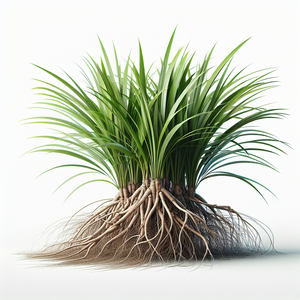 Vetiver
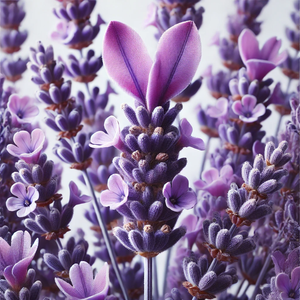 Lavender
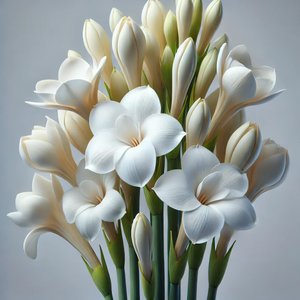 Tuberose
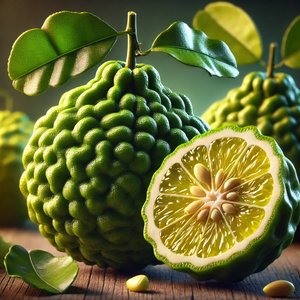 Bergamot
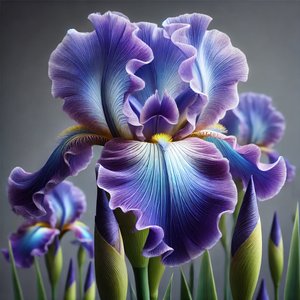 Iris
Iris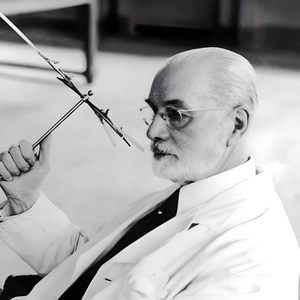 Jacques Guerlain
 Guerlain
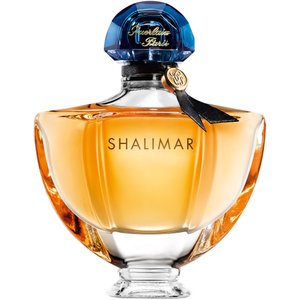 Shalimar Eau de Parfum
 Chanel
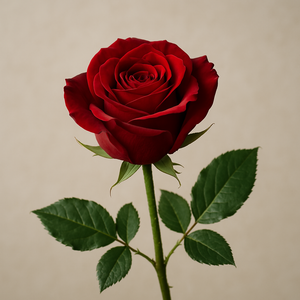 Rose
Rose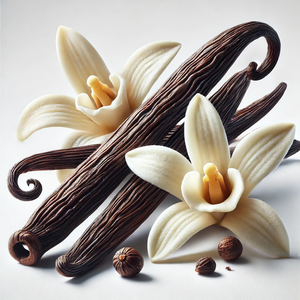 Vanilla
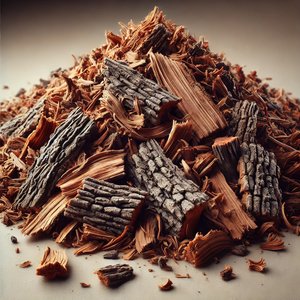 Agarwood (Oud)
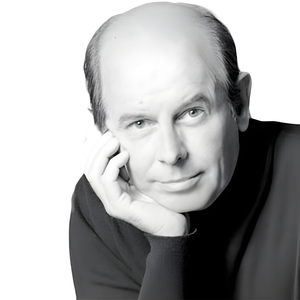 Jacques Polge
 Francis Kurkdjian
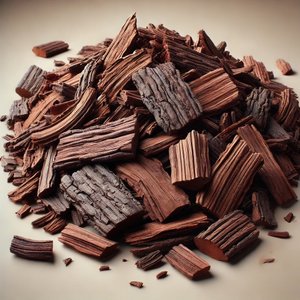 Sandalwood
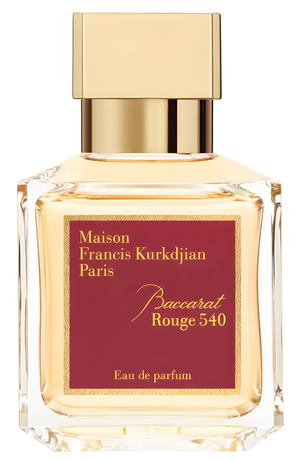 Baccarat Rouge 540
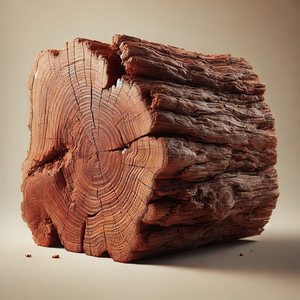 Cedarwood
 Jasmine
 Ambergris
 Maison Francis Kurkdjian